



In Rune's eyes, how the formidable Sinner was forged



Currently recovering, the Danish star Rune shares his perspective on how Sinner has evolved over the years: "A few years ago, I felt he didn’t like facing me, while I enjoyed challenging him. But now, I don’t even like challenging him anymore!" This seemingly simple remark acts like a precise scalpel, cutting into the harsh yet fascinating core of professional tennis—evolution, or extinction.
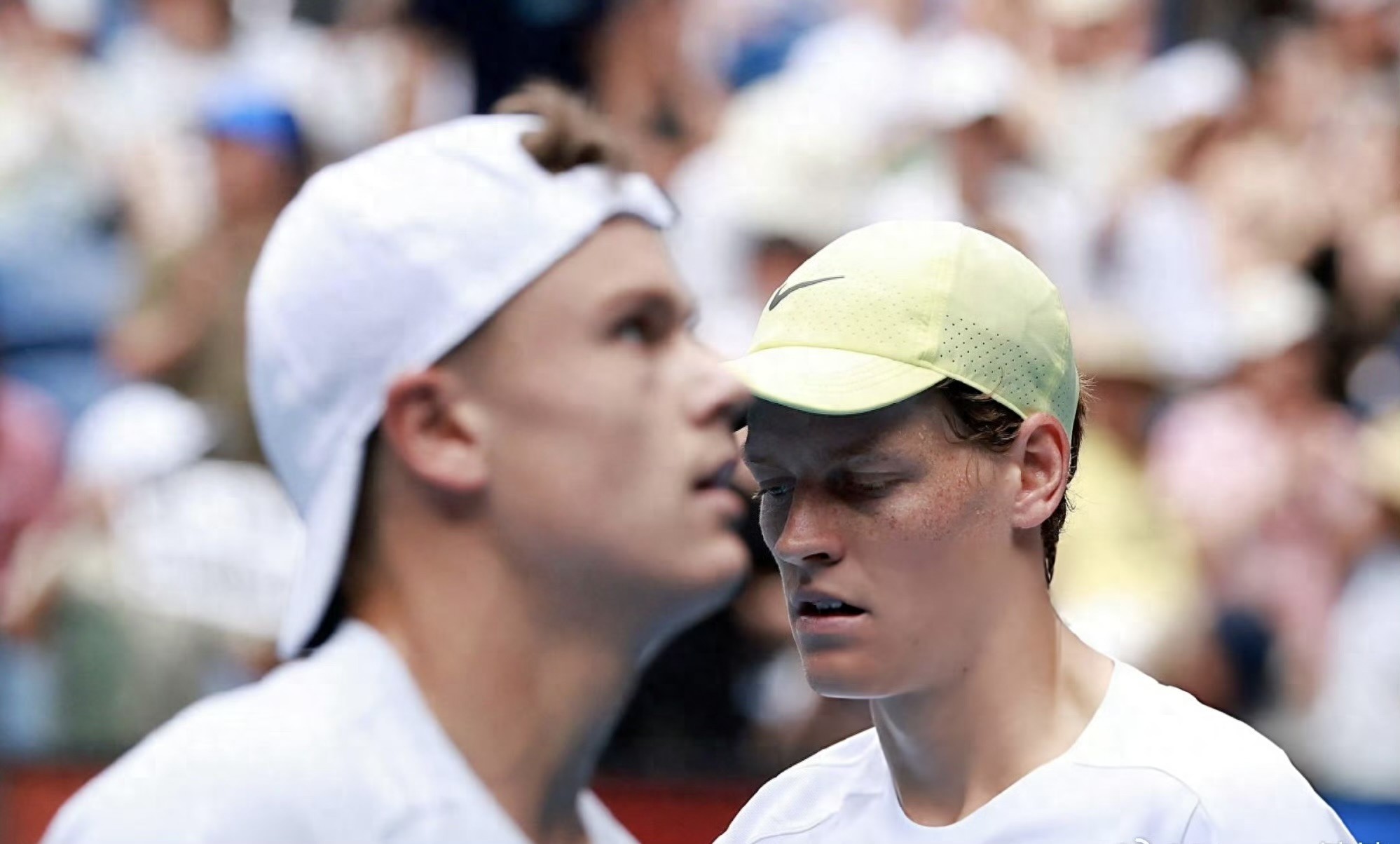
Rewinding a few years, the Sinner Rune described probably still carried some uncertainty typical of a talented youth. Back then, their encounters felt like challenges where Rune sensed he could influence the outcome, detecting his opponent’s unease and using it as fuel. However, the furnace of professional tennis never trusts talent that remains static. Sinner’s transformation was not overnight but the result of relentless daily hard work.
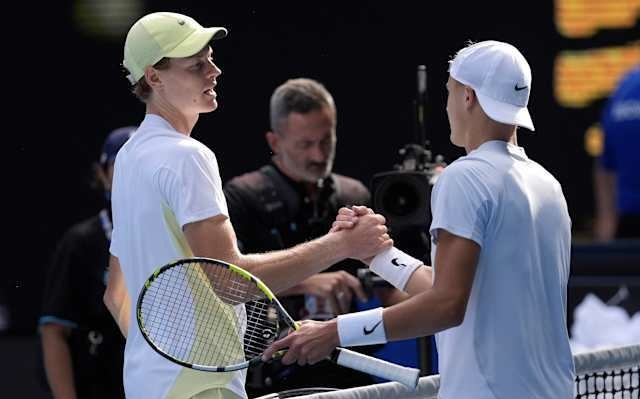
Rune observed: "He has improved a lot since 2023, when his results were roughly on par with mine. He began training hard with Vaniozzi. I saw him in Monte Carlo training four hours every day. He hasn’t changed his playing style but has enhanced every aspect." Sinner’s progress is a systematic effort through repetitive training to demand quality, consistency, and to convert talent into muscle memory and tactical instinct. Rune keenly noticed this: Sinner didn’t overturn his style or chase flashy new weapons; instead, he deepened and solidified every line of his original blueprint. This is a mature path of evolution: not seeking radical change but pure refinement.

Thus, we witness a thoroughly hardened Sinner. His serve has upgraded from a weapon to a strategic cornerstone; forehand and backhand have evolved from mere attacking tools into the foundation of both offense and defense. As Rune experienced firsthand last year at Melbourne Park, the most profound change lies in instantaneous decision-making—at the moment an opportunity arises, Sinner hesitates no longer; advancing and attacking have become instinctive reactions. This transformation—from spotting chances to becoming the chance itself—is the result of millions of training repetitions crystallized into automatic neural connections, a perfect synchronization of mental speed and physical execution. Every stroke he strikes carries the sweat shed under the blazing sun during training.

Rune’s reflection thus transcends personal rivalry, becoming a vivid footnote to the evolution of the new generation in tennis. Under the fading shadow of the giants, Alcaraz’s wild creativity, Medvedev’s ironclad defense, and Sinner’s comprehensive strengthening—each top player is seeking their ultimate form. Sinner’s path proves a simple truth: at the highest level, the greatest miracles often come from obsessive refinement of fundamentals and unwavering faith in one’s own style.
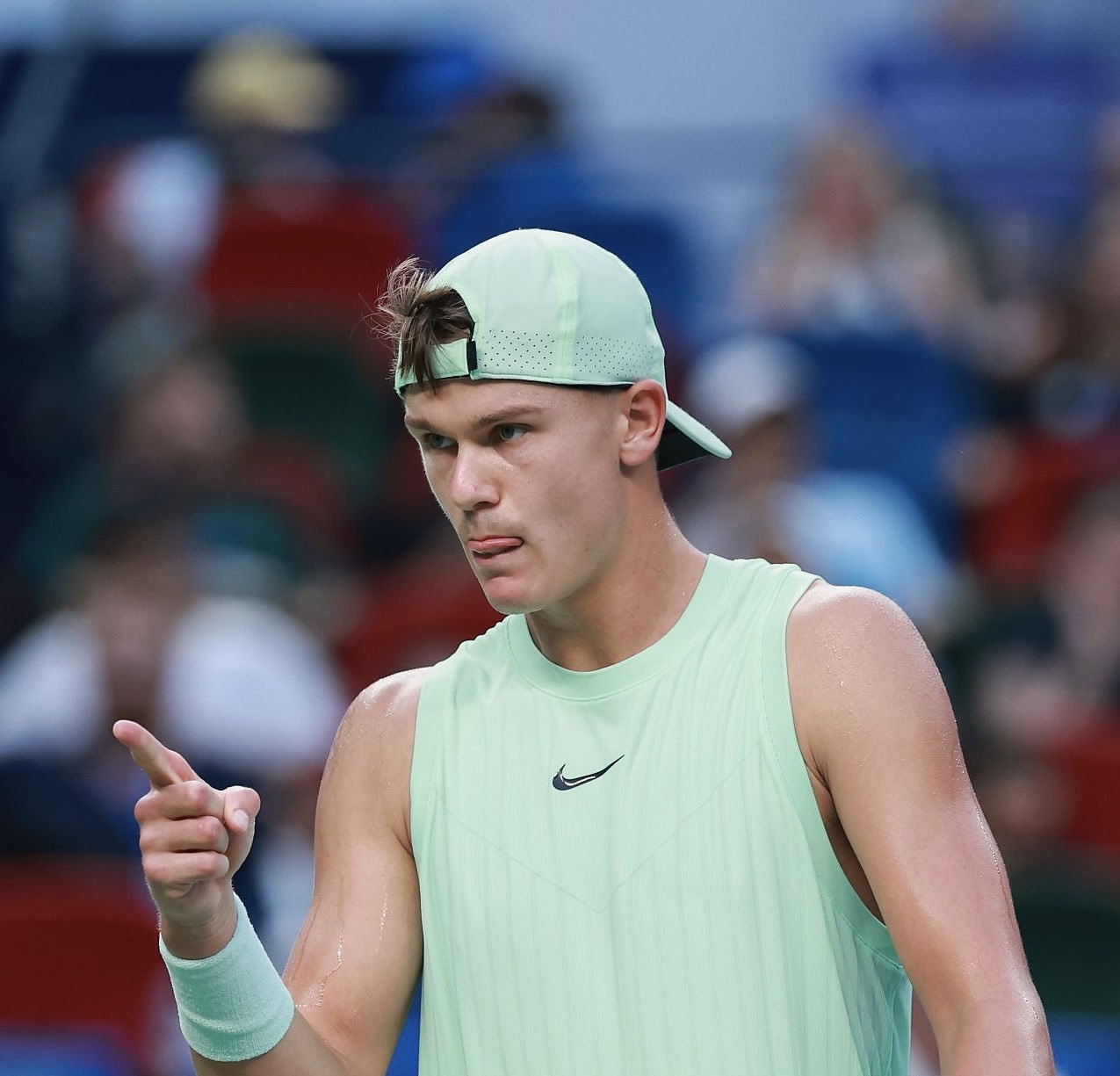
Today, when Rune admits he "doesn’t like challenging Sinner," what we hear is not discouragement but the highest tribute to a great competitor. This signals an exciting new chapter in tennis: a group of evenly matched young players, mutually respectful yet eager to destroy each other, will write the next brutal and magnificent spiral of evolution on the court. Sinner’s progress acts like a mirror reflecting the survival law of this era—only by continuously reinventing oneself can one earn the respect of opponents, even if that respect begins with "not liking" them. (Source: Tennis Home Author: Mei)

 Links
Links
 Contact
Address:UNIT 1804 SOUTH BANK TOWER, 55 UPPER GROUND,LONDON ENGLAND SE1 9E
Number:+85259695367
E-mali:icecmxtdaf@gmail.com
 App
App


