



Amateur player wins championship with a single point! Gauff shines, Jay Chou eliminated without touching the ball


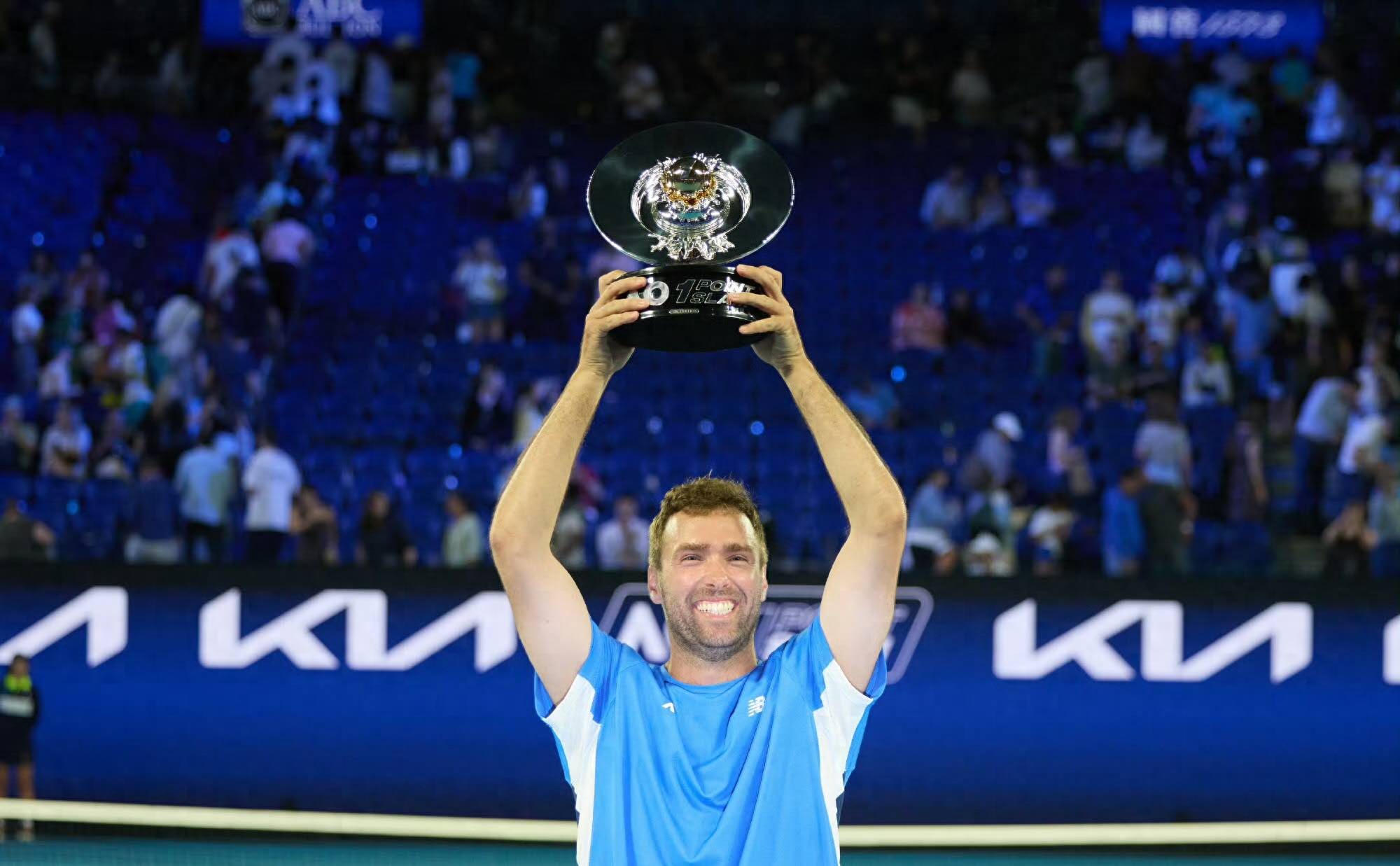
In Melbourne’s night, a roar of excitement broke out as Sydney’s amateur tennis coach Jordan Smith unexpectedly won this year’s Australian Open single-point victory title, claiming the million-dollar prize!
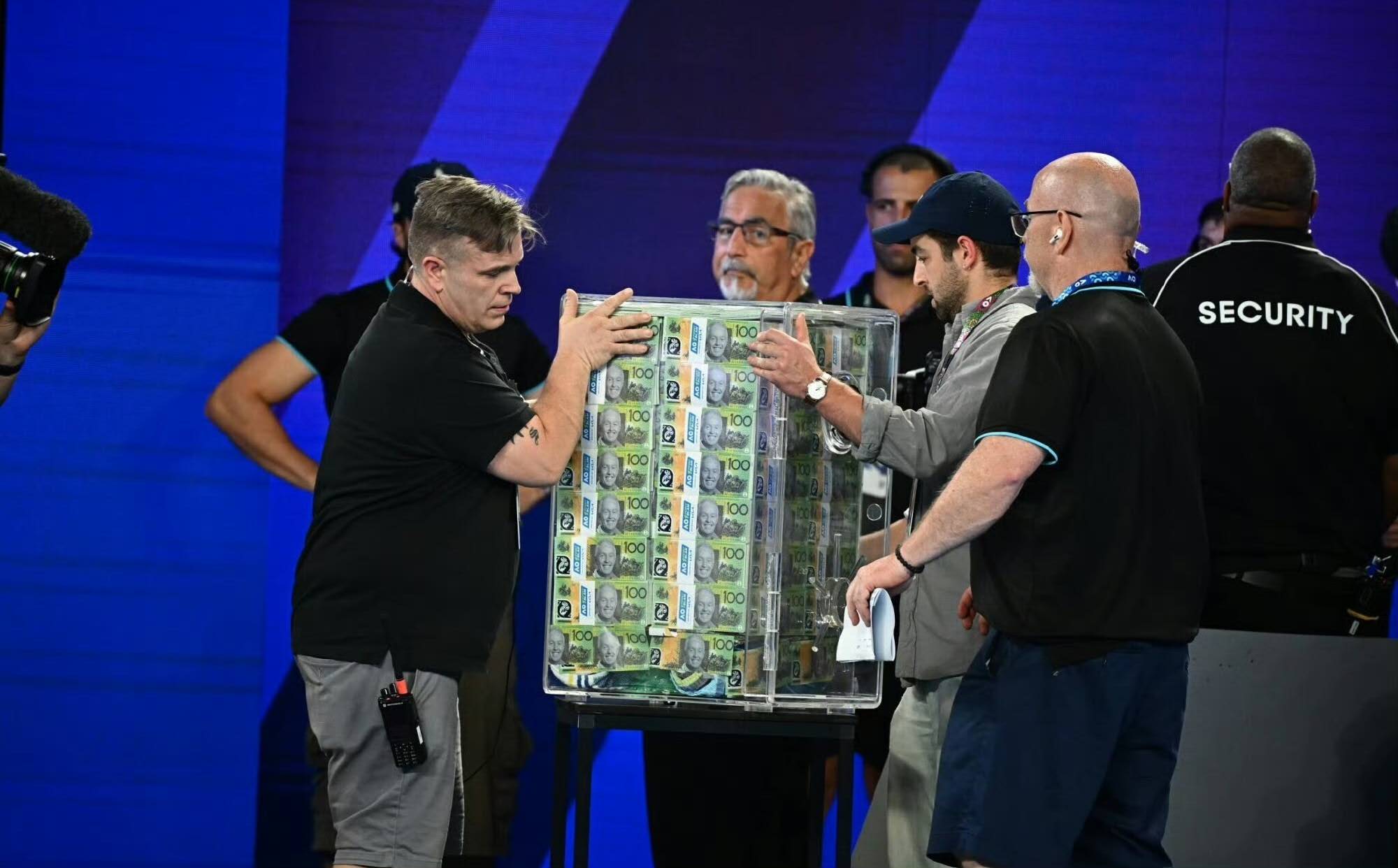
This year, the Australian Open’s “one-point-win” event adopted a groundbreaking format that entirely redefined traditional tennis rules. The core rule is extremely simple: each match is decided by just one point, with the champion needing to win five such single-point duels. The prize money for the winner is as high as one million Australian dollars. The most notable innovation in this format is how the serve order is decided — instead of the usual coin toss, it’s determined by “rock-paper-scissors.”
Additionally, the rules provide an advantage specifically for amateur players: amateurs get two serve attempts, while professionals only have one, significantly increasing the unpredictability and suspense of the matches.
This year’s “one-point-win” tournament featured 48 participants with a unique cross-disciplinary mix, including 24 professional players, 8 local state champions, 8 qualifiers, and 8 wildcards. The professional lineup was star-studded, featuring top-ranked players like Alcaraz, Sinner, Swiatek, Gauff, Medvedev, and Naomi Osaka.
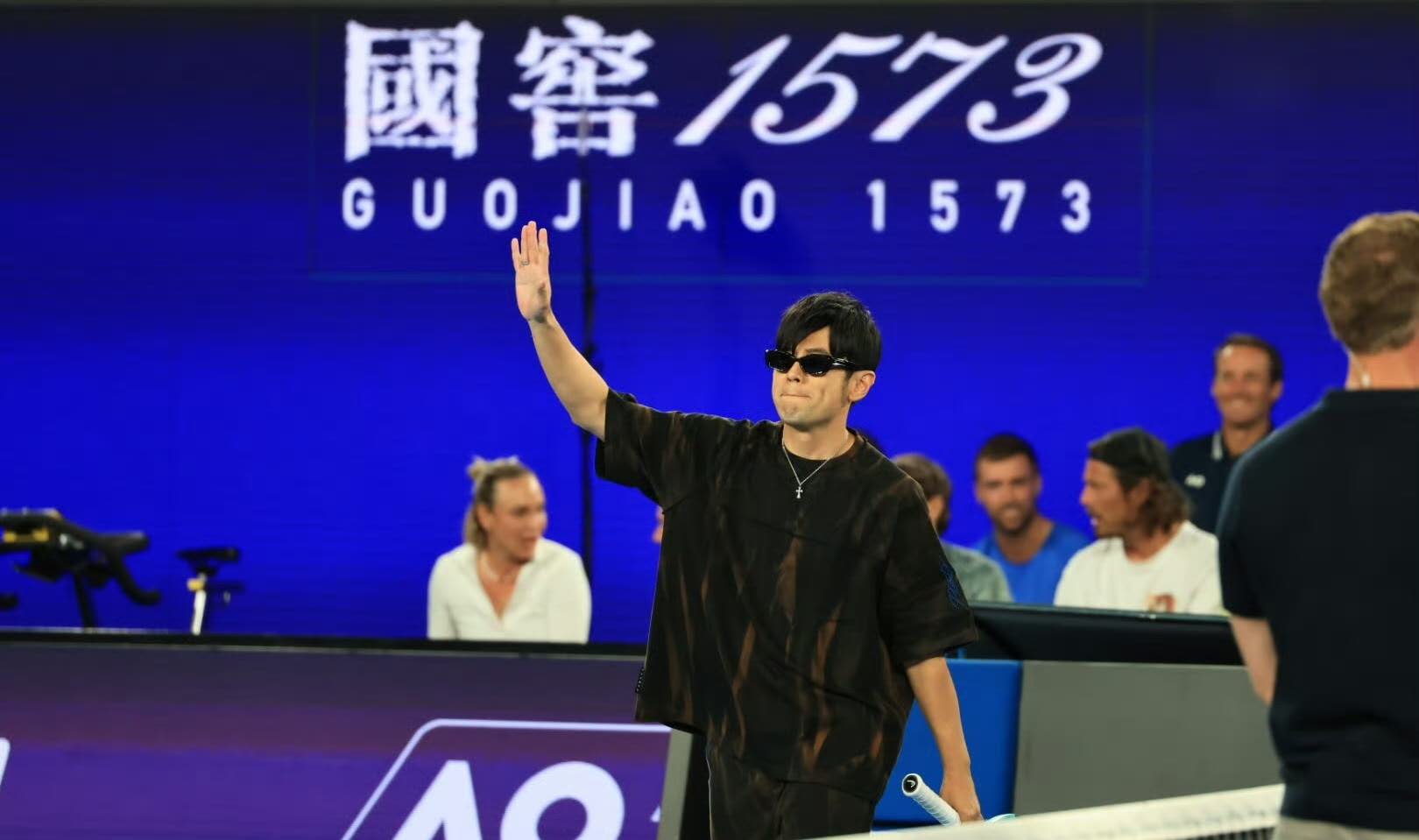
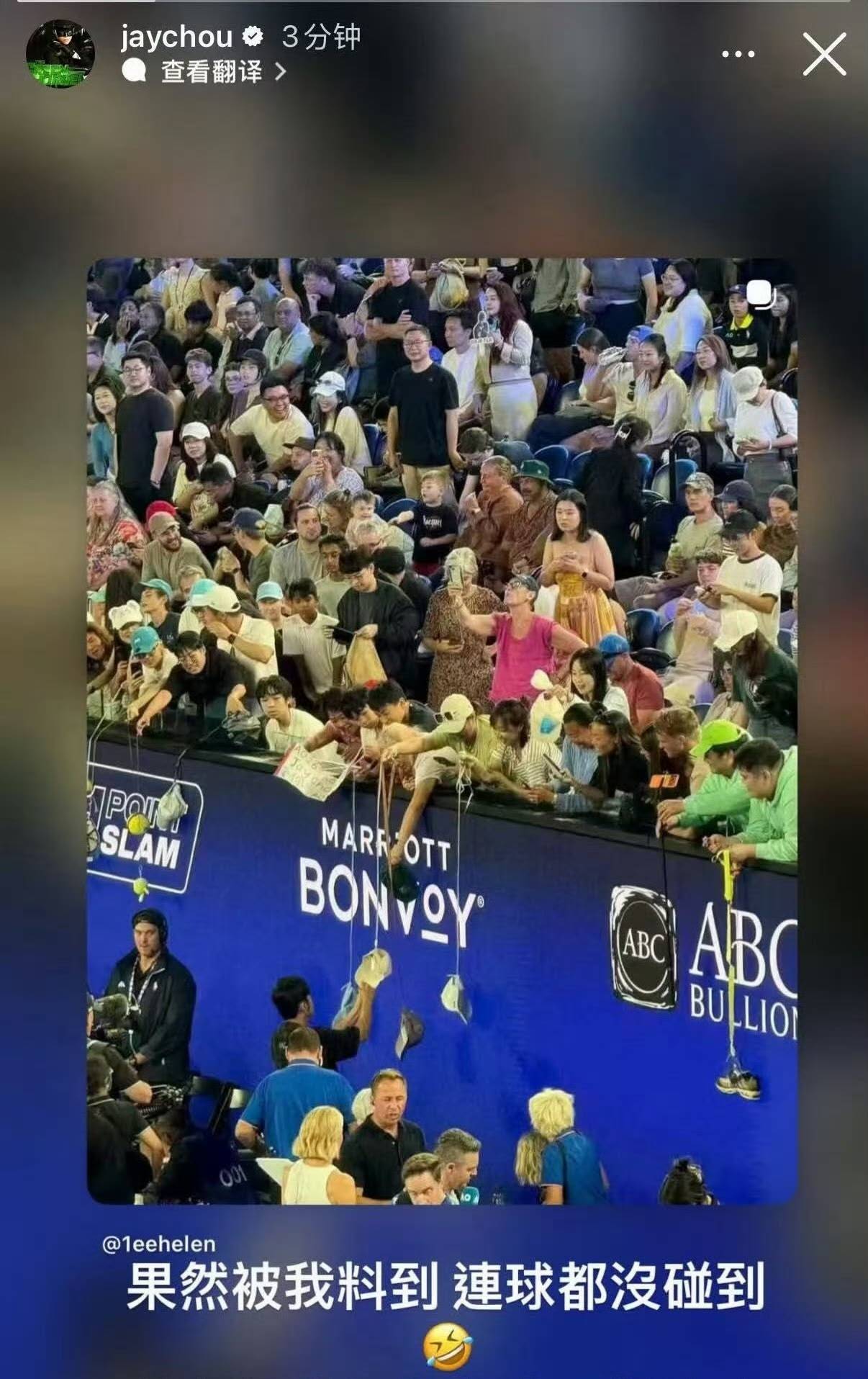
The crossover participants drew attention as well, with Mandarin pop superstar Jay Chou entering as a wildcard. His first-round opponent was Victoria’s amateur champion Peter Jovic. Before the match, Jay humorously said on social media, “I might get knocked out without even touching the ball.” This prediction came true as he was ace-served in the first round, ending his run without a single touch. Afterwards, he joked, “Just as I predicted, I didn’t even touch the ball. All I could do was sign autographs on the sidelines.”
Jordan Smith’s championship journey is one of the most remarkable comeback stories in tennis history, as the Sydney amateur displayed astonishing consistency and mental toughness from the start of the event.
In the third round, Smith faced the defending Australian Open champion and world number two, Sinner. However, Sinner’s serve failed to clear the net, resulting in his elimination. Smith then defeated last year’s US Open finalist Anisimova in the quarterfinals and overcame Martinez in the semifinals. Every match consisted of just one point, with each point being priceless.
The final between Jordan Smith and Garland was a showdown between two “dark horse” contenders. Garland’s path to the final was equally impressive, having defeated notable players such as Zverev, Kyrgios, Sakkari, and Vekic.
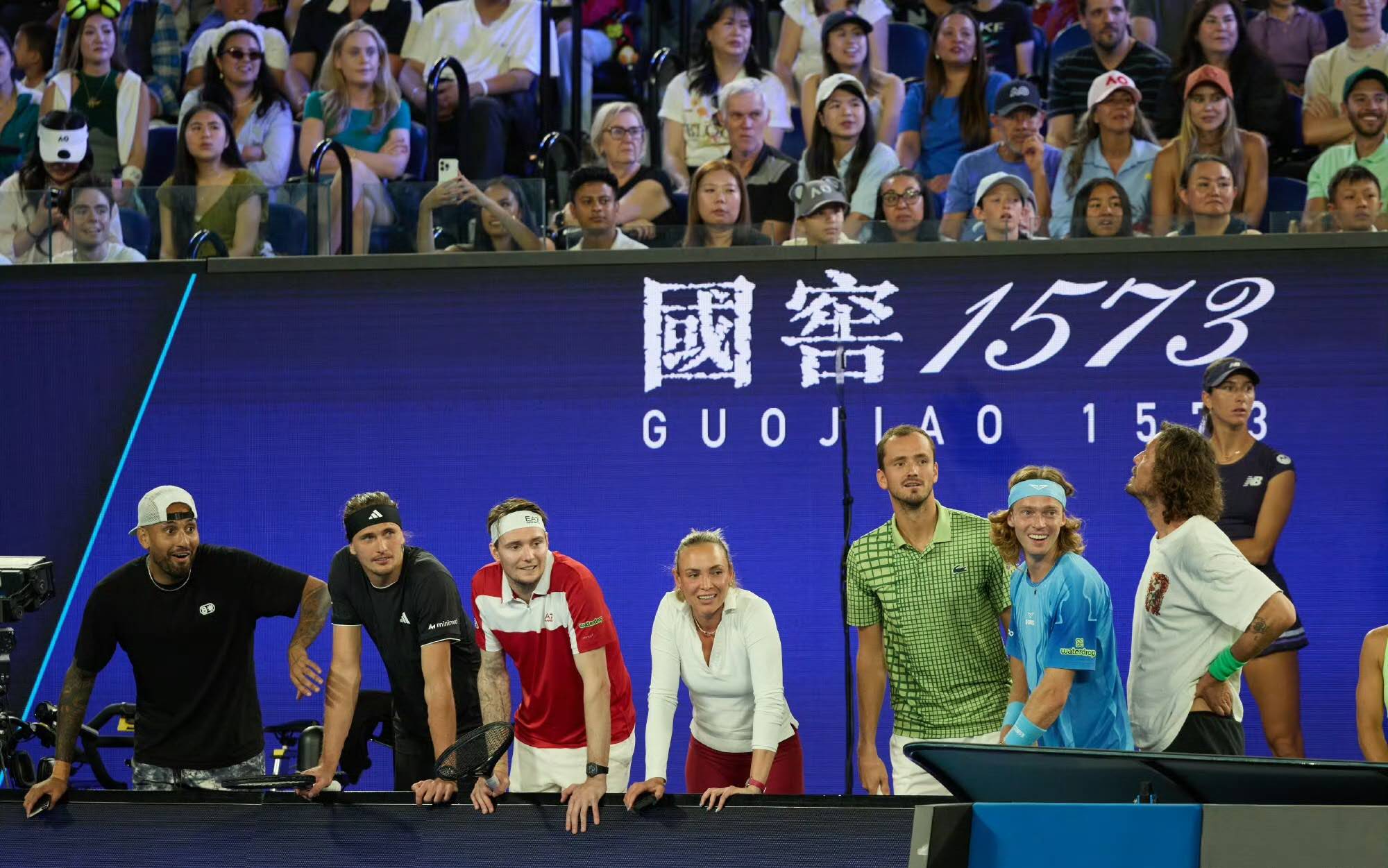
In the final, Garland’s serve veered toward the sideline, and Smith successfully returned the ball deep. Garland’s subsequent backhand volley went out of bounds, ending this million-dollar single-point duel. Smith raised his arms in celebration, not only securing a huge cash prize for himself but also earning a 50,000 AUD development fund for his tennis academy.
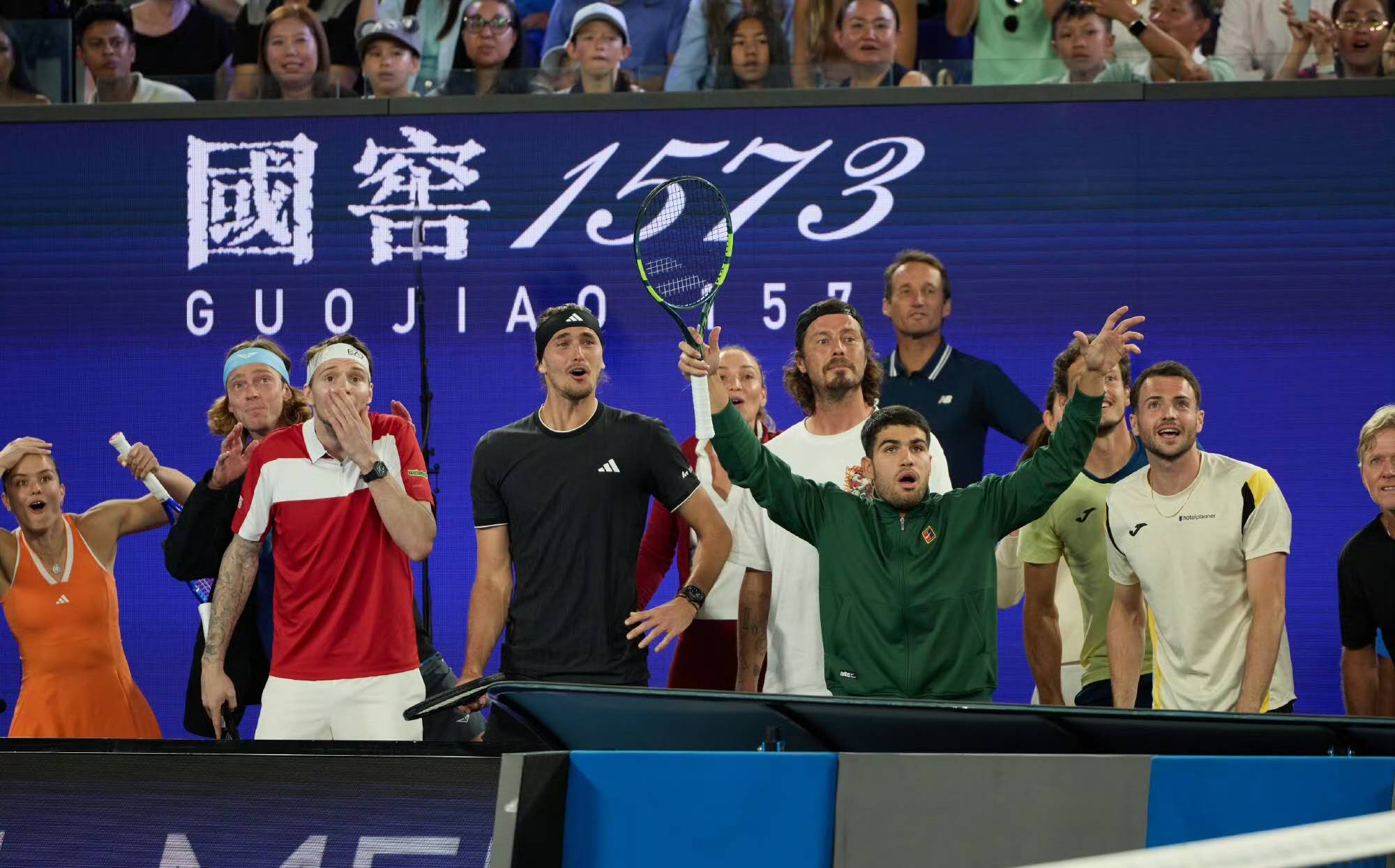
On the “one-point-win” court, many top professional players suffered unexpected defeats, highlighting the high level of chance inherent in this format. Defending champion Sinner made a critical serving error, sending the ball into the net. World number one Alcaraz was upset by Greek player Sakkari, exiting early. Gauff also lost due to a serving mistake.

After the event, Gauff posted two playful tweets about her performance in the one-point format, saying, “Since Sinner and Tiafoe both lost due to serve errors, I feel much better!” After the tournament concluded, she added, “What an exciting event! From the start, I hoped an amateur would win. Congratulations to Jordan, so cool!”

The “one-point-win” event sparked widespread debate in the tennis community, with varied opinions on this highly entertaining format.
Australian Open tournament director Craig Tiley stated, “Having top stars like Swiatek, Sinner, and Gauff compete alongside everyday Australians who advanced through state championships perfectly embodies the spirit of this event.”
Some professional players criticized the format as a “roulette,” diminishing the value of years of training and tactical skill. However, others believe this innovation helps lower the barrier to watching tennis and attracts more casual fans.
On social media, reactions to the tournament were enthusiastic. Many marveled at the amateur player’s victory, while some felt sorry for the professionals’ unexpected losses. Others called for all four Grand Slams to hold similar events, allowing amateurs and pros to compete together, combining fun with competitive spirit—a unique way to promote tennis.
So, what left the deepest impression on you from this year’s one-point-win event? Feel free to share your thoughts in the comments below.(Source: Tennis Home, Author: Lu Xiaotian)

 Links
Links
 Contact
Address:UNIT 1804 SOUTH BANK TOWER, 55 UPPER GROUND,LONDON ENGLAND SE1 9E
Number:+85259695367
E-mali:icecmxtdaf@gmail.com
 App
App


