



Why is Federer the ideal coach choice for Alcaraz? The legend provides the explanation.



Last year, the news of Alcaraz parting ways with Ferrero shook the entire tennis world. Almost immediately after the split was announced, speculation about who would take over as his head coach quickly intensified, with Federer's name soon becoming the center of discussion.
Among the many who supported this notion, Mats Wilander was particularly noteworthy. The Swedish legend believes that Alcaraz is entering a crucial phase in his career, and the right coach could elevate him to a whole new level. After years under Ferrero’s guidance, Wilander thinks Alcaraz’s next step should be partnering with another Grand Slam champion whose tennis style is completely different.
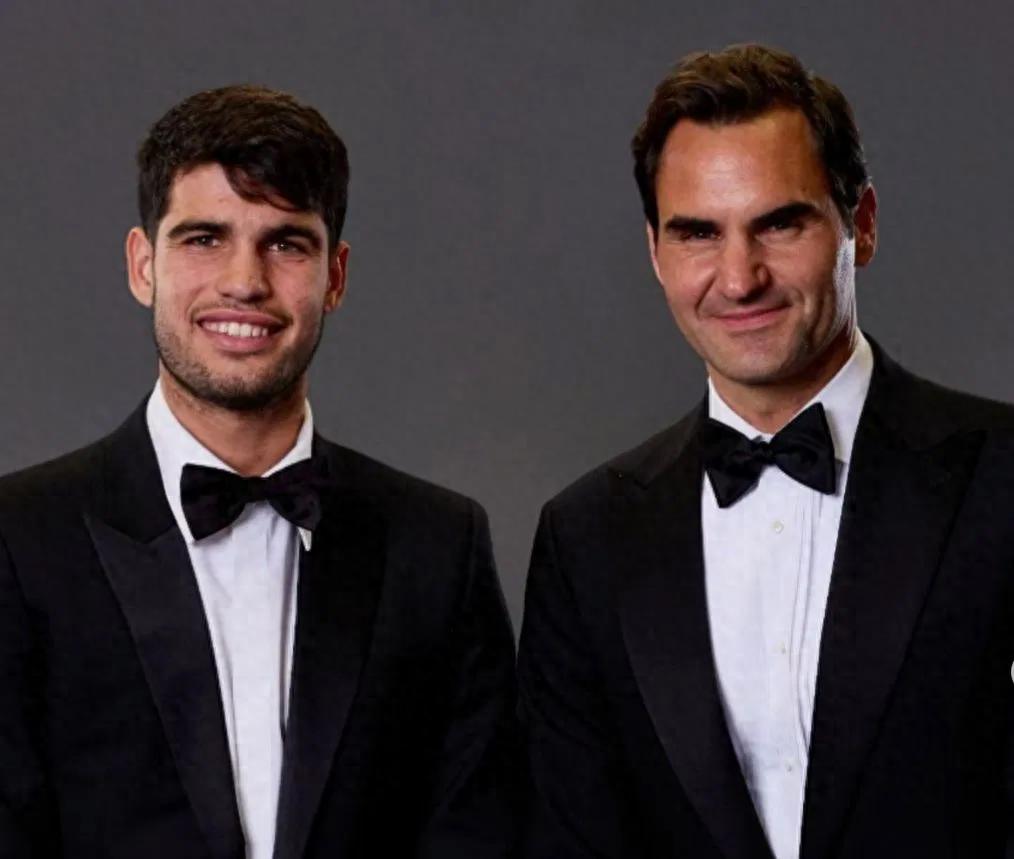
The 61-year-old Wilander recently sparked renewed discussion about Alcaraz, saying, “My first reaction was complete shock. If I’ve ever seen two people work better together than Ferrero and Carlos, I honestly don’t know who they would be.”
“They seemed like a perfect match, able to smile together and build top-level tennis side by side,” added the former Swedish star. Indeed, with Ferrero by his side, Alcaraz won six Grand Slam titles, reached world No. 1 twice, and claimed 24 career trophies — nearly achieving it all. Yet Wilander still believes this split might bring positive changes to Alcaraz’s game.
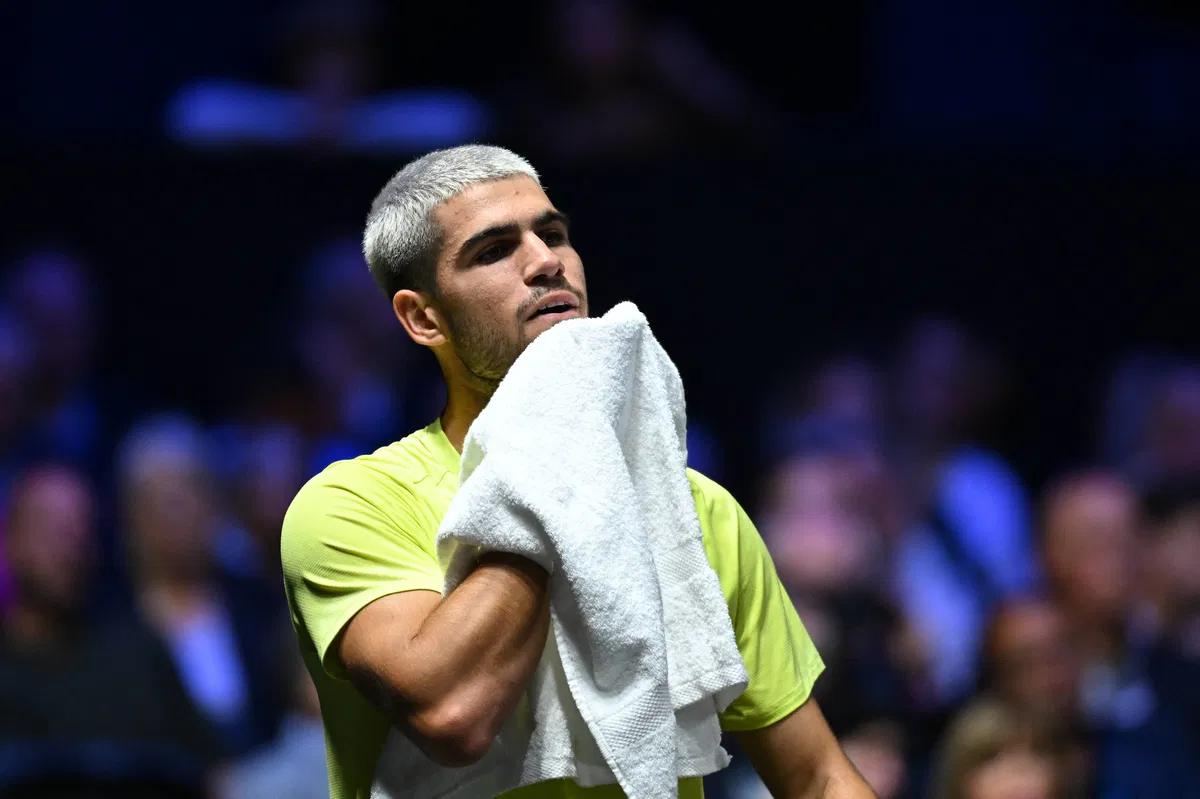
Wilander feels that staying too long under one style’s influence can eventually limit a player’s growth, which is why he doesn’t consider Murray an ideal successor. Instead, he thinks Alcaraz needs a mentor who can offer contrast — someone who excels in areas Carlos is still developing.
“I believe having a Grand Slam champion guiding you is very important, but he already has Ferrero,” Wilander said. “If you’re going to listen to another Grand Slam champion, that person should come from a completely different style.”

Wilander ruled out coaches with similar styles and pointed instead to figures known for a smoother, more aggressive, and instinctive approach. Imagine if the world No. 1 gained more threatening offensive weapons, combined with experience, authority, and a truly contrasting style. Federer’s ability to control points, enhance net instincts, and simplify the game under pressure is exactly what Wilander believes could further improve Alcaraz.
“If you put Murray and Alcaraz together, their styles share similarities,” Wilander added. “But if it’s McEnroe and Alcaraz, you immediately see a huge difference.”
“Or Edberg and Alcaraz—that’s also a clearly different style. And then, if you bring Federer in, you’re talking about someone who can truly help Alcaraz strengthen areas where he’s less comfortable.”

At the same time, Wilander doesn’t think Ferrero’s departure will slow Alcaraz down. But this leaves an open question: Is Federer really ready to coach Alcaraz now?
So far, Federer has made it clear that he does not want to return to tennis as a coach, not even for his own son. “I won’t coach my son. If they need me, I’ll be there. I like helping and am willing to support other kids, but training should be handled by someone else. When I’m with Leo, I see myself more as a mentor,” he said.
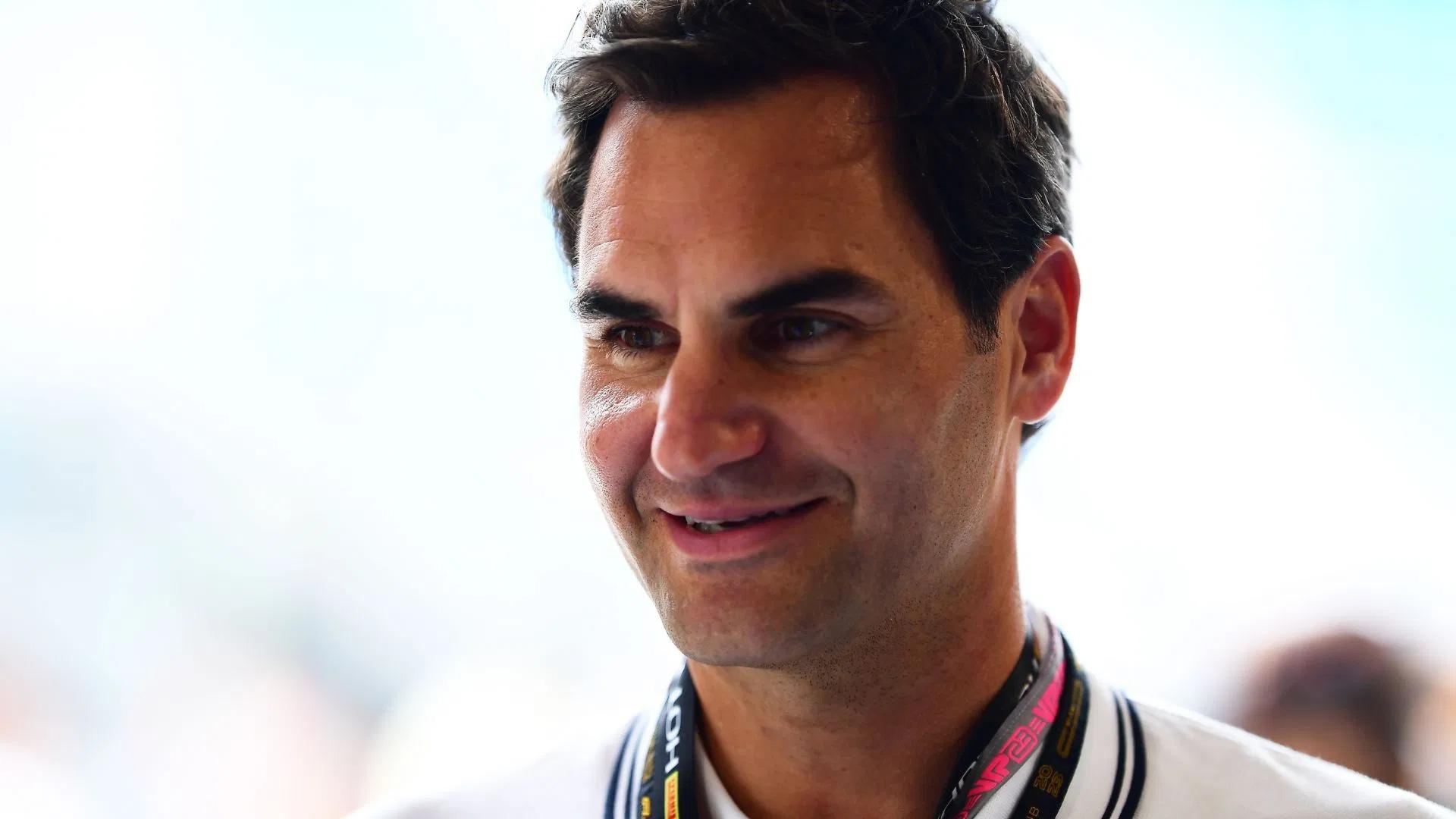
For this reason, Wilander views the idea of Federer coaching Alcaraz more as a theoretical perfect match rather than an imminent reality. Meanwhile, Alcaraz is training with Samuel Lopez at the Australian Open, chasing a potentially historic breakthrough — the missing Australian Open Grand Slam trophy. If he claims it, Carlos will move closer to tennis immortality. Should he lift the trophy, the 22-year-old Spaniard will become the youngest player ever to complete a career Grand Slam.
So far, Melbourne has been the Grand Slam venue Alcaraz has yet to fully conquer. He has never reached the semifinals there and last year was stopped by an injured Novak Djokovic. However, the situation is now different — arriving as world No. 1 and the second-youngest six-time Grand Slam champion in history, expectations have naturally soared.(Source: Tennis Home, Author: Spark)

 Links
Links
 Contact
Address:UNIT 1804 SOUTH BANK TOWER, 55 UPPER GROUND,LONDON ENGLAND SE1 9E
Number:+85259695367
E-mali:icecmxtdaf@gmail.com
 App
App


