



Is the fifth Grand Slam in tennis coming? This decision could reshape the entire history of the sport.



Throughout the last year, intense discussions about the congested tennis calendar have dominated the scene. Before the 2025 season kicked off, Alcaraz reignited the conversation by cautioning, "Someday, they will exhaust us somehow." His words struck a chord within the tennis community, with ATP and WTA athletes voicing comparable worries. Now, amid this ongoing unease, a bold new question emerges: what if tennis added a fifth Grand Slam?
This idea was revived after the president of the Italian Tennis Federation, Binaghi, reiterated his call for Italy to host a Grand Slam event—an initiative that could fundamentally transform the sport. The longtime leader of the Italian federation shared his views in an interview with the Italian newspaper Il Messaggero, advocating seriously for the establishment of a fifth Grand Slam.
According to Binaghi, Italy is ready to host such a tournament. He believes Rome—the venue of the Italian Open—is the most natural choice. However, he emphasized that government backing is crucial, stating, "Only when the government invests in tennis’s potential will hosting a Grand Slam in Italy become possible."
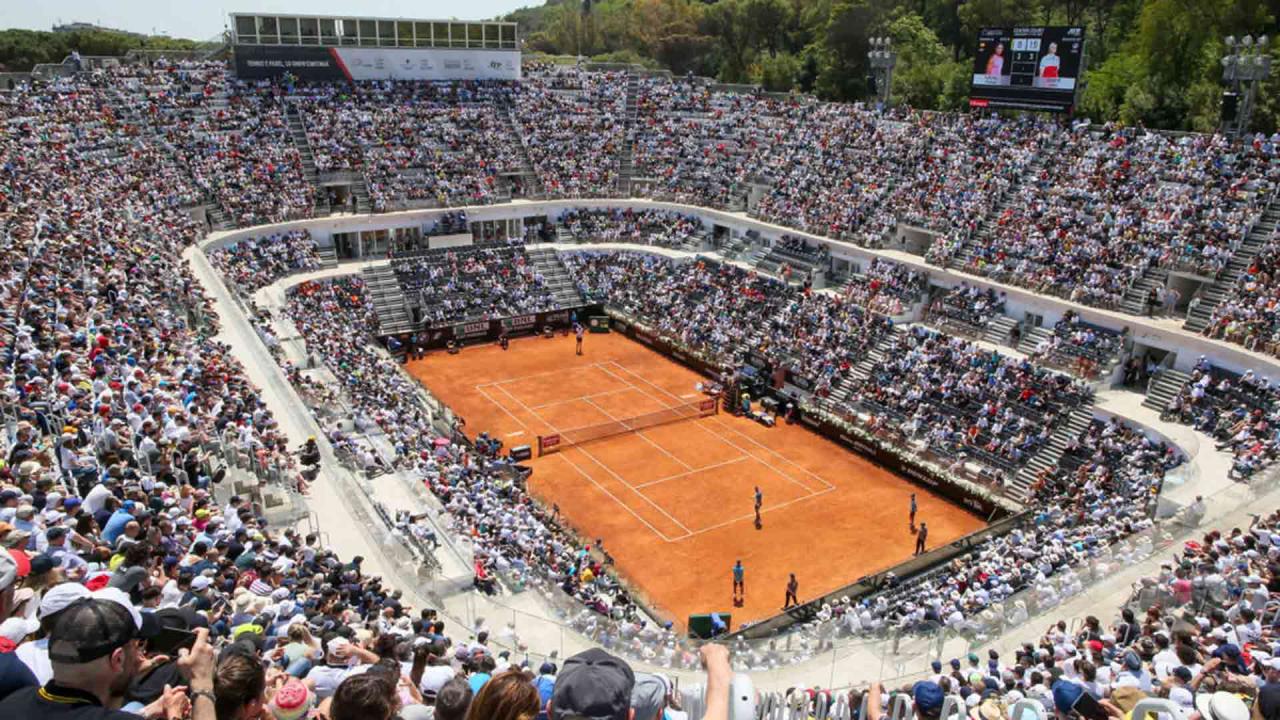
Binaghi also highlighted Italy’s growing influence in the global tennis scene. He recalled a conversation with a senior government official: "Economic Minister Giorgetti told me that at global financial meetings, people congratulate him on having Sinner and Italian tennis even before greeting him."
His remarks come at a time of significant structural change in tennis. In recent years, the sport has aggressively expanded into new markets, with one of the key players being Saudi Arabia’s Public Investment Fund (PIF). PIF has partnered with both the ATP and WTA tours and previously hosted the ATP Next Gen Finals. Riyadh is now the venue for the WTA Finals, and ATP has confirmed further plans: from 2028, Saudi Arabia will host a week-long ATP 1000 Masters event.
Currently, the ATP Masters 1000 events outside the Grand Slams include Indian Wells, Miami, Monte Carlo, Madrid, Rome, Toronto or Montreal, Cincinnati, Shanghai, and Paris—tournaments considered just below the four Grand Slams in prestige.
However, Binaghi believes Italy offers more than just funding or a new market. He directly pointed to the crucial factor of fan engagement. "I’ve spent my whole life in Rome. Look at the Next Gen Finals: in Milan, the arena is always packed; in Jeddah, the stands are empty," he said.
In his view, attendance reflects tradition and passion. Rome already possesses the atmosphere of a Grand Slam. He also stressed the significant economic benefits tennis brings to Italy, citing figures that demonstrate the event’s value: "Look at the Italian Open’s impact on the local economy: last year it was €895 million, and this year it’s expected to reach €1 billion."
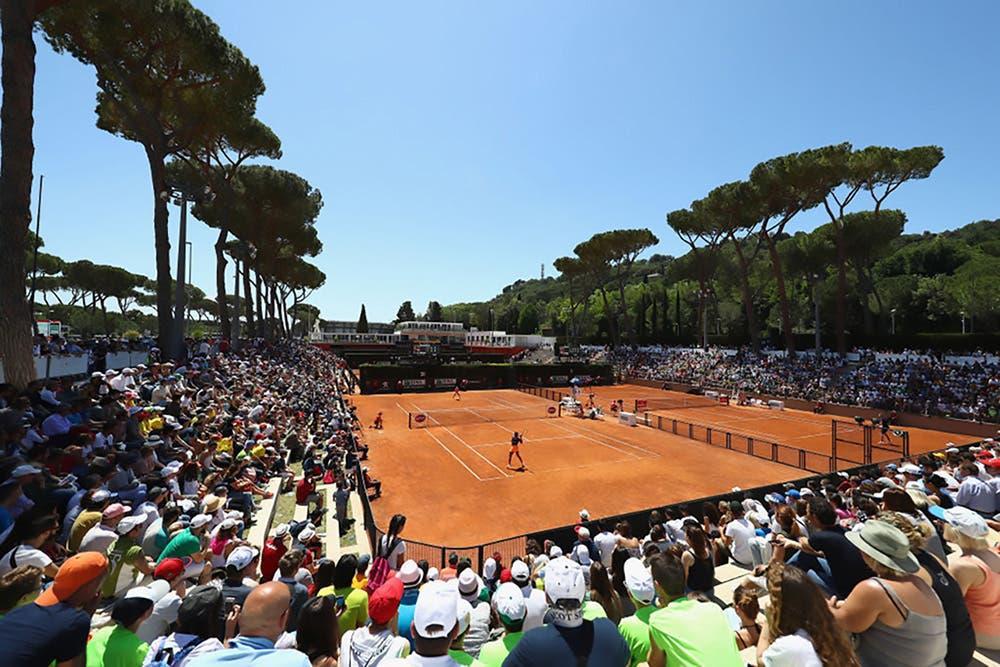
He then compared Masters events to Grand Slams: "The ratio between Masters and Grand Slams is 1 to 4. This means the potential economic impact is about €4 billion, with additional tax revenue around €600 million."
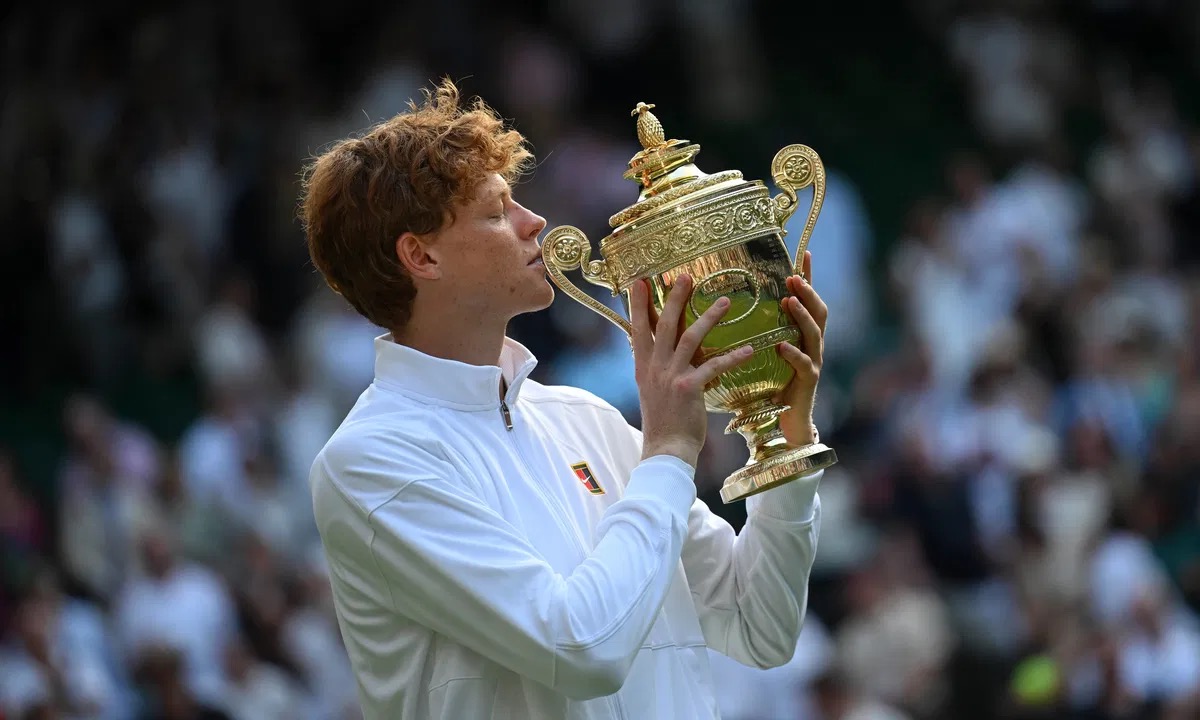
Italy’s recent tennis boom further supports his argument. Over the past decade, the country has produced top players. Berrettini reached the Wimbledon final, Lorenzo Musetti has steadily become a consistent contender, and on the women’s side, Paolini has made breakthrough progress. Most importantly, Italy now has Sinner, whose success has completely transformed the image of Italian tennis, bringing unprecedented attention. Packed stadiums, strong TV ratings, and eager sponsors have followed. Binaghi believes this momentum deserves to be rewarded.
This is not the first time he has raised the issue. During last year’s Italian Open, he openly challenged tennis traditions: "In other areas of society, where else does a monopoly last over a hundred years?" He then added sharply, "Why are there always only four (Grand Slams), and why are they always the same four? This is absolutely unfair and detrimental to tennis’s growth." His stance remains consistent.
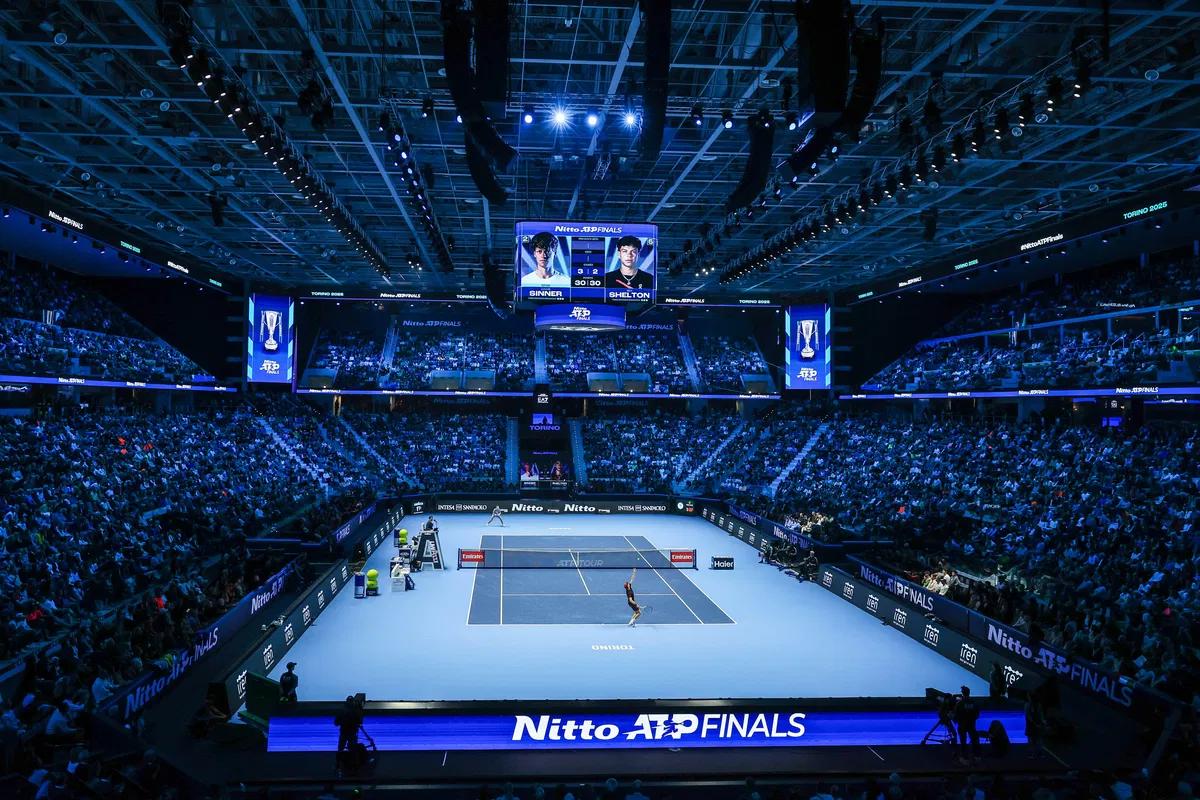
Italy’s ambitions go beyond just hosting a Grand Slam. In February last year, reports emerged that Italian tennis officials had made a bold bid to acquire the Madrid Open, currently owned by IMG. According to La Stampa, IMG received an offer of about $585 million. Italy reportedly aims to extend the Rome Masters to a two-week event. Currently, only Grand Slams last two weeks. If Rome’s schedule expands, it would approach Grand Slam status. Some see this as potentially creating an "unofficial fifth Grand Slam."
However, strong opposition remains. Imagine a "five Grand Slam era" where a player wins 30 majors—how would that compare to Serena Williams’s 23? Would an asterisk be necessary? The GOAT (Greatest of All Time) debate is already complex, and cross-era comparisons are difficult. In the 1960s, many players were barred from Grand Slams. Adding another Slam would only complicate matters further.
There is also the concept of the "Calendar Grand Slam"—only five players in history have achieved it, the most recent being Graf in 1988. In the Open Era, very few players have won five or more consecutive Grand Slams: Margaret Court did so from 1969 to 1971; Navratilova in 1983 and 1984; and Graf again from 1988 to 1989.
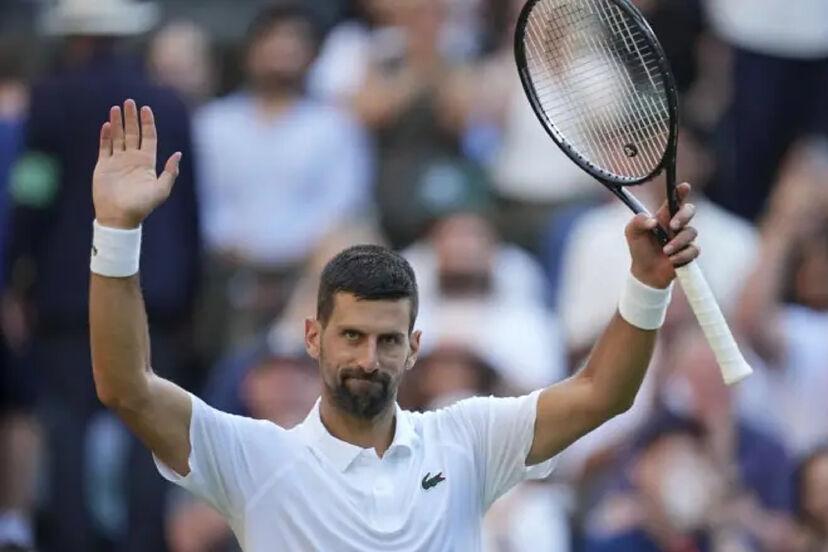
Completing a Grand Slam is considered one of the most difficult feats in sports. Adding another Slam would make it nearly impossible. Legendary statuses would be questioned: do Federer, Nadal, and Djokovic still hold "career Grand Slams"? How would Agassi’s achievements be defined? Rod Laver’s historic "double Grand Slam" in 1962 and 1969 would also become harder to interpret, potentially fracturing tennis history.
Scheduling might be the most practical and challenging issue. Today’s tennis calendar is already overloaded, with players competing almost year-round. A Grand Slam requires two weeks, but there are hardly any clear two-week gaps in the schedule. Adding one would inevitably cause major adjustments. Even upgrading an existing event would trigger a domino effect, forcing other tournaments to be cut back and increasing players’ burdens.
This is the heart of the problem—players have been voicing concerns for years. The debate peaked before the 2025 season, with ATP and WTA players expressing worries. More injuries, less recovery time, and mandatory participation rules reduce flexibility. Sabalenka recently spoke about this after winning in Brisbane. Asked if the schedule should be eased, she candidly said, "This season is really crazy, it’s bad for all of us. The mandatory participation rules are very tough. I’m still skipping some tournaments to protect my body because I really struggled last season."
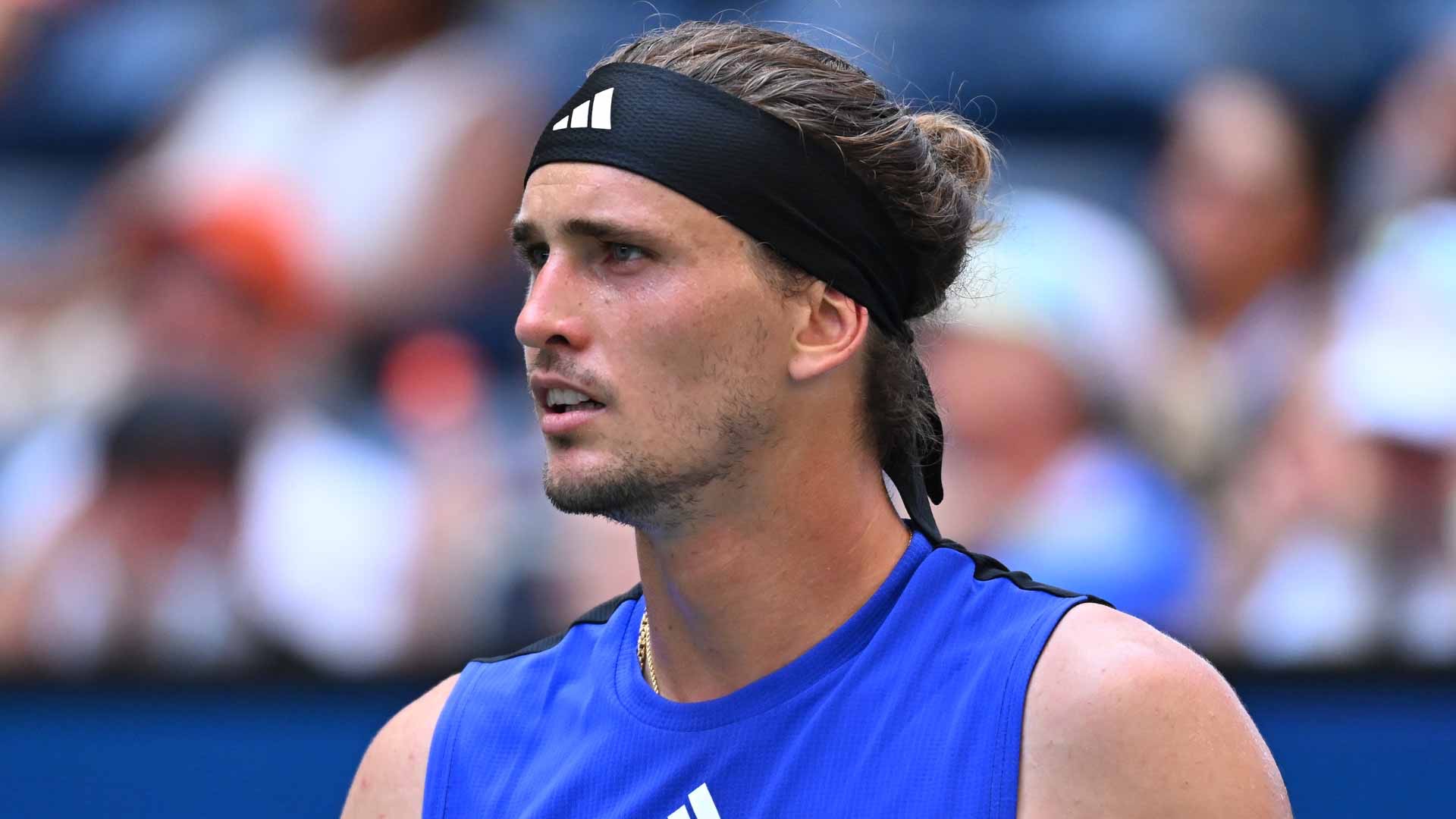
Zverev directly pointed to increasing schedule pressure: "Now ATP requires you to play four mandatory 500-level events, and unless you skip majors, it’s hard to play fewer than 20 tournaments a year."
With these issues unresolved, the idea of a fifth Grand Slam seems overwhelming to many. Tradition, records, scheduling, and player health are formidable barriers. Yet supporters argue tennis must evolve—growth brings opportunities, and new markets can attract new fans.
Currently, the debate continues, and tennis stands at a crossroads. The question remains unanswered: does the sport truly need a fifth Grand Slam?(Source: Tennis Home, Author: Spark)

 Links
Links
 Contact
Address:UNIT 1804 SOUTH BANK TOWER, 55 UPPER GROUND,LONDON ENGLAND SE1 9E
Number:+85259695367
E-mali:icecmxtdaf@gmail.com
 App
App


