



A Comprehensive Review and In-depth Comparison of Djokovic’s “Zero Warm-up” Performances at the Australian Open Over the Years



Djokovic indeed has a glorious history of arriving at the Australian Open with “zero warm-up” and winning the title, which is why even if he withdraws, many still consider him a strong contender for the championship. However, the biggest variables between “historical achievements” and the “current situation” are age and physical condition.
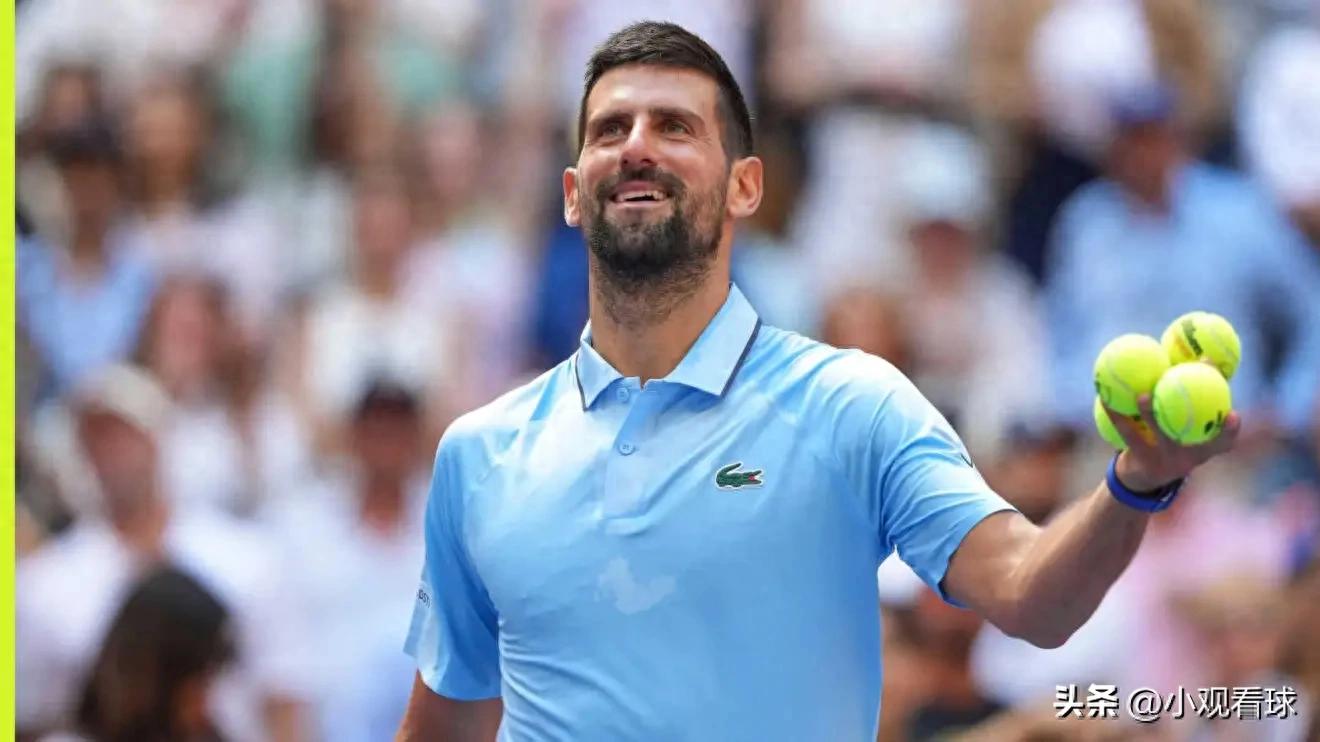
Below is a detailed review and comparison of Djokovic’s “zero warm-up” participations at the Australian Open over the years:
Glorious Past: “Zero Warm-up” Was Once His Secret Weapon
In Djokovic’s professional career, there were four famous instances where he arrived at the Australian Open with “zero warm-up” and ultimately won the championship, all before he turned 30.
1. 2011 Australian Open (Age 23): Champion
- Background: At that time, he was at the first peak of his career, with outstanding physical condition.
- Process: He arrived directly without any warm-up matches, winning all 7 matches without dropping a set (including the final against Murray), beginning his domination in Melbourne. The top seeds from 1 to 5 were Nadal, Federer, Djokovic, Söderling, and Murray respectively.
2. 2012 Australian Open (Age 24): Champion
- Background: That year, he originally planned to play in Doha but withdrew after feeling fatigued upon arrival and went straight to Melbourne to rest.
- Process: Despite no match warm-up, he fought through the tournament, defeating Murray in a five-set semifinal and Nadal in a five-set final to claim the title.
3. 2020 Australian Open (Age 32): Champion
- Background: After a low period in 2017-2018 due to elbow surgery, he won consecutive Australian Open titles in 2019 and 2020.
- Process: He defeated Federer in the semifinals and won a five-set battle against Thiem in the final to secure the championship.
4. 2021 Australian Open (Age 33): Champion
Background: With three previous “zero warm-up” Australian Open wins, arriving in Melbourne without warm-up seemed to become Djokovic’s routine.
Process: He defeated Russian dark horse Karatsev in straight sets in the semifinals, then beat Medvedev in straight sets in the final to win the title.
Conclusion: Before turning 33, Djokovic possessed an incredibly fearsome “plug-and-play” ability; his physical recovery speed and match instincts allowed him to skip warm-up tournaments.
Harsh Reality: The Risks of “Zero Warm-up” at Age 38
The current situation is fundamentally different from the above cases. While he was between 23 and 31 (his physical prime), now at 38 and a half, Djokovic is considered a veteran in tennis.
2024 Australian Open (Age 36), Semifinals
Australian Open Pre-tournament Warm-up (United Cup)
January 2: Defeated Czech player Lehecka but experienced discomfort in his right wrist during the match.
January 3: Lost 6-4, 6-4 to Deminarl, ending his United Cup run; this was his first loss in Australia in over six years, having previously maintained a 43-match winning streak there.
At the Australian Open, he beat Fritz in the quarterfinals but lost to Sinner in the semifinals.
2025 Australian Open (Age 37), Semifinals
He had a two-month break during the off-season and missed the 2024 ATP Finals due to a shoulder injury.
Due to the unresolved shoulder injury, he withdrew from the Adelaide tournament and chose to arrive at the Australian Open with zero warm-up.
Quarterfinals:Won 4-6, 6-4, 6-3, 6-4 against Alcaraz (Spain, 2nd seed), but suffered a left hamstring injury.
Semifinals:Against Zverev (Germany, 2nd seed), after losing the first set tiebreak 5-7, he retired due to a hamstring tear and missed the final.
Opponent and Environment Analysis: Earlier opponents (Murray, Federer, Nadal) were strong but did not form a “pack hunting” strategy against him, and they were generally peers in age (Federer is 6 years older).
Current main rivals Alcaraz and Sinner are in their prime. Especially Sinner (the defending Australian Open champion) has overwhelming stamina and power. The age gap is 14-16 years. Other key opponents born after 1995 also have an age difference of about 10 years.
Difference in Match Pace: The pace of tennis back then was relatively slower than now, giving Djokovic time to find his rhythm during matches. Nowadays, young players start aggressively from the first shots; if he starts slow, he might not even get a chance to adjust.
Why Are Experts and Fans So Concerned This Time?
According to sports medicine expert Stephen Smith and Djokovic’s recent performances, there is a paradox in this “zero warm-up” attempt:
1. Risk of “Rustiness”: At 38 years old, after two months without competition, his “match fitness” declines much faster than younger players. Reaction speed and explosive movement usually require one or two matches to revive.
2. Injury Risk: Djokovic’s body is like a precise but aging machine. Without “low-intensity conditioning” from warm-up matches, facing a “bulldozer” like Alcaraz directly at the Australian Open exponentially increases the chance of injury.
3. Psychological Impact: In 2025, his lack of warm-up led to a hamstring rupture in the crucial match against Alcaraz. The psychological shadow of repeating “zero warm-up” cannot be ignored.
Djokovic’s historical record with “zero warm-up” is a 100% championship rate (referring to the main cases above), which gives him confidence. However, the 2026 Australian Open will be the toughest “bare-run” of his career. If he can win again, it will surpass all his previous achievements and become one of the greatest miracles in sports history regarding willpower and veteran vitality. But from a rational perspective, the red light is definitely on.
Can Djokovic Create Another Miracle at the 2026 Australian Open?
……
[Come see me][Give yourself a flower][Bow]

 Links
Links
 Contact
Address:UNIT 1804 SOUTH BANK TOWER, 55 UPPER GROUND,LONDON ENGLAND SE1 9E
Number:+85259695367
E-mali:icecmxtdaf@gmail.com
 App
App


