



Sabalenka aims for revenge with another gender battle: a new format to boost excitement



Since the announcement of the “gender battle” between Sabalenka and Kyrgios, doubts have continuously surfaced. Sabalenka’s loss was somewhat expected given the physical differences, yet it still sparked unfair criticism towards women’s tennis. Now, with the new season approaching, the Belarusian star is choosing to flip the script, embracing the attention, and openly calling for a rematch with Kyrgios.
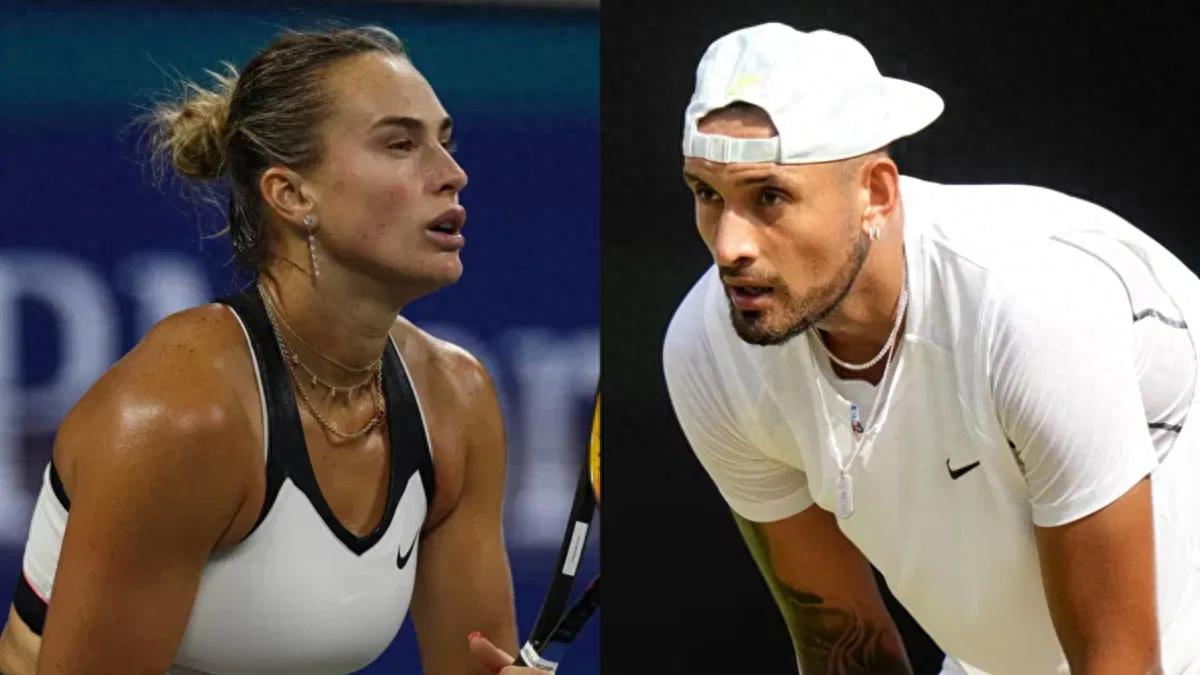
Before officially starting her 2026 season at the WTA 500 Brisbane event, Sabalenka clearly expressed her willingness to face Kyrgios again: “Well, I definitely think I’ll come back for another round. I enjoy revenge and don’t like leaving things unresolved.”
The world number one also admitted that the initial match format was tougher than she had anticipated. She explained that some rules caught her off guard, “because before the match, I didn’t realize I also needed to adjust, which was a bit tricky for me.”
Rather than showing frustration, Sabalenka focused on how to improve. She believes that if there is a rematch, the format should be different. She accepted the court size used in Dubai but felt that the serving restrictions had too much influence on the match outcome.
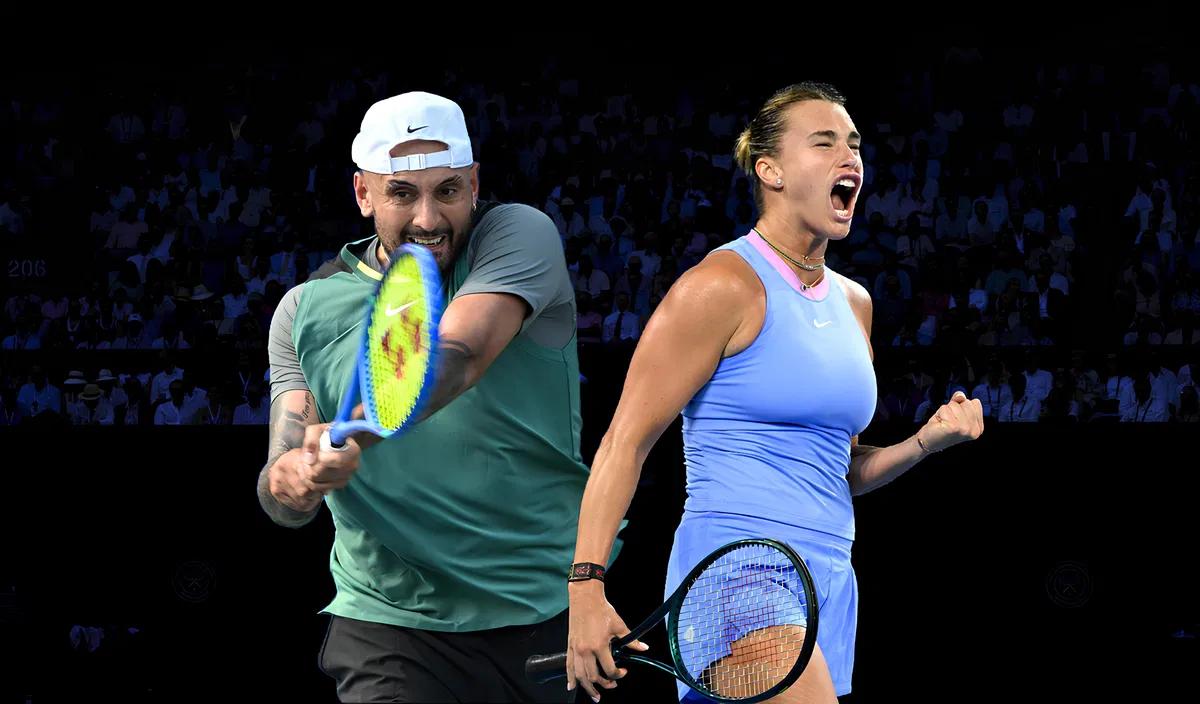
Sabalenka hopes to avenge her loss in the “gender battle” against Kyrgios, saying, “For the next match, we will come up with a different format. I think Nick can keep using the full court, but I could have two serves. I believe this could somewhat level the playing field.”
She views this defeat as part of her growth: “As I always say, you’re not losing, you’re learning. I gained a lot from this match.” At the same time, she mentioned personal insights: “Now, I have a deeper understanding of Nick as both a player and a person.”
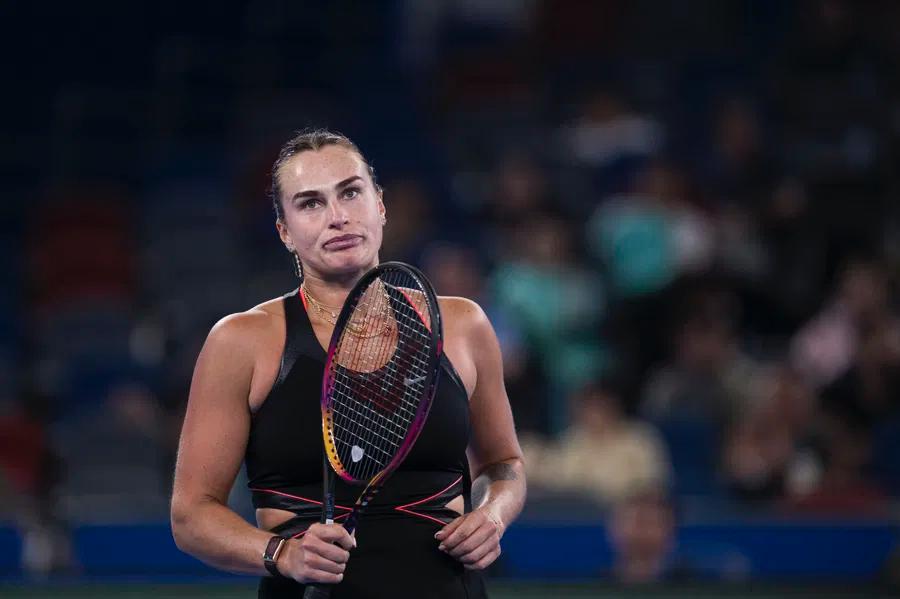
The match itself featured clear handicap rules. Sabalenka’s side of the court was reduced by about 9% in both length and width, and each player was allowed only one serve per point. These rules aimed to narrow the physical gap between ATP and WTA players.
Despite this, Kyrgios controlled most of the match’s rhythm. Sabalenka once led 3-1 in the second set, offering hope, but Kyrgios quickly responded by winning five consecutive games, ending the match in about 75 minutes. Afterward, both players showed mutual respect. Kyrgios called Sabalenka “an extremely strong competitor,” while Sabalenka said she enjoyed making her opponent “nervous” during critical points. This interaction reflected their mutual admiration.
This exhibition match sparked widespread discussion in the tennis world. Billie Jean King distinguished the historic 1973 match from the Dubai exhibition. However, Sabalenka felt the criticism was unnecessary. She stood by the value of the experience and shared her honest thoughts clearly and confidently.
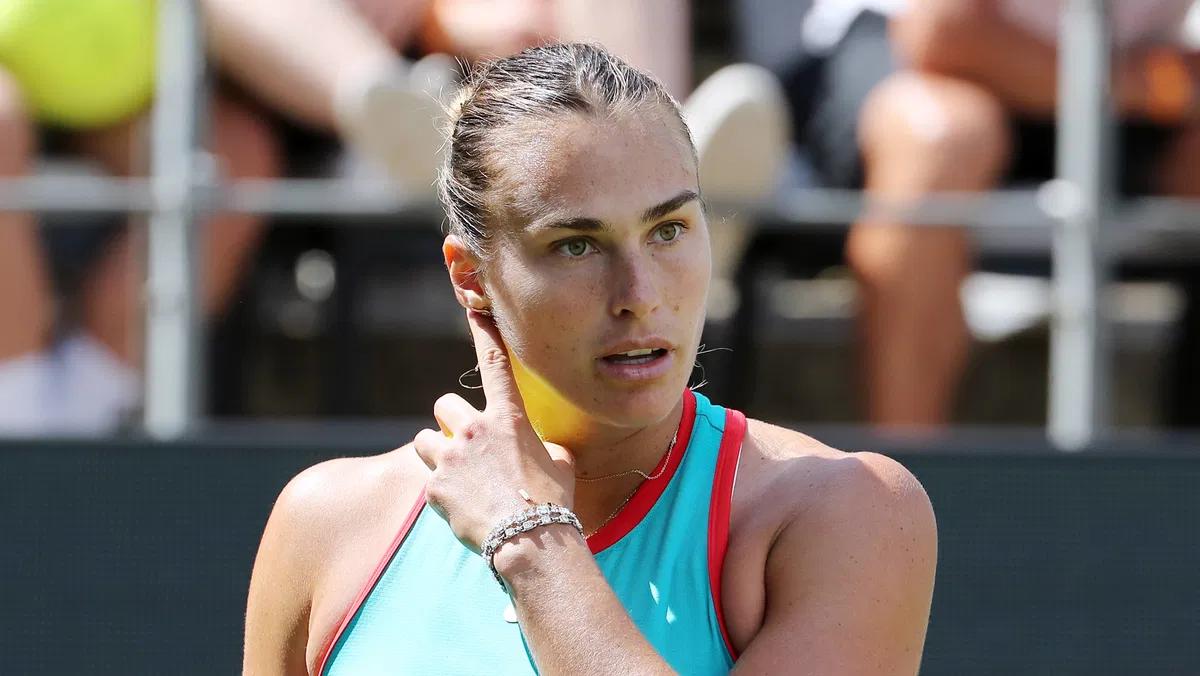
The “gender battle” between Sabalenka and Kyrgios brought significant global attention to tennis. Recently, the sport’s visibility had declined, and this exhibition, held during a tournament lull, generated buzz for tennis.
The match itself was brief and somewhat uneventful, unlikely to be remembered as a classic battle. However, it did spark enough conversation to get more people talking about tennis again. Some even used the event as a platform to push unrelated agendas. Nevertheless, tennis has long been a leader in gender equality, with equal pay for men and women well established, and the sport continues to set standards.
Still, some critics constructed narratives unrelated to the actual event. In truth, this exhibition was meant as light entertainment during the Christmas week when no live tennis tournaments were taking place.
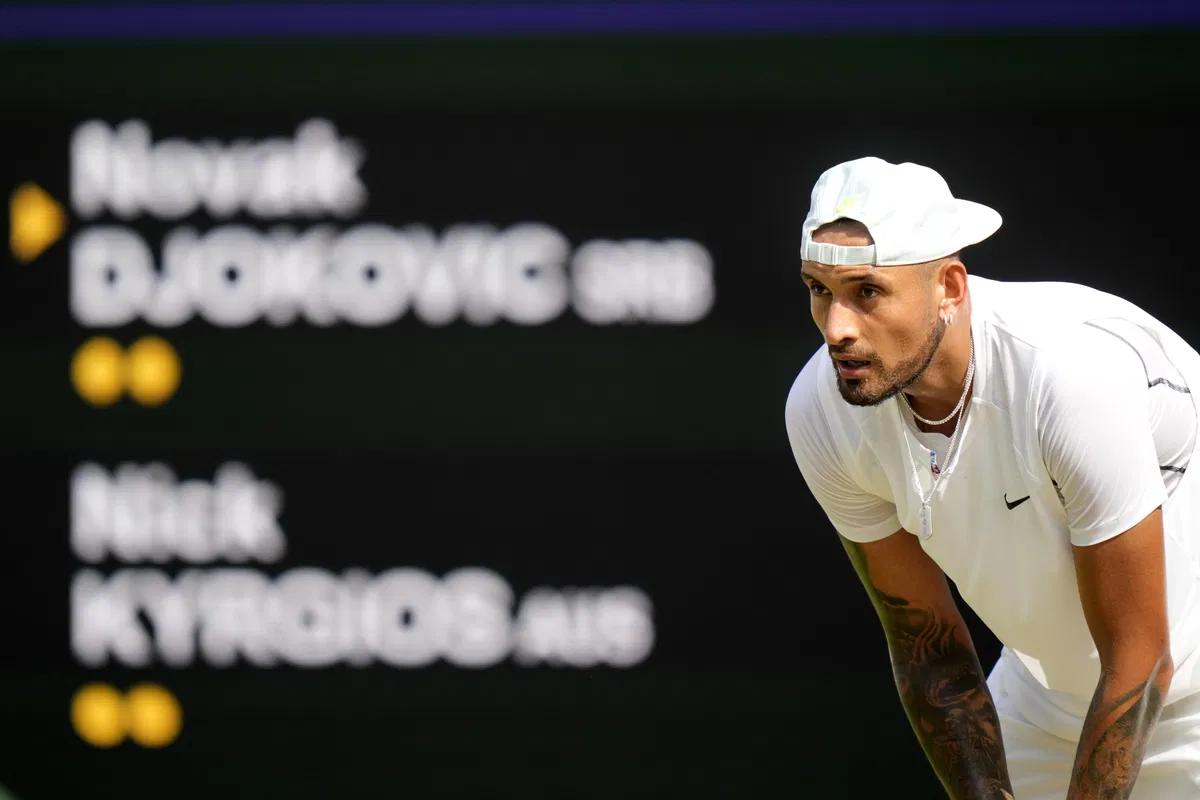
After the match, Sabalenka confronted these doubts directly: “Honestly, I really don’t understand how people find negativity in this event.” She expressed surprise at the negative emotions surrounding what was supposed to be a fun and relaxed match.
She emphasized her level of play. “I think, from the WTA perspective, I showed... I mean, I played very good tennis. It was an entertaining match. Yes, he won, but I also demonstrated high-quality tennis.” Sabalenka also highlighted the competitiveness, “It wasn’t 6-0, 6-0. It was a fierce contest, very watchable, and it attracted more attention to tennis.”
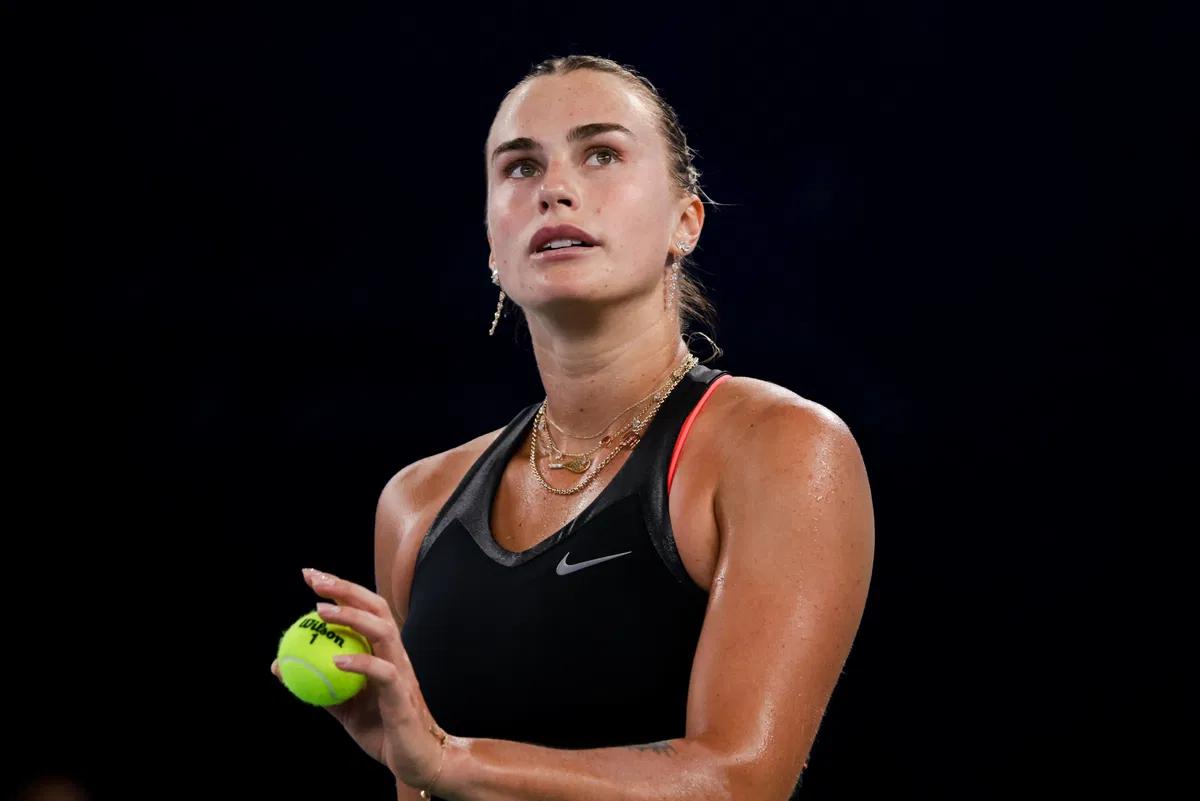
The exhibition also caught the attention of many prominent figures. “Legends were watching this match, and many very important people sent me messages wishing me well and telling me they would follow the match from various fields,” she said.
She further stressed the broader significance of the event: “I feel like we just brought more attention to the sport. I don’t see how that can be a bad thing or be talked about negatively.”
Sabalenka added that the match showcased another side of tennis: “The idea itself was to help our sport grow, to show tennis from different perspectives — to let people see that tennis events can be more fun, more entertaining, and even be made into grand occasions almost as important as the Grand Slams.”
Looking ahead, one question remains: if another “gender battle” happens, will it bring truly meaningful change to tennis, or will it remain just an entertaining show for fans and TV viewers?(Source: Tennis Home, Author: Spark)

 Links
Links
 Contact
Address:UNIT 1804 SOUTH BANK TOWER, 55 UPPER GROUND,LONDON ENGLAND SE1 9E
Number:+85259695367
E-mali:icecmxtdaf@gmail.com
 App
App


