



Tennis legend bluntly states: Between Zverev and a Grand Slam title lies the "determination to change"



The Vice President of the Russian Tennis Federation, former world No. 1, and two-time Grand Slam champion Kafelnikov recently gave a candid assessment of German star Zverev’s future. In his view, the 28-year-old still has a chance to claim his first Grand Slam title, but only if he undergoes a fundamental transformation—an expectation that also applies to other top players like Medvedev.
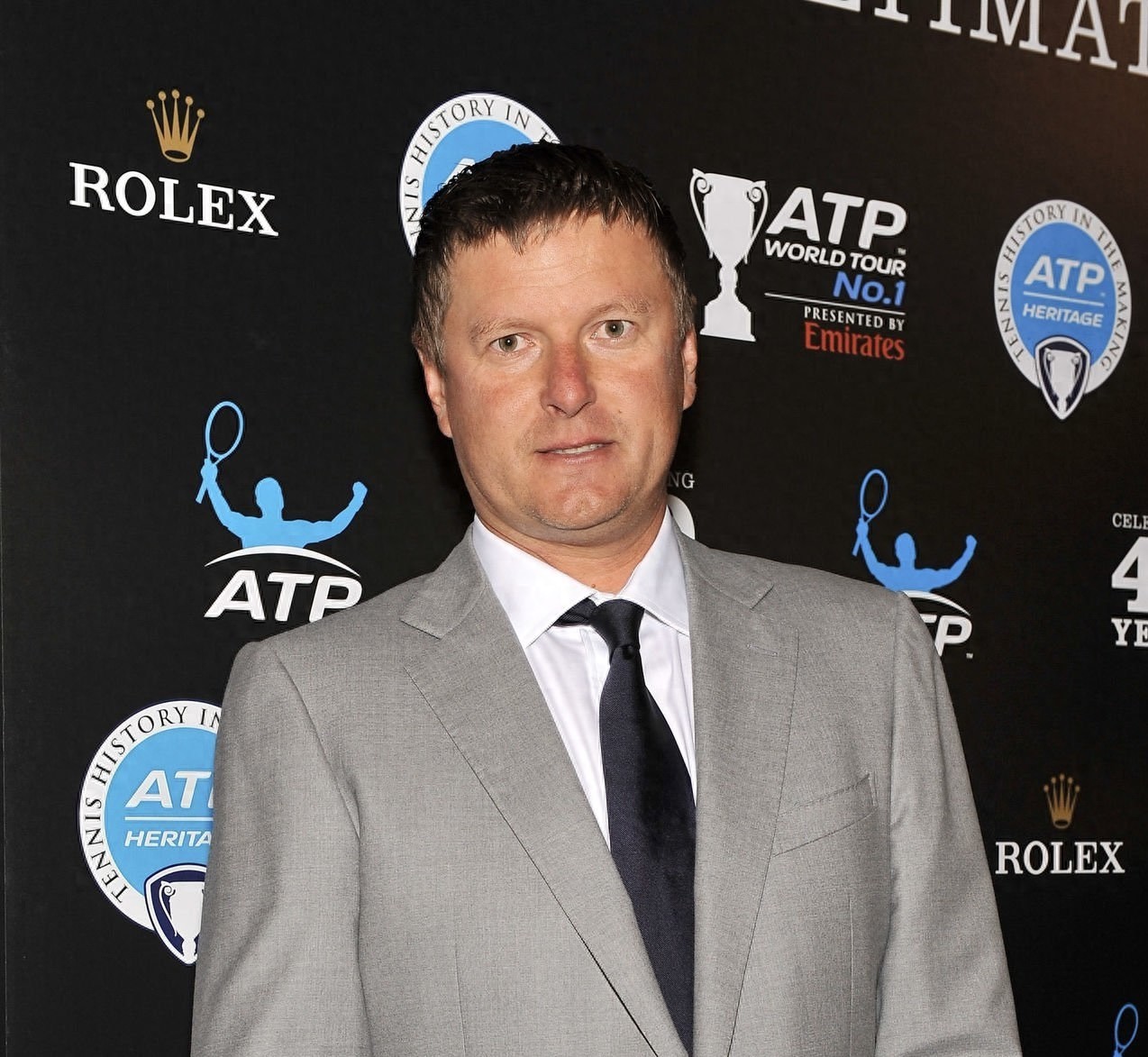
Kafelnikov referenced Austrian great Thomas Muster to illustrate that age 28 is not the end of Grand Slam dreams. Muster achieved his breakthrough by winning the 1995 French Open at that age. This example offers hope to Zverev but also highlights a deeper truth: reinventing oneself at the peak of a tennis career requires more than technical tweaks; it demands full commitment and sacrifice on all fronts.
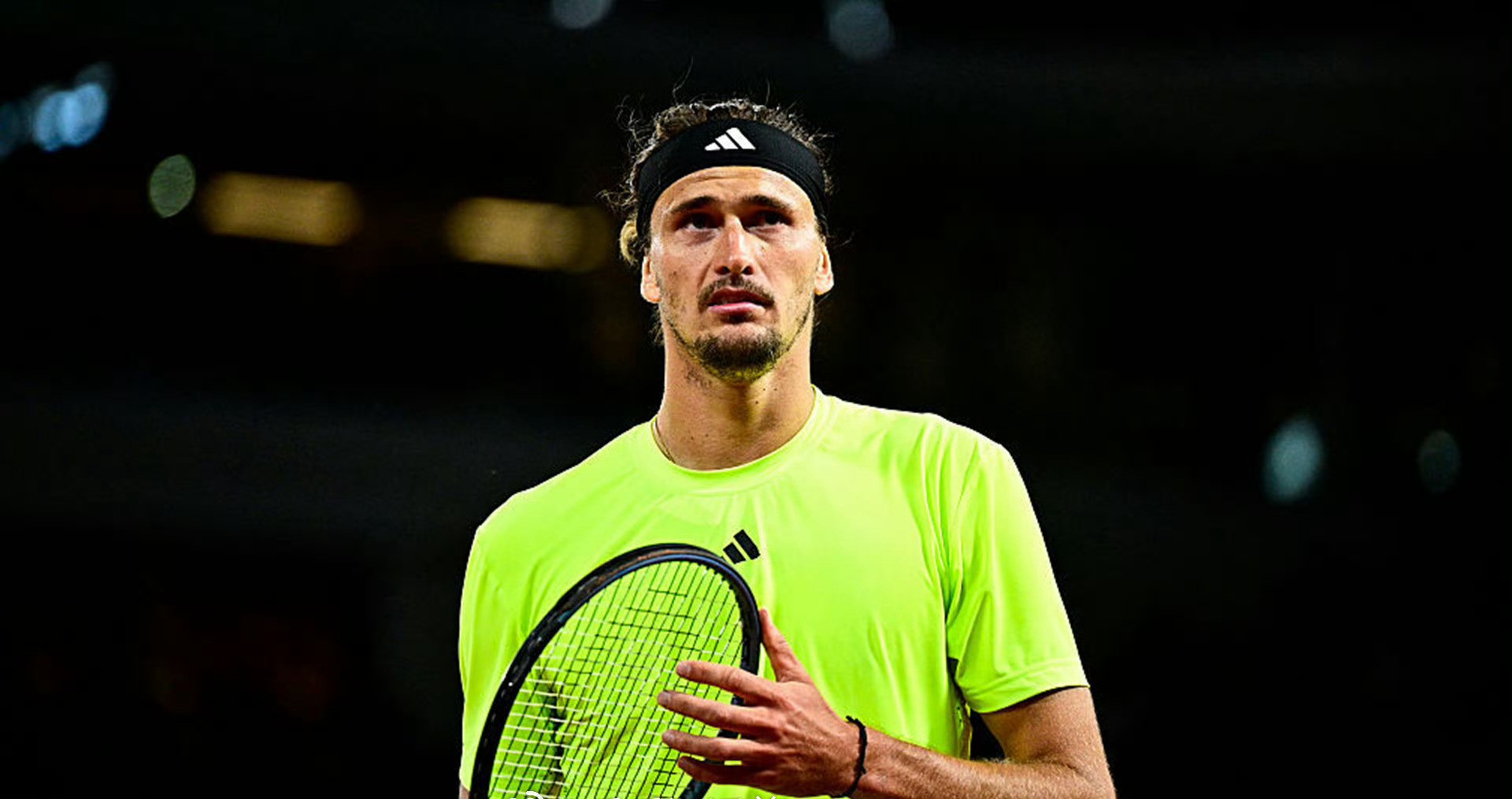
“There are many areas they need to change, but the main question is: are they ready to fully dedicate themselves, 24 hours a day, 7 days a week, to improve?” Kafelnikov’s question hits at the core dilemma of professional tennis. When a player has already achieved considerable success and holds a top world ranking, the courage to break existing patterns often becomes rarer than the ability itself.
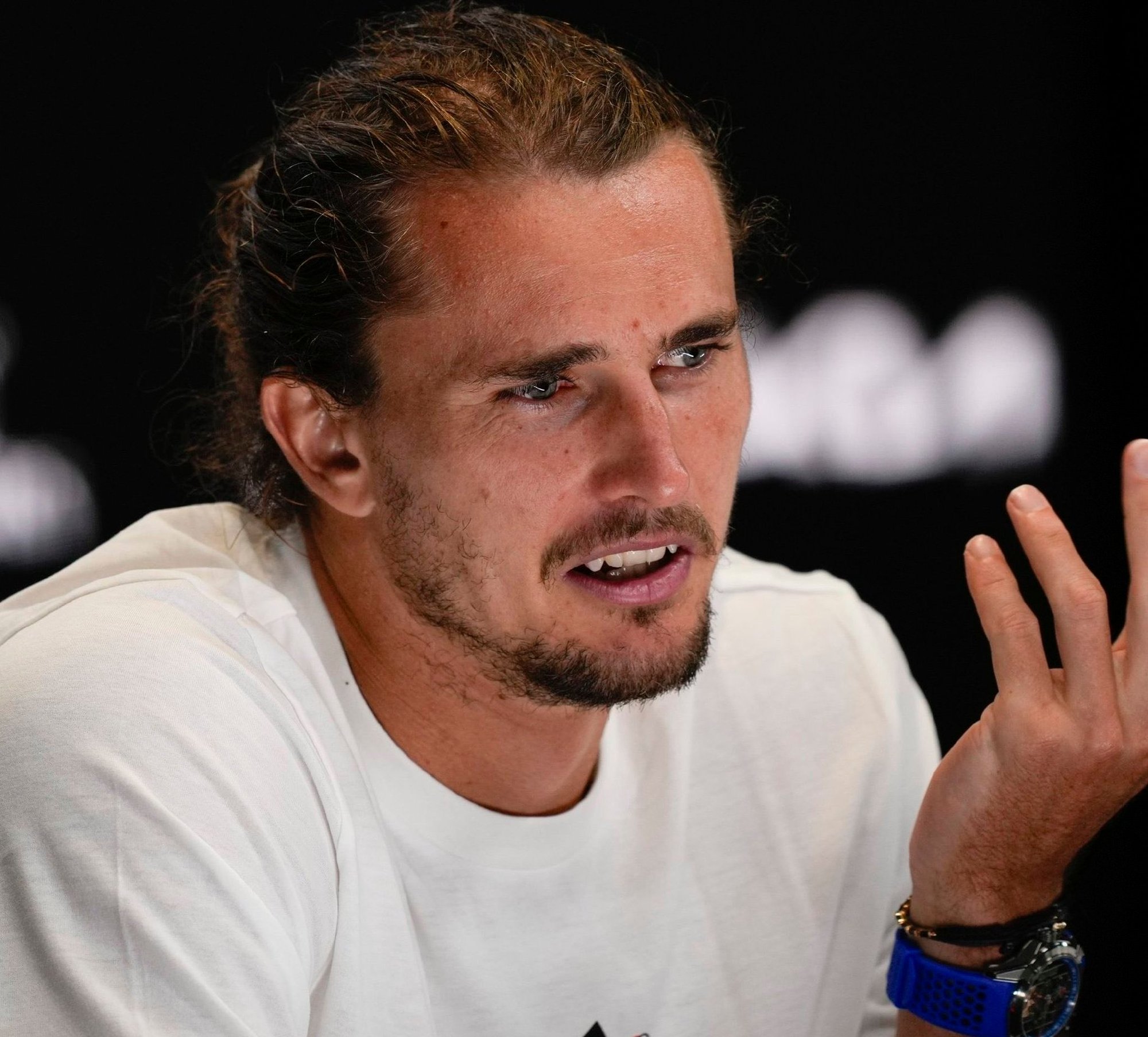
Kafelnikov has a clear understanding of the current men’s tennis landscape: “Alcaraz and Sinner completely dominate the tour.” This observation reflects today’s reality in men’s tennis. The younger generation, represented by Alcaraz and Sinner, not only possesses comprehensive skills but also demonstrates match intelligence and mental toughness beyond their years, proving their dominance on Grand Slam stages.
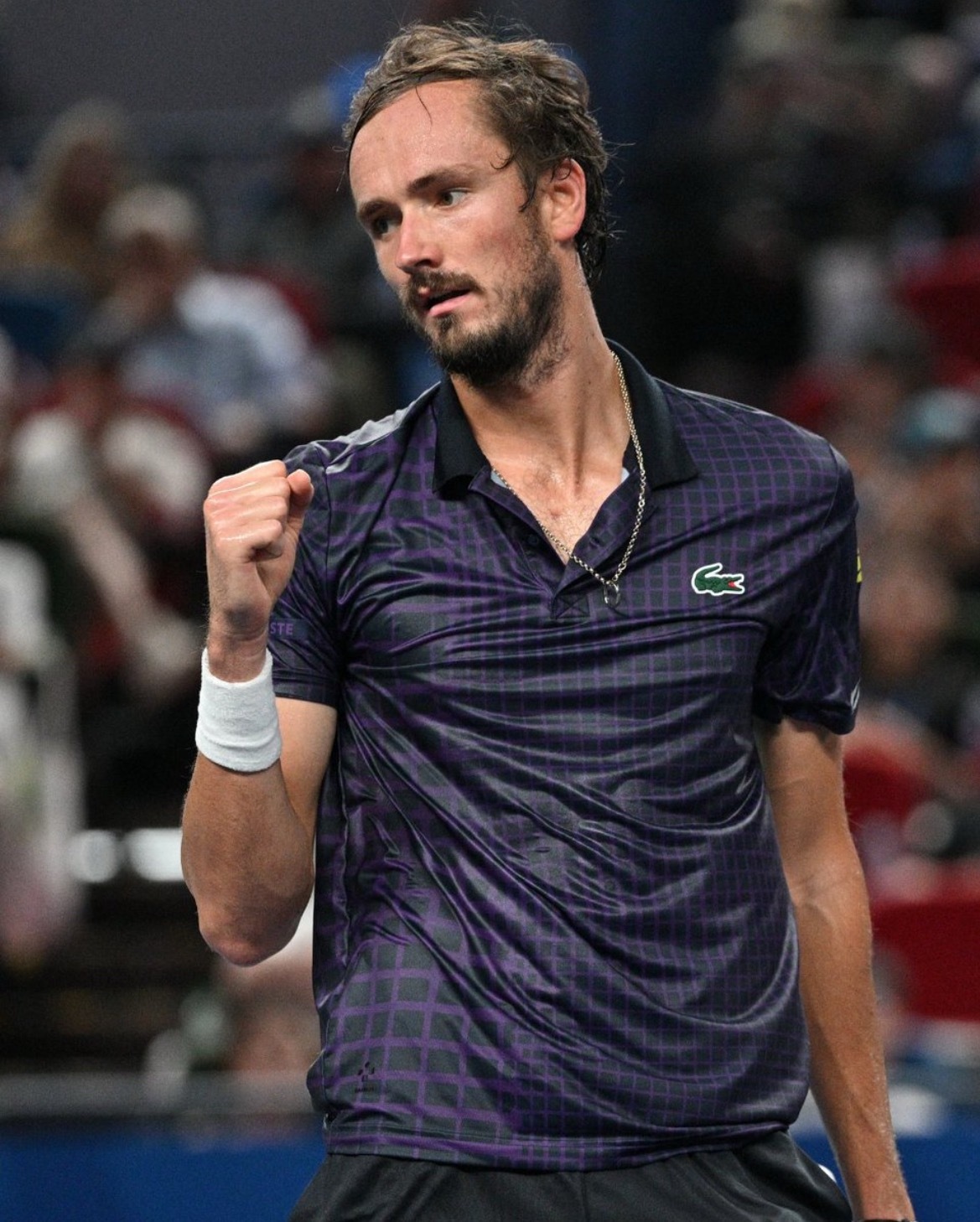
In this situation, top players in their mid-careers like Zverev and Medvedev must find ways to respond. “Progress at this stage of a career is difficult because it requires many sacrifices: changing training methods, adjusting many aspects of their game...” Kafelnikov specifically pointed out that Medvedev also needs fundamental changes, or he will struggle to continue competing for Grand Slam titles. This critique is especially sharp for the former world No. 1 and US Open champion but reveals the harsh reality of professional sports: stagnation means decline.
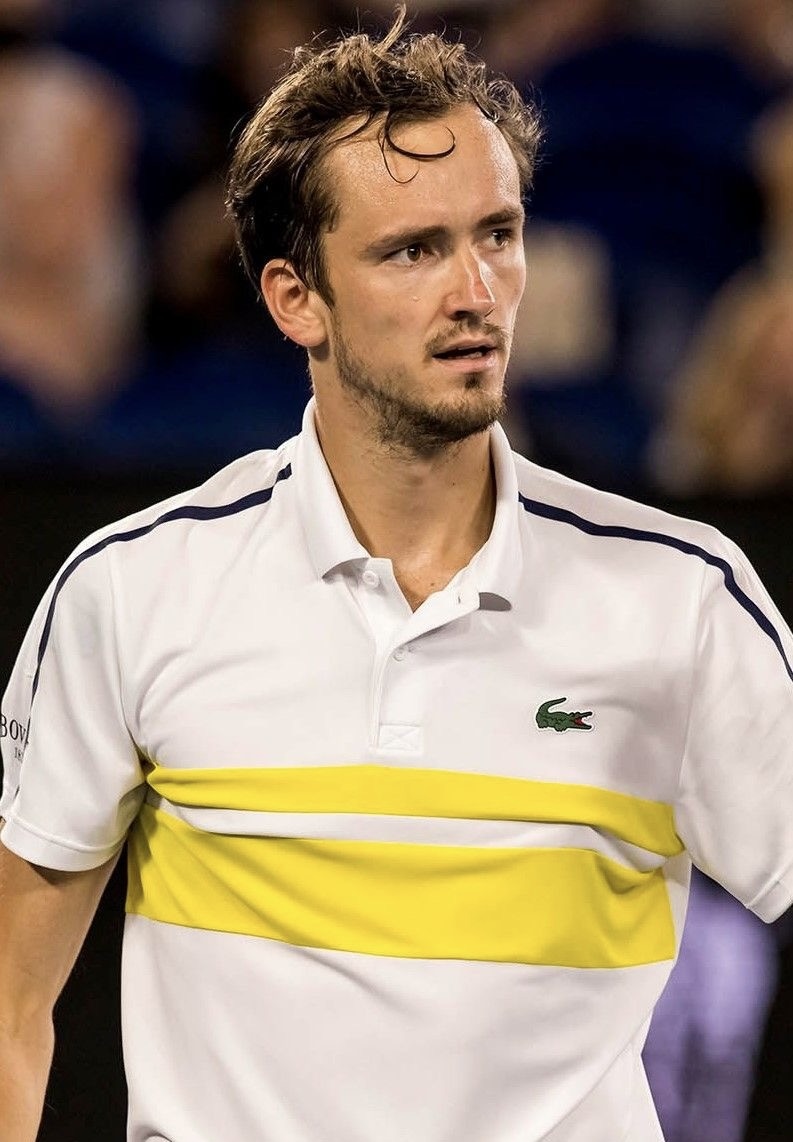
“Sometimes, players are unwilling to do this. They are content with what they have already achieved.” Kafelnikov’s insight touches on a deep psychological conflict in professional athletes. When millions in prize money, numerous titles, and a stable world ranking are secured, making the decision to completely overhaul training, adjust tactics, or even reshape physical condition requires extraordinary motivation and belief.
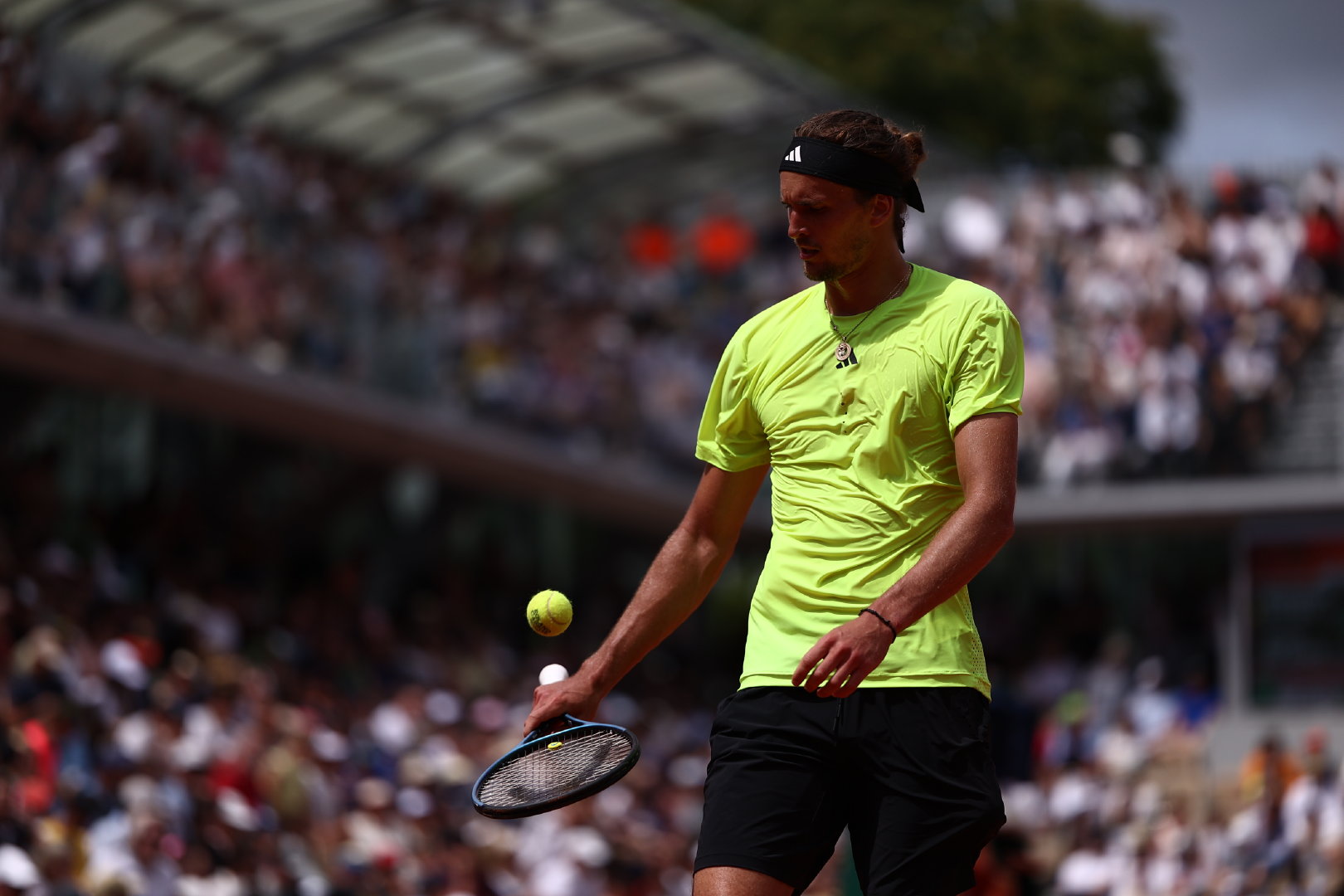
Zverev missed winning the 2020 US Open final and suffered a serious ankle injury during the 2022 French Open semifinals—these setbacks marked turning points in his career. Meanwhile, Medvedev, after winning the 2021 US Open, has reached multiple Grand Slam finals but repeatedly fell short at critical moments. These experiences can either fuel the drive for change or become psychological burdens.
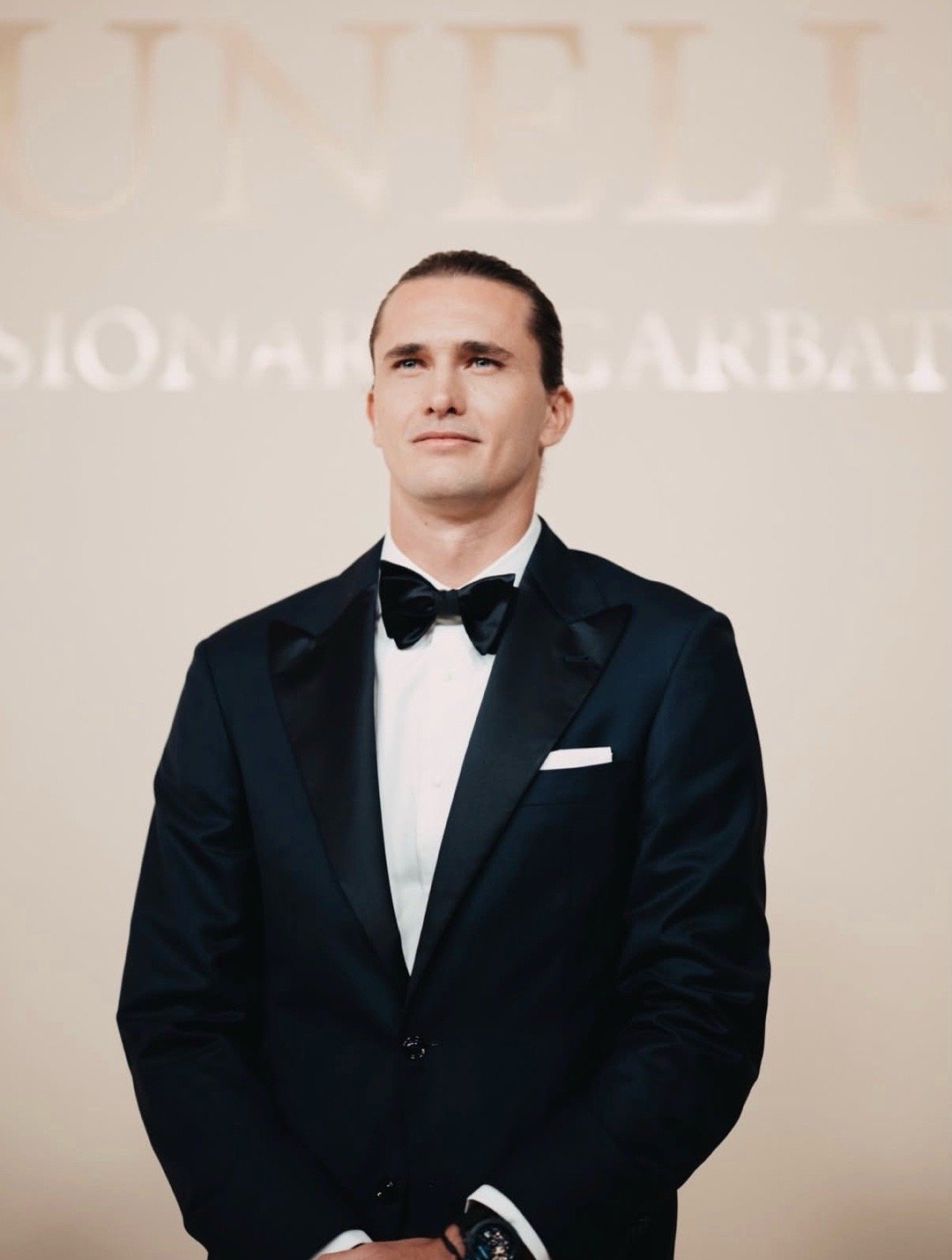
Men’s tennis is currently undergoing a period of technical evolution. The new generation emphasizes net pressure and tactical variety while maintaining baseline consistency, challenging the traditional power-based style. In this context, veterans’ technical adjustments are not just refinements but may require rethinking their entire approach to the game.
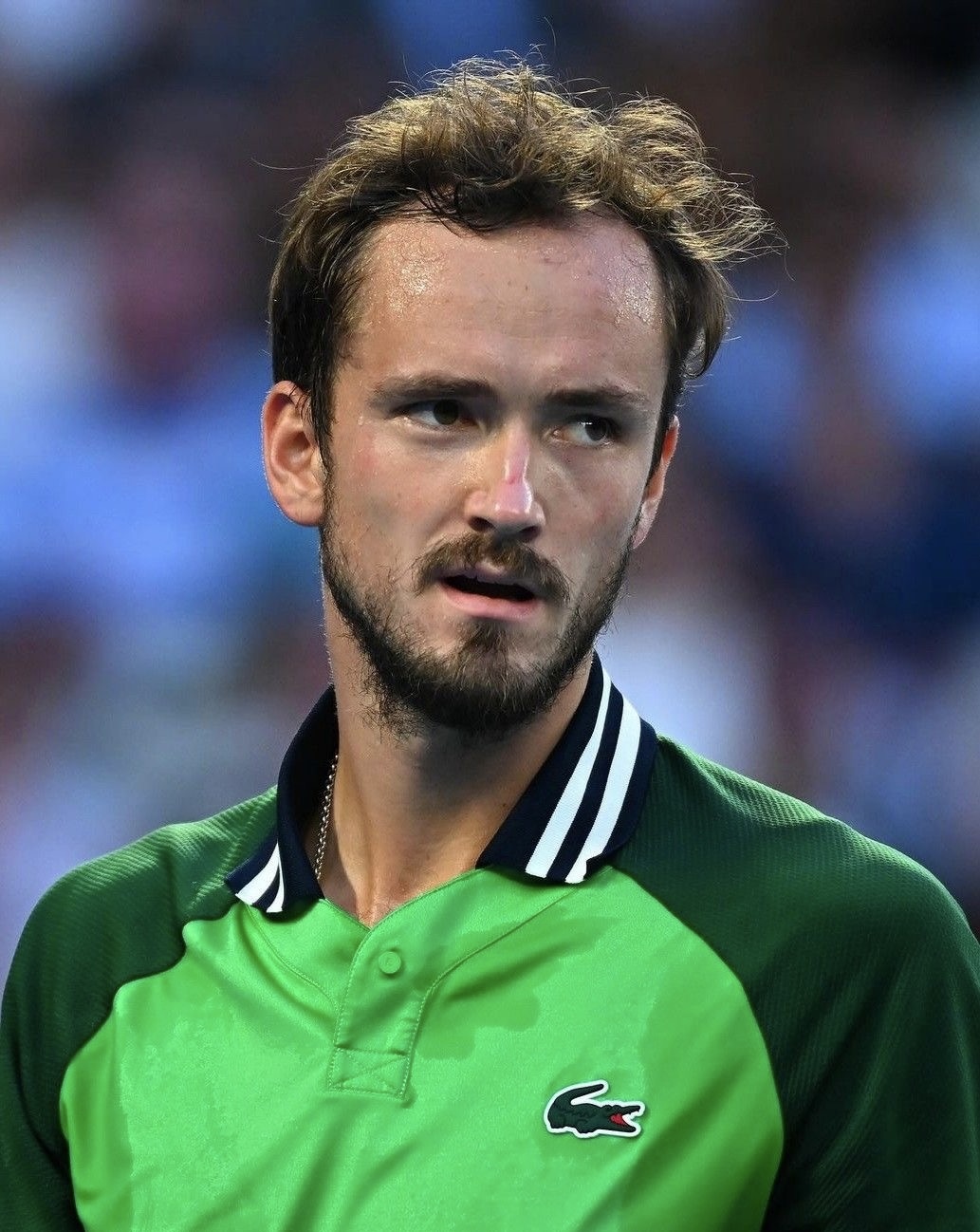
As someone who experienced the fierce competition of the 1990s, Kafelnikov’s advice carries special weight. He understands what fundamental changes late in a career entail: not just sweat on the practice court but a comprehensive lifestyle overhaul, and possibly even a redefinition of self-identity.
The tennis legend’s frank remarks provide a clear roadmap for the futures of top players like Zverev and Medvedev. In the new era led by Alcaraz and Sinner, past achievements no longer guarantee future success. The door to Grand Slam titles remains open, but the key lies in the word “change.”
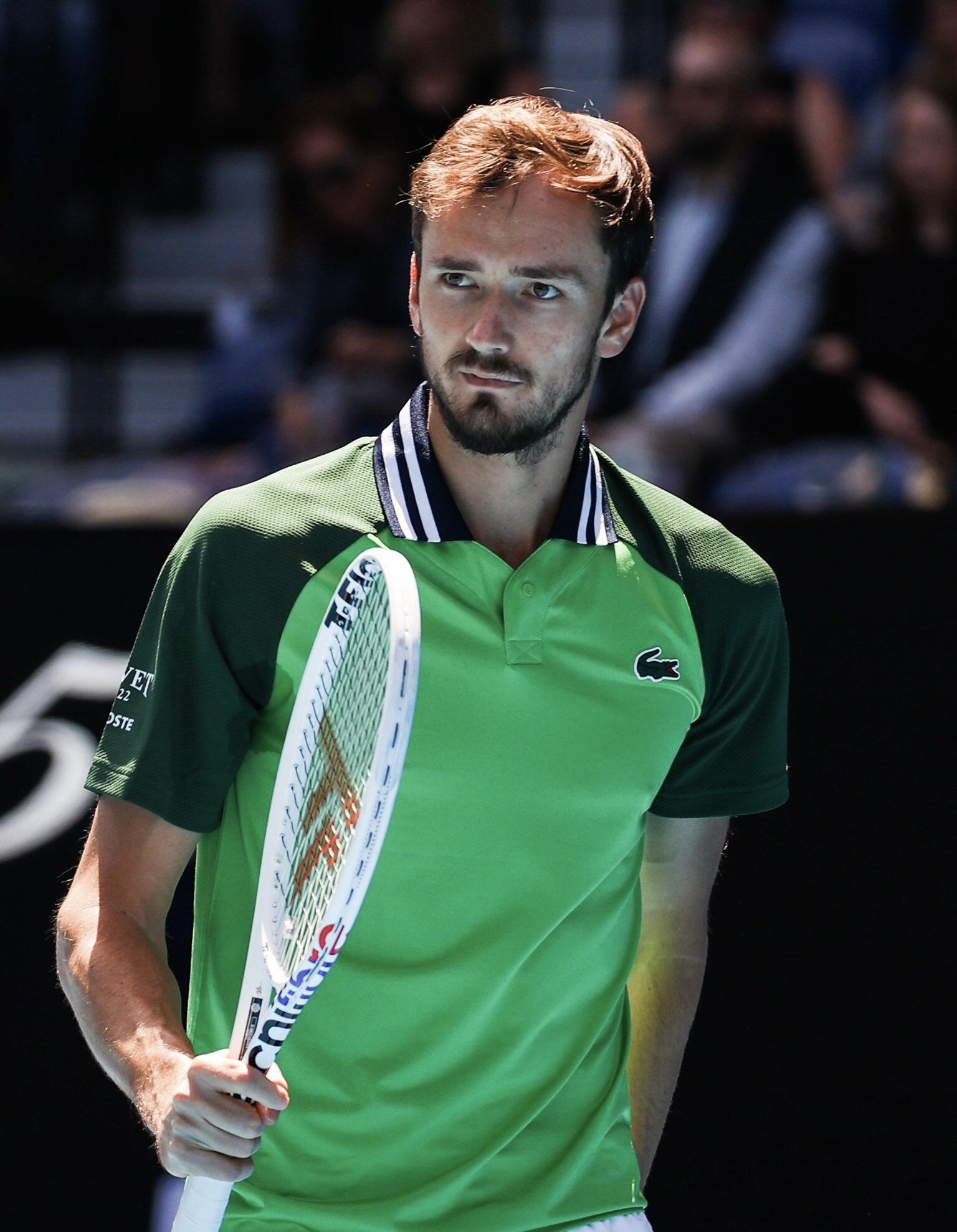
Kafelnikov’s comments are not only advice for a few specific players but also an observation of the entire professional tennis ecosystem. At the pinnacle of competitive sports, talent is merely the entry ticket; the willingness and ability to continuously evolve distinguish greatness from excellence. The choice facing players like Zverev is the crossroads every professional athlete encounters: settle for the status quo or undergo a rebirth. Their answer will determine whether they leave their mark in Grand Slam history.(Source: Tennis Home Author: Mei)

 Links
Links
 Contact
Address:UNIT 1804 SOUTH BANK TOWER, 55 UPPER GROUND,LONDON ENGLAND SE1 9E
Number:+85259695367
E-mali:icecmxtdaf@gmail.com
 App
App


