



Kasatkina's Insight: Why Are Women's Grand Slam Matches More Dramatic Than Men's?



Australian tennis star Kasatkina's recent comments have stirred broad debate in the tennis world. The highly ranked WTA competitor openly declared, "The women's Grand Slam matches lately are much more interesting than the men's." Yet, she keenly pointed out that because of format differences and historical momentum, the worth of women's matches is frequently undervalued.

Kasatkina's observation confronts a deeply rooted tennis narrative. She believes that the level of women's tennis has become very high, but the excitement is limited by the best-of-three set format, especially in crucial Grand Slam finals. In contrast, the men's best-of-five format allows players to come back even after losing two sets in a row, which adds drama and memorable moments.
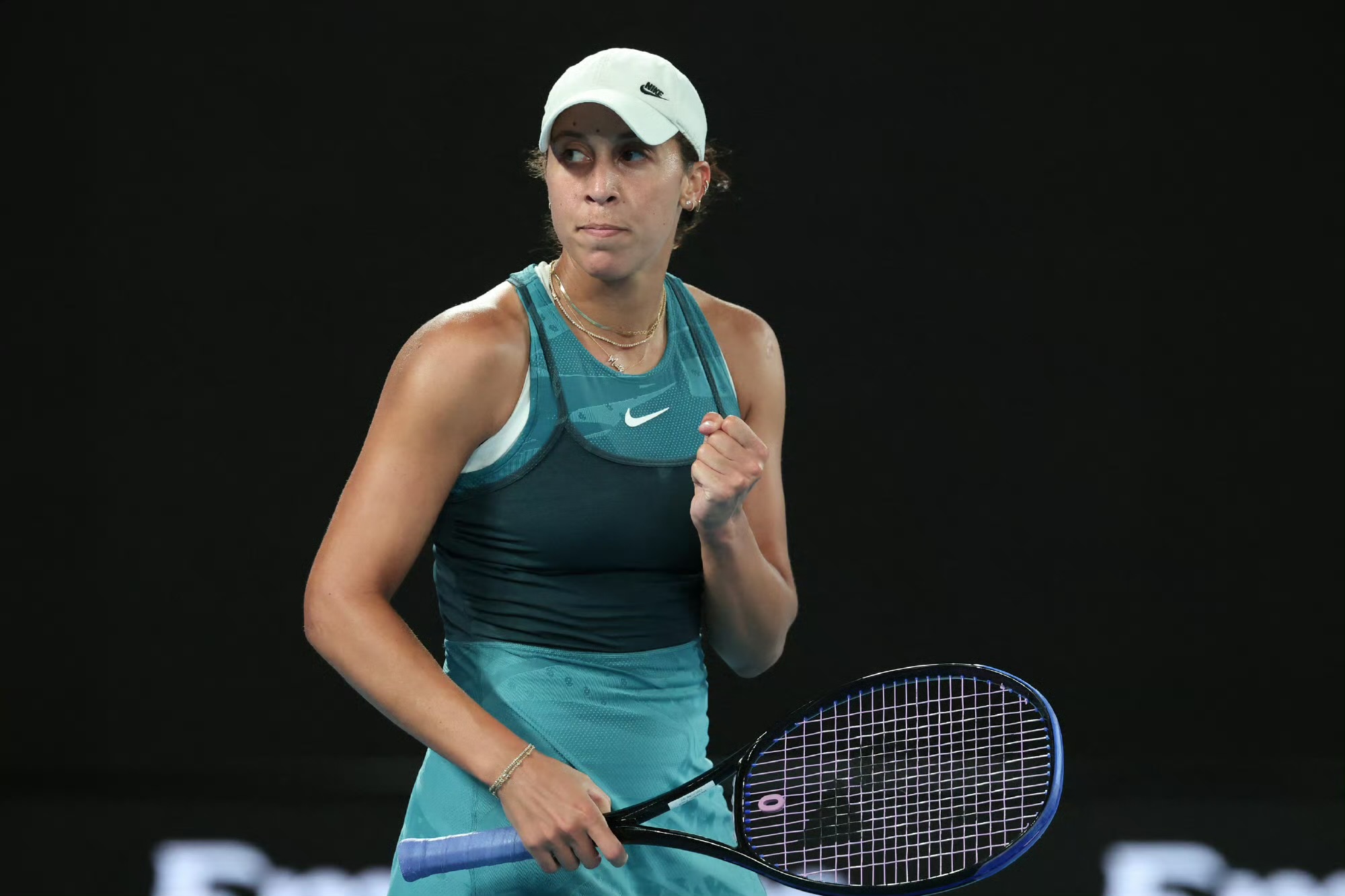
"When you lose the first set and fall behind early in the second in a best-of-three format, the match is often nearly over," Kasatkina explained, revealing the psychological impact of tennis match structures. In women's matches, each set carries more weight and offers less margin for error, making early setbacks almost insurmountable.
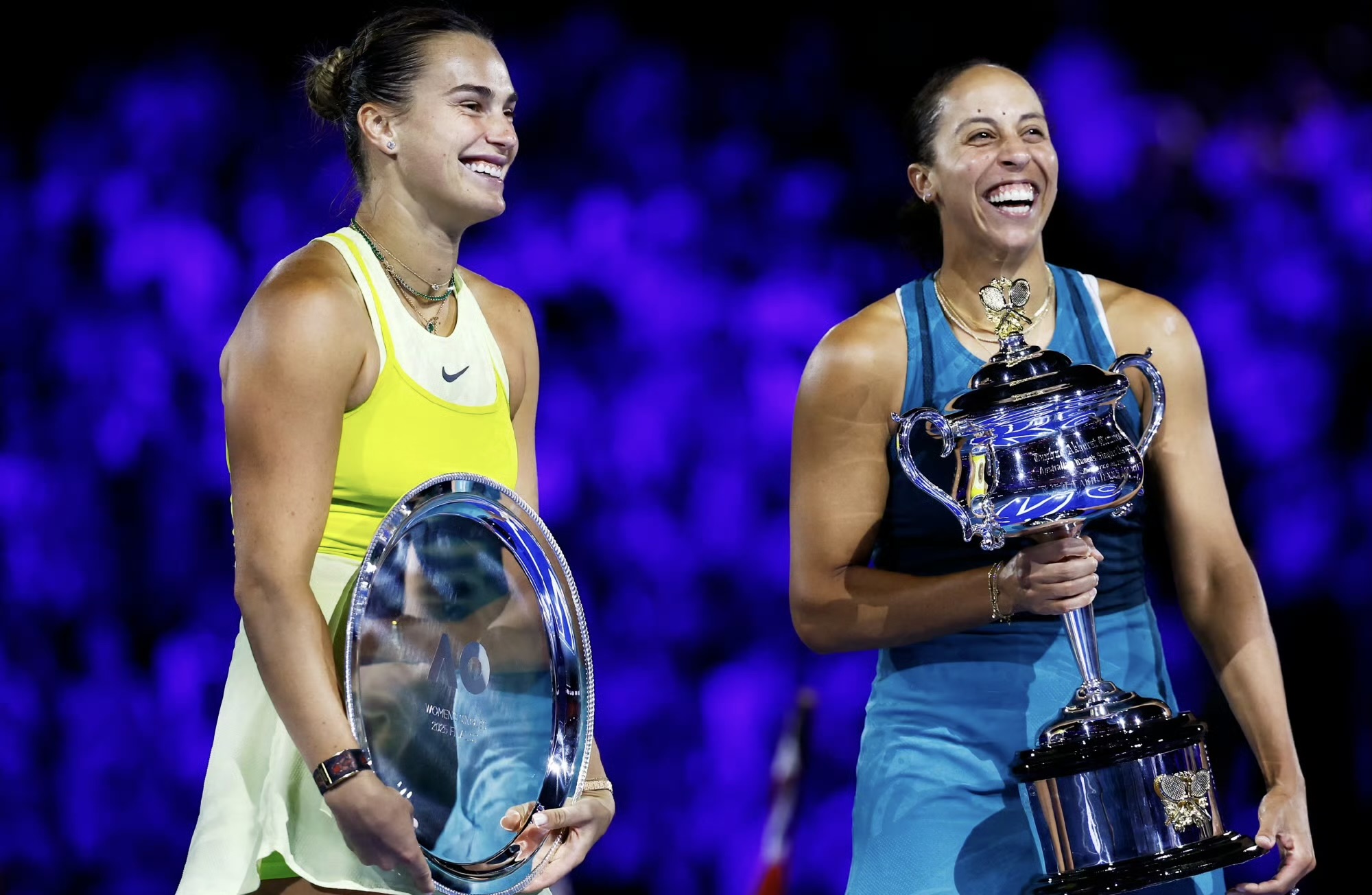
This difference in format is not merely a rule distinction; it profoundly shapes the storytelling of matches. The men's best-of-five format creates more opportunities for comebacks, and we have witnessed countless classic battles where players rallied from 0-2 down. Nadal, Federer, and Djokovic have all staged such remarkable reversals.
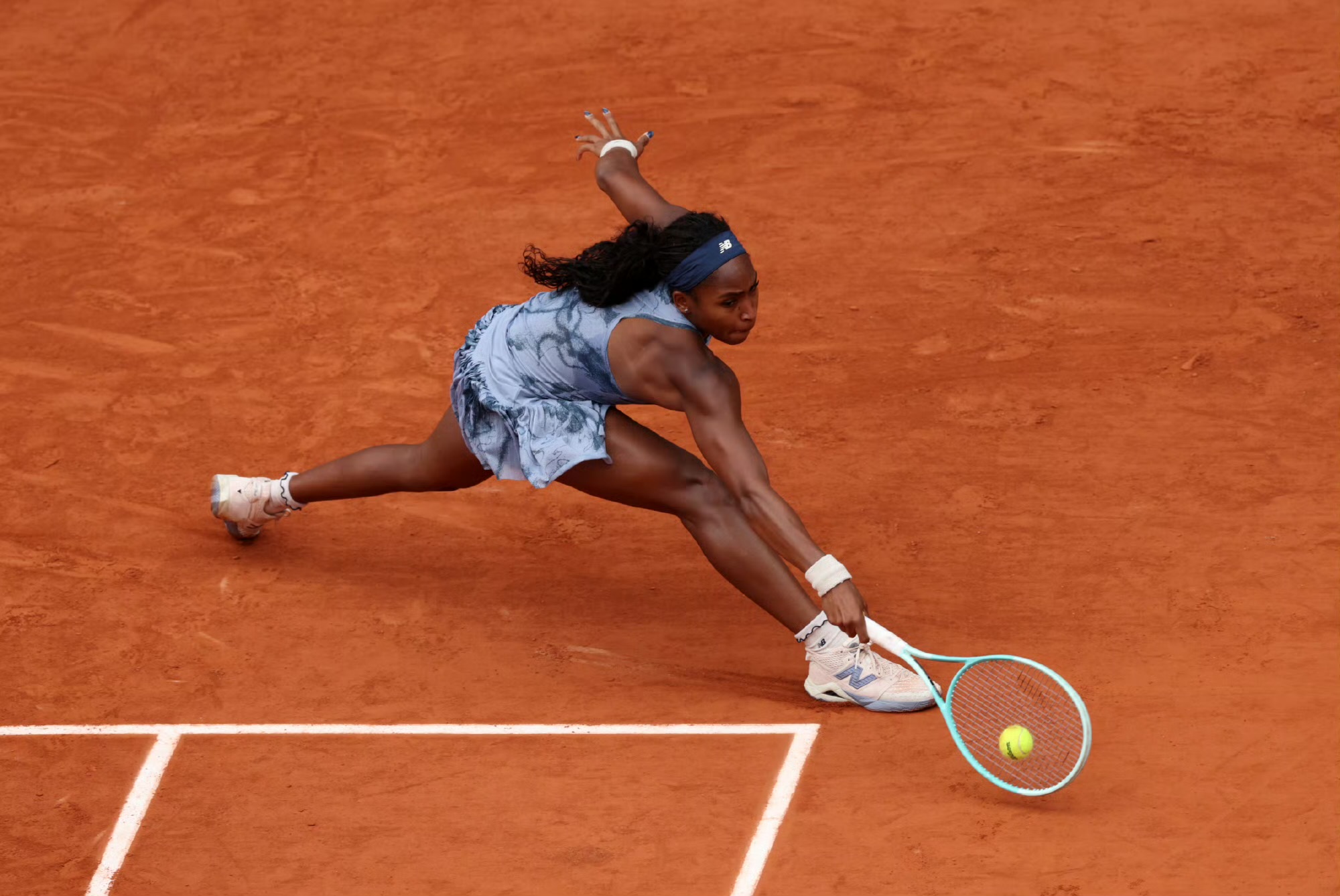
In women's tennis, suspense is more often concentrated in the earlier rounds. A lower-ranked player might upset a top seed in the first or early rounds, producing thrilling and intense matches. However, because these do not occur in the final, they rarely become central to collective memory. The non-final stages of women's Grand Slams are often filled with unpredictability and fierce competition, but due to format constraints, this tension is usually compressed in the final, making it sometimes less gripping than earlier rounds.
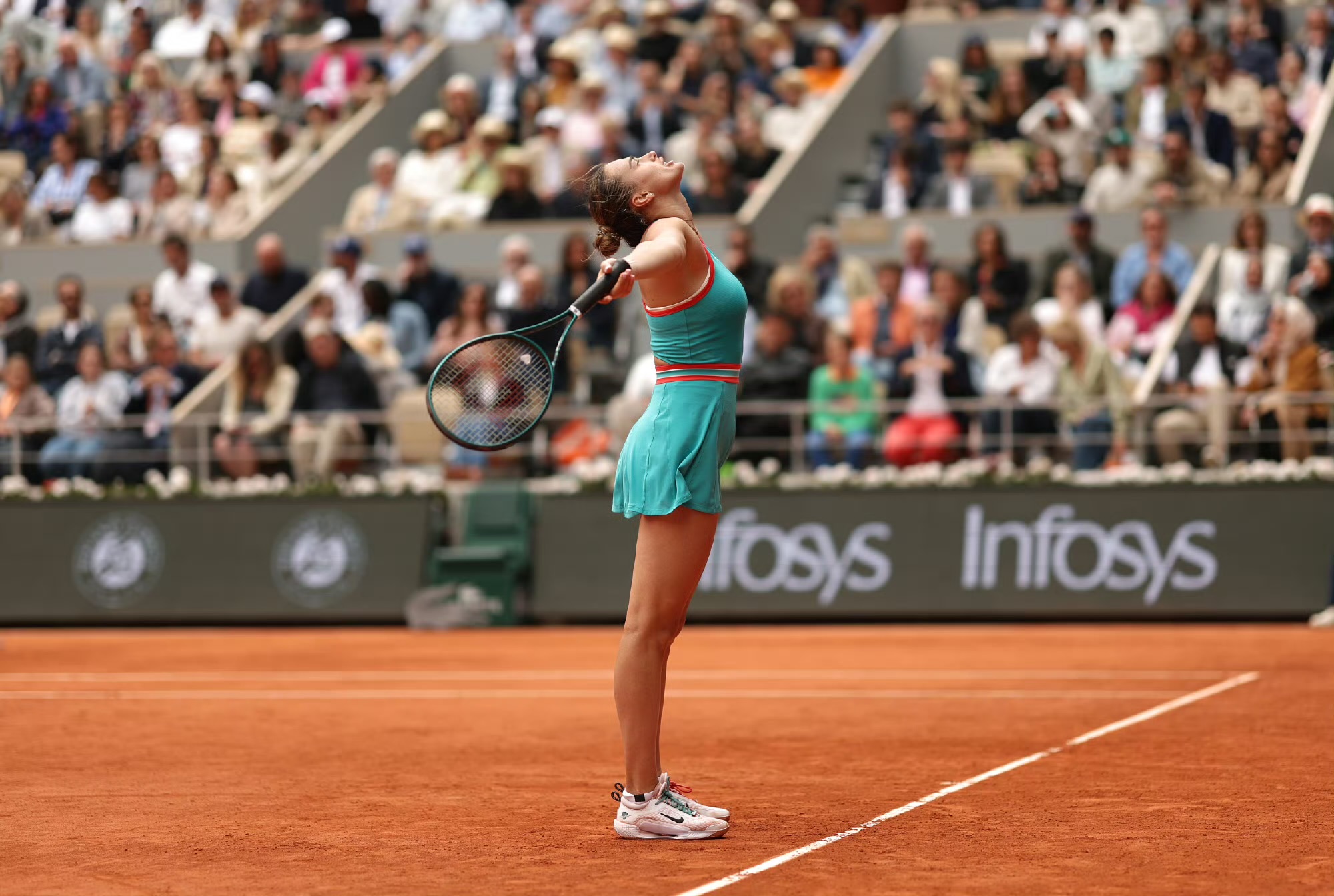
Kasatkina's viewpoint raises a deeper question: how do we evaluate the entertainment value of sports? Traditionally, tennis's worth has been linked to endurance, long battles, and epic comebacks—elements more easily showcased in best-of-five matches. Yet women's tennis offers a different kind of value: intensity, efficiency, and strategic importance of every point.
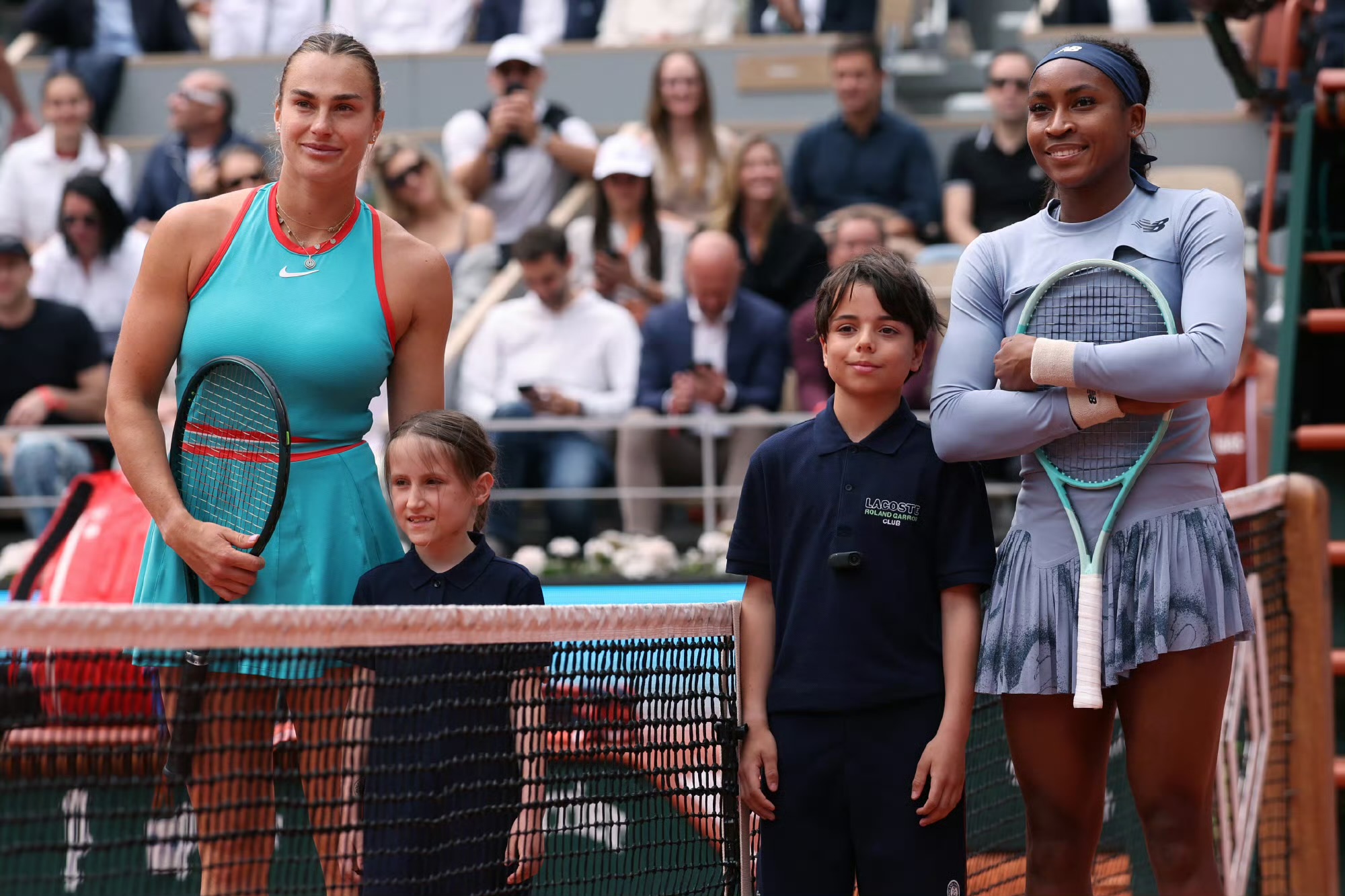
In a best-of-three format, every point can determine the match's outcome, requiring players to maintain high focus from the start. Although this sustained tension may not always produce epic reversals, it creates a distinct type of excitement. Recently, the depth in women's tennis has grown significantly, with any top-ten player capable of winning a Grand Slam, making this openness and unpredictability a highlight in itself.
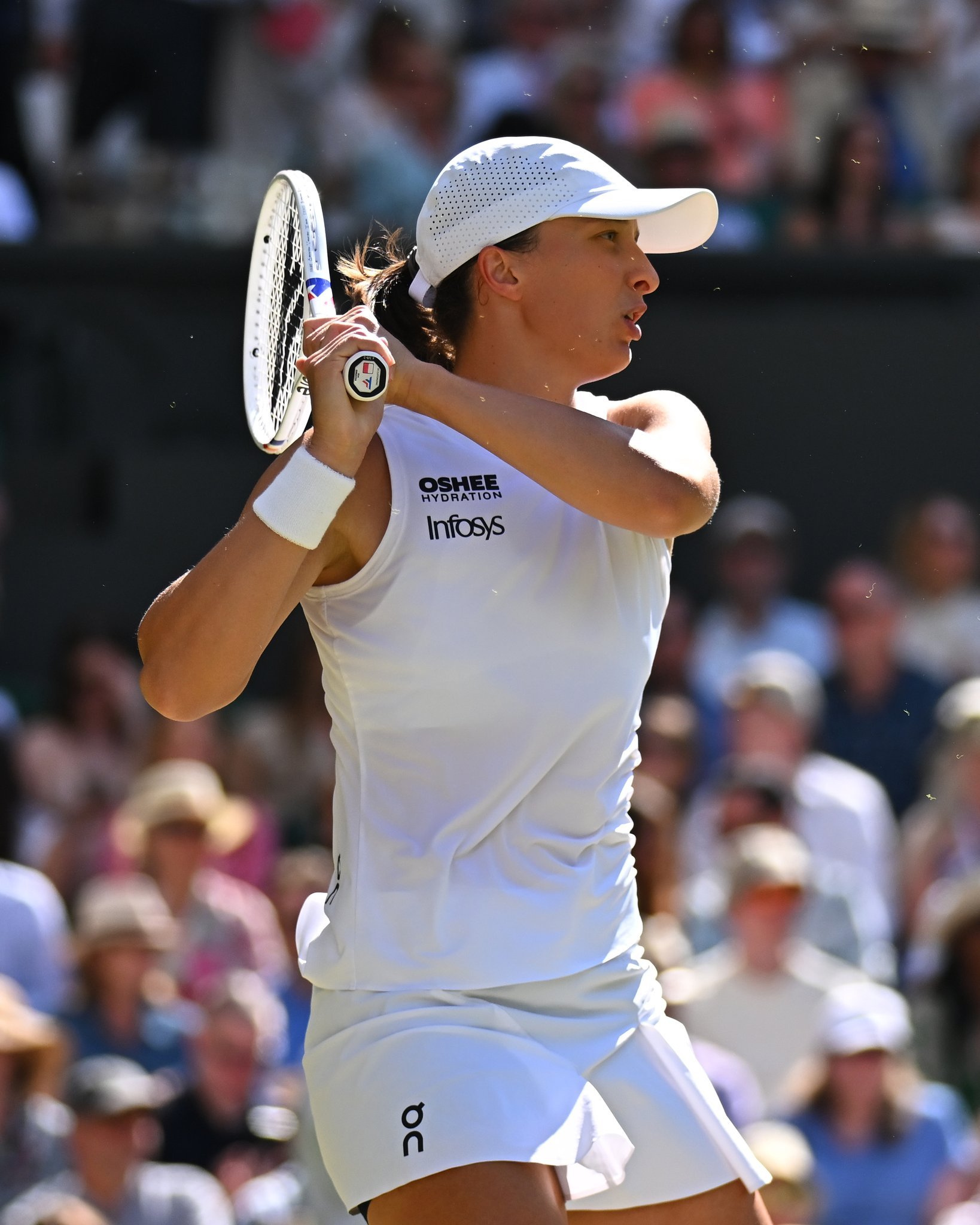
Kasatkina's sharpest observation might concern memory: "Over the two-week event, we don't really remember the women's matches because the finals aren't as entertaining." This exposes the unequal distribution of sporting memories: finals not only decide the champion but also which matches become historically remembered.
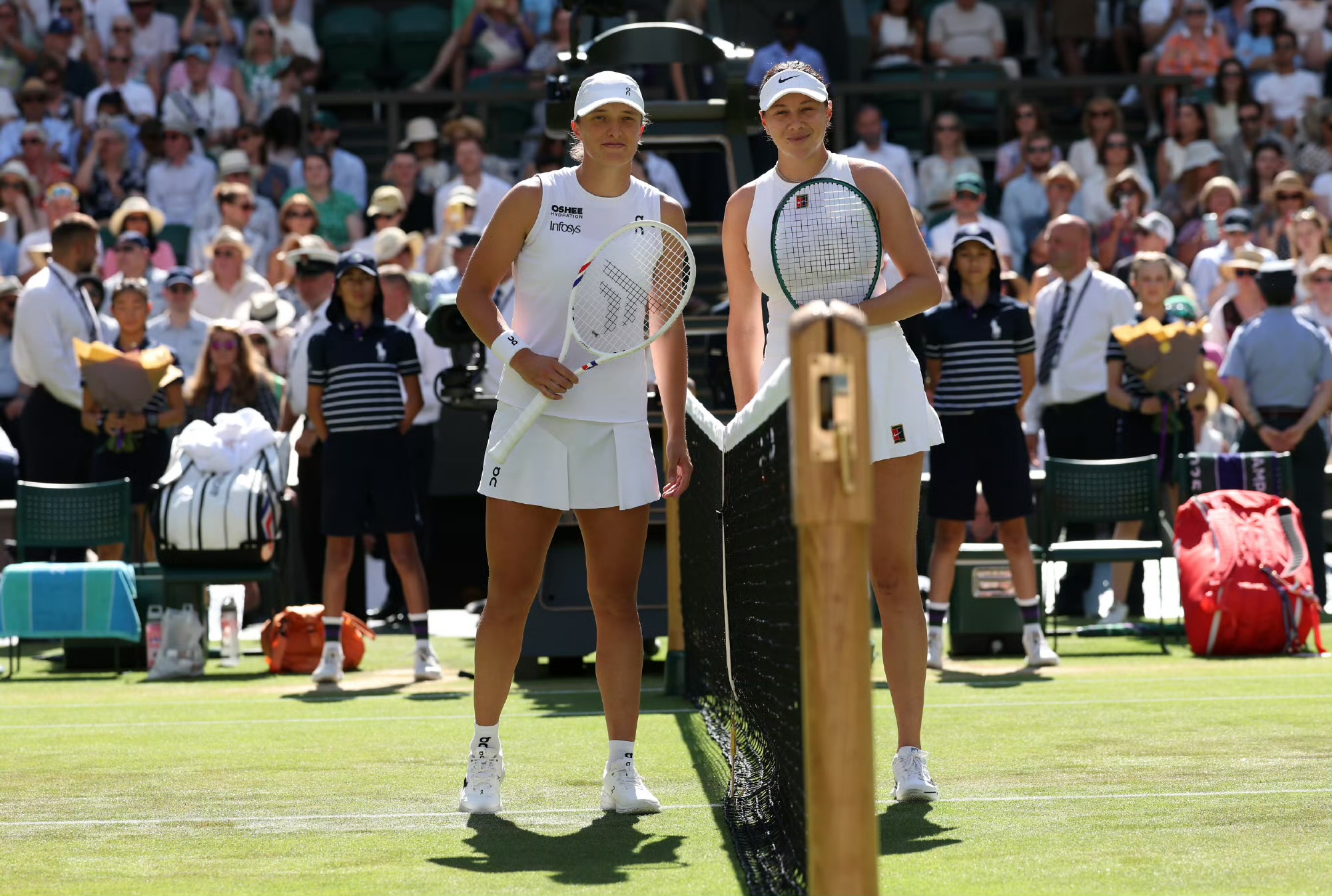
However, if we shift focus away from the finals, the early and middle rounds of women's Grand Slams are often packed with drama and unpredictability. At the 2022 US Open, from the first round to the quarterfinals, the women's matches frequently featured three-set battles and dramatic comebacks; in contrast, men's matches in early rounds tended to be more straightforward. Yet this excitement is often undervalued because it occurs outside the final stage.
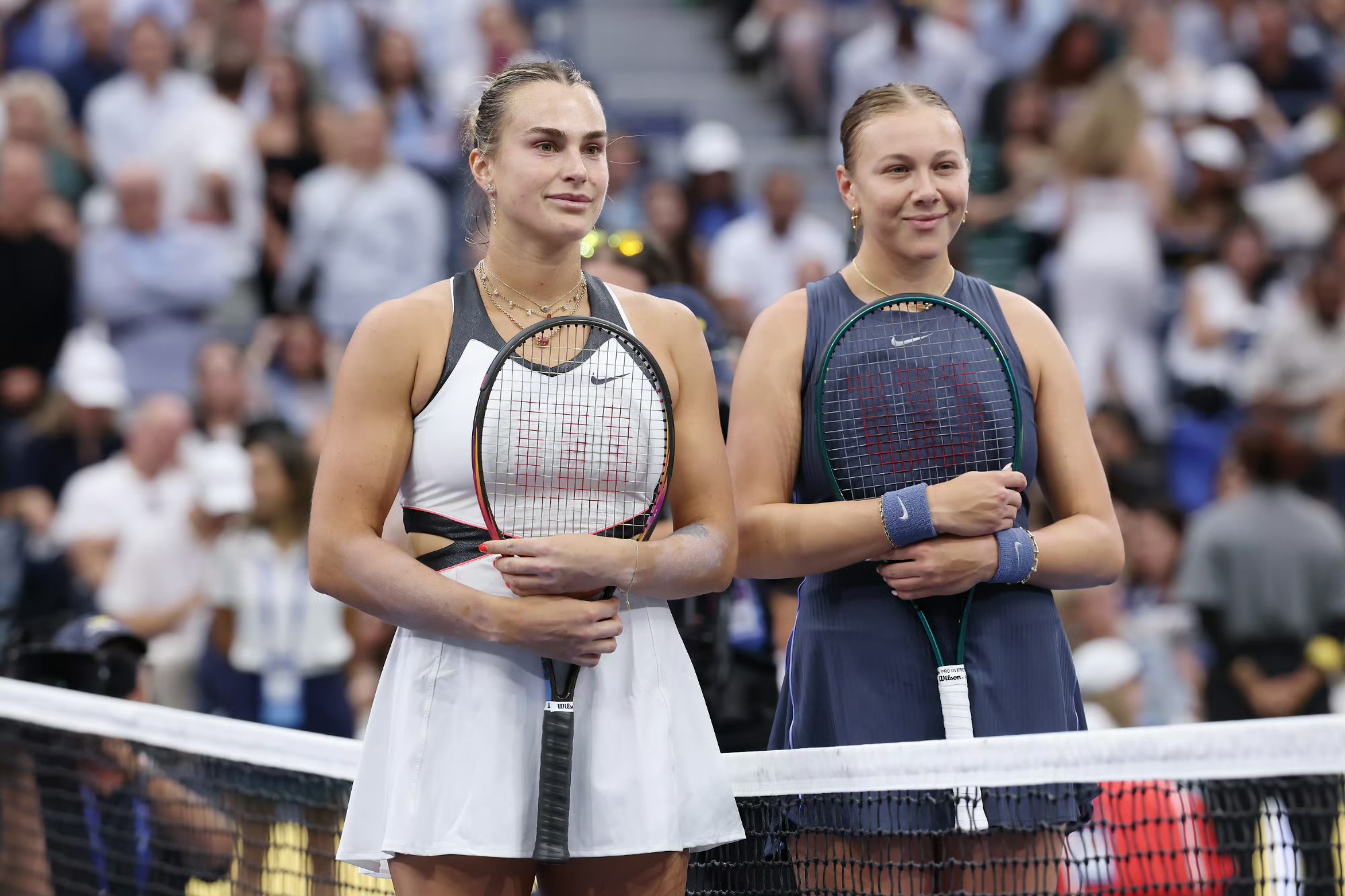
Kasatkina's remarks should not be seen as criticism of men's tennis but rather as a rightful defense of women's tennis value and a call to reconsider our standards of judgment. Different formats produce different kinds of excitement, and we need a more comprehensive perspective to appreciate these distinctions.
Women's tennis has recently developed incredible depth and competitiveness, with any match capable of yielding unpredictable results. Perhaps, as Kasatkina suggests, it is time to rethink how we evaluate and remember tennis matches—not by simply comparing men's and women's games but by appreciating the unique drama each format offers.

Ultimately, whether it's best-of-three or best-of-five, men's or women's matches, the core appeal of tennis lies in its unpredictability and the display of human spirit. On this level, Kasatkina's comments remind us that excitement often exists in places we have yet to learn to watch properly.(Source: Tennis Home Author: Mei)

 Links
Links
 Contact
Address:UNIT 1804 SOUTH BANK TOWER, 55 UPPER GROUND,LONDON ENGLAND SE1 9E
Number:+85259695367
E-mali:icecmxtdaf@gmail.com
 App
App


