



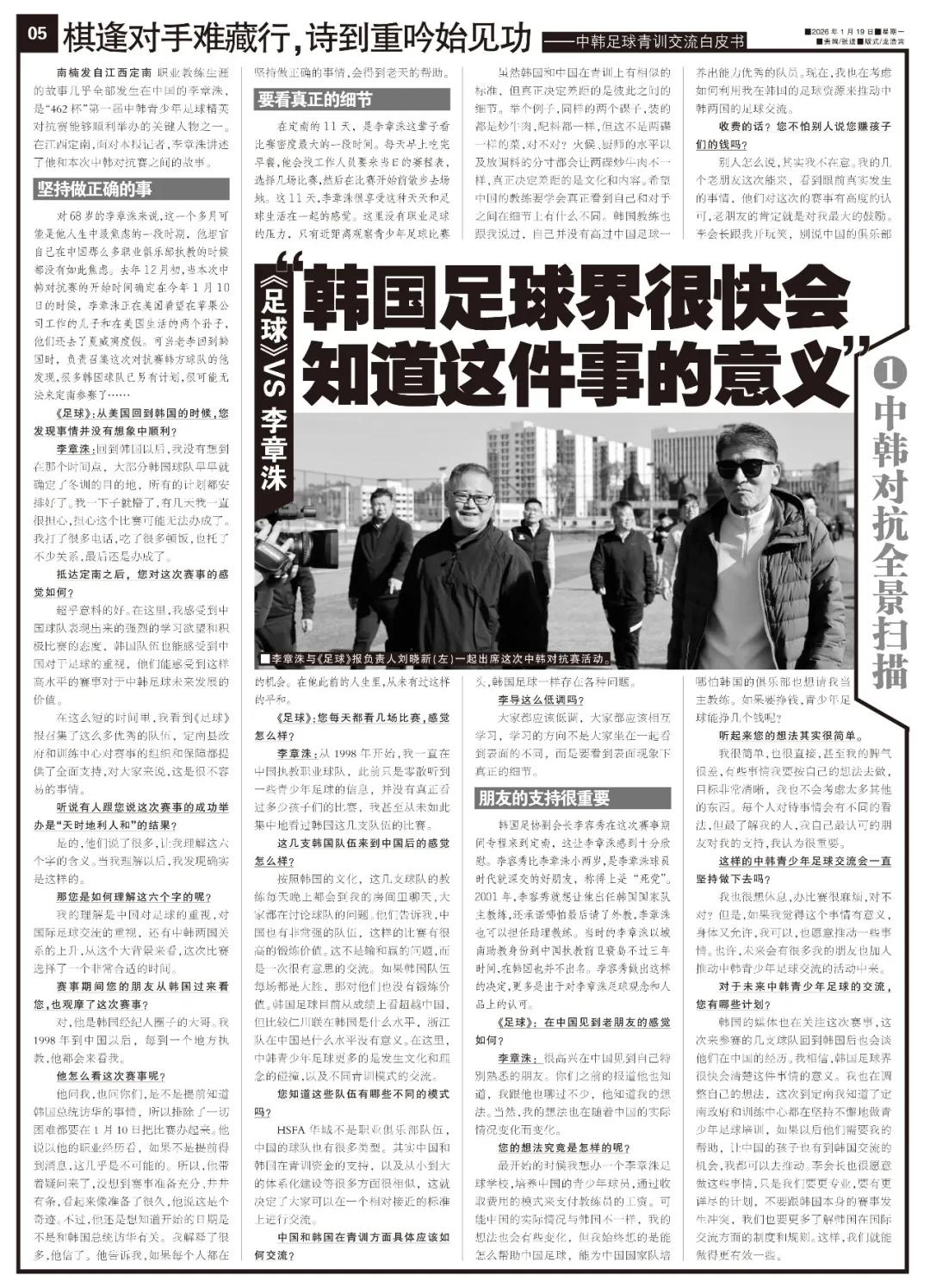
Lee Jang-soo: The Korean football community will soon realize the significance of this China-Korea youth competition.



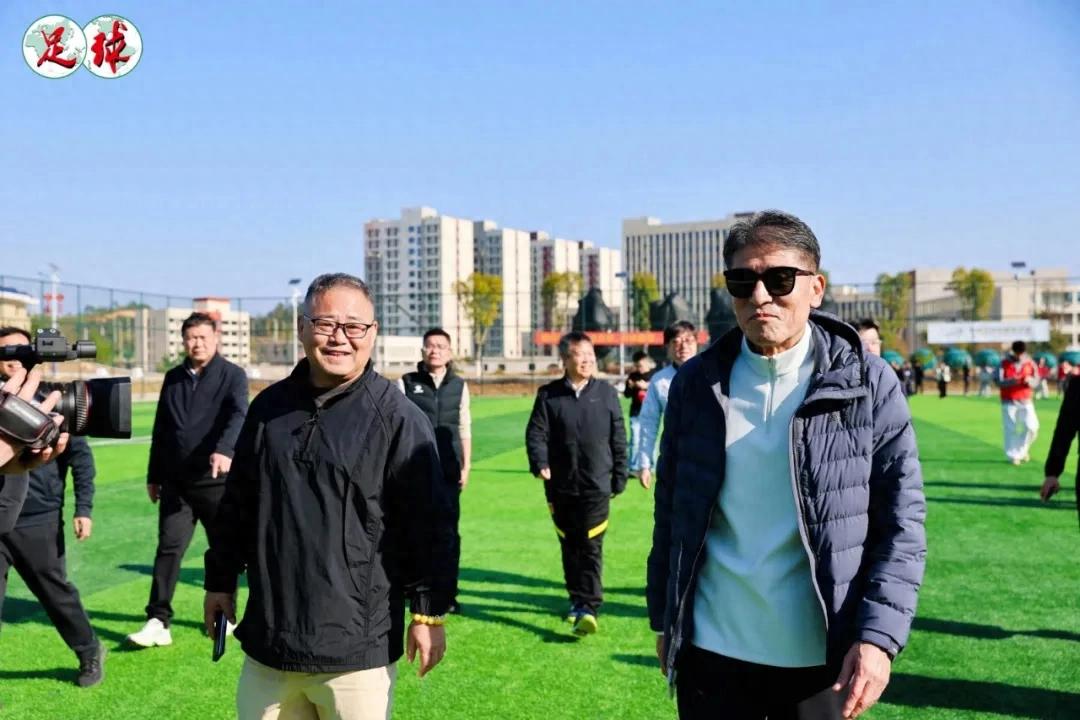
Nan Nan reporting from Dingnan, Jiangxi Lee Jang-soo’s professional coaching journey has mostly unfolded in China, making him a crucial figure in ensuring the smooth running of the first “462 Cup” China-Korea Youth Football Elite Challenge. In Dingnan, he recounted to our reporter his connection with this competition.

For 69-year-old Lee Jang-soo, the past month has probably been the most stressful period of his life; he admitted that even during his many coaching stints at Chinese professional clubs, he never felt such anxiety. In early December last year, when the competition’s start date was fixed for January 10 this year, Lee was visiting his son working at Apple and his two grandchildren living in the U.S., and they also vacationed in Hawaii. But upon returning to Korea, as the person responsible for assembling the Korean teams, he found that many Korean clubs had other plans and might not be able to participate in Dingnan…
◆Football Magazine: When you returned from the U.S. to Korea, did you find things were not going as smoothly as expected?
Lee Jang-soo: After returning to Korea, I didn’t expect that by that time most Korean teams had already finalized their winter training locations and arranged all their plans. I was stunned and worried for several days, fearing the event might not happen. I made many calls, had numerous meetings, and pulled some strings, but in the end, we managed to make it happen.
◆After arriving in Dingnan, how did you feel about the event?
It exceeded my expectations. Here, I sensed the Chinese teams’ strong eagerness to learn and their positive attitude toward competing. The Korean teams could also feel China’s emphasis on football and appreciate the value such a high-level event holds for the future development of football in both countries.
In such a short time, I saw Football Magazine gather so many excellent teams, and the Dingnan county government and training center provided comprehensive support in organizing and guaranteeing the event. This was no small feat for everyone involved.
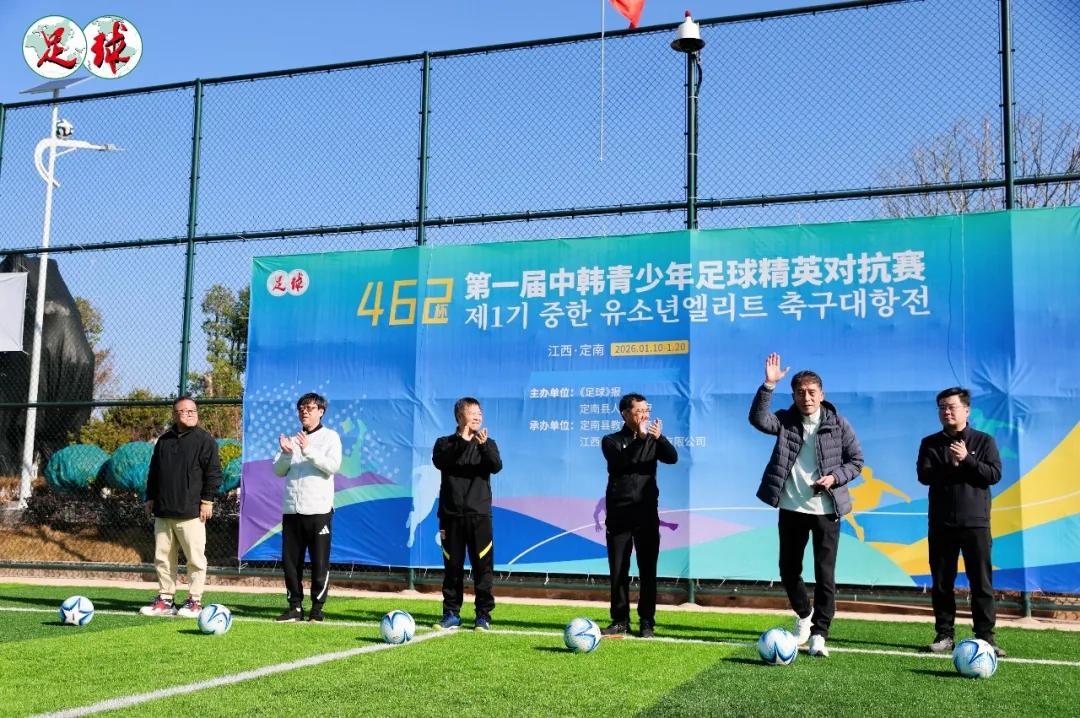
◆I heard someone said the success of this event was due to “timing, location, and harmony”?
Yes, they said a lot, helping me understand the meaning of these six words. Once I grasped it, I realized it truly was the case.
◆How do you interpret these six words?
My understanding is that it reflects China’s focus on football, the importance placed on international football exchanges, and the improving relations between China and Korea. Against this broader backdrop, the timing of this competition was very appropriate.
◆During the event, did your friend come from Korea to see you and watch the matches?
Yes, he is a senior figure in the Korean agent circle. Since I started coaching in China in 1998, he has visited me wherever I coached.
◆What was his impression of the event?
He asked me and also asked you, whether we knew in advance about the Korean president’s visit to China, so we overcame all obstacles to hold the match on January 10. From his professional experience, if they hadn’t received prior notice, this would have been nearly impossible. He came with doubts but was surprised by the thorough preparation and smooth organization; it looked like it had been planned for a long time. He called it a miracle. Still, he wanted to know if the start date was related to the president’s visit. I explained a lot, and he believed me. He told me that if everyone insists on doing the right thing, they will receive heaven’s help.
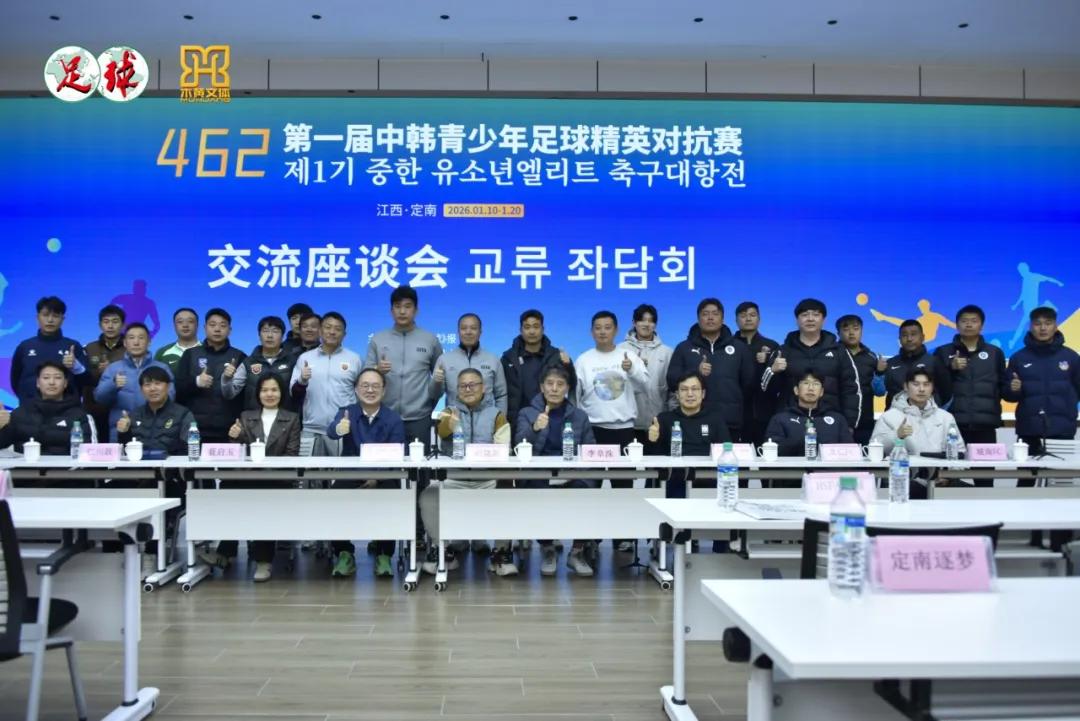

The 11 days in Dingnan were the most intense period of watching matches in Lee Jang-soo’s life. Every morning after breakfast, he would ask staff for the day’s schedule, pick a few games, and stroll to the venue before the matches began. During these 11 days, Lee truly enjoyed living with football daily. There was no pressure like in professional football, only the chance to closely observe youth matches. He had never experienced such peace in his life before.
◆Football Magazine: How do you feel watching several matches every day?
Lee Jang-soo: Since 1998, I have coached professional teams in China, but before this, I only heard scattered information about youth football and hadn’t really watched many children’s matches. I had never so intensively watched these Korean teams play.
◆How do these Korean teams feel after coming to China?
According to Korean culture, the coaches of these teams would come to my room every night to chat, discussing team issues. They told me that China also has very strong teams and that such competitions are very valuable for training. It’s not about winning or losing but an interesting exchange. If the Korean teams won every match by a large margin, it wouldn’t be beneficial for their development. Currently, Korean football outperforms China in results, but comparing the level of Incheon United in Korea to Zhejiang team in China is meaningless here. In this event, China-Korea youth football is more about cultural and philosophical exchanges and sharing different youth training models.
◆Do you know what different models these teams have?
HSFA Hwaseong is not a professional club team, and Chinese teams also come in many types. Actually, China and Korea are quite similar in youth training funding support and systematic development from an early age, which allows exchanges on relatively comparable standards.
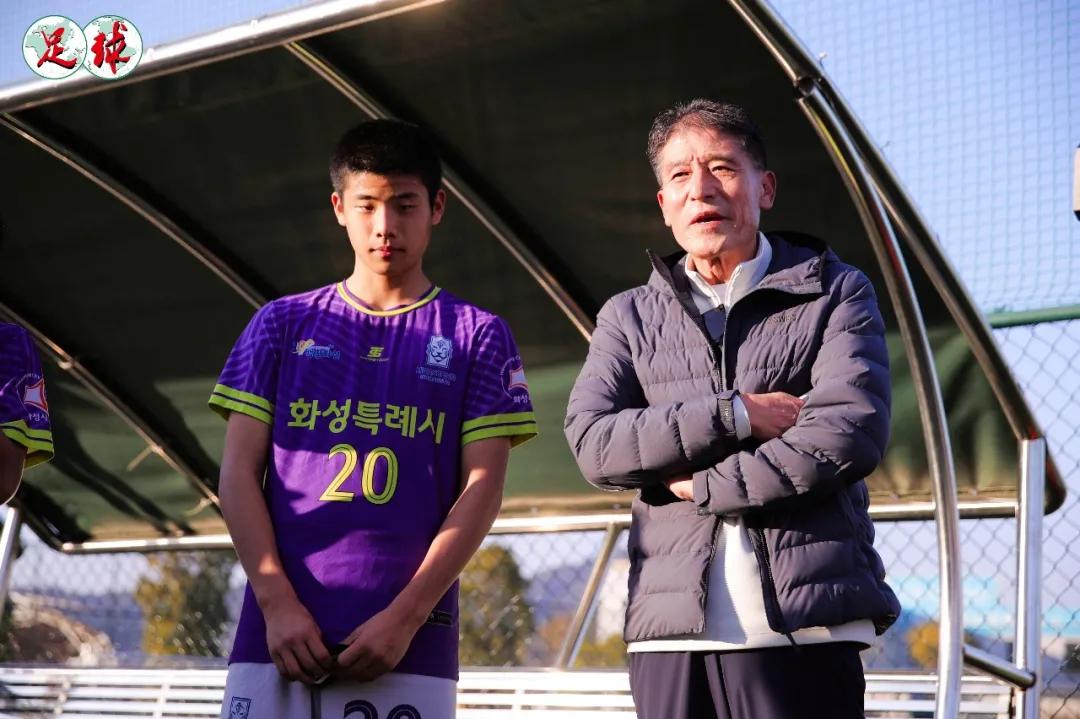
◆How should China and Korea specifically exchange youth training experiences?
Although Korea and China share similar standards in youth training, the real difference lies in the details. For example, two plates both have stir-fried beef with the same ingredients, but they are not the same dish, right? The cooking time, the chef’s skill, and the seasoning amount make the difference. What truly determines the gap is culture and content. I hope Chinese coaches learn to truly see the subtle differences between themselves and their opponents. Korean coaches have also told me they don’t consider themselves superior to Chinese football; Korean football also faces various problems.
◆Is Coach Lee really that modest?
Everyone should be modest and learn from each other. The direction of learning is not just noticing surface differences when sitting together but understanding the real details beneath appearances.

During this event, Lee Yong-soo, Vice President of the Korean Football Association, came specially to Dingnan, which made Lee Jang-soo very pleased. Lee Yong-soo is two years younger and a close friend from Lee Jang-soo’s playing days, almost a “best buddy.” In 2001, Lee Yong-soo wanted him to become the head coach of the Korean national team and promised that even if a foreign coach was hired, Lee Jang-soo could serve as assistant coach. At that time, Lee Jang-soo had only been coaching at China’s Chengnan as an assistant for three years and was not well-known in Korea. Lee Yong-soo’s decision was more based on his respect for Lee Jang-soo’s football philosophy and character.
◆Football Magazine: How does it feel to meet an old friend in China?
Lee Jang-soo: I’m very happy to see a familiar friend in China. He knows about your previous reports, and we’ve talked a lot. He understands my thoughts, which also evolve with China’s actual situation.
◆What exactly are your thoughts?
At first, I wanted to establish a Lee Jang-soo Football School to train Chinese youth players, using a fee-based model to pay coaches. Perhaps the situation in China differs from Korea, so my ideas have changed somewhat, but my consistent goal is to help Chinese football and cultivate talented players for the Chinese national team. Now, I’m also considering how to use my football resources in Korea to promote football exchanges between China and Korea.
◆Aren’t you worried people might say you’re profiting from children by charging fees?
I don’t care what others say. Some old friends came this time and saw what’s really happening; they highly recognize this event. Their support is my greatest encouragement. Chairman Lee joked that even Korean clubs want me as their head coach. If I wanted to make money, how much could youth football really earn?
◆It sounds like your ideas are quite straightforward.
I am simple and direct, even short-tempered. I want to do things my way with a clear goal and don’t overthink other matters. Everyone views things differently, but the support from those who know me best and whom I trust is very important to me.
◆Will this China-Korea youth football exchange continue?
I also want to rest; organizing matches is troublesome, right? But if I believe this is meaningful and my health permits, I can and am willing to promote some activities. Perhaps in the future, many of my friends will join in advancing China-Korea youth football exchanges.
◆What plans do you have for the future of China-Korea youth football exchanges?
Korean media are also paying attention to this event, and the teams returning to Korea will share their experiences in China. I believe the Korean football community will soon fully understand the significance of this. I’m also adjusting my thoughts. This time in Dingnan, I learned that the local government and training center persistently focus on youth football training. If they need my help in the future to provide Chinese children opportunities to exchange in Korea, I will promote it. Chairman Lee is also eager to do these things, but we must be more professional, have detailed plans, avoid conflicts with Korea’s own competitions, and better understand Korea’s international exchange systems and rules. That way, we can be more effective.


Wonderfulshortvideo
The footwork, the finish 🤌


Did you get it? 🤔😅
The Wirtz x Sané link-up 🔗
Haaland’s movement 🥵
Which counterattack is
Griezmann with the cool finish 🥶
“afcon funny moments”
 Links
Links
 Contact
Address:UNIT 1804 SOUTH BANK TOWER, 55 UPPER GROUND,LONDON ENGLAND SE1 9E
Number:+85259695367
E-mali:icecmxtdaf@gmail.com
 App
App


