



Four Pillars, Layered Education: A Comprehensive Guide to South Korea’s Football Youth Training “Pyramid” System



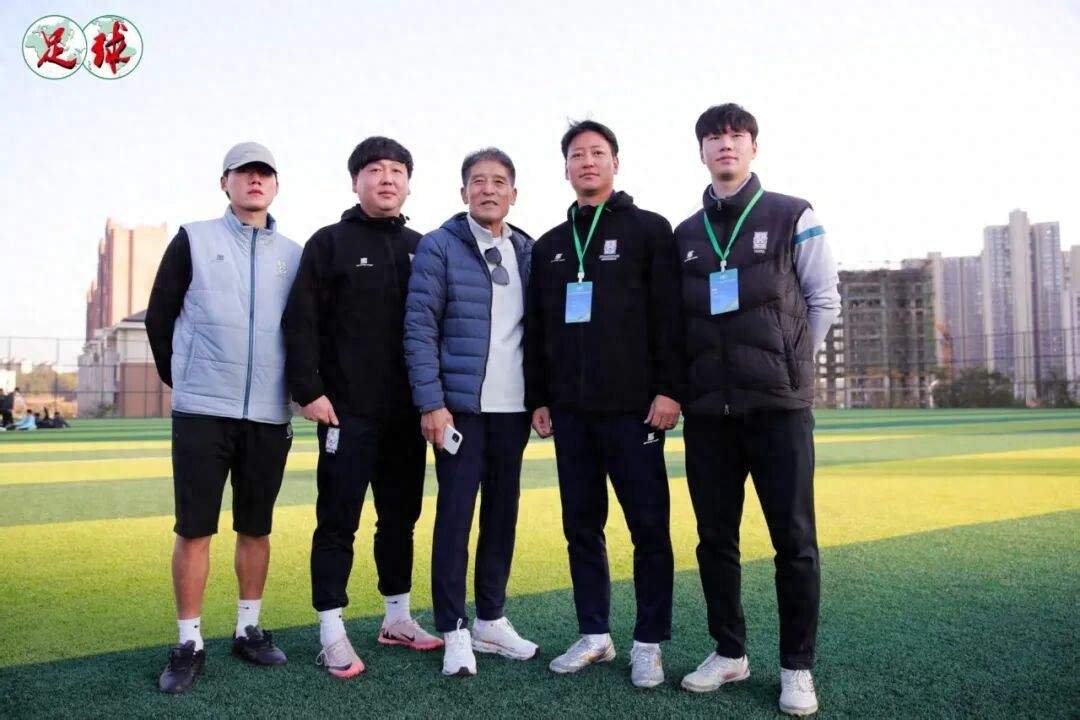
Han Bing reporting from Dingnan, Jiangxi South Korea’s football youth training system closely resembles the approach actively implemented in Chinese football today, serving as a key basis for youth football exchanges between the two countries.
In recent years, the trend in South Korean youth football development shows that the system is built on two main pillars: the youth teams of professional clubs and non-professional club training programs, forming four operational models involving professional clubs, the football association, government agencies, and private capital investment.

The K League’s professional club youth team league, including the youth leagues of the K1 and K2 professional leagues (K League Junior), was established in 2008 initially featuring only the U18 league. In 2015, it was renamed and expanded to include the U17 league. The U18 league grew from 8 teams initially to 16 in 2012, and reached 25 teams by 2024, divided into Group A (8 teams), Group B (8 teams), and Group C (9 teams). After a single round-robin in the first half of the year, the top 4 teams from Groups A and B and the top 5 from Group C compete in the upper half tournament, while the remaining teams compete in the lower half tournament in the second half of the year.
In 2018, the K League launched U14 and U15 leagues, which in 2024 also operate with three groups. Unlike the U18 league, each group in the U15 league is an independent competition. From 2024, both the U15 and U18 leagues have upgraded to weekend home-and-away matches, requiring youth players to adapt early to the home and away environment of professional first-team leagues.
In 2019, the K League youth league added U11 and U12 competitions, now forming a total of six age-group leagues: U11, U12, U14, U15, U17, and U18. The U11, U14, and U17 groups use a tournament format combining group stages and knockout rounds to ensure younger, second-tier players gain ample match experience. Recently, additional competitions such as the Korea Football Association Chairman’s Cup U18 league, U17 Youth Cup, and U15 Hwarang Flag Spring High School Football Championship have enriched and improved the professional league youth team competition system. With the K League expanding in 2026 and 2027, the 2027 youth league is expected to include at least 30 club teams.
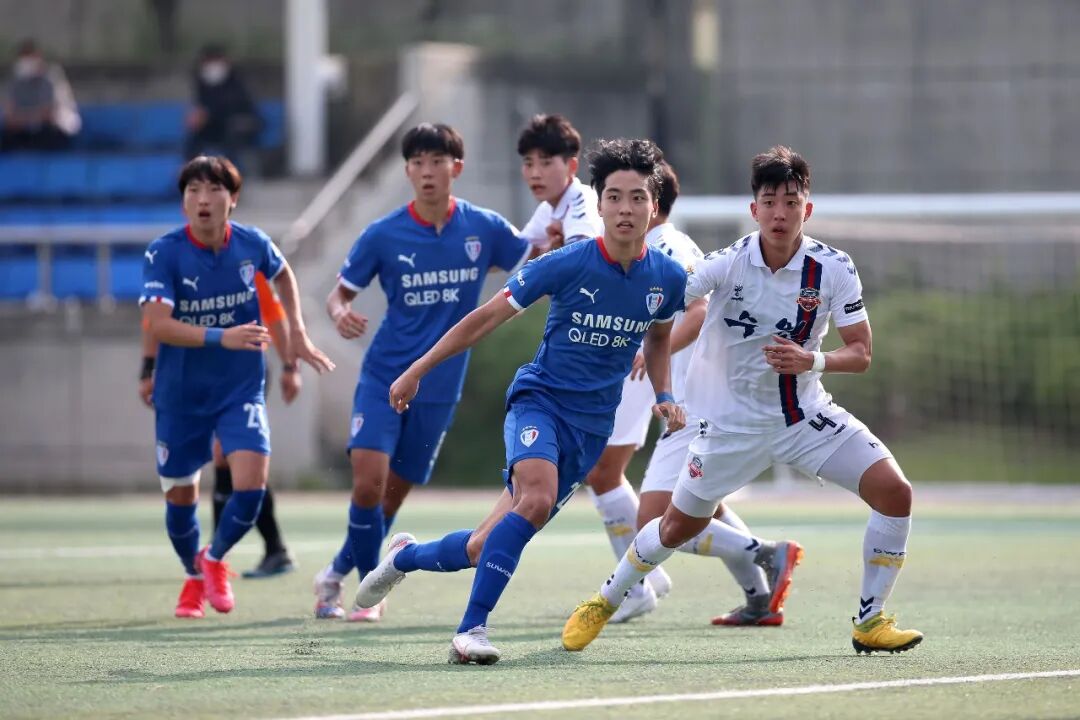
It is important to note that most youth teams in the K1 and K2 leagues collaborate with local elementary, middle, and high schools. Although players registered with professional club youth teams still attend school, they are no longer eligible to represent their schools in school leagues. While closely connected to partner schools, the professional club youth teams and school competitions operate as two entirely separate systems. Players registered with professional club youth teams can participate in nationwide age-appropriate cup and championship competitions under the club’s name.
Similar to their senior K League teams, youth squads of major conglomerate-backed clubs like Seoul FC, Ulsan Hyundai, Pohang Steelers, and Suwon Samsung have consistently excelled in the U15 and U18 leagues. In 2025, the U15 and U18 teams of K2 League’s Busan I-Park, as well as the U14 team of Suwon FC relegated from K1, won their respective youth leagues—rare upsets in recent years.
Coaches from the Korean side participating in the China-Korea youth football competition believe that the structure, training, and matches of K League club youth teams are closer to professional league standards and that these teams are stronger than school leagues or those funded by local football associations or government bodies.

Compared to the K League youth leagues, which feature 20 to 25 teams per age group, the foundation of South Korean youth football remains the four levels of national school leagues. The elementary, middle, high school, and university leagues are larger in scale and cover more players. Each year, over 1,000 teams participate in the first three levels, with age groups distributed as U12 (elementary), U15 (middle school), and U18 (high school).
The structure of South Korea’s school football youth training system centers around schools while maintaining connections with professional clubs. School football, as the largest foundation of the youth training system, relies on regular schools for football promotion. Certain prestigious traditional schools attract youth players even more strongly than professional club youth teams. Admission competition at these traditional schools is fierce, while most youth players are distributed among ordinary schools, youth teams established by local football associations and government, and public sports clubs.
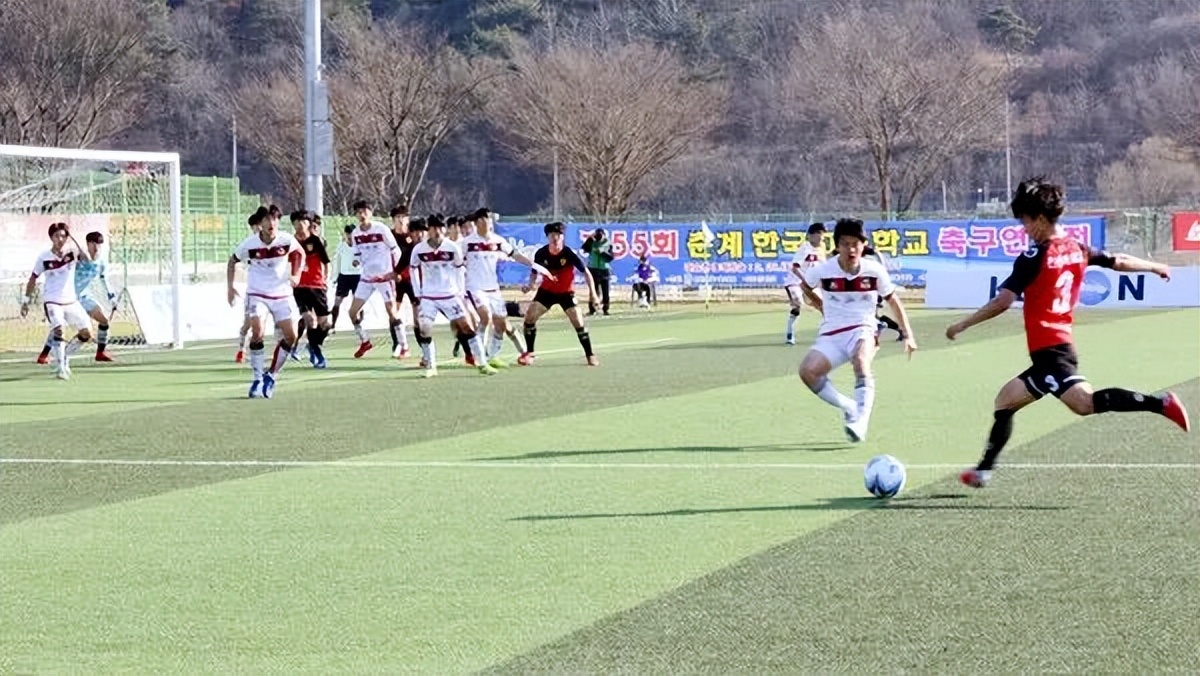
Since 2003, South Korea has expanded its university leagues by splitting the original competition into U20 leagues for first and second-year university students and football tournaments, as well as U22 university leagues and national sports festival football events. This expansion aims to further develop the potential of players aged 19 to 22. Because school leagues provide sufficient matches, student players do not need to sign long-term contracts with high buyout clauses with professional clubs, allowing them to continue their studies as a fallback should their football careers face limitations. Parents generally prefer keeping players in school rather than signing early with clubs.
Recently, South Korea’s school youth training system faces a fundamental shrinkage issue due to declining birth rates and fewer school-age children. For example, in North Chungcheong Province alone, 38 school sports teams have disbanded in the past five years due to lack of members. The football team of Cheongju Unho High School, which has a 53-year history, is at risk of dissolution. However, the overall youth football population in schools remains sufficient, so the school training system is unlikely to be significantly impacted in the short term.
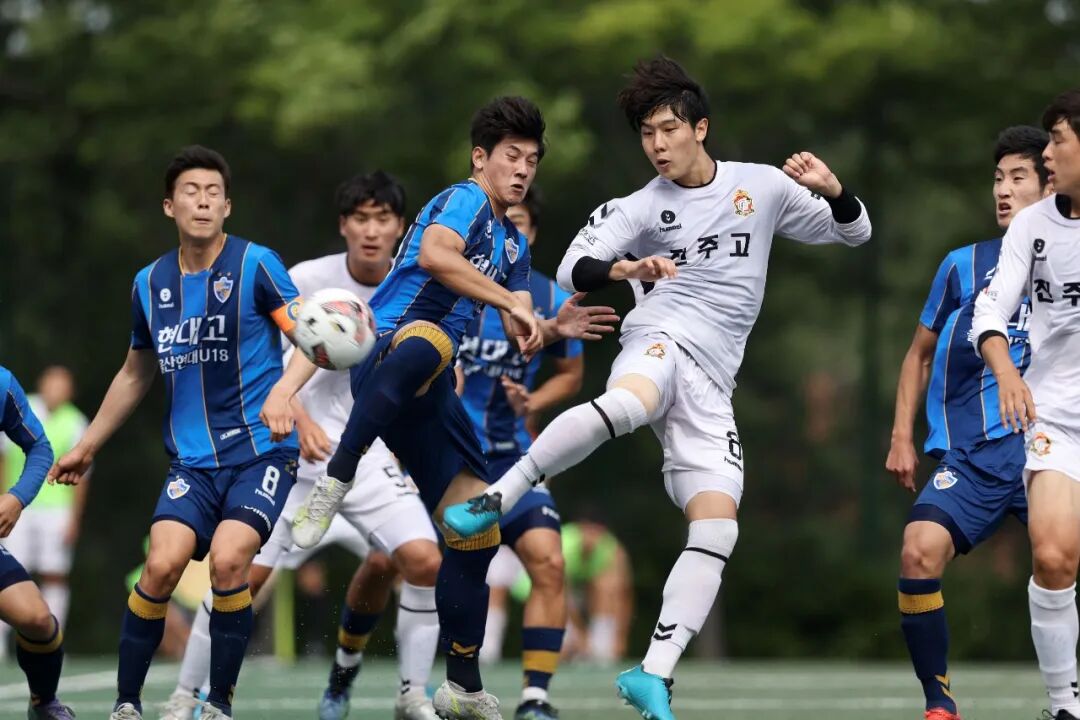

Regarding non-profit youth training institutions, besides 20 youth football training centers funded by the 17 primary administrative districts and city-level football associations in Korea, there are 5 regional training centers and one national-level center in Cheonan, along with public sports clubs as supplements. These form the core of Korea’s 2014 “Golden Age” program, with three levels of training centers progressively nurturing talent. However, compared to the vast school training system, these centers mainly serve as short-term elite training and selection platforms. For example, HSFA Hwaseong and Yongin Football Center, participants in the China-Korea youth football competition, fall into this category. Yongin Football Center is transitioning into a professional club youth team following the establishment of Yongin FC.
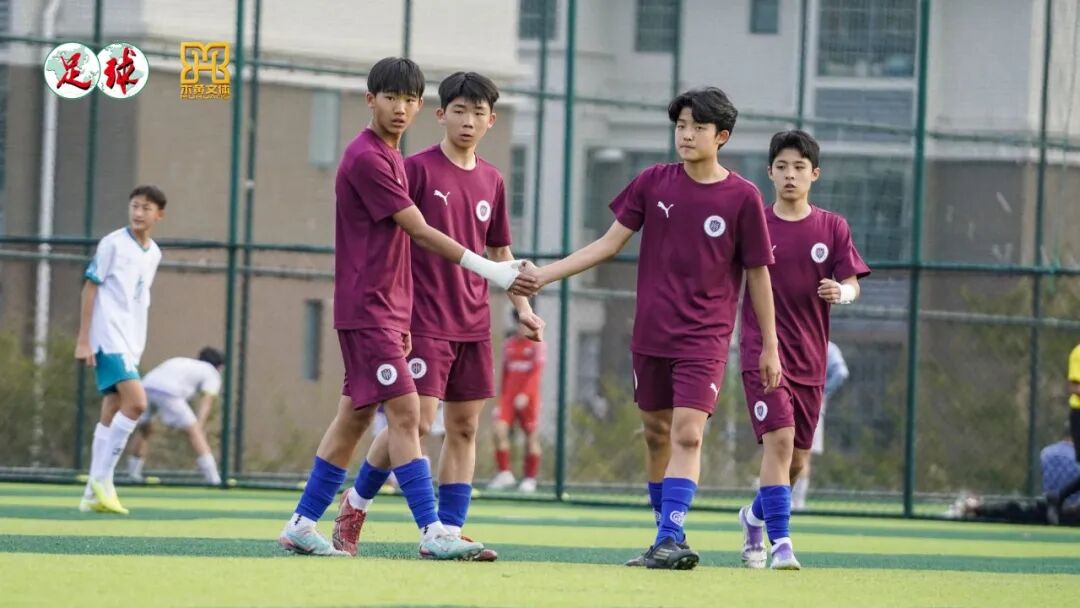
In 2013, South Korea launched a public sports club project, divided between metropolitan and small-to-medium city categories. Metropolitan areas with populations over 200,000 and at least five sports facilities receive a three-year subsidy totaling 300 million KRW (about 1.4 million RMB). Smaller cities with populations under 200,000 and at least three sports facilities receive 200 million KRW (about 950,000 RMB) over three years. Public sports clubs may involve professional clubs in their operation, must offer at least three sports including football, and either own their own facilities or be entrusted by local governments to manage venues as independent non-profit companies. This model covers nearly all sports, with football being the most popular. It broadens the talent pool for professional club youth teams and fosters a strong sense of belonging among members who cooperate with or are run by K League clubs.
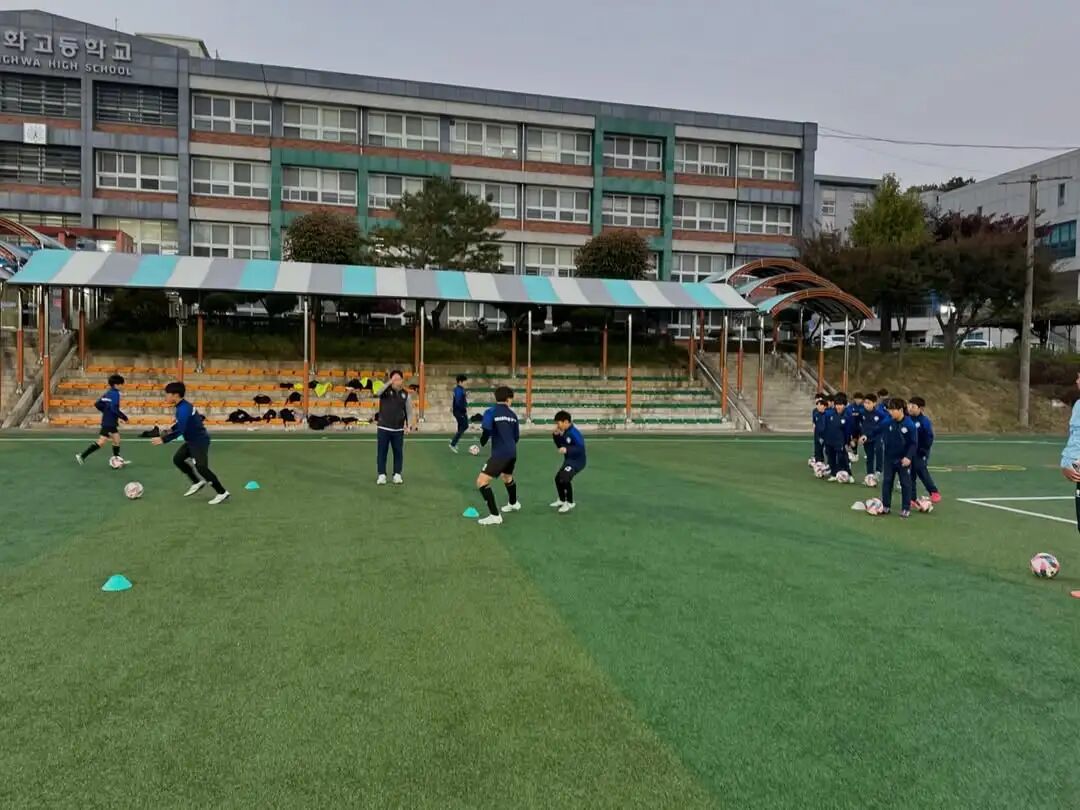
The K League’s establishment of public sports clubs draws on operational models from other countries’ football clubs, such as Shonan Bellmare in Japan’s J League. Founded in 2002 as a comprehensive sports club, Shonan Bellmare increased its average league attendance by 44% over seven years. The club operates youth teams in U15 football, beach volleyball, and baseball, expanding its youth athlete base and increasing loyal fans. When Korea initiated its project in 2013, there were 89 public sports clubs; now, the number has exceeded 200.
In 2023, South Korea’s Ministry of Culture, Sports and Tourism designated 107 “designated clubs,” providing a total subsidy of 13.7 billion KRW (about 65 million RMB) to cultivate elite and young athletes. The designation is valid for three years, with evaluations every three years to decide on renewal and continued funding. Jeollanam-do province had the most designated clubs in 2025, with 15. Both designated and public sports clubs, due to their relatively low player development costs and open models, supplement South Korea’s youth football training system.

South Korea has a vast number of private football youth training institutions, including youth clubs, private academies, and specialized sports education centers; just in Incheon, there are 35 such entities. However, only one has an official cooperation agreement with a professional club like Incheon United, with two others having close but unofficial ties. The number of players recruited annually from private institutions into professional club youth teams is very small. Compared to non-profit youth clubs supported by local football associations and government, private institutions offer better training facilities and one-on-one personalized training, and may provide opportunities to go abroad, but their high fees make them less competitive against the mature and comprehensive school training system in attracting youth players.
Private training institutions charging fees generally struggle to obtain government subsidies. For example, the famous Park Ji-sung Football School, established in 2010, has remained unprofitable despite its reputation. The SON Academy, founded by Son Heung-min’s father, also faces difficulties recruiting enough players due to high fees. Besides monthly membership fees, players must pay out of pocket for personal equipment, matches, winter and summer training, and meals, with annual costs reaching several thousand US dollars. More expensive private courses charge even higher fees, deterring most parents.
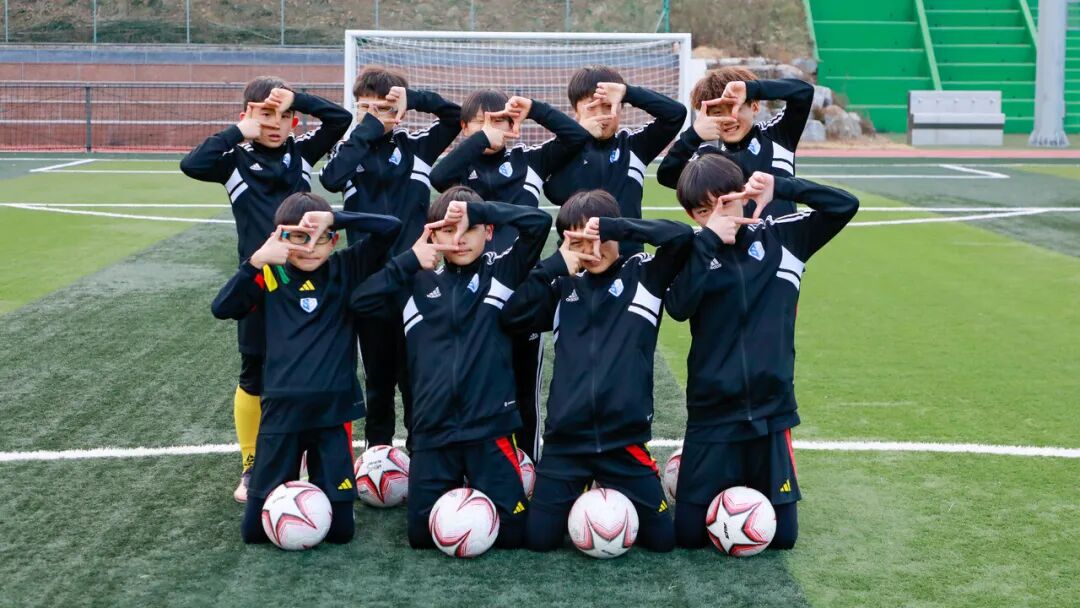
Currently, South Korea’s youth football development still relies primarily on school football as its largest foundation. Even professional club youth teams in younger age groups depend on cooperation with schools. Elite training models are built on training centers under various football associations. Private youth clubs need to focus on attracting more young players to participate.
South Korea’s youth training model is largely similar to China’s, but the real difference lies not in the model itself, but in the details within it. Starting technical, teamwork, and mental training from a young age, combined with ensuring more match opportunities, is essential to narrowing the gap between Chinese and South Korean youth football development.


Wonderfulshortvideo
The footwork, the finish 🤌


Did you get it? 🤔😅
The Wirtz x Sané link-up 🔗
Haaland’s movement 🥵
Which counterattack is
Griezmann with the cool finish 🥶
“afcon funny moments”
 Links
Links
 Contact
Address:UNIT 1804 SOUTH BANK TOWER, 55 UPPER GROUND,LONDON ENGLAND SE1 9E
Number:+85259695367
E-mali:icecmxtdaf@gmail.com
 App
App


