



Ole Gunnar Solskjær is deeply disappointed at missing out on a return to Manchester United! His comeback was seen as excessive, with reports indicating both players and Sir Alex Ferguson opposed his reinstatement.



Manchester United has confirmed Carrick as the interim manager for the last 17 Premier League games this season. Solskjær, his competitor, is extremely disappointed by the club’s choice to appoint Carrick, his former assistant, instead of him. He considers himself a club icon and feels his previous successes, such as the Premier League runner-up finish and the incredible Champions League turnaround versus PSG, justify him as the preferred option.
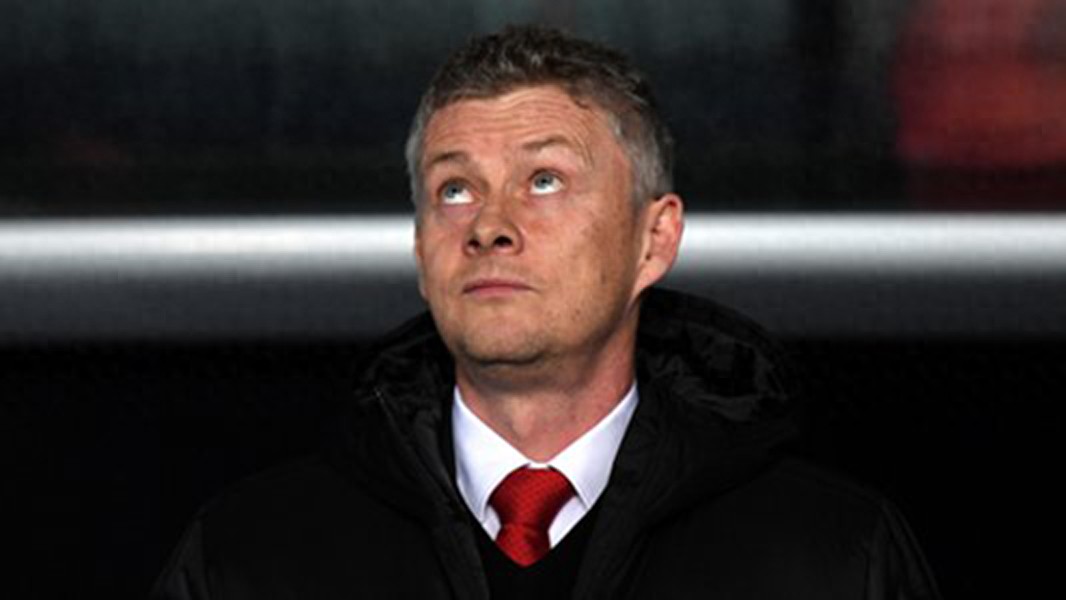
However, when Solskjær returned to Carrington for an interview last Saturday, he was already trailing behind his former teammate Carrick in the selection process. On Monday, Manchester United’s sporting director Jason Wilcox officially informed Solskjær that he was not chosen as the club’s manager.
Although disappointed, sources insist Solskjær fully supports Carrick. They remain good friends and kept in frequent contact throughout the process. Any dissatisfaction Solskjær has is directed at Manchester United’s management, not at Carrick.
Solskjær’s failure to secure the role is not solely due to one-sided factors. Early on, his agent Jim Solbakken’s camp leaked that Solskjær was highly interested in the position, willing to forgo salary and status, and was the frontrunner. This confused Sir Jim Ratcliffe’s management team, who had previously indicated no decision would be made before interviewing both candidates.
Solskjær’s team sought to build momentum but unfortunately went too far. Moreover, during subsequent negotiations, Solbakken demanded a hefty bonus contingent on Champions League qualification, contradicting earlier public claims that money was not a concern.
Multiple sources told Sky Sports UK that after meeting with Carrick last Thursday, Manchester United’s top executives were very impressed with his performance and found him more compelling than Solskjær.
Carrick has sometimes been criticized for struggling to adapt at Middlesbrough, but he has consistently adhered to his football philosophy — controlling the tempo and suppressing opponents is his primary tactic. This style aligns perfectly with Wilcox’s vision for the kind of football Manchester United should play.
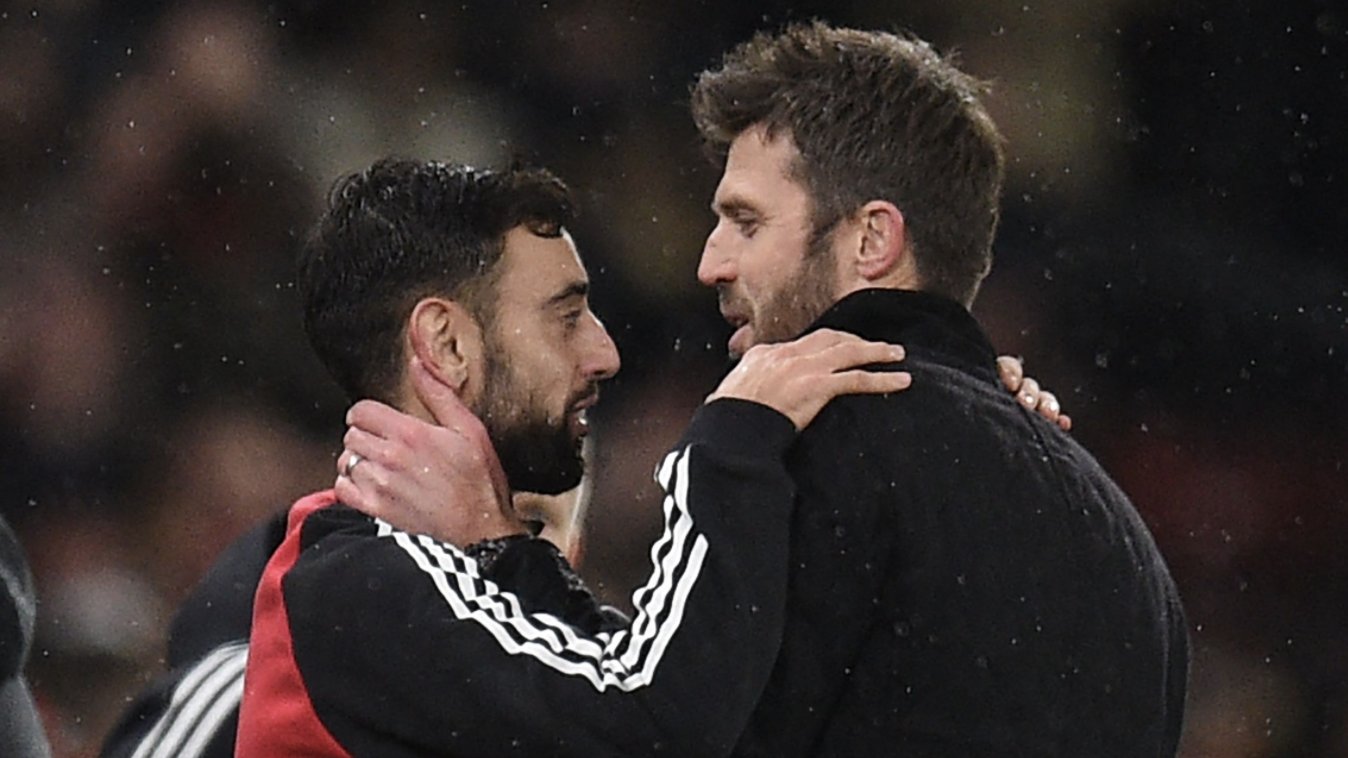
Carrick’s footballing principles and tactical approach undoubtedly impressed Wilcox and CEO Omar Berrada. Additionally, his willingness to accept an uncertain permanent role after the season worked in his favor during the interview process.
Carrick is well-versed in Manchester United’s current management power structure and understands that Wilcox will collaborate closely with the head coach on strategy, philosophy, and player selection. Carrick expressed enthusiasm for this system, having worked harmoniously with sporting director Kieran Scott at Middlesbrough. His leadership qualities and deep knowledge of the current squad earned strong approval from Inflexion.
In contrast, Solskjær aimed for a long-term tenure rather than just a few months until summer. He believes Manchester United needs a comprehensive rebuild to close the gap with Premier League elites, a view he shared with club executives. However, the club’s leadership was unwilling to accept this and clearly stated the role was only until the end of the season.
Solskjær’s potential return was also seen as a step backward. He managed Manchester United before Sir Jim Ratcliffe’s takeover, while Inflexion Group prides itself on forward-looking management and has criticized the club’s past operations. Reappointing a previously unsuccessful manager would be perceived as a contradiction. Despite Solskjær’s popularity among fans, Ratcliffe and his team are reluctant to undermine themselves repeatedly.
David Ornstein, a respected expert from The Athletic, explained: "Ole (Solskjær) represents many of the wrong turns taken by Manchester United’s hierarchy in the past, and some of them probably feel that bringing him back would be too much of a regression."
The British Daily Mirror reported that some players in the Manchester United dressing room opposed Solskjær’s return. They conveyed to club management that past developments showed Solskjær failed to inspire confidence. While he could keep players in good spirits, he was unable to foster real progress, lacking high-level tactical sophistication and relying mainly on counter-attacking.
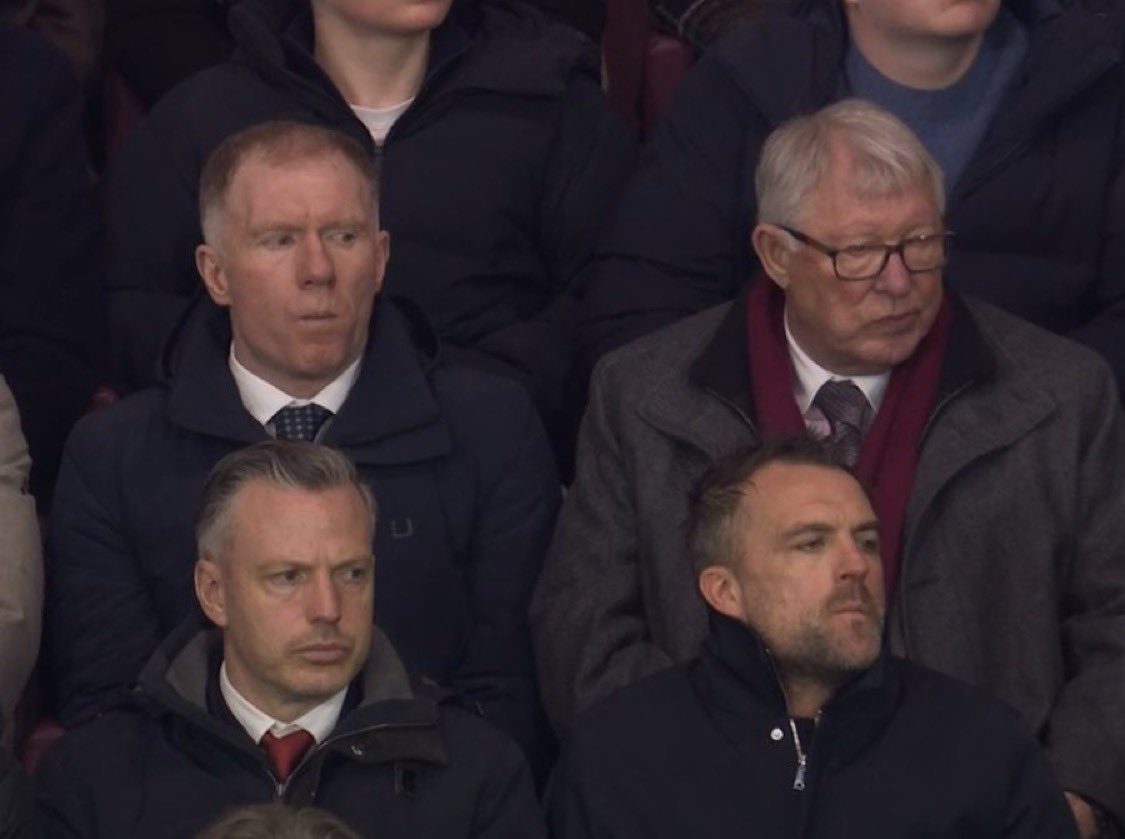
There are even rumors that Sir Alex Ferguson believes Solskjær has already had his chance but did not succeed, and now it is time to give Carrick the opportunity.


Wonderfulshortvideo
Which counterattack is


 Links
Links
 Contact
Address:UNIT 1804 SOUTH BANK TOWER, 55 UPPER GROUND,LONDON ENGLAND SE1 9E
Number:+85259695367
E-mali:icecmxtdaf@gmail.com
 App
App


