



The China-Korea Youth Showdown Debuts Spectacularly: Such Intensity, Such Pace, Truly Thrilling!


Chief reporter Chen Yong reports In the closing moments of the game, Zhejiang U15’s goalkeeper Zong Sicheng pushed forward while down 1-2, yet he couldn’t imitate Wang Dalei by helping score, resulting in Zhejiang’s loss. Upon exiting, Zong Sicheng and fellow players such as Hua Zixuan shed tears.
Throughout the match, both teams maintained rapid transitions, showcasing their respective tactical styles. The thrilling game earned high praise from coaches, players, referees, and broadcasters alike. The disappointment after giving their all turned into tears and motivation, with the growth brought by the high-intensity, fast-paced contest deeply imprinted in their hearts.

January 11 marked the first competition day of the inaugural “462 Cup” China-Korea Youth Football Elite Challenge, featuring four China-Korea matches alongside four local team contests.
The opening match featured Dingnan Dream Chasers versus South Korea’s Seongnam FC, where hundreds of Dingnan fans created an electrifying atmosphere. Dingnan Dream Chasers U15 mainly consist of players born in 2012, with six starters from that year group and two from 2013. They reached the top 32 in the 2025 China Youth League U13 division. However, compared to Seongnam FC, Dingnan Dream Chasers showed a clear gap, conceding a goal just before halftime and ultimately losing 0-4. Concurrently, Xi’an Sports School, weaker in strength than South Korea’s Incheon United, lost 1-3.
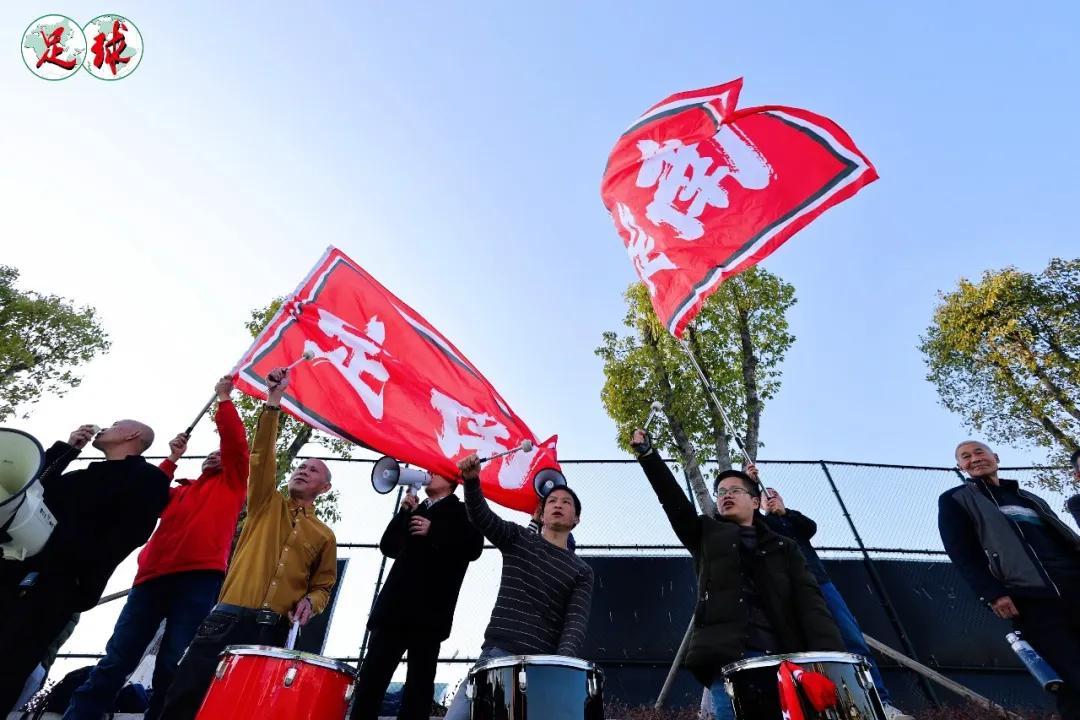
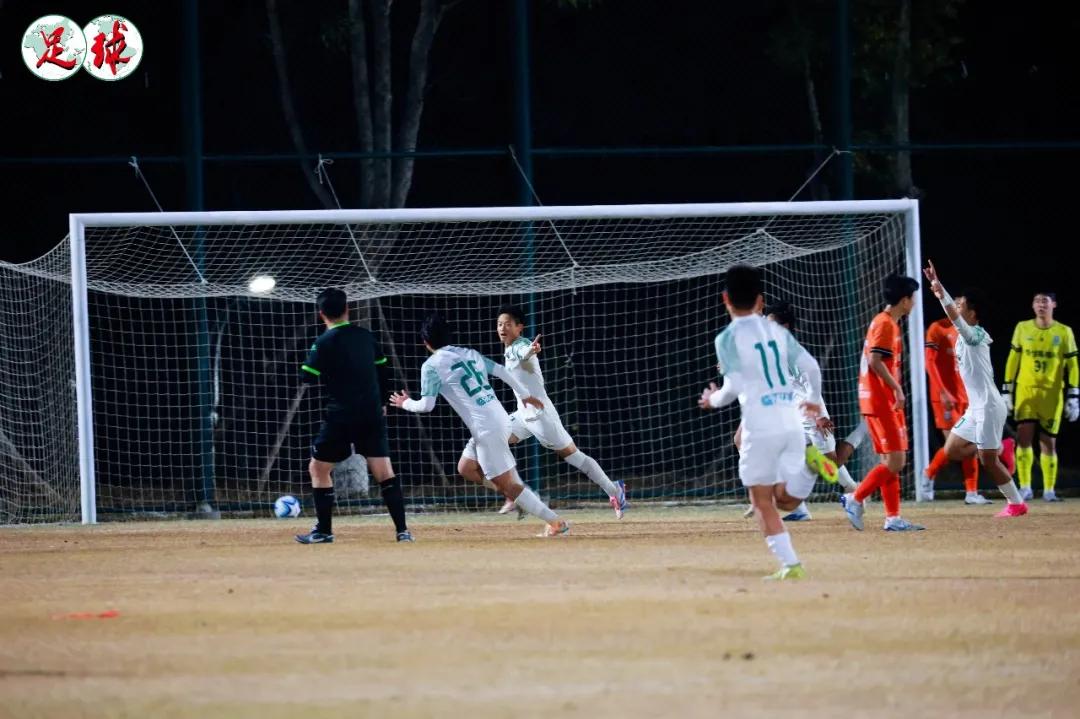
The evening’s two China-Korea matches ignited excitement: HSFA Hwaseong from Korea against Zhejiang, and Shanghai Port facing Korea’s Yongin FC. Although HSFA Hwaseong is not a professional club’s youth team, Korean coach Lee Jang-su, invited for this event, noted that HSFA Hwaseong ranks among the upper-middle teams in Korea for this age group. Zhejiang’s strength is undeniably top-tier within China’s youth training system.
Both teams played with rapid transitions throughout the match, each displaying their unique traits. Zhejiang showed more intricate passing, while HSFA Hwaseong emphasized high pressing. Their goals reflected these styles: Zhejiang’s came from quick multi-player combinations upfront, whereas HSFA Hwaseong’s equalizer resulted from intense front-line pressure forcing a Zhejiang defender’s mistake.
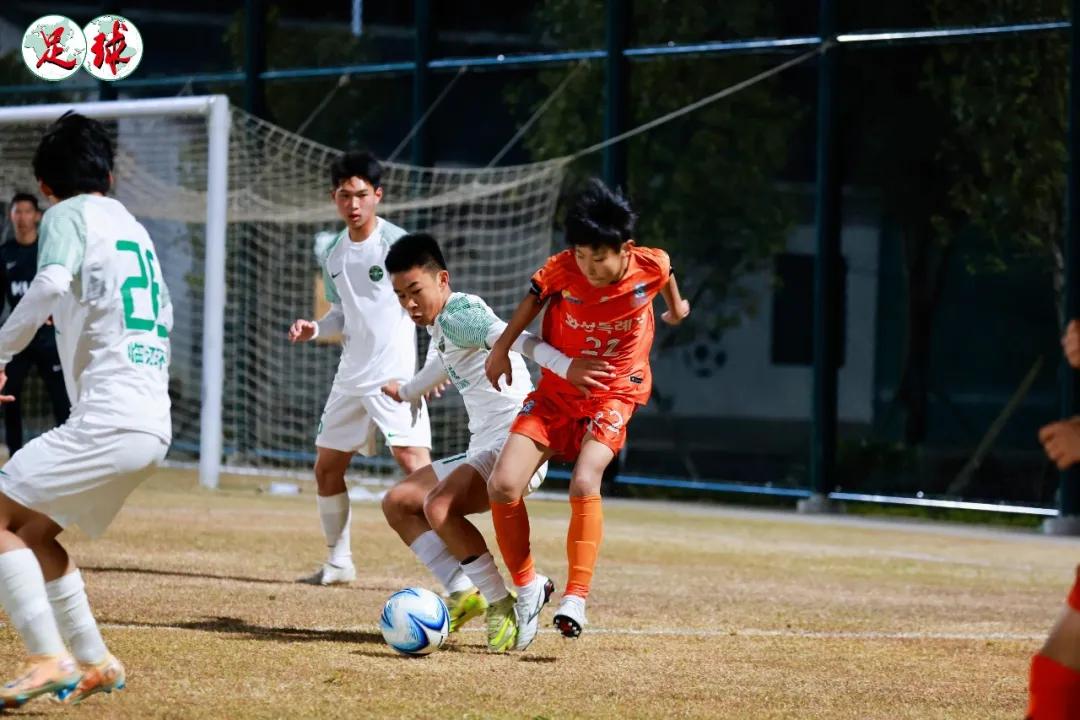
In the other game, Shanghai Port and Yongin FC engaged in a fierce battle. Yongin fielded two players from Korea’s national youth team. Both sides matched each other’s speed and engaged in heavy physical confrontations. Shanghai Port scored first, Yongin equalized, and Shanghai Port eventually triumphed in a penalty shootout.
These two high-quality China-Korea matches sparked widespread discussion. Young players from Ganzhou Youth Training Center watching from the sidelines were constantly exclaiming in amazement. Since the two matches took place on adjacent fields, they kept switching their attention between them. When their coach called them for a tactical meeting, the youngsters protested, saying, “We don’t want to leave; we want to keep watching!”
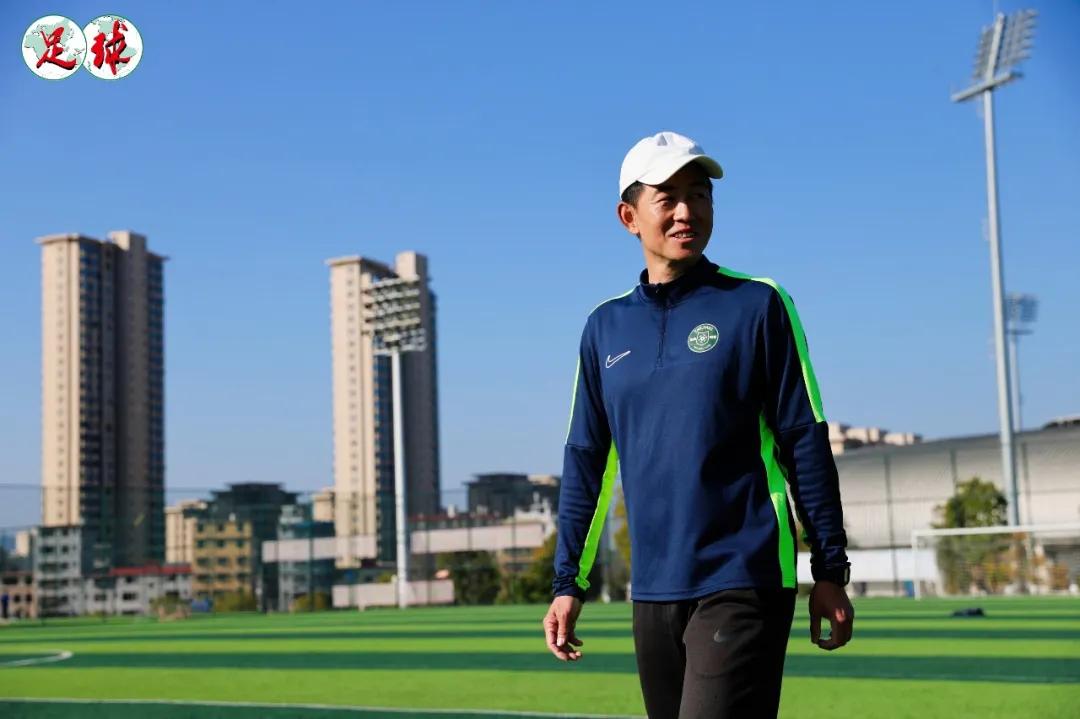
After watching the Zhejiang vs. Yongin FC match, Lee Jang-su commented that such games are very valuable, benefiting both Korean and Chinese teams, and he believes both sides will strongly desire ongoing exchanges.
Zhejiang’s head coach Feng Yang told reporters: “The Korean team has strong individual skills, abundant stamina, and a more direct style with high pressing upfront. The match’s intensity put pressure on us, but that’s exactly what we wanted to see. After adjustments in the second half, we gained better ball control. Due to the high intensity, there were more attacking and defensive transitions. At the finals stage of the China Youth League, similar matches can be seen, but there are still differences. For example, we play more often against Japanese teams, while the Korean team brought a different style.”
Hu Jialin, a national first-class referee from Zhuhai who has officiated many professional youth matches, was very excited after the game: “The intensity and pace of this match are rarely seen domestically. In my opinion, even U16 matches don’t compare to these two U14 games (2011 age group just transitioned to U15). After one match, I felt exhausted, but it was thrilling to referee.” Li Manfeng, responsible for the single-camera broadcast, said: “The constant transitions make broadcasting much more tiring than usual, but the matches were great to watch—tiring but very enjoyable.”

All of this embodies the original intention of the Football Newspaper in organizing the China-Korea Youth Football Elite Challenge: to provide more comprehensive and frequent international matches, offering Chinese elite youth teams a unique competitive experience, allowing young players to continuously develop through high-intensity, fast-paced games.
For this tournament, HSFA Hwaseong arrived at Dingnan International Football Training Center on January 8. On the 9th, they played against Dingnan U16, champions of the Ganzhou “New Long March Cup” U16 group, and on the 10th, faced Henan’s team. Upon arriving in China, HSFA Hwaseong’s disciplined, hardworking lifestyle, training, and match routines left a deep impression on reporters.
After the first competition day, Yongin FC requested an additional match from the organizers, which Henan promptly accepted. The two sides agreed to hold the extra game on the morning of the 12th. Thus, the inaugural China-Korea Youth Football Elite Challenge, just after opening, increased the number of China-Korea matches from 32 to 35.
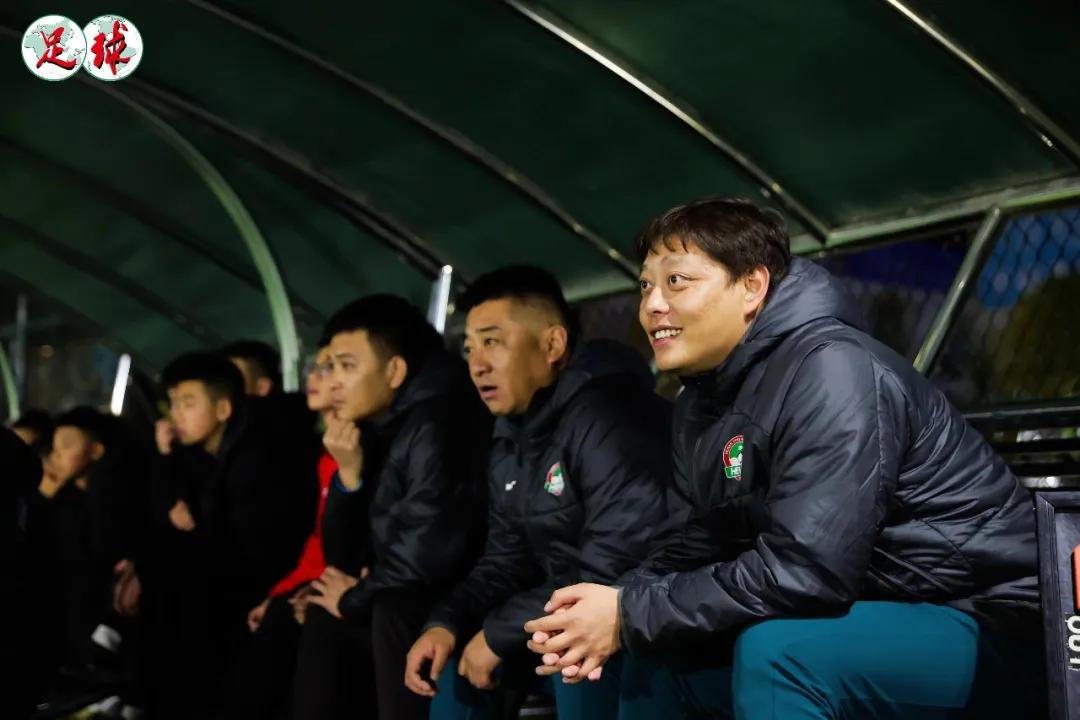
Reporters learned that when departing Henan, the coaching staff, players, and their parents agreed not to limit themselves to eight matches but to seek opportunities for more games.
Shenzhen Xinpengcheng replied a few minutes late and missed the chance to play an extra match against Yongin FC. They then issued their own invitation for an additional game, which Guizhou’s head coach Li Jichao quickly accepted. The two teams scheduled the extra match for the afternoon of the 12th. Consequently, the originally planned 64 matches for the inaugural China-Korea Youth Football Elite Challenge had already grown to 68 by the second competition day.
It is easy to imagine that such “extra matches” will continue to appear. The passion for football shared by coaches and players from China and Korea vividly demonstrates the true meaning of these competitions.


Wonderfulshortvideo
The footwork, the finish 🤌


The Wirtz x Sané link-up 🔗
Class personified.
yamal getting better raphinha goals today raphinha vs osasuna yamal barcelona highlights yamal pass today
Griezmann with the cool finish 🥶
“afcon funny moments”
🤤🤤
 Links
Links
 Contact
Address:UNIT 1804 SOUTH BANK TOWER, 55 UPPER GROUND,LONDON ENGLAND SE1 9E
Number:+85259695367
E-mali:icecmxtdaf@gmail.com
 App
App


