



After just one match, Fletcher achieved what Amorim could not.



In just a single match in charge, Darren Fletcher introduced new elements unseen during Ruben Amorim’s tenure.
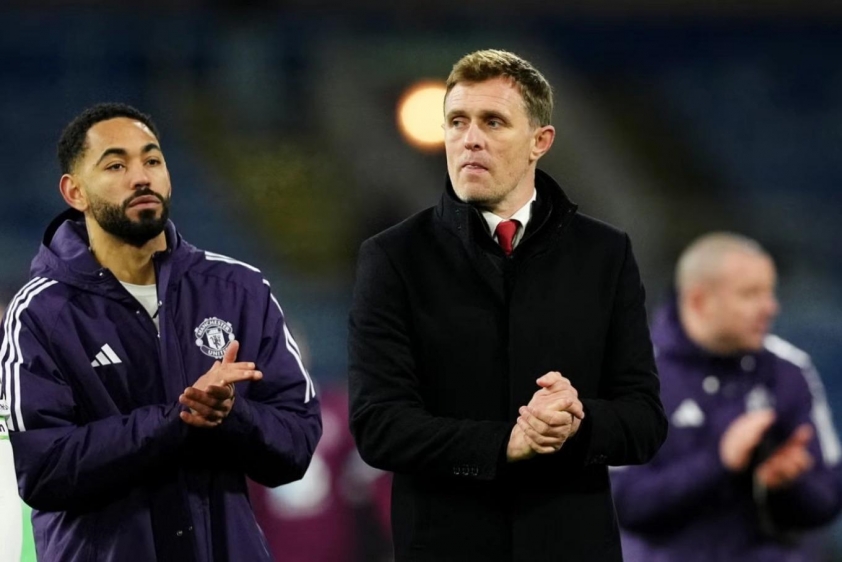
On the morning of January 8, Manchester United managed only a 2-2 draw against Burnley — the team second from the bottom in the Premier League standings. Nevertheless, the squad under interim coach Darren Fletcher left many promising impressions. The most noticeable change was that the Red Devils abandoned the 3-4-2-1 formation used under Amorim and returned to a 4-2-3-1 setup.
This adjustment paid off immediately as two players frequently criticized this season, Benjamin Sesko and Patrick Dorgu, both delivered outstanding performances. According to Statman Dave’s stats, Dorgu created five goal-scoring chances in this match, while Sesko took eight shots. These were the best figures for both players since arriving at Old Trafford.
Fletcher’s decision to position Dorgu as a left midfielder and Cunha on the right midfield reminded many of the golden era of the Red Devils under Sir Alex Ferguson. During that time, wingers stayed close to the touchline, using their strong foot to deliver numerous crosses. This change allowed Dorgu to fully utilize his speed and physicality. He was the one who delivered the precise cross for Sesko to score and make it 2-1.

As for Sesko, he delivered his best performance since joining Manchester United. Despite 11 goalless matches, Fletcher trusted Sesko to start. Unlike under Amorim, Sesko was allowed to play higher up and exploit spaces behind West Ham’s defense.
Both of Sesko’s goals resulted from intelligent runs exploiting gaps between West Ham’s defenders. The former Leipzig player could have scored a hat-trick if he had converted chances better. Clearly, playing in a system that consistently supplied him with balls, Sesko demonstrated why he is one of Europe’s most promising young strikers.
Additionally, Bruno Fernandes’ return helped Sesko reduce his playmaking duties, allowing him to focus more on attacking. That’s why after the Portuguese midfielder left the pitch in the 60th minute, the Red Devils immediately lost control and could not maintain the aggressive attacking rhythm seen in the early second half.

Although Manchester United still have many issues to address, particularly in defense and ball recovery, it is clear the Red Devils are much better suited to the 4-2-3-1 formation. This provides a clear reference for the club’s future coaching direction.



Wonderfulshortvideo
Class personified.


chelsea 3-3 leeds united 4-1 wolves
yamal getting better raphinha goals today raphinha vs osasuna yamal barcelona highlights yamal pass today
marc bernal highlights bernal barcelona vs frankfurt yamal goal today yamal highlights today lewandowski goal ferran goal raphinha goal barcelona champions league
jamie carragher salah interview monday night football carragher mnf salah press conference salah benched slot interview slot press conference
Griezmann with the cool finish 🥶
kounde goals today yamal assist today rashford assist today barcelona 2-1 frankfurt
 Links
Links
 Contact
Address:UNIT 1804 SOUTH BANK TOWER, 55 UPPER GROUND,LONDON ENGLAND SE1 9E
Number:+85259695367
E-mali:icecmxtdaf@gmail.com
 App
App


