



Manchester United has reached its limit, and Amorin "got what he asked for"


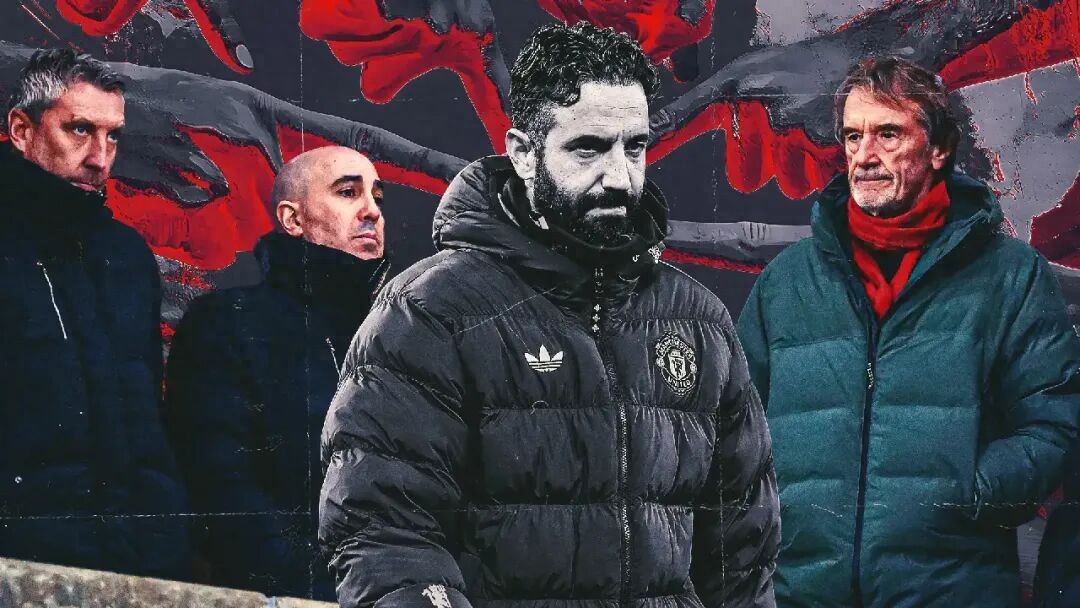
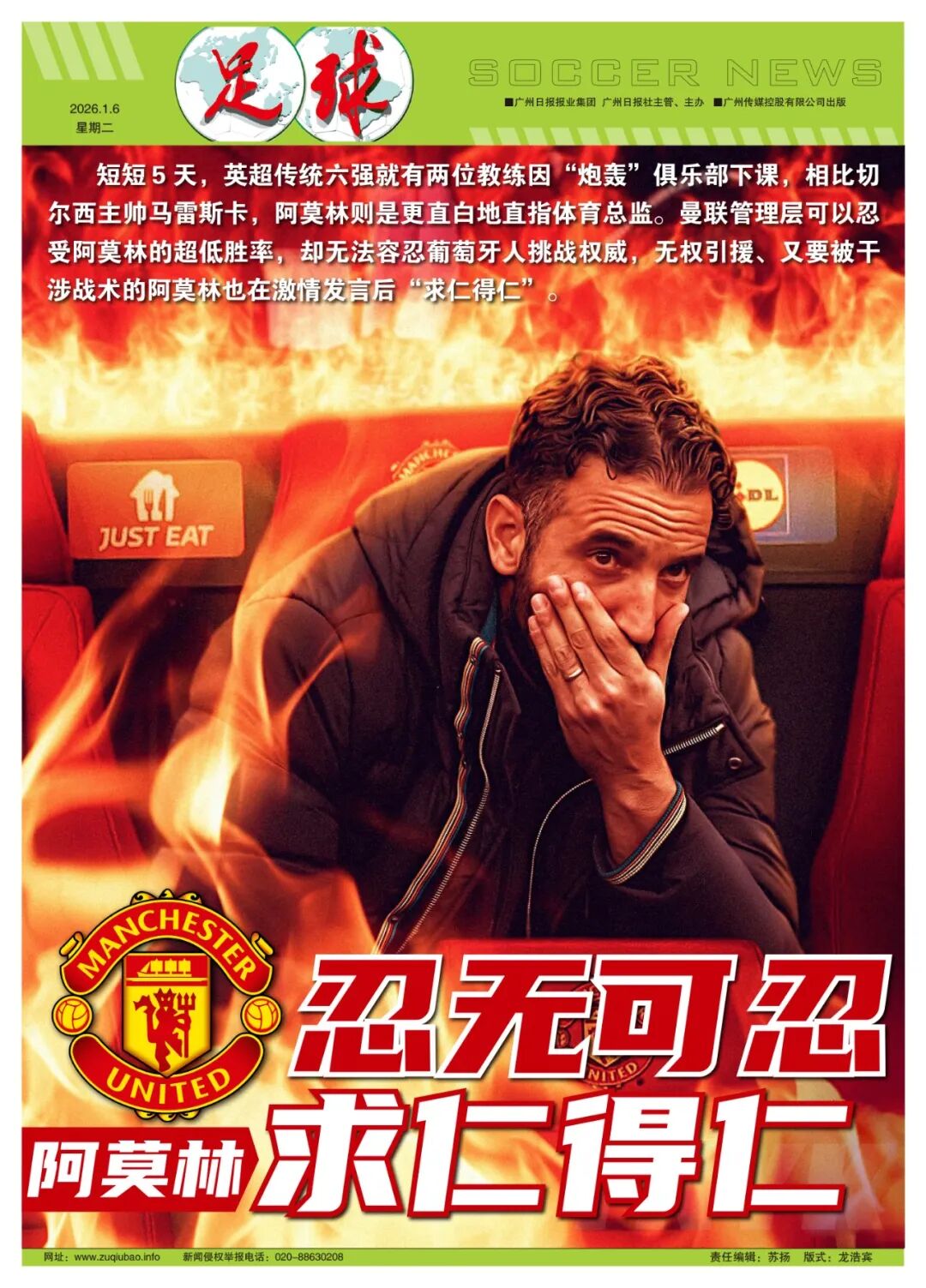
Written by Han Bing Maresca criticized the management and was dismissed by Chelsea 20 days later, but on January 4th, Manchester United’s head coach Amorin lashed out at the recruitment team during a post-match press conference, provoking the club’s leadership to act within 12 hours. Despite stating he intended to complete his 18-month contract, he was officially fired by a dismissal notice on the morning of January 5th UK time.
Compared to Chelsea’s coach Maresca, Amorin was more direct in pointing fingers at the sporting director. Manchester United’s management could tolerate Amorin’s very low win rate, but they could not accept the Portuguese coach challenging authority. Having no power over transfers and being interfered with tactically, Amorin "got what he asked for" after his passionate remarks.


On the morning of January 5th, Manchester United CEO Belada and football director Wilcox informed Amorin of his dismissal at the Carrington base. According to the contract, if Amorin was dismissed before completing one year (November 1st), he would receive £12 million in compensation. Currently, the compensation amount is still under negotiation, with UK media generally estimating around £10 million. Amorin did not seem surprised by the dismissal and was later photographed happily with his wife, somewhat confirming some UK media speculation that his outburst was a bid to get fired.

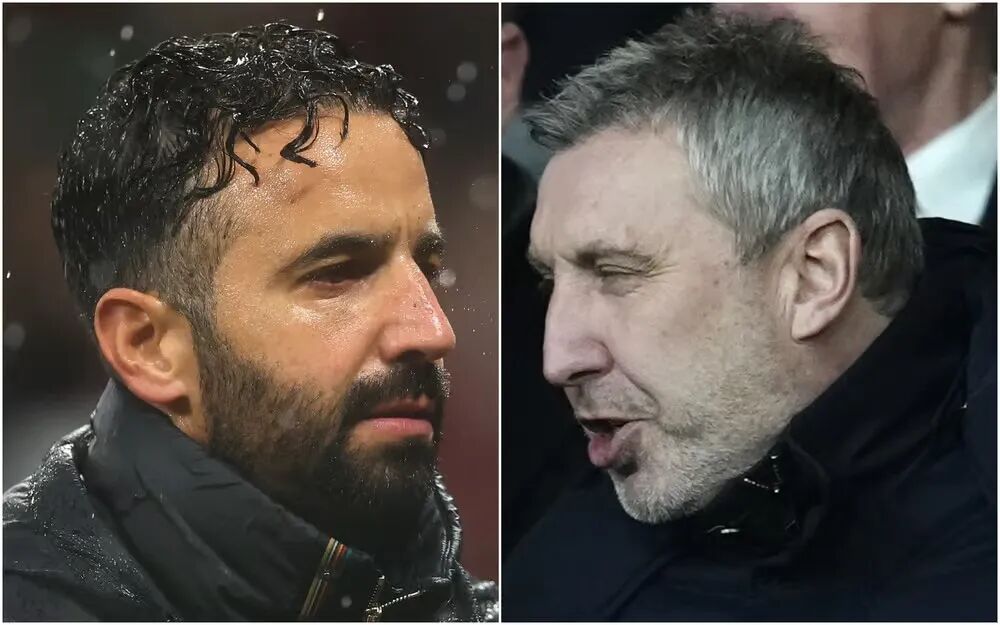
The accelerated crisis around Amorin’s position began after Manchester United was held to a draw at home by the winless bottom team Wolves on December 30th, and the crisis meeting held on January 2nd. Amorin had a heated dispute with football director Wilcox over tactics and winter transfer issues, prompting the Red Devils’ executives to realize a coaching change was inevitable. Amorin’s January 4th outburst, along with the cancellation of scheduled media appearances, became the final straw for the coaching change.
Amorin’s outburst originated from his claim to have been promised powers equivalent to a manager, but Manchester United only gave him the title of head coach without any say in transfers. The intense confrontation with Wilcox near the winter window was due to Amorin’s insistence on a three-defender formation, while Wilcox believed only a four-defender system was viable and demanded more tactical flexibility. Amorin’s winter transfer requests were also rejected, citing sufficient summer signings approved by the coaching staff. However, Amorin’s desires for an efficient striker and defensive midfielder in summer went unfulfilled, and the winter target Semenyo was snapped up by Manchester City, leaving Amorin pessimistic about the club’s demand for “positive change.”
When Amorin was dismissed, Manchester United ranked 6th in the Premier League, making the timing of his sacking appear puzzling. After all, despite Manchester United’s poor form near the relegation zone and even a humiliating League Cup exit to League Two Grimsby, the Portuguese coach was not dismissed. Instead, the team’s performance had improved this season, recently stabilizing in the top six.
However, from the management’s perspective, the improved results were not credited to Amorin. The team was only 4 points ahead of 14th place, a margin largely due to weaker opponents, and recent draws against relegation-threatened Wolves and Leeds United further eroded trust. The loss of mutual confidence led to emotional outbursts at the crisis meeting, and Amorin’s “blast” two days later continued his emotional attacks on management, making dismissal inevitable.
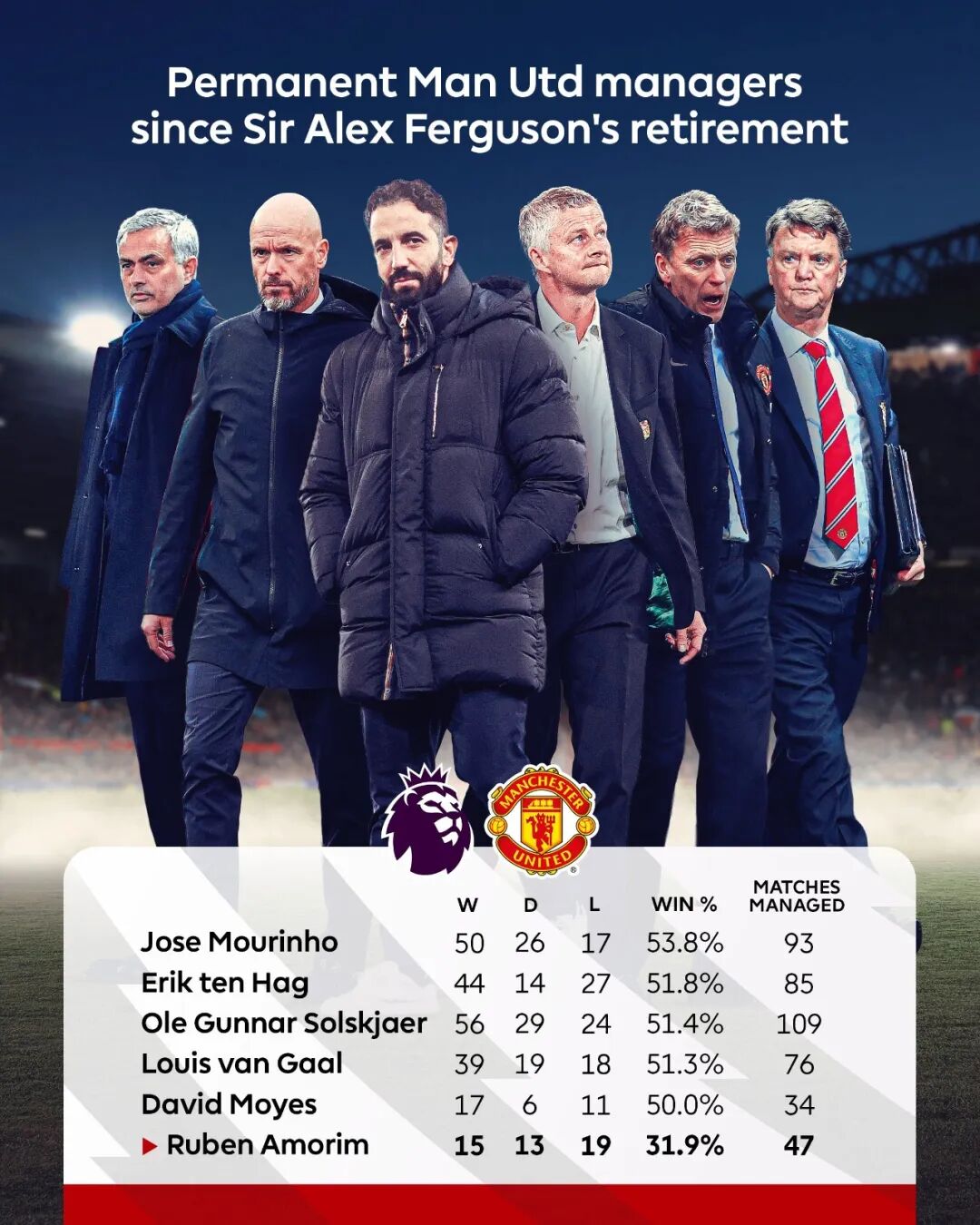
Although poor results were not the direct trigger for Amorin’s sacking, Manchester United had not escaped its slump since his appointment and even continued to decline without limits. In 47 games under Amorin, the team won only 15, drew 13, and lost 19, with a win rate as low as 31.9%, while his five predecessors all had win rates above 50%. His overall win rate across all matches was 38.1%, second only to interim coach Rangnick’s 37.9% since Ferguson. His Premier League points per game was only 1.23, the worst among the six permanent coaches after Ferguson, just behind Rangnick’s 1.54. Amorin lost one-third of his matches, the worst performance since O’Farrell in the early 1970s.
The Red Devils’ top management had long been nearing a breaking point. In their eyes, continuing to tolerate Amorin’s consistently poor team performance was an act of mercy by the club, and Amorin’s ungrateful “backbite” naturally meant “no more patience.”

But is that really the whole truth?
Amorin’s “passionate dismissal” was directly caused by his stubbornness over tactics and lack of effective communication with management. Yet UK media believe the root cause lies in Manchester United’s chaotic management: the high-priced director Ashworth, poached from Newcastle, opposed hiring Amorin from the start but was dismissed just five months after the Glazers approved the appointment. In hindsight, Ashworth’s professional judgment that Amorin’s fixation on a three-defender system lacked flexibility was validated, further exposing the lack of professionalism in the current sporting team.
As The Guardian commented: Amorin’s failure at Manchester United is a “systemic” failure of the Red Devils’ management team led by Ratcliffe.
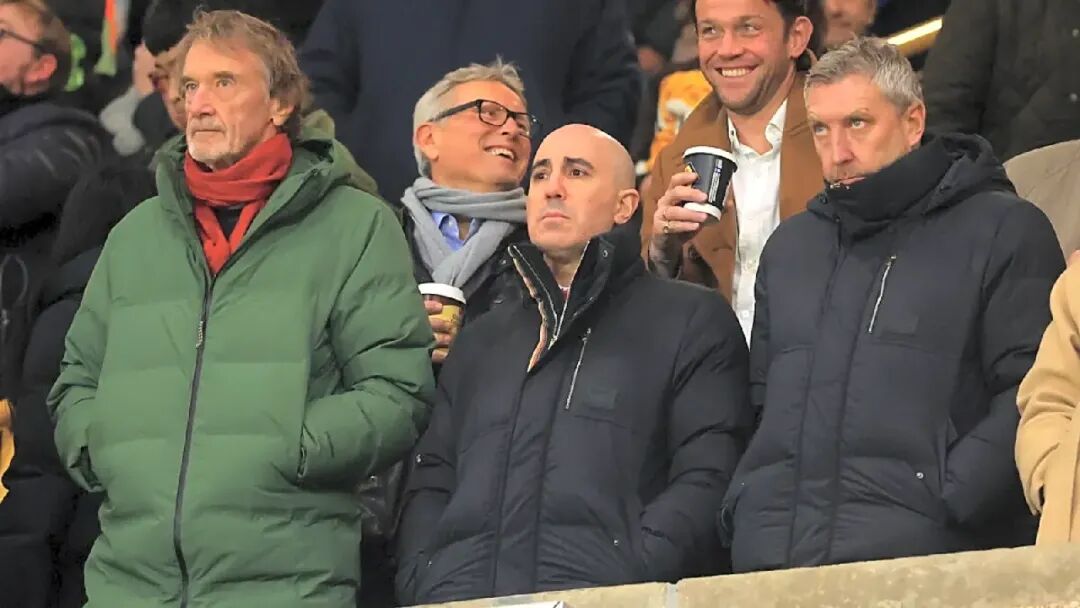
Manchester United’s “command group” should clearly be put in the spotlight for questioning. The Glazers insisted on cutting club staff and reducing employee benefits to save millions but lacked professional pre-appointment evaluation for costly coaching hires. Sacking Ten Hag cost £10.4 million, aggressively hiring Amorin cost £9.2 million, and firing him 14 months later will add another £10 million cost, which is baffling.
The Manchester Evening News believes the lack of effective communication between Manchester United’s management and Amorin, and the power struggle that superseded the club’s interests, led to the long-term “implicit confrontation” between the recruitment department and coaching staff. This culminated in intense conflicts and public criticism, ending cooperation completely. CEO Belada was busy with business affairs, while football director Wilcox focused more on asserting “power dominance” against Amorin. From transfer targets to team tactics and youth player promotion, major disagreements existed. Neither side genuinely tried to resolve differences but instead blamed each other, exposing Manchester United’s chaotic management.
When Amorin’s results hit a low in November last year, Manchester United’s management still supported him; this time even the major shareholder Glazer family intervened. People see no unified standard for evaluating the coach within management. Worse still, Manchester United now faces a new coaching dilemma. Fletcher is only an interim coach, and there is no clear direction on whether to keep an interim coach until the end of the season or appoint a new permanent head coach mid-season.


Wonderfulshortvideo
Class personified.


chelsea 3-3 leeds united 4-1 wolves
yamal getting better raphinha goals today raphinha vs osasuna yamal barcelona highlights yamal pass today
marc bernal highlights bernal barcelona vs frankfurt yamal goal today yamal highlights today lewandowski goal ferran goal raphinha goal barcelona champions league
jamie carragher salah interview monday night football carragher mnf salah press conference salah benched slot interview slot press conference
Griezmann with the cool finish 🥶
kounde goals today yamal assist today rashford assist today barcelona 2-1 frankfurt
 Links
Links
 Contact
Address:UNIT 1804 SOUTH BANK TOWER, 55 UPPER GROUND,LONDON ENGLAND SE1 9E
Number:+85259695367
E-mali:icecmxtdaf@gmail.com
 App
App


