



Spanish media directly states Vietnam national team's World Cup ambitions



According to the Spanish newspaper Mundo Deportivo, Vietnamese football is quietly pursuing long-term steps with the goal of reaching the 2034 World Cup stage.
The article focuses on the story of Catalan coach Gerard Albadalejo, who currently leads Ninh Binh Club and is the first Spanish coach in the history of Vietnamese football. According to Mundo Deportivo, Albadalejo’s decision to come to Vietnam was not random but based on a well-structured project with a clear vision.

In an interview with the Spanish press, Albadalejo said: “I have long sought an international experience to develop both professionally as a coach and personally, and the offer from Vietnam came. I saw it as a serious and convincing project. The president of Ninh Binh Club visited Barcelona, and over four days we had continuous meetings where he presented the sports project and convinced me. I went to Hanoi to learn more about the club, and within one week, everything was finalized.”
As described by Mundo Deportivo, Ninh Binh is a small city rich in history and culture, which once experienced a period where football was neglected. However, Vietnam’s strong economic growth in recent years has led to significant investment in sports, especially football. One major shareholder is a large bank and the main sponsor of the V-League, which acquired a First Division team for the 2024–2025 season, invested in the squad, and achieved promotion undefeated.
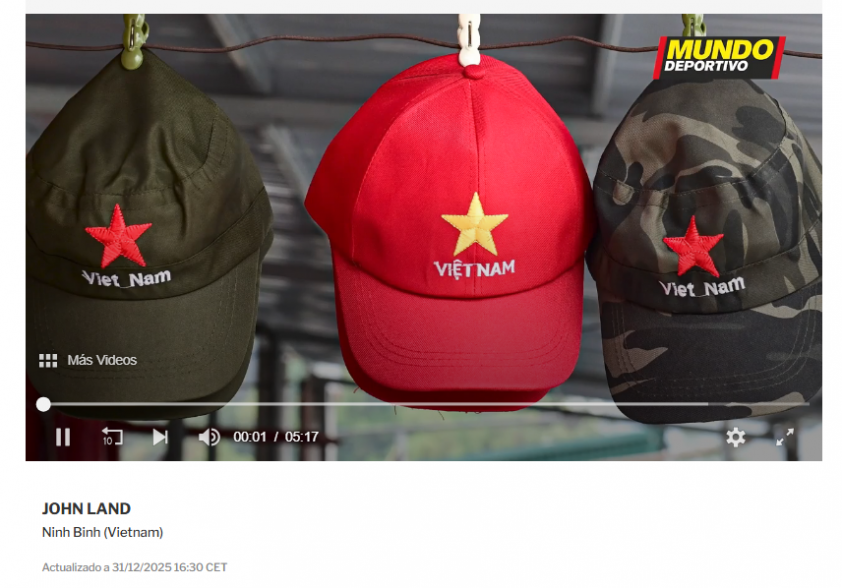
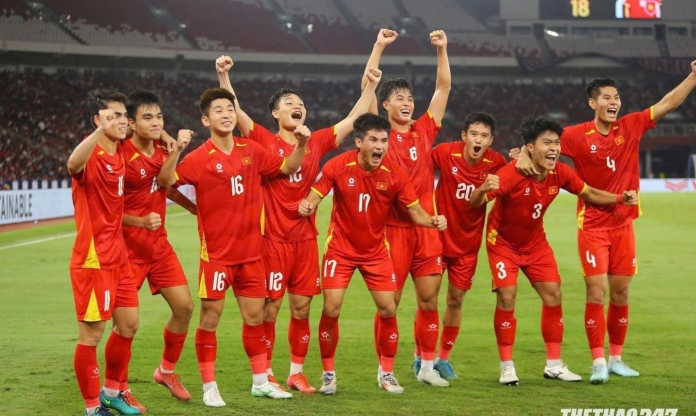
From there, an ambitious project was formed: to win the V-League and contribute to the larger goal of Vietnamese football which is aiming for the 2034 World Cup. The Spanish newspaper emphasized that this is not just the ambition of a single club but reflects the shared desire of Vietnamese football amid increasingly fierce competition in Asia.
According to Mundo Deportivo, to realize this goal, Ninh Binh Club chose the path of “exporting football mentality”by bringing in a coaching team from Spain with modern training methods. Albadalejo currently works with a squad of 30 players, mostly Vietnamese, combined with five Brazilian players to balance physicality, technique, and tactical thinking.
After six months of work, the initial results were Mundo Deportivo very positive as Ninh Binh leads V-League 1. Albadalejo affirmed: “We work very hard, for many consecutive hours, constantly meeting with the coaching staff to analyze matches, always seeking the best for the team. When work is done well, victories come, and so far, that is happening.”
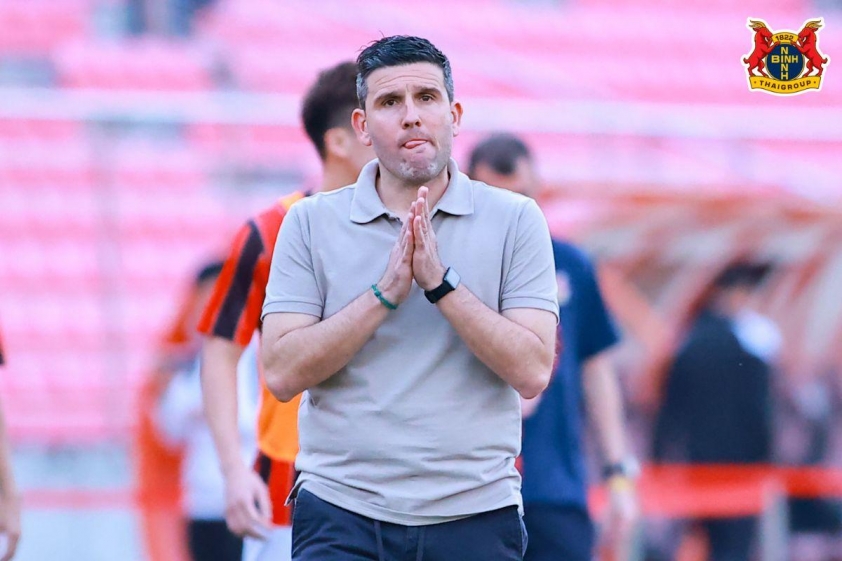
Notably, the Spanish coach also admitted: “The league’s level is much higher than we expected, very challenging, with extremely tough matches, many well-organized teams and players who can cause great difficulties, especially in the final minutes.”
According to Mundo Deportivo, although the V-League is not yet widely followed outside Vietnam, Gerard believes: “Vietnamese football is developing rapidly, with many investments from managers and clubs, and in the future, this will be a strong league.”
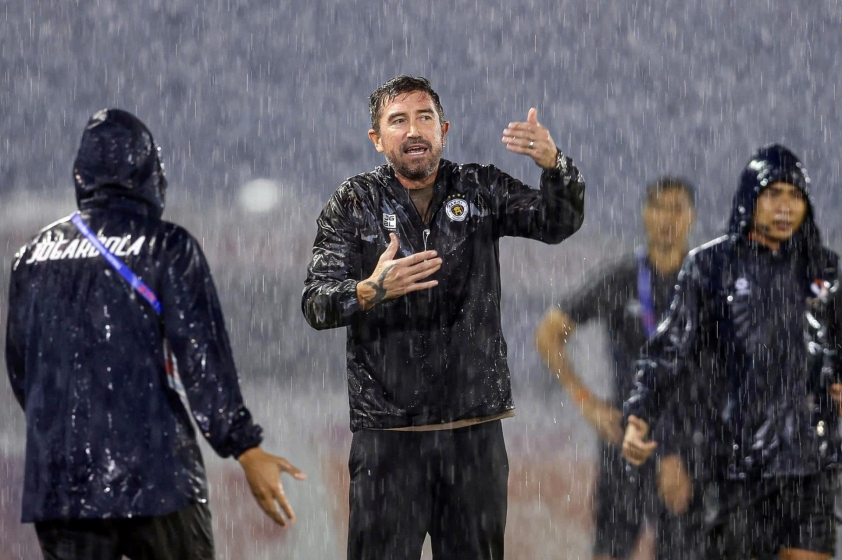
Not only Ninh Binh, the article cited Hanoi Club’s recruitment of former Australian star Harry Kewell as evidence of the trend of Vietnamese teams boldly trusting foreign coaches to elevate the league. Although Hanoi’s results have not matched the top team yet, this gap highlights the increasing competitiveness in the V-League.




Wonderfulshortvideo
The footwork, the finish 🤌


The Wirtz x Sané link-up 🔗
Class personified.
yamal getting better raphinha goals today raphinha vs osasuna yamal barcelona highlights yamal pass today
Griezmann with the cool finish 🥶
“afcon funny moments”
🤤🤤
 Links
Links
 Contact
Address:UNIT 1804 SOUTH BANK TOWER, 55 UPPER GROUND,LONDON ENGLAND SE1 9E
Number:+85259695367
E-mali:icecmxtdaf@gmail.com
 App
App


