



Indonesian Football 2025: Great Dreams, Great Failures



The year 2025 turned into a painful chapter for Indonesian football when both the senior and U23 teams faced crushing losses, with their World Cup aspirations broken and their place in the continental tournament slipping away.
2025 ended with numerous wounds for Indonesian football A year remembered not for achievements, but for a complete collapse from the national team down to the youth levels. When hope and ambition had been reignited after years of progress, Indonesian football tragically pulled the curtain on its own downfall.
Following a disappointing AFF Cup 2024, coach Shin Tae Yong, once seen as a symbol of Indonesia’s football revolution, was dismissed. The PSSI quickly appointed legend Patrick Kluivert, hoping he would lead Indonesia to the 2026 World Cup breakthrough. Indeed, Indonesia made history as the only Southeast Asian team to reach the fourth round of qualifiers.

However, that glimmer of hope was short-lived. Under Kluivert, the Indonesian team played inconsistently, lacked identity, and was eliminated early after consecutive losses to Saudi Arabia (2-3) and Iraq (0-1). Kluivert was fired shortly after, ending a brief tenure of less than a year. On social media, the “KluiverOut” movement surged, with over 90% of fans demanding his departure. The 2026 World Cup dream, once within reach, dissolved bitterly once again.
The crisis didn’t stop at the senior team. At the youth level, the U23 Indonesian team also endured a disastrous year. From being a semifinalist at the 2024 AFC U23 Championship, the young Garuda squad shocked many by failing to qualify for the 2026 AFC U23 Championship finals, marking a serious competitive setback.

Worse still, defeats kept coming. The U23 team fell to Vietnam in the 2025 Southeast Asian U23 final on home soil, where they had hoped to recreate past glories. At the 33rd SEA Games, the reigning regional U22 champions were eliminated early in the group stage despite winning their last match. Coach Indra Sjafri, once hailed as the “SEA Games 2023 golden hero,” helplessly watched his team collapse.
From ambitions to rise on the continental stage, Indonesian football plunged into a deep abyss of disappointment. Persistent issues such as poor management, unstable personnel policies, and intense media pressure caused it to self-destruct on its own wings.
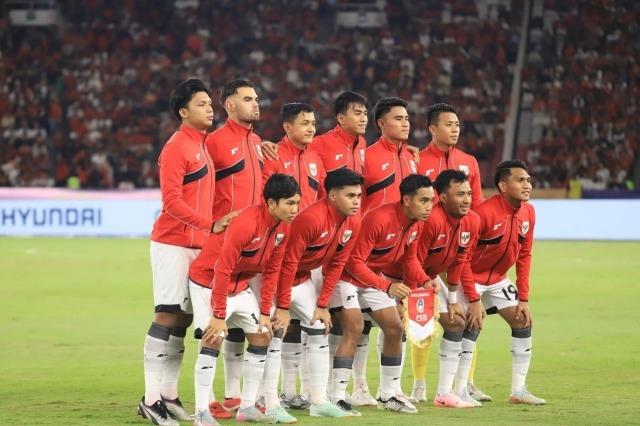
Thus, 2025 was not only a year of sorrow but also a wake-up call for Indonesian football: sustainable success cannot be achieved if the foundation remains unstable. The World Cup dream, continental qualification, and regional dominance have all slipped away, leaving only one question: when will Garuda truly take flight?



Wonderfulshortvideo
Class from Šeško 👏😅


 Links
Links
 Contact
Address:UNIT 1804 SOUTH BANK TOWER, 55 UPPER GROUND,LONDON ENGLAND SE1 9E
Number:+85259695367
E-mali:icecmxtdaf@gmail.com
 App
App


