



U23 Vietnam reveals a critical weakness ahead of the U23 Asian Championship


The 1-2 defeat against U23 Syria highlighted a major problem for U23 Vietnam: inefficient finishing, weak exploitation of opportunities, and instability in decisive situations.
The 1-2 loss to U23 Syria serves as a strong wake-up call for U23 Vietnam, as the match revealed systemic shortcomings. Despite controlling possession, creating more attacks, and having a higher frequency of chances than their opponents, coach Kim Sang-sik’s team only managed to score once. This is a negative sign with the 2026 U23 Asian Championship approaching.
According to internal statistics after the match, U23 Vietnam produced 7 shots, including 4 clear chances, but scored just one goal, resulting in a conversion rate of only 14.2%.
In contrast, U23 Syria had only 3 shots on target but scored 2 goals, achieving an efficiency of 66.6% — nearly five times higher than ours. This difference reflects disparities in finishing quality, composure in critical moments, and calmness in front of goal.
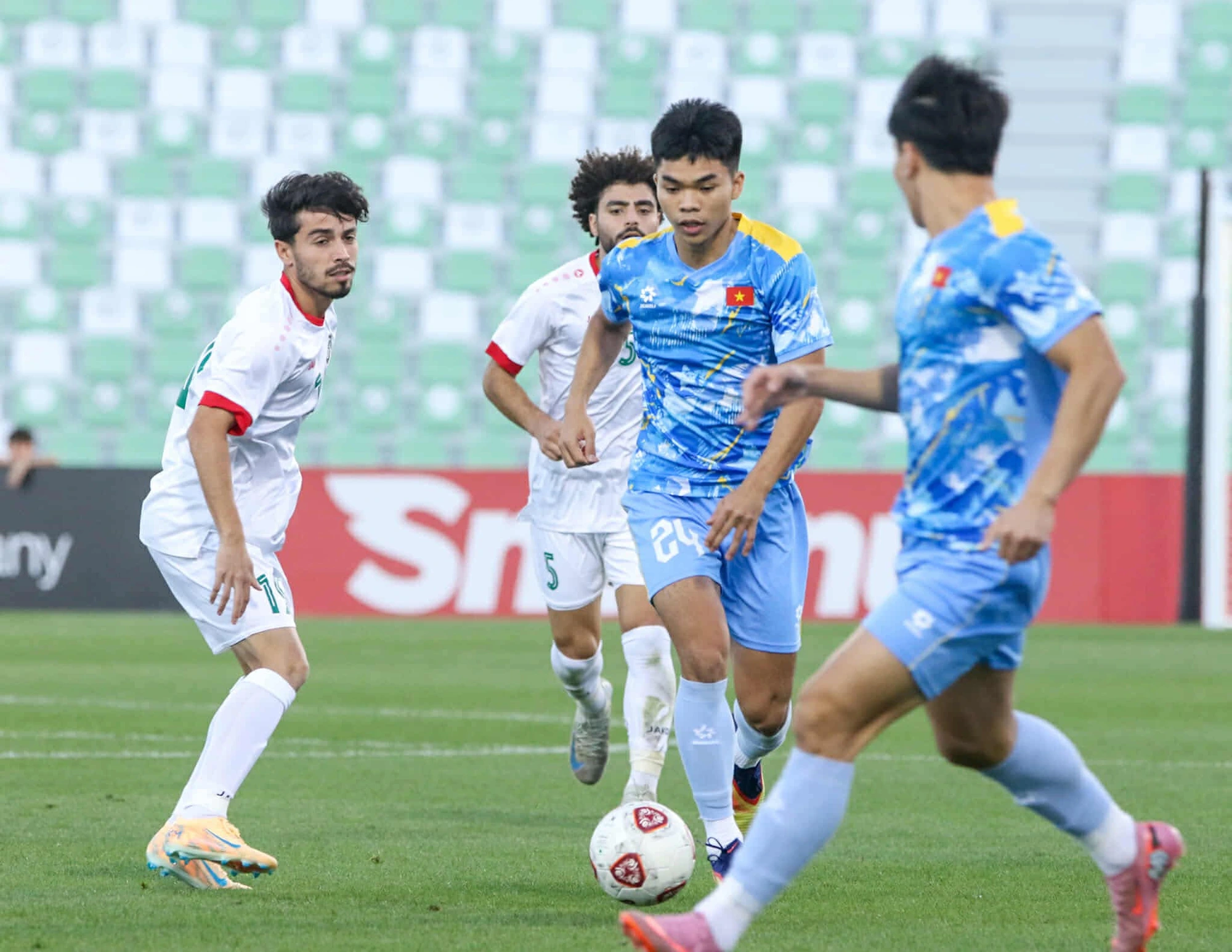
Besides poor finishing, U23 Vietnam also showed instability when trailing. In the first 20 minutes of the second half, they allowed Syria 5 counterattacks, 2 of which resulted from defensive errors. Another notable stat: 3 out of 4 dangerous turnovers happened when players pushed too high, indicating a lack of balance in attacking structure.
Regarding physicality, U23 Vietnam won only 42% of duels, significantly lower than Syria’s 57%. This led to frequent losses in second-ball situations — a crucial factor when facing West Asian football teams.
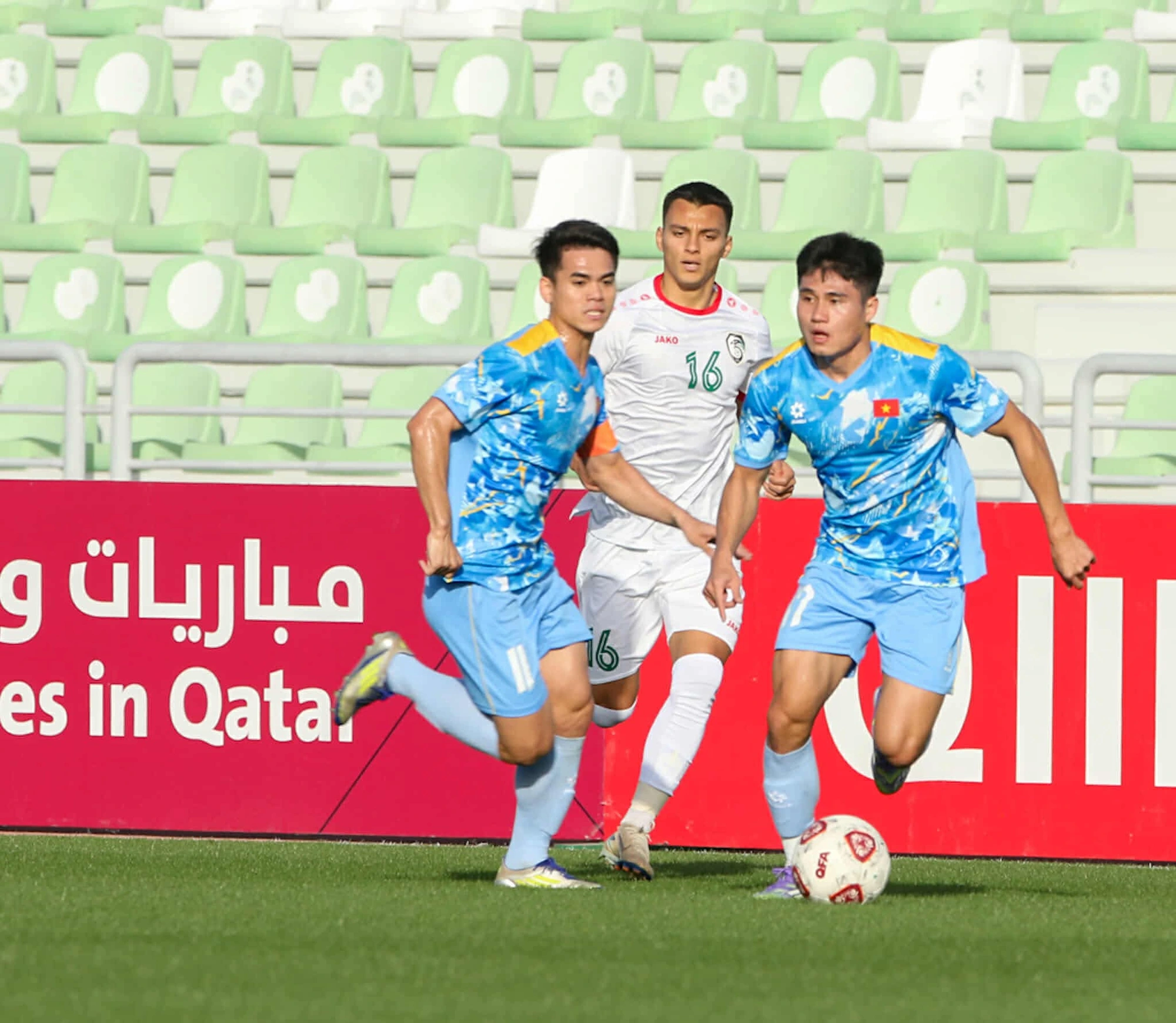
Match organization stats were also unfavorable. When trailing, U23 Vietnam pushed their line higher and increased ball speed, but accuracy in the final third dropped to 68%, much lower than the 78% average in the previous 11 unbeaten matches. This shows the team lost composure under increased pressure.
Overall, the defeat to Syria is not just a friendly match issue but reflects long-term limitations of U23 Vietnam. The team still suffers from a familiar problem: low shooting efficiency, lack of composure in key moments, and easily losing tactical balance under pressure.

Additionally, the ability to compete physically against opponents with superior size and fitness remains unimproved, causing U23 Vietnam to often lose second-ball battles and have their defensive structure broken after only a few sustained attacks.
Looking ahead to the 2026 U23 Asian Championship, U23 Vietnam needs to raise their shooting efficiency to at least 25-30%, reduce dangerous turnovers, and improve duel win rates. Without progress in these areas, advancing far will be extremely difficult.


Wonderfulshortvideo
Class from Šeško 👏😅


 Links
Links
 Contact
Address:UNIT 1804 SOUTH BANK TOWER, 55 UPPER GROUND,LONDON ENGLAND SE1 9E
Number:+85259695367
E-mali:icecmxtdaf@gmail.com
 App
App


