



"Village Super League" and "Su Super League," who says they can't be integrated into one game?



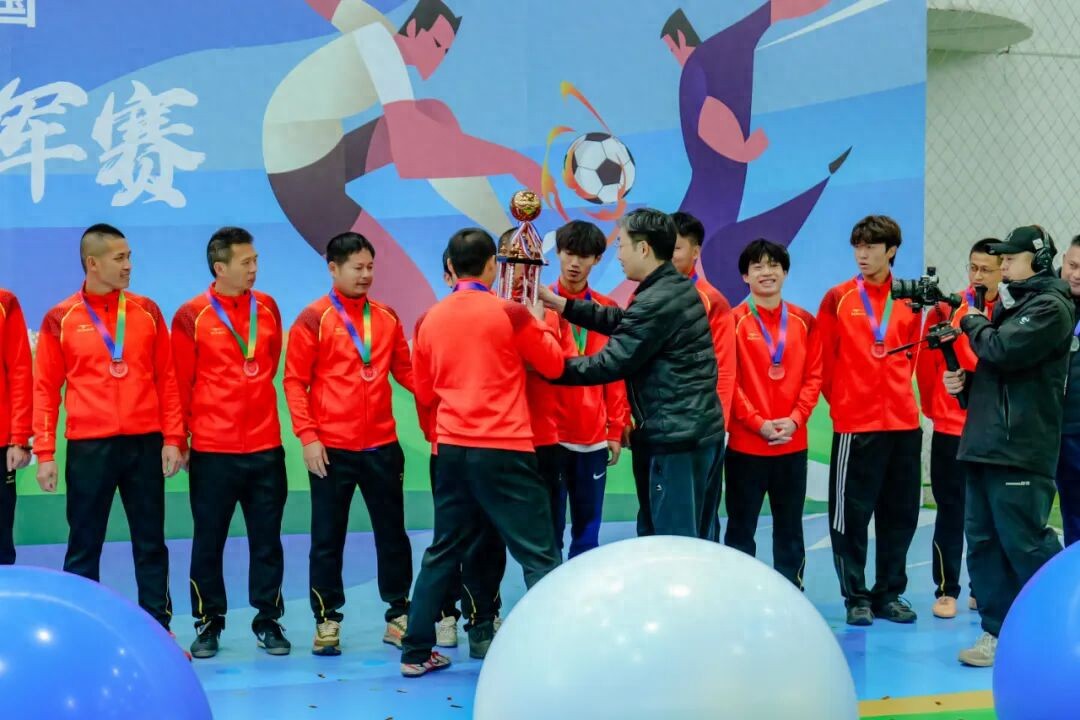
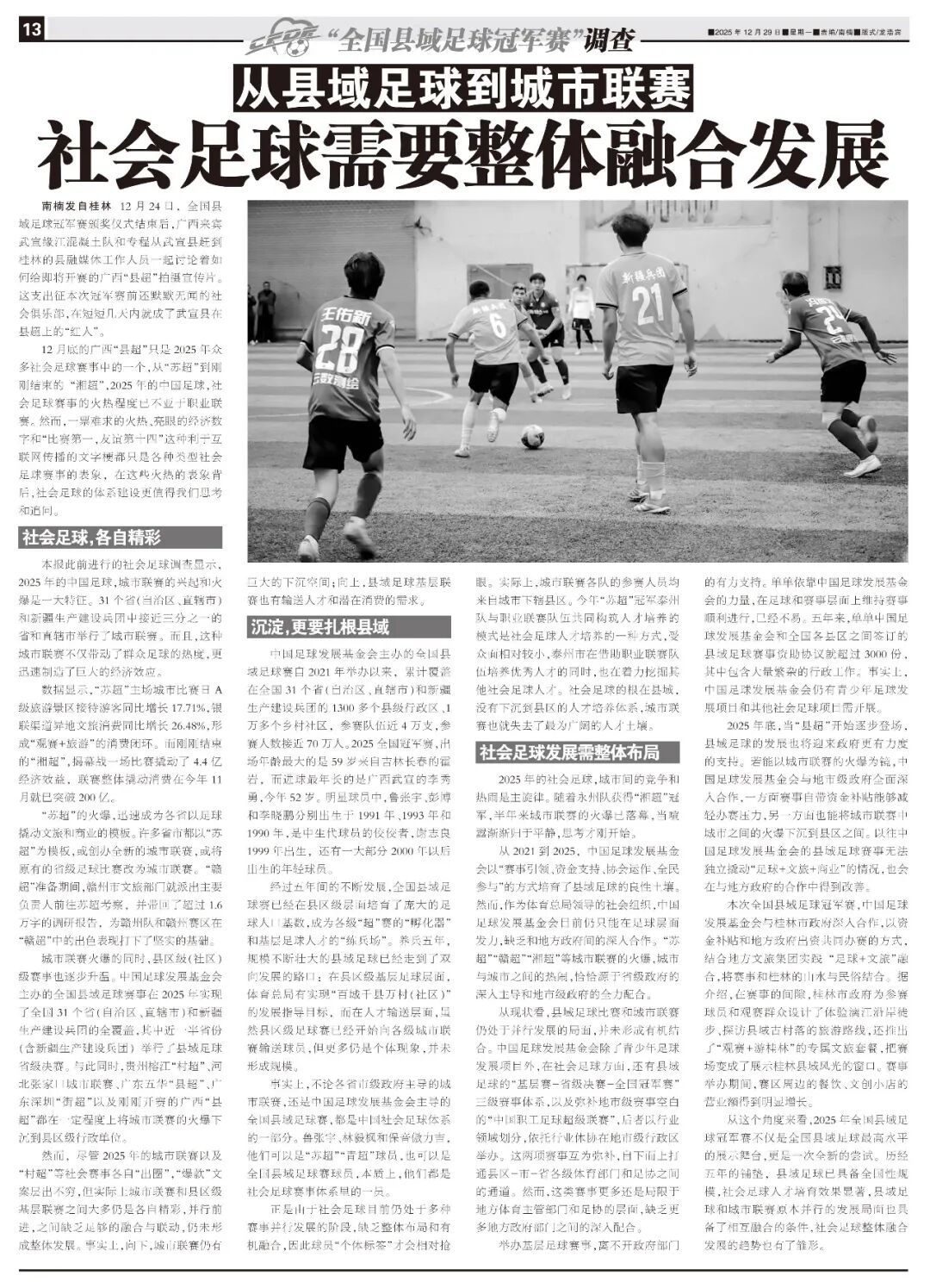
Nan Nan reporting from Guilin On December 24th, after the National County Football Championship award ceremony, the Guangxi Laibin Wuxuan Yuanjiang Concrete team and media personnel who came directly from Wuxuan County to Guilin gathered to plan a promotional video for the soon-to-start Guangxi "County Super League." This social club, once unnoticed before this championship, rapidly became Wuxuan County’s highlight in the county league within a few days.
The Guangxi "County Super League" at the end of December is just one of many social football events in 2025. From the "Su Super League" to the recently concluded "Xiang Super League," social football competitions in China in 2025 have gained popularity comparable to professional leagues. However, the high demand for tickets, impressive economic figures, and catchy slogans like "Competition First, Friendship Fourteenth" that spread well online are only the surface of these social football events. Behind these vibrant scenes, the development of the social football system deserves deeper reflection and inquiry.
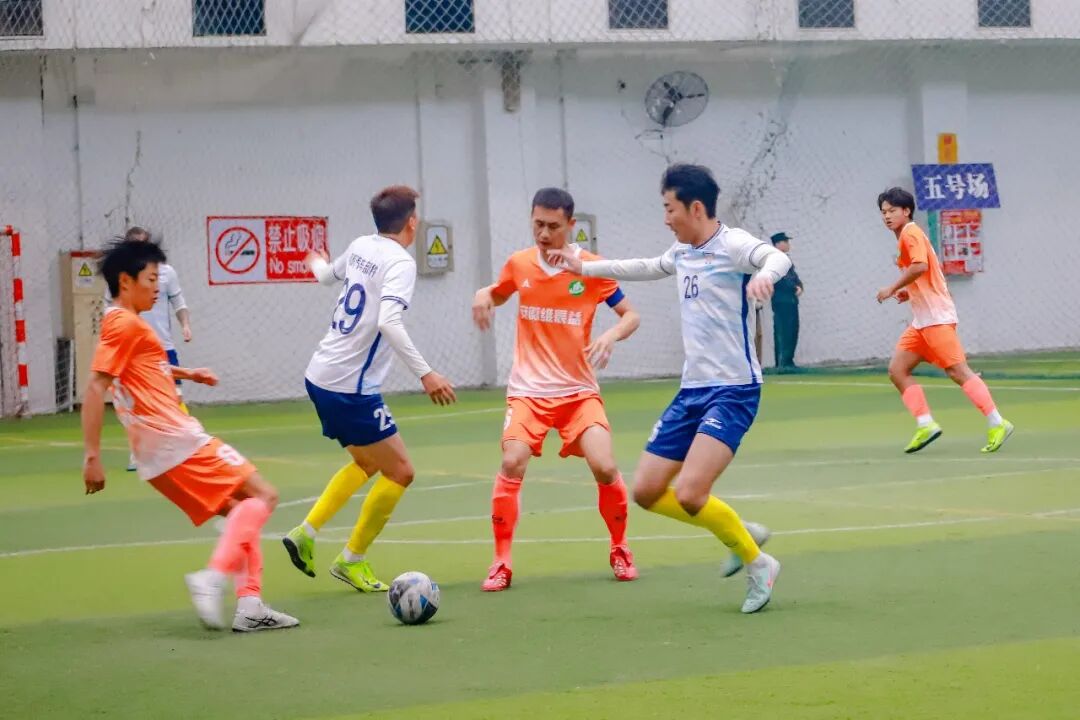

Previous investigations by our newspaper reveal that a major feature of Chinese football in 2025 is the rise and popularity of city leagues. Nearly one-third of the 31 provinces (autonomous regions, municipalities) and Xinjiang Production and Construction Corps have held city leagues. Moreover, these city leagues have not only boosted grassroots football enthusiasm but also rapidly generated significant economic impacts.
Data shows that on match days in the "Su Super League" host cities, A-level tourist attractions saw a 17.71% year-on-year increase in visitors, and UnionPay channel off-site cultural tourism consumption rose by 26.48%, forming a consumption loop of "watching matches + tourism." Meanwhile, the recently concluded "Xiang Super League" saw its opening match alone generate 440 million yuan in economic benefits, with the league’s overall consumption exceeding 20 billion yuan as early as November this year.
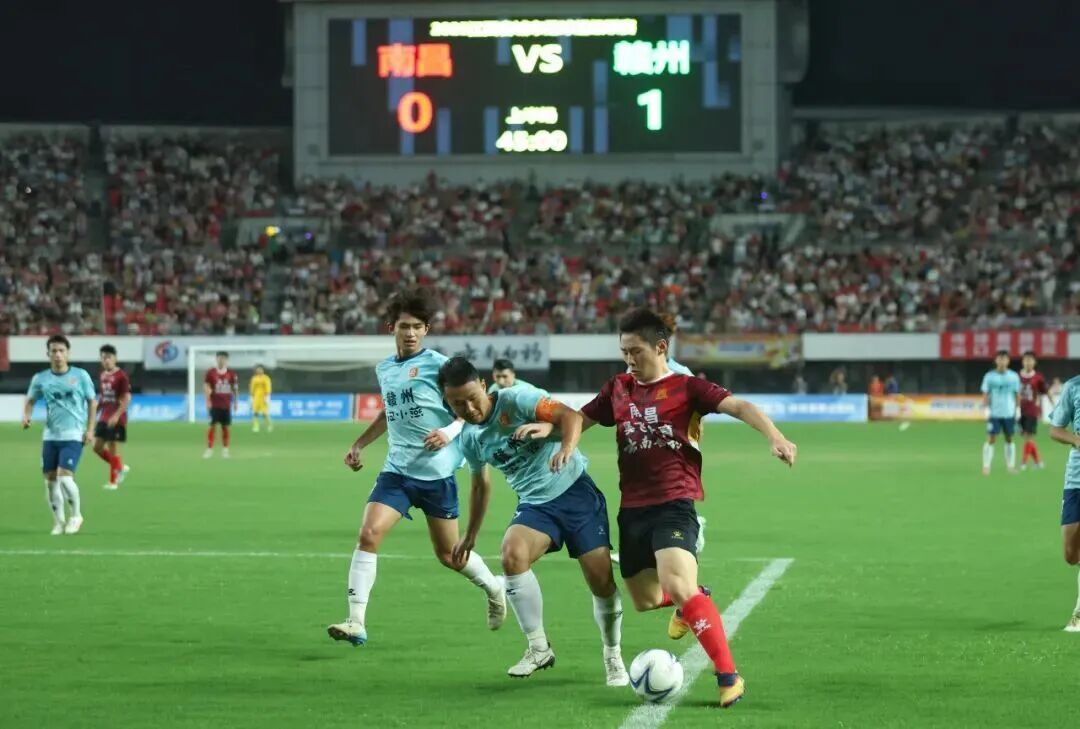
The success of the "Su Super League" has quickly become a model for provinces to leverage football for cultural tourism and business growth. Many provinces and cities have used the "Su Super League" as a blueprint, either creating new city leagues or converting existing provincial football competitions into city leagues. During the preparation of the "Gan Super League," the cultural tourism department of Ganzhou City sent key officials to study the Su Super League and returned with a research report exceeding 16,000 words, laying a solid foundation for the excellent performance of the Ganzhou team and the Ganzhou division in the "Gan Super League."
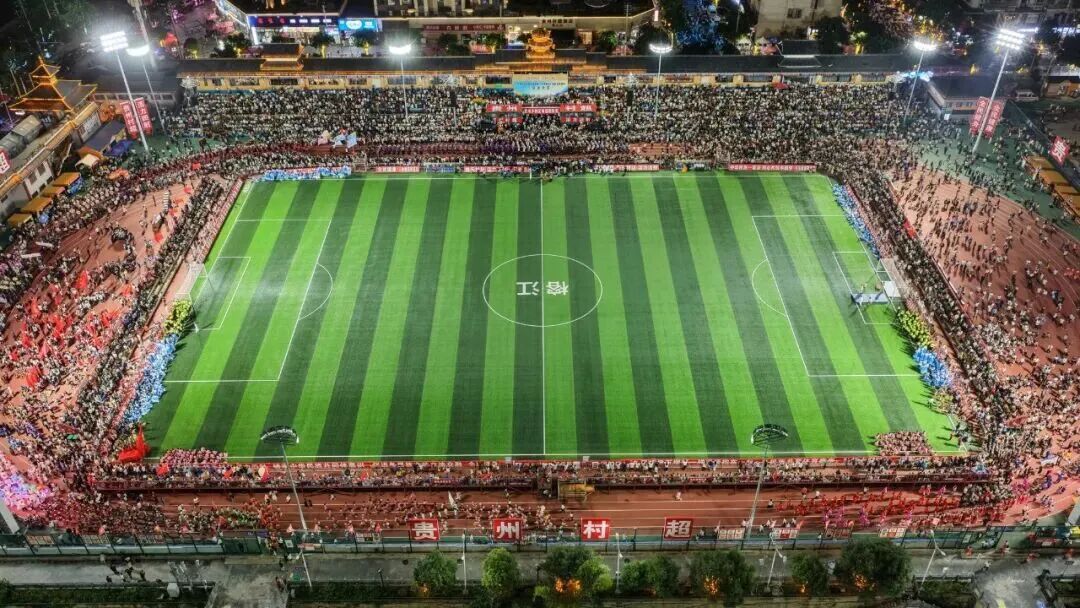
While city leagues thrive, county and community-level competitions are also gaining momentum. The National County Football Competition, organized by the China Football Development Foundation, achieved full coverage across 31 provinces (autonomous regions, municipalities) and Xinjiang Production and Construction Corps in 2025, with nearly half of the provinces (including Xinjiang) holding provincial county finals. Meanwhile, leagues such as Guizhou Rongjiang's "Village Super League," Hebei Zhangjiakou's city league, Guangdong Wuhua's "County Super League," Guangdong Shenzhen's "Street Super League," and the newly launched Guangxi "County Super League" have all brought the excitement of city leagues down to county-level administrative units to some extent.
However, despite the breakout success of city leagues and social competitions like the "Village Super League" in 2025, and the abundance of viral slogans, city leagues and grassroots county-level leagues mostly shine independently, progressing in parallel without sufficient integration or linkage, failing to form a coherent overall development. In fact, city leagues still have vast room to expand downward, while grassroots county football leagues have growing needs for talent supply and potential consumption upward.

Since its inception in 2021, the National County Football Competition organized by the China Football Development Foundation has covered over 1,300 county-level administrative regions and more than 10,000 village communities across 31 provinces (autonomous regions, municipalities) and Xinjiang Production and Construction Corps, involving nearly 40,000 teams and approximately 700,000 participants. In the 2025 national championship, the oldest player on the field was 59-year-old Huo Yan from Changchun, Jilin, while the oldest goal scorer was 52-year-old Li Xiuyong from Wuxuan, Guangxi. Among star players, Lu Zhangyu, Peng Bo, and Li Xiaopeng, born in 1991, 1993, and 1990 respectively, stand out as leading middle-generation players; Xie Zhiliang was born in 1999, and many young players were born after 2000.
After five years of continuous development, the National County Football Competition has cultivated a vast football population at the county level, becoming a "nursery" for various "Super" leagues and a "training ground" for grassroots football talent. After five years of nurturing, the expanding county football scene has reached a crossroads of dual development: at the grassroots county level, the General Administration of Sport aims to achieve the "hundreds of cities, thousands of counties, tens of thousands of villages (communities)" development goal; in terms of talent supply, although county-level football leagues have begun feeding players into various city leagues, this remains mostly individual cases rather than a large-scale phenomenon.
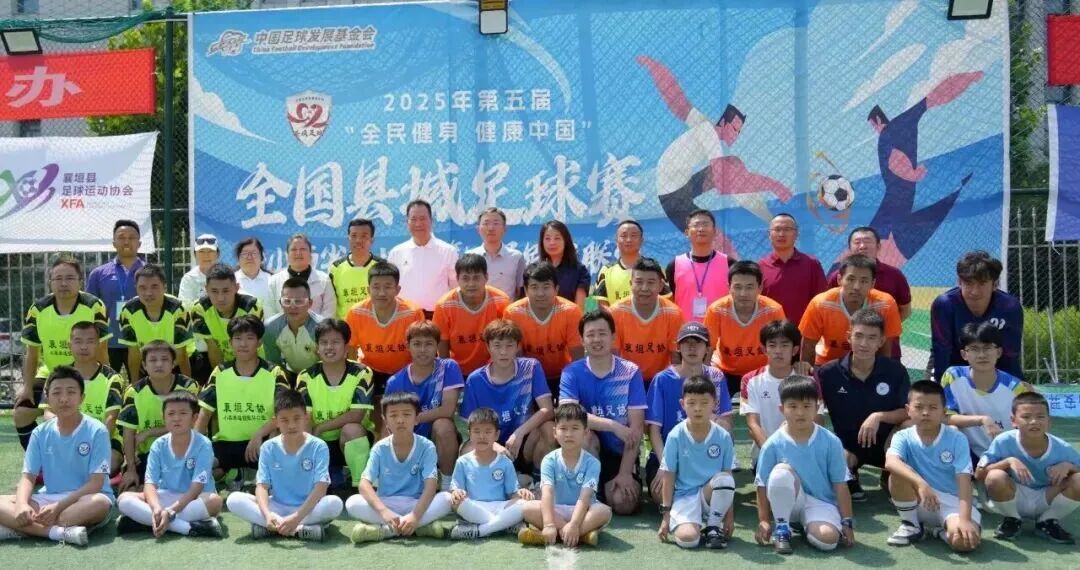
In fact, whether it is city leagues led by provincial and municipal governments or the National County Football Competition led by the China Football Development Foundation, both are parts of China’s social football system. Players like Lu Zhangyu, Lin Yifeng, and Bao Yin Aoliji can be participants in the "Su Super League," "Qing Super League," or the National County Football Competition. Essentially, they all belong to the social football competition system.
Because social football is still in a stage where multiple competitions develop concurrently without an overall plan or organic integration, individual player "labels" tend to stand out more. In reality, players in city league teams all come from counties under the city’s jurisdiction. The 2025 "Su Super League" champion Taizhou team’s cooperation with professional league teams to build a talent development model is one way of cultivating social football talent, but its audience is relatively small. While Taizhou city leverages professional league teams to nurture top talent, it is also working hard to discover other social football talents. The roots of social football lie in counties; without a talent development system sinking to the county level, city leagues lose their broadest talent base.
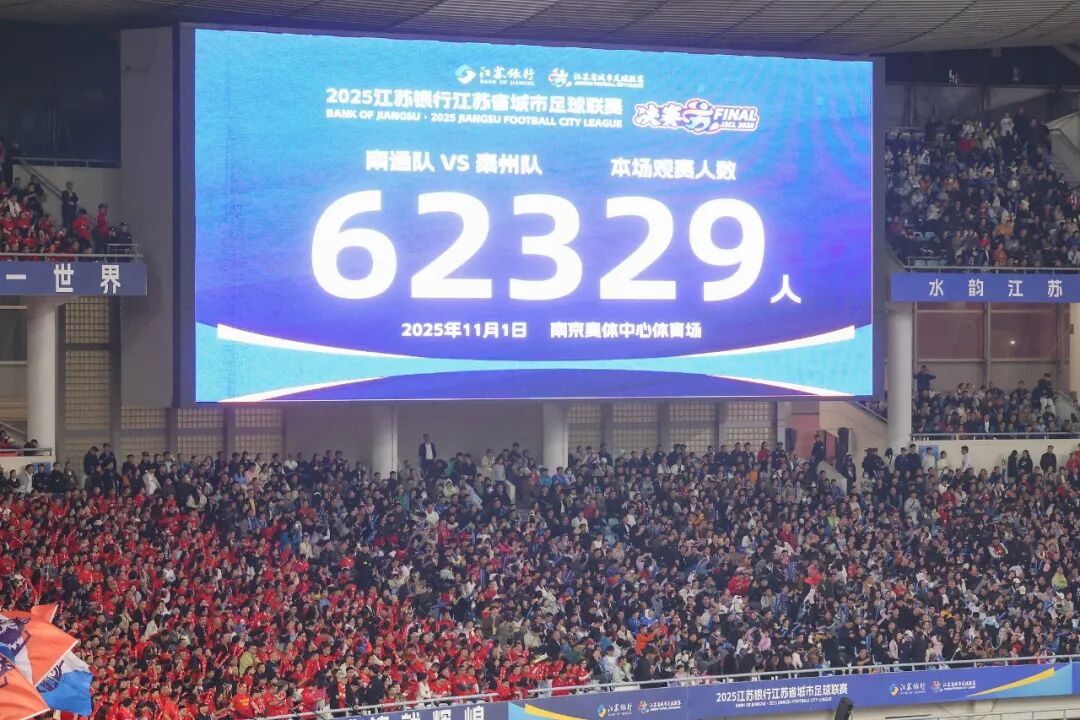

The main theme of social football in 2025 is competition and excitement among cities. With Yongzhou team winning the "Xiang Super League" championship, the half-year boom of city leagues has ended. As the noise gradually settles, the real reflection begins.
From 2021 to 2025, the China Football Development Foundation has fostered a positive environment for county football through "event leadership, financial support, association operations, and nationwide participation." However, as a social organization led by the General Administration of Sport, the Foundation currently can only focus on football itself and lacks deep cooperation with local governments. The success of city leagues like "Su Super League," "Gan Super League," and "Xiang Super League," and the lively competition between cities, is precisely due to strong leadership from provincial governments and full cooperation from municipal governments.
Currently, county football competitions and city leagues still develop in parallel without organic integration. Besides youth football projects, the China Football Development Foundation organizes a three-tier system of county-level grassroots competitions, provincial finals, and the national championship, as well as the "China Workers Football Super League," which fills gaps at the municipal level. The latter is divided by industry sectors and held in municipal administrative regions relying on industry sports associations. These events complement each other by connecting county, city, and provincial sports departments and football associations from the bottom up. However, these competitions mostly remain limited to local sports authorities and football associations, lacking deeper cooperation among various local government departments.
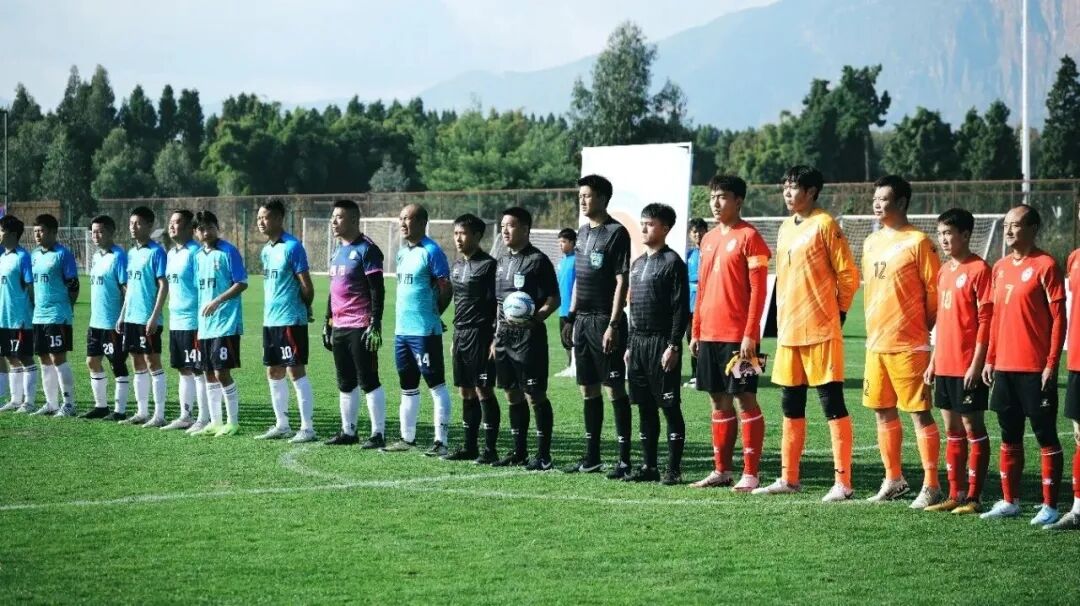
Hosting grassroots football competitions requires strong government support. Relying solely on the China Football Development Foundation to maintain smooth football and event operations is already challenging. In the past five years, the Foundation has signed over 3,000 county football competition funding agreements with counties nationwide, involving a large amount of complex administrative work. In fact, the Foundation still manages youth football development and other social football projects.
By the end of 2025, as the "County Super League" gradually emerges, county football development will receive stronger government backing. If the Foundation can use the success of city leagues as a reference and deepen comprehensive cooperation with municipal governments, on one hand, event subsidies can reduce the pressure of organizing competitions; on the other hand, the excitement seen between cities in city leagues can be extended down to the county level. Previously, the Foundation’s county football competitions could not independently drive the "football + tourism + business" synergy, but this will improve through collaboration with local governments.
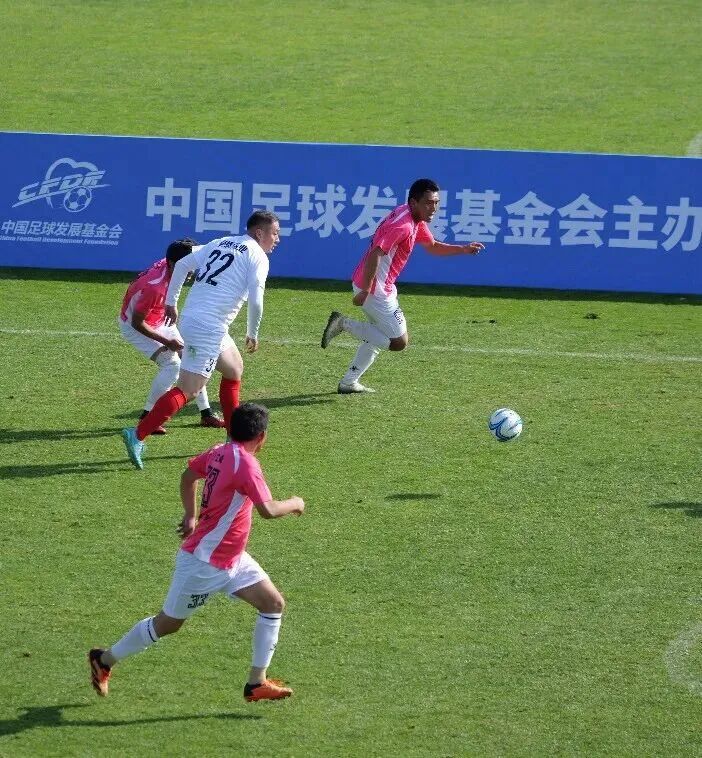
In this National County Football Championship, the China Football Development Foundation worked closely with the Guilin municipal government, co-hosting the event with financial subsidies and local government funding, integrating local tourism groups to practice "football + tourism" fusion by combining the competition with Guilin’s landscapes and folk customs. During breaks in the event, the Guilin government designed tourism routes for players and spectators, including hiking along the Li River and visiting ancient county villages, and launched exclusive "watch matches + tour Guilin" cultural tourism packages, turning the stadium into a showcase window for Guilin’s county scenery. During the event, nearby catering and cultural creative shops saw significant increases in revenue.
From this perspective, the 2025 National County Football Championship is not only the highest-level showcase for county football nationwide but also a new experiment. After five years of groundwork, county football has achieved national scale, social football talent cultivation has been effective, and the previously parallel development of county football and city leagues now has conditions for integration, forming a nascent trend toward overall social football integration and development.


Wonderfulshortvideo
Class from Šeško 👏😅


 Links
Links
 Contact
Address:UNIT 1804 SOUTH BANK TOWER, 55 UPPER GROUND,LONDON ENGLAND SE1 9E
Number:+85259695367
E-mali:icecmxtdaf@gmail.com
 App
App


