



Chinese Football 2025: The Names That Will Be Remembered



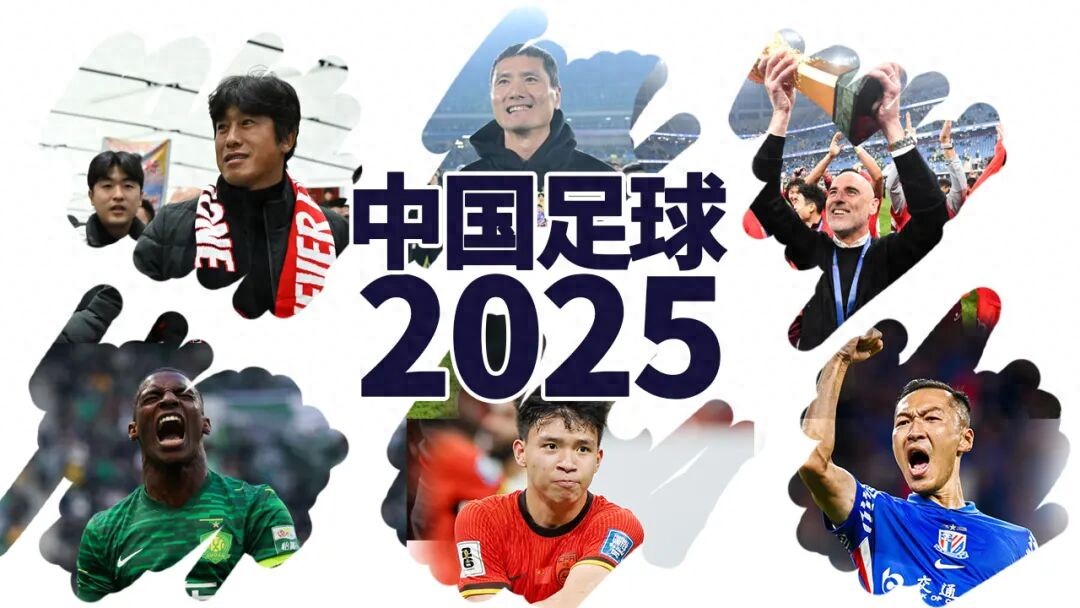
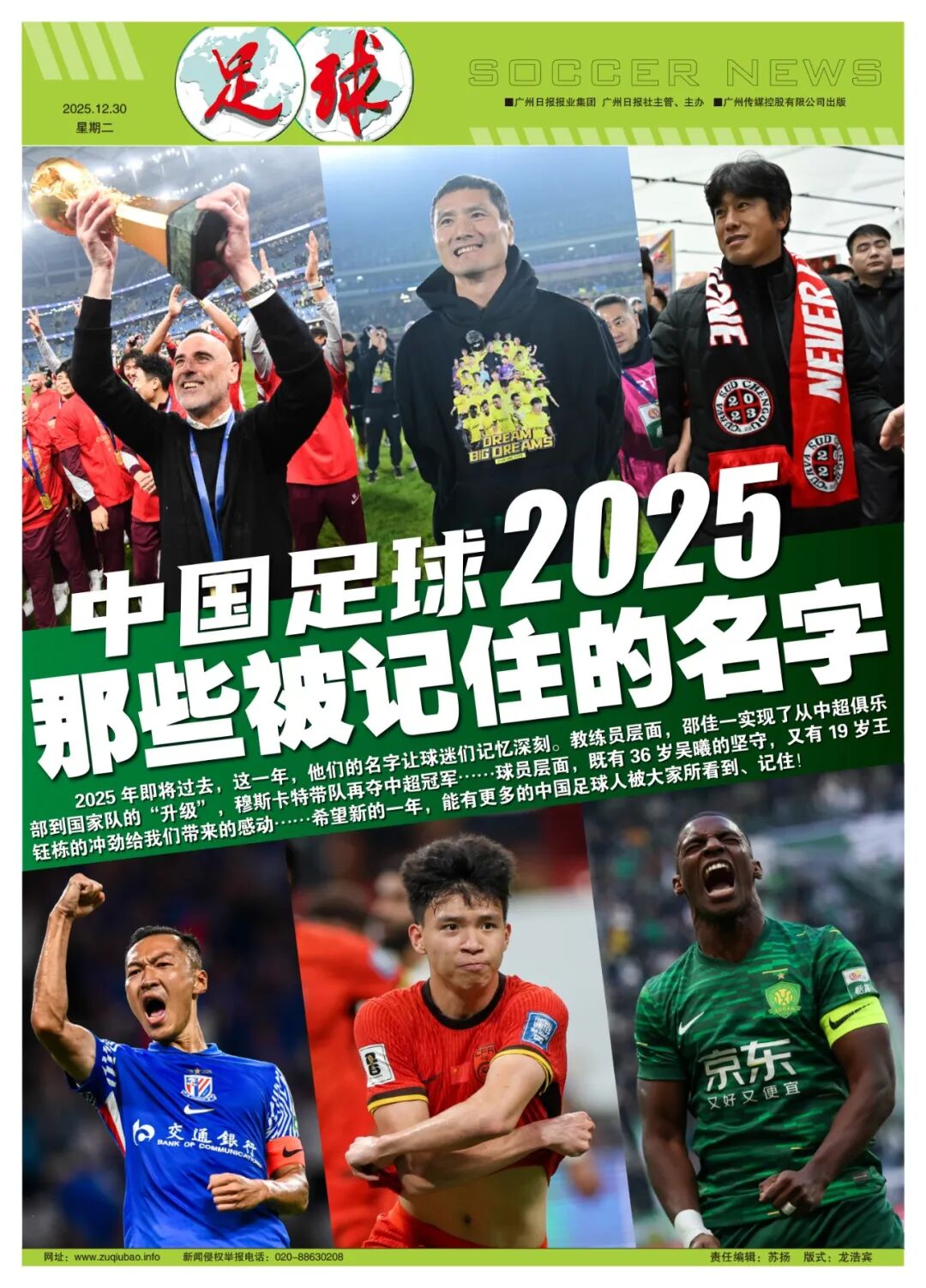
Written by Zuo Rui and Wang Wei With 2025 coming to an end, their names remain etched in fans' memories. On the coaching side, Shao Jiayi achieved a promotion from a Chinese Super League club to the national team; Muscat led his team to another CSL championship... On the players’ side, there was the steadfast 36-year-old Wu Xi and the energetic 19-year-old Wang Yudong who moved us all... We hope that in the new year, more figures in Chinese football will be seen and remembered by everyone!

At 45, Shao Jiayi became the new head coach of the Chinese national team, marking the biggest news in Chinese football this year. Following his first press conference this week after taking office, the buzz around him has intensified and related topics are expected to remain hot for a long time.
Since the resignation of Italian coach Lippi, the appointments of Li Tie and Li Xiaopeng failed to yield results. Jankovic and Ivankovic also couldn’t work miracles, and Jurjevic’s transitional period was uneventful. At the lowest point in the national team’s performance, Shao Jiayi won the position through a competitive selection process.
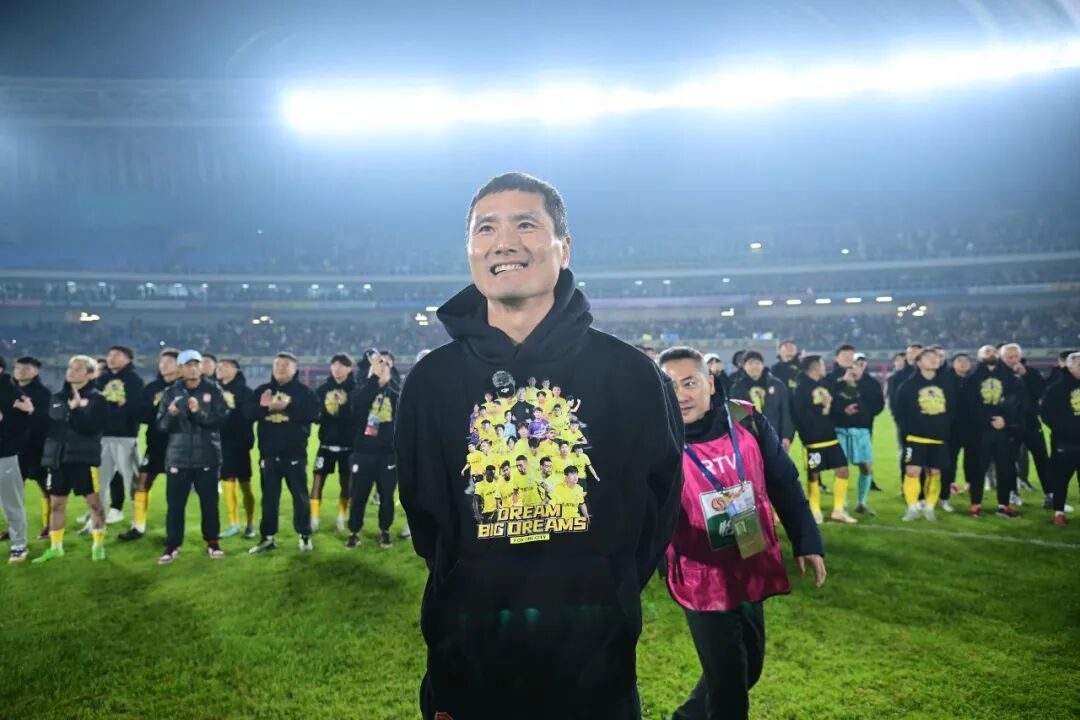
Retired ten years ago, Shao Jiayi had experience playing in the World Cup and the Bundesliga; ten years later, leading the national team, he no longer has players with overseas influence under his command. However, over the decade, Shao has earned enough respect, recognized as the “big brother” by players and “Coach Shao” by peers. Having coached Qingdao West Coast for one and a half seasons to stabilize their CSL status and nurtured young players who have entered the national team, he now has the confidence to lead China into the 2027 Asian Cup and aim for the 2030 World Cup.
As a relatively young national team coach, Shao Jiayi holds advantages such as personal charisma combined with teamwork, local roots with international perspective, and familiarity with domestic players and Asian competition. Tactically, his fast transitions and high pressing style at Qingdao West Coast have been well received, with multiple instances of underdog victories.
Matches are played by the players. During Shao Jiayi’s tenure, facing strong Asian teams, the national team cannot expect to dominate the game. The challenge lies in finding tactical solutions under pressure while gradually shaping a distinctive playing style over a long coaching period.

Shanghai Port, celebrating 20 years since establishment, has won the CSL title four times, half of which under Muscat’s leadership, including back-to-back championships after he took over. Compared to 2024, the 2025 CSL title race was more intense and suspenseful, but the confident, pragmatic, and capable Australian erased all doubts by defending the championship and starting his third year at Port successfully.
This season, Port played without midfield commander Oscar and wing threat Vargas, adding young talents like Li Xinshi and Kuai Jiwen. Yet under Muscat’s guidance, this less star-studded lineup achieved the highest league points, most wins, and most goals. Despite not having the upper hand against title rivals, Port dominated matches against teams ranked 6th to 16th with 18 wins and 4 draws in 22 games, never slipping up—stability was key to securing the championship.
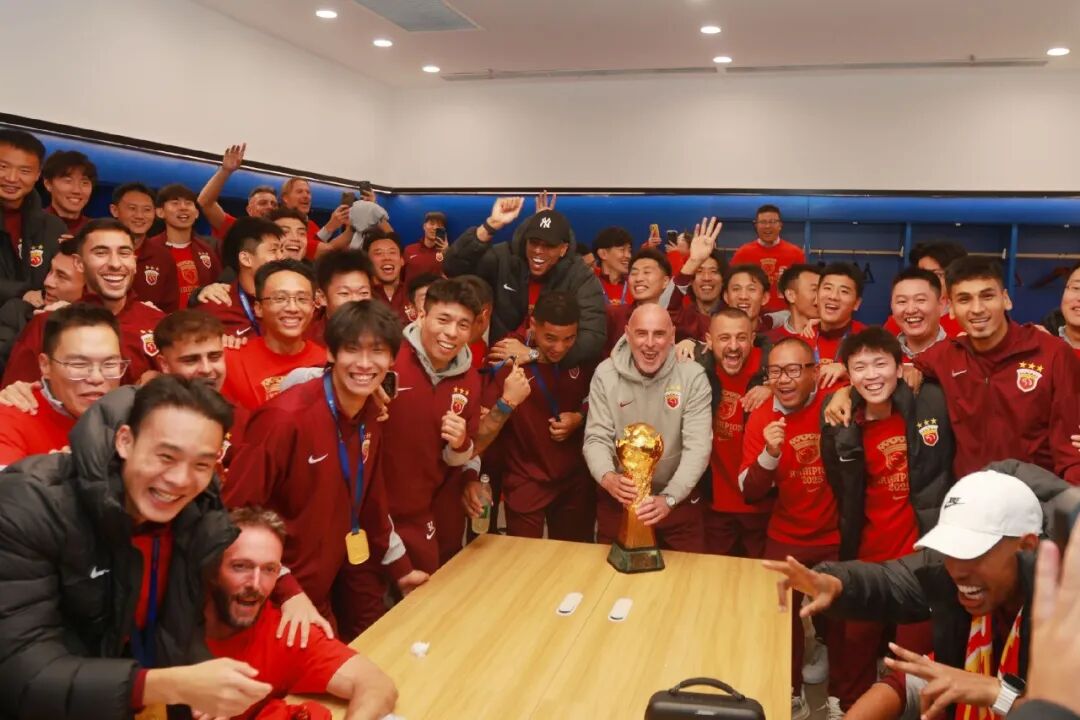
Throughout the long season, Muscat focused beyond short-term results, actively adjusting tactics and continuously motivating foreign players, veterans, and newcomers. This forged a powerful and resilient squad. During the crucial October sprint, when Muscat was briefly targeted by Glasgow Rangers, he quelled the turmoil that could have shaken the team, stayed loyal, and ultimately secured another championship.
Turning down a chance to return to coaching in Europe, the Australian’s Far East venture added another trophy, making him one of Chinese football’s standout figures this year. Staying at the top is harder than reaching it, and Muscat has accomplished this extraordinary feat.
Under his leadership, how Shanghai Port will adjust to face even tougher dual-competition challenges next year remains a key point of interest.

China’s U22 national team coach Antonio has been preparing throughout the year, with his profile set to peak in early 2026—he will lead the U22 squad at the U23 Asian Cup in Saudi Arabia. Drawn in Group D with Iraq, Australia, and Thailand, China’s first match will be on January 8, marking the new year’s first game for Chinese football. Previously, China has participated five times but never advanced past the group stage to the quarterfinals. Currently, the team is training in Dubai and has won friendlies 4-0 against Hong Kong and 1-0 against Kyrgyzstan.
Antonio was appointed U22 head coach in 2024. In 2019, he led the U15 team to qualify for the Asian Youth Championship after a six-year gap; in 2023, he guided the U20 team back to the quarterfinals of the U20 Asian Cup for the first time in nine years. His track record shows he can help underestimated national youth teams break through and even surprise.
In September’s U23 Asian Cup qualifiers, the U22 team defeated East Timor and Northern Mariana Islands, drew with Australia, and qualified for the finals as the best second-place team. This is Antonio’s third time coaching a Chinese national youth team. Besides the U23 Asian Cup and the Nagoya Asian Games, he is tasked with supplying talent to the senior national team, working closely with Shao Jiayi, who was his team leader and chief assistant during his youth coaching. Antonio admits his team lags behind Asian powerhouses but believes they “have the ability to compete and the chance to create surprises.” Supporting China’s bid for the 2030 World Cup is a shared goal of these former colleagues.
Antonio adapts his tactics to different opponents. In 2025, he organized seven training camps and achieved the goal of qualifying for the U23 Asian Cup. Fans hope he will bring even more surprises in the tournament next January.

With 28 league goals and 4 cup goals, 32-year-old Angolan striker Fabio reached the peak of his career at Beijing Guoan. His outstanding performances and stats surpassed his previous two seasons at Guoan and broke records from his stints in Portugal, Saudi Arabia, and the UAE.
In the final round, he scored four goals in one game, overtaking others to become the CSL top scorer. Moved to tears, he credited his teammates, saying without them he “would be nothing.” Missing out on the league title, which he called a “bigger honor,” made winning the FA Cup final a must. The underdog Henan Songzi Dukang tried everything but couldn’t stop him from fulfilling his wish.
After a home defeat to Shanghai Port in September, Fabio sat in the players’ tunnel in tears, knowing the league title dream was over. As a powerful scorer, the 32-year-old showed no signs of fatigue; his fighting spirit and desire to win only grew. He vowed to stay with Guoan as long as they need him and give his all while there.

After winning the CSL Golden Boot in 2025, Fabio reserved his last three season goals for the FA Cup, dominating the final in Suzhou and lifting the trophy as captain. His dynamic performances overshadowed other foreign and Chinese teammates. Unfortunately, internal team issues prevented full synchronization, resulting in a mid-season championship but only a fourth-place league finish.
Though often emotional on the pitch, Fabio enjoys smiling. He said if he ever leaves the Beijing club he calls “home,” he hopes people remember him as someone always smiling, hardworking, and full of positive energy.

At 55, Xu Zhengyuan left Chengdu at the end of 2025. When he arrived at the end of 2020, the team was still in China League One; after promotion, they finished fifth once, fourth once, and third twice in recent years. Though closing in on a CSL title, his relationship with the club grew distant.
“This year was more regrettable than any before,” Xu said after the final away game in Shenzhen.
As he wrote in his farewell letter: “Chengdu Rongcheng is no longer a team aiming for promotion or survival, but a team challenging for the championship.”
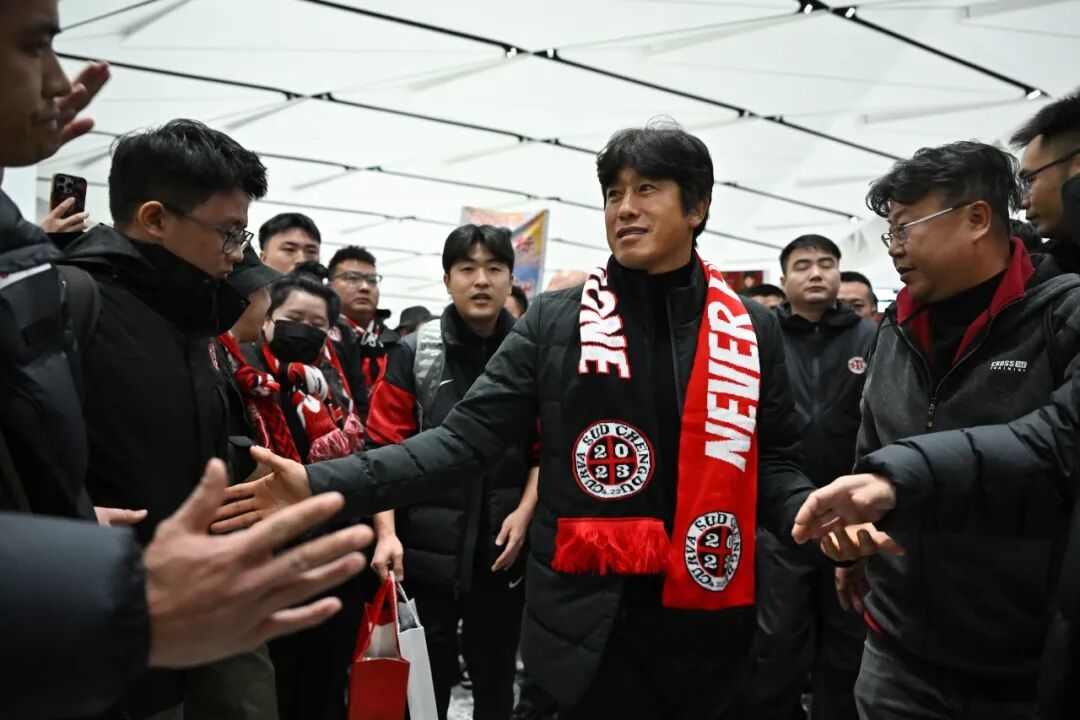
Over five years, Xu built a strong squad and brought obvious improvements. Mid-season, contract renewal talks with the former club chairman failed, and Xu publicly aired the dispute before a Tianjin away match—a rare event in recent Chinese football. This set the stage for their year-end parting. Xu confessed that differences over the club’s future direction and implementation led to their goals diverging and ultimately ended their story.
After an amicable separation, Xu’s next step remains unknown. The club held a farewell party for the “meritorious coach,” lighting up the home stadium; fans bid farewell to this Sichuan and CSL legend with deep affection. The winter city of Chengdu was filled with nostalgia and gratitude, and the airport at dawn echoed with “thank you” and “keep fighting.”
Farewell, Xu Zhengyuan.

Nineteen-year-old Wang Yudong earned numerous titles in the same season: Zhejiang’s most popular home player, applauded away player, CSL’s top domestic scorer, best young player, highest-valued Chinese player on Transfermarkt, and the most anticipated new national team player... He is also the hottest news figure for going abroad.
All this recognition comes from his 28 CSL appearances, 11 goals, 5 assists, and the full backing of Zhejiang Greentown. Without such stats and club support, Wang’s clear progress wouldn’t be possible. At another club, domestic or overseas, he might not get so many opportunities.
The huge expectations on this young player stem from fans’ deep disappointment, seeing him as a rare bright light. Many fans wish he would score every time he plays and move abroad immediately. This fervent enthusiasm causes every rumor about him to stir up waves.
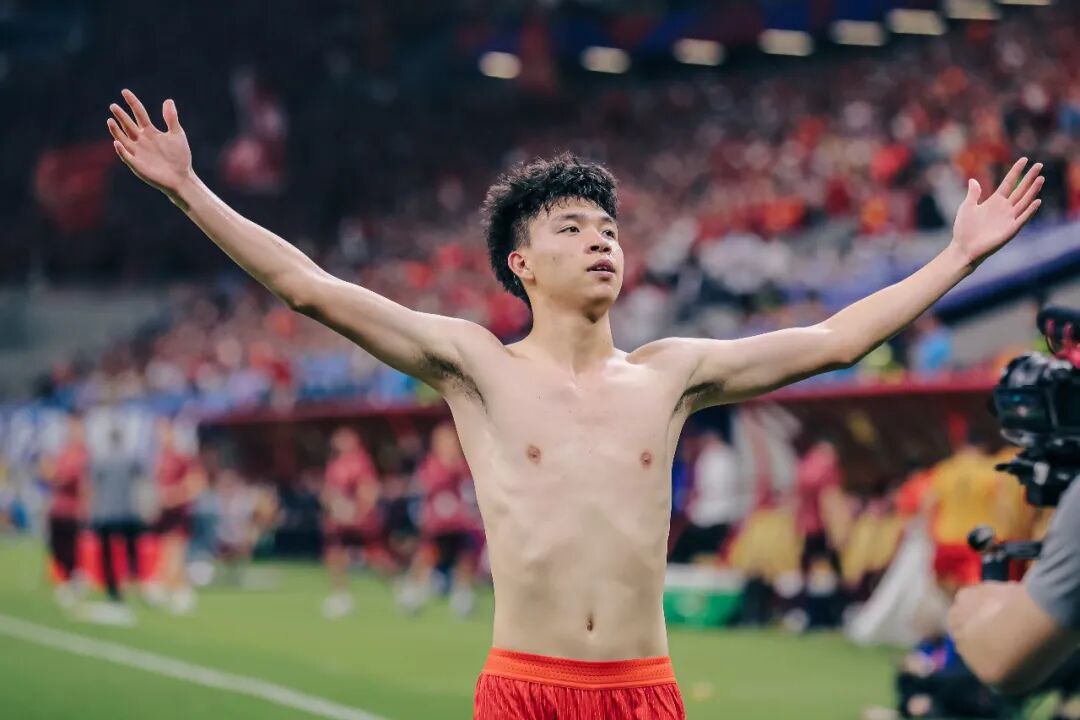
Wang himself appears calm and has never given up on his goal of playing in Europe. All sides hope to develop a more mature, powerful Wang Yudong. From scoring streaks to handling media pressure, from temporary dips to regaining form, the CSL and Zhejiang have provided ample growth space. At the national level, from his standout performance at the Shenzhen U20 Asian Cup early in the year, to scoring in World Cup qualifiers, and playing in friendlies against Thailand in Kunming, he has gained experience and is improving.
Maintaining humility and diligence in training, adapting actively on and off the field, positioning himself well, and focusing on progress are essential self-demands for every professional player, especially for young Wang Yudong. Following these principles, he can do even better in 2026. By 2030, he will still be only 24.

In May, at the inaugural Women’s AFC Champions League, coach Chang Wei led Wuhan Chegu Jiangda Women’s team to a penalty shootout victory over Melbourne City, becoming China’s first women’s AFC champion. As the year ends, he is the top favorite for the new head coach of China’s women’s national team.
Before leading his hometown Wuhan team to four consecutive Women’s Super League titles, Chang Wei openly aimed for the Asian championship. Winning the first women’s AFC Champions League marks a new milestone in his 20-year coaching career.
At 48, Chang Wei was once a youth player for Jianlibao but retired early due to serious injury. Early in his coaching career, he served as assistant and reserve team coach for men’s teams. In 2013, he joined the Chinese women’s coaching staff, helping head coach Hao Wei reach the quarterfinals of the 2015 Women’s World Cup. Later, he coached Guangzhou Evergrande’s reserves. Since 2021, as head coach of Wuhan’s women’s first team, his four consecutive league titles owed partly to team strength, but the 2025 Asian victory over strong opponents proved his coaching ability.
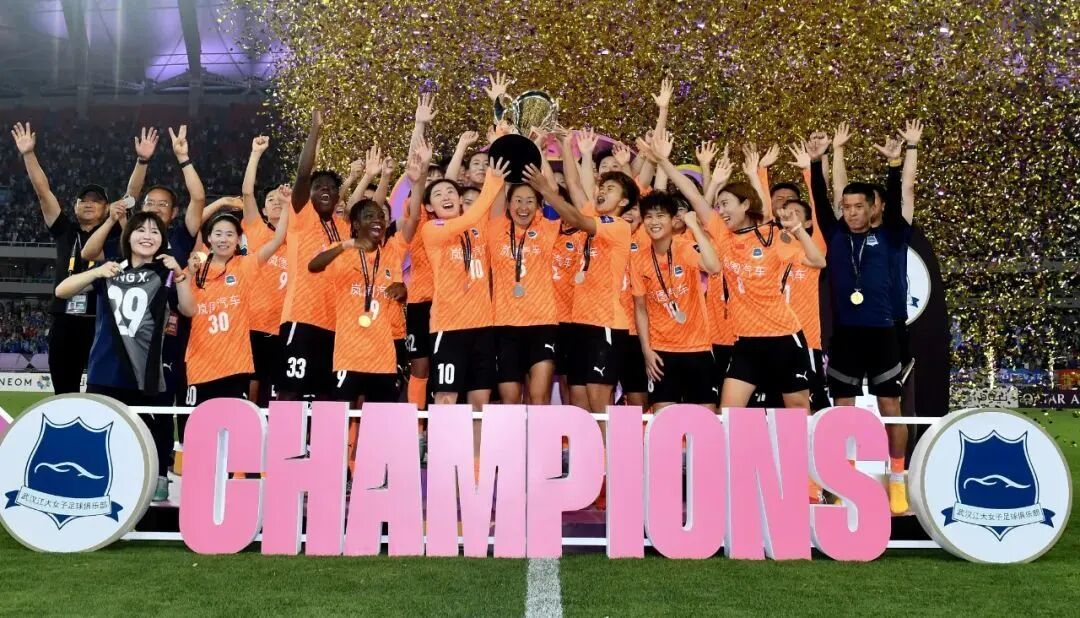
“I told the players history is made by them; they must work harder and keep making history,” Chang Wei said in an exclusive interview with Football Newspaper after the AFC final. Qualifying as the third in the group and then winning the title was “an unforgettable experience for a lifetime.”
Between the second women’s AFC Champions League group stage and the FIFA Women’s Club World Cup quarterfinals, Chang Wei also led the Hubei women’s team to a silver medal at the 15th National Games, the best result in the team’s history at the Games.

Returning for his fifth season at Shanghai Shenhua, captain Wu Xi, though unable to lift the league trophy, proved with his best five-year performance that at 36, he remains one of China’s finest midfielders.
In 2025, Wu Xi started all 36 matches, scoring 9 goals and assisting 8, playing across defensive midfield, attacking midfield, and right midfield. His brilliant goals, precise passes, and timely tackles were frequent. Many thought the former national captain was past his prime, but his stellar all-around season proved otherwise, and the club extended his contract for another year.
Nearly every one of his 9 league goals either secured victory, equalized, or reversed the score—each crucial for Shenhua. The team’s reliance on Wu Xi is increasingly clear, though he hopes more teammates will step up and fill his role.
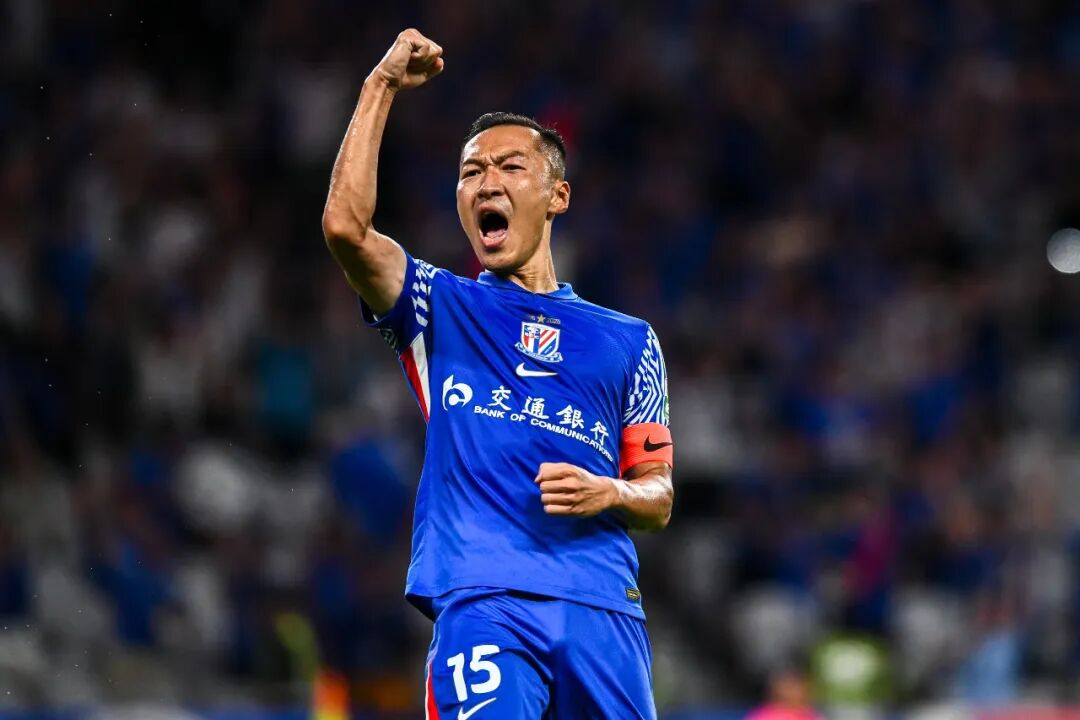
Wu Xi reached three major personal milestones this year: breaking the single-season CSL goal record, surpassing 50 CSL career goals, and exceeding 400 appearances. Asked about maintaining such form, he said there’s no secret: “As a professional, how you train before matches and recover after is the key.”
Last season’s 7 goals and 3 assists impressed many, and this season’s performance was even better. Looking ahead, the veteran remains ambitious. He said he will start fresh next year, unafraid despite tougher competition. As 38-year-old legend Yu Hanchao retires, his memorable winning moments now history, Wu Xi’s legend will continue in Shanghai and the CSL.

Looking back on the year, Wei Xiangxin described it as “eventful, experiencing everything.” At 17 years and 42 days, he scored in the CSL, becoming the fourth youngest and the first born in 2008 to score. He also felt the gap at the U17 Asian Cup, experienced a last-minute winner at the National Games, faced the low of Meizhou Hakka’s relegation, and received the good news of going abroad.
About to join one of Europe’s top five leagues, Wei Xiangxin is one of China’s most watched rising stars and a new overseas hope for Chinese players. In April, he was invited for a three-week trial with Ligue 1 club Auxerre in France. In November, the club announced he will officially join on July 1 next year. Wei revealed he will train in France for a month in January before returning to play in China League One, as it’s hard to maintain form without matches in the first half of the year.
After scoring his first CSL goal, Wei went through a dry spell. “I think playing more games is key. After the U17 Asian Cup, I scored again for Zhejiang Greentown.” In the U18 men’s football at the 15th National Games against Hubei, he came on as a substitute in the 85th minute to score the winner, helping Guangdong advance to the semifinals 2-1. “That was my most unforgettable goal this year. After a long drought, it broke doubts and relieved a lot of pressure.” This goal was both a test of his ability and a psychological breakthrough.
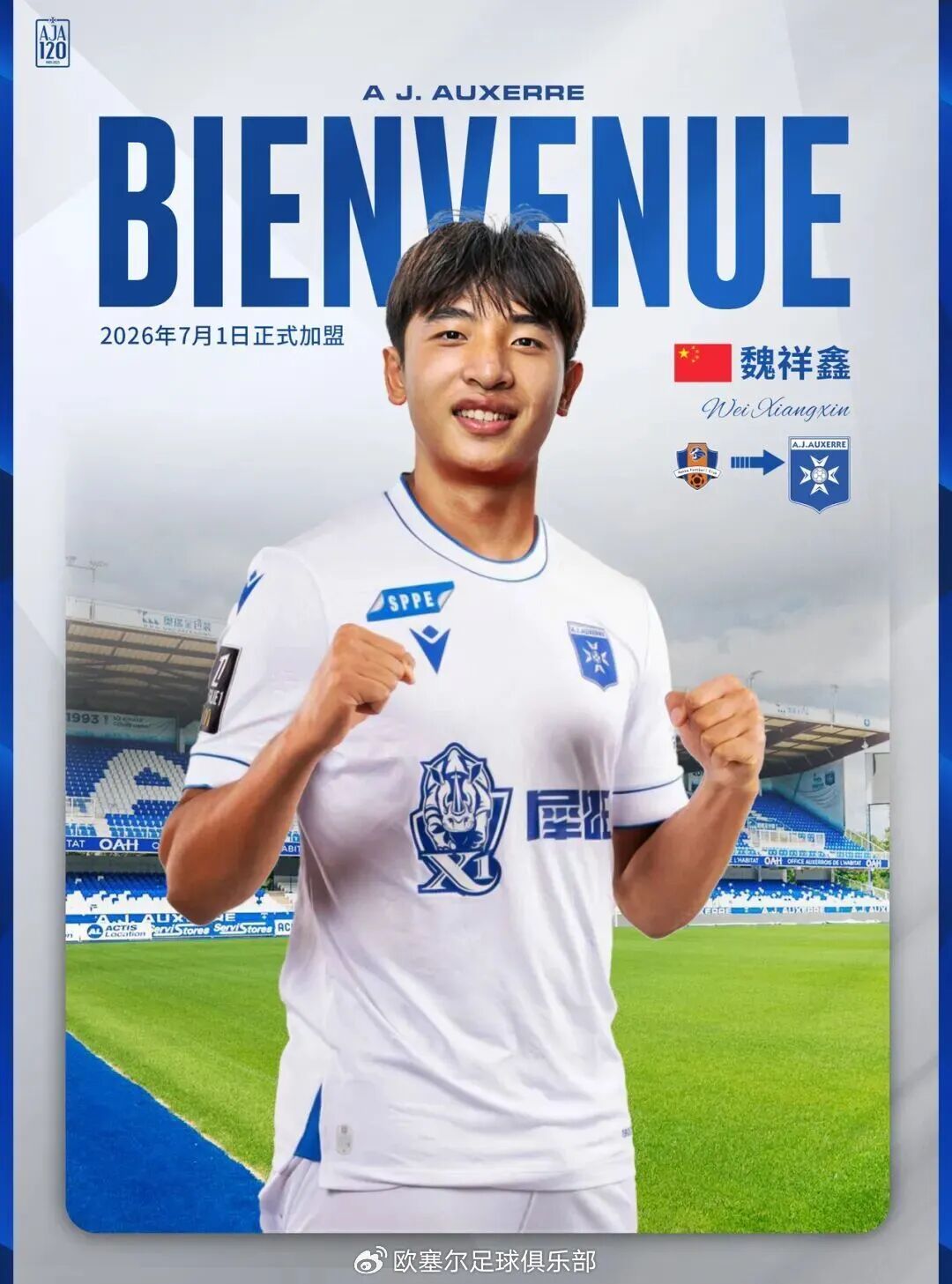
Meizhou Hakka’s relegation was a heavy blow for players but also a valuable lesson. Wei grew significantly in experience and mindset. He expressed gratitude to the club’s owner: “I think he worked hard and gave me a lot, trusting me enough to send me abroad and promote me to the CSL.”
Beyond club, family, and external support, Wei’s progress stems mainly from discipline. Extra training has become routine; he feels uneasy without working out. Seeing Wei train alone, Meizhou Hakka captain Liao Junjian shared on social media: “Seeing you training in the gym at the base, your sweat will pay off. I hope you carry Meizhou Hakka’s spirit and boldly chase your dreams. The sky is the limit!”

On April 16, Gabonese forward Bupenza of Zhejiang Greentown tragically died after falling from his apartment balcony. According to Hangzhou police, the death was ruled accidental with no criminal involvement. The incident occurred on a CSL match day, about six hours before Zhejiang played Meizhou Hakka at home.
Before joining Zhejiang, the left-footed Bupenza played in leagues in Turkey, Qatar, Saudi Arabia, the US, and Romania, winning the Turkish Super Lig Golden Boot in 2020. Before the tragedy, wearing number 9, he appeared 6 times for Zhejiang, scoring 4 goals and providing 2 assists, confident he could score even more spectacular goals.
This sad news shocked fans from Huanglong Stadium to the football community worldwide, including Gabon and the countries where he played. His Zhejiang teammate, Gabon-born Qian Jie, wrote: “No words can describe this pain. You’re gone, and the place next to me is forever silent. Rest in peace, brother.”
Though the departed are gone, the matches must go on. With government and shareholder support, Zhejiang club handled the aftermath properly, comforting Bupenza’s family and providing psychological counseling to players, helping the team return to normal.
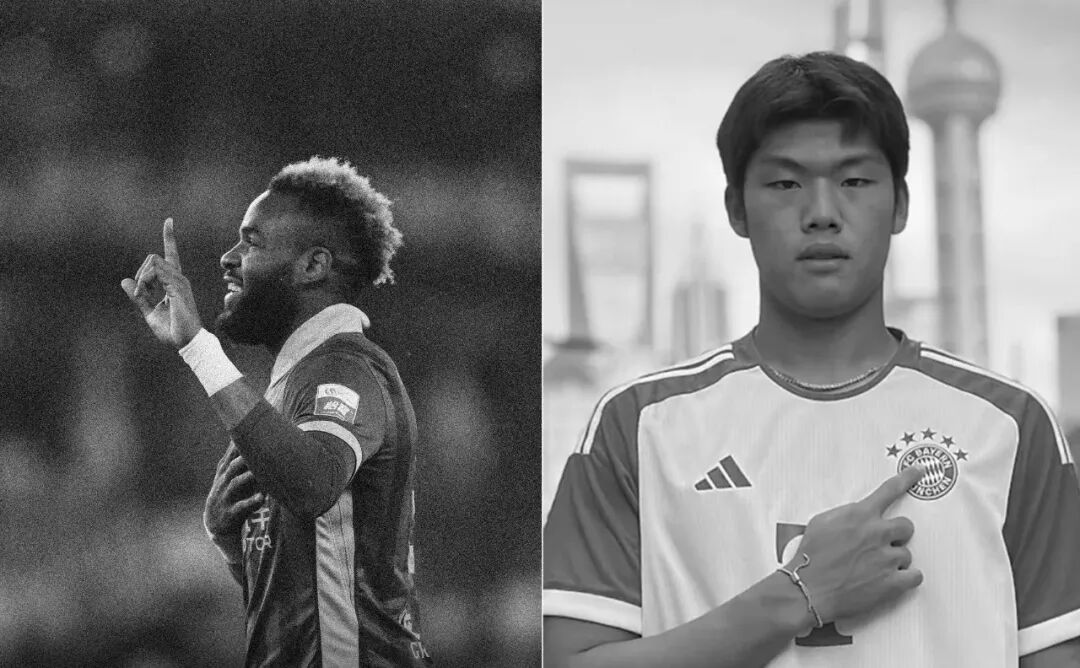
Nineteen-year-old Guo Jiaxuan never got to start his professional career before tragedy struck. On February 6, while representing Beijing U20 at a training match in Spain, he collided with an opponent and suffered a severe injury, falling into a coma. After four hours of emergency surgery, he was diagnosed with brain death due to excessive intracranial bleeding and was later transferred back to China for treatment.
On March 19, after over a month of brain death, Guo Jiaxuan passed away at Tiantan Hospital. He had been selected for the national youth team, and without that accident, the National Games might have been his stepping stone to professional football.
Bupenza’s CSL journey ended abruptly, and Guo Jiaxuan’s National Games journey ended prematurely. Football is life, but life is unpredictable.


Wonderfulshortvideo
Class from Šeško 👏😅


 Links
Links
 Contact
Address:UNIT 1804 SOUTH BANK TOWER, 55 UPPER GROUND,LONDON ENGLAND SE1 9E
Number:+85259695367
E-mali:icecmxtdaf@gmail.com
 App
App


