



2025 China Football Year-End Review: How Much Has the CFA Achieved in Its First Year?



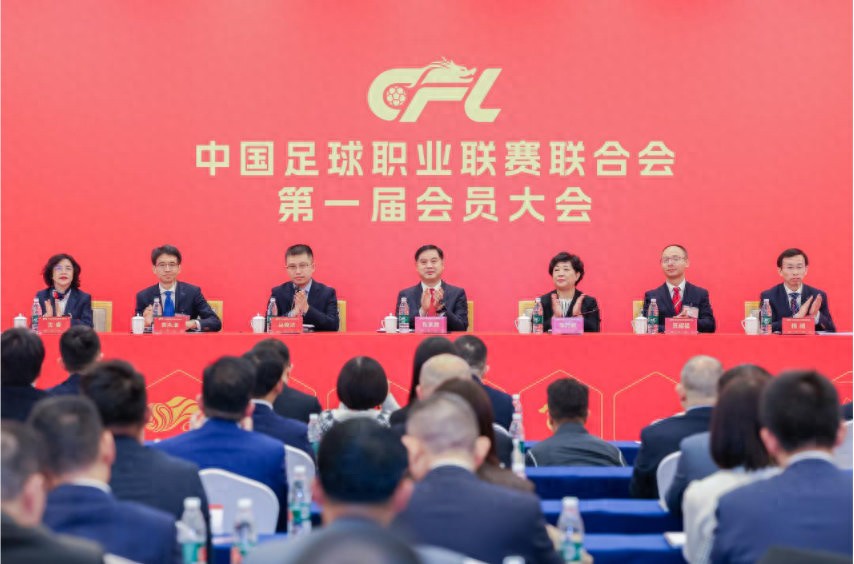
Reporter Luming reports On January 23, 2025, the Chinese Football Association Professional League (CFA League) was formally founded and took over independent operation of the three levels of professional leagues: Super League, League One, and League Two. This milestone represents a substantial advancement in the reform of separating governance from operations in Chinese football. As the main operator of the professional leagues, the CFA League adheres to core principles of "separation of management and operation, clear responsibilities, clear ownership, sound organization, and scientific management." It has formulated and implemented a series of targeted policies. After one year of practice, the leagues have achieved notable progress in governance systems, market vitality, and competitive quality.

After years of preparation, the policies established by the CFA League in its first year of operation focused mainly on clarifying boundaries of responsibility, purifying the competition environment, revitalizing market activity, and strengthening talent development, thereby forming a systematic league operation framework.
First, clarifying responsibilities and solidifying the foundation of the management-operation separation system. To fundamentally change the previous situation where the Chinese Football Association mixed management, operation, and supervision, the CFA League, at its inception, collaborated with relevant departments to create the "Responsibility List for Professional League Work between the Chinese Football Association and CFA League," clearly defining the rights and responsibilities of both parties.
According to the list, the Chinese Football Association retains ownership and regulatory rights over the professional leagues, mainly responsible for filing and reviewing major policies made by the CFA League and resolving disputes; the CFA League holds full rights to league operations, management, and revenue distribution, taking comprehensive charge of organizing and operating the three-tier leagues, including league development planning, club admission review, player registration and transfer management, and other core tasks. Internally, the CFA League has built an organizational structure consisting of the "General Assembly—Board of Directors—Special Committees—Secretariat," establishing special bodies such as the Disciplinary and Ethics Committee and Financial Supervision Committee, and introducing a supervisory system to form a clear and effective internal governance mechanism. This institutional design fundamentally separates regulatory rights from operational rights, providing a solid institutional guarantee for the professional operation of the leagues.
Second, strengthening competition integrity and cleaning up the league's competitive environment. Competition integrity was a top priority in the CFA League’s first year, issuing multiple announcements emphasizing discipline and launching a "education + supervision + punishment" integrated management system. On the education front, 15 online discipline training sessions were organized, covering 52 clubs and 56 teams with 2,562 participants, achieving a 95% pass rate on post-training tests, thereby reinforcing rule awareness among clubs, players, and staff through systematic training.
In terms of supervision, a dual monitoring system was established, involving competition integrity supervisors and social supervisors. Throughout the year, 273 competition integrity supervisors and 23 social supervisors were deployed, collecting 632 supervision reports and achieving full coverage of key matches.
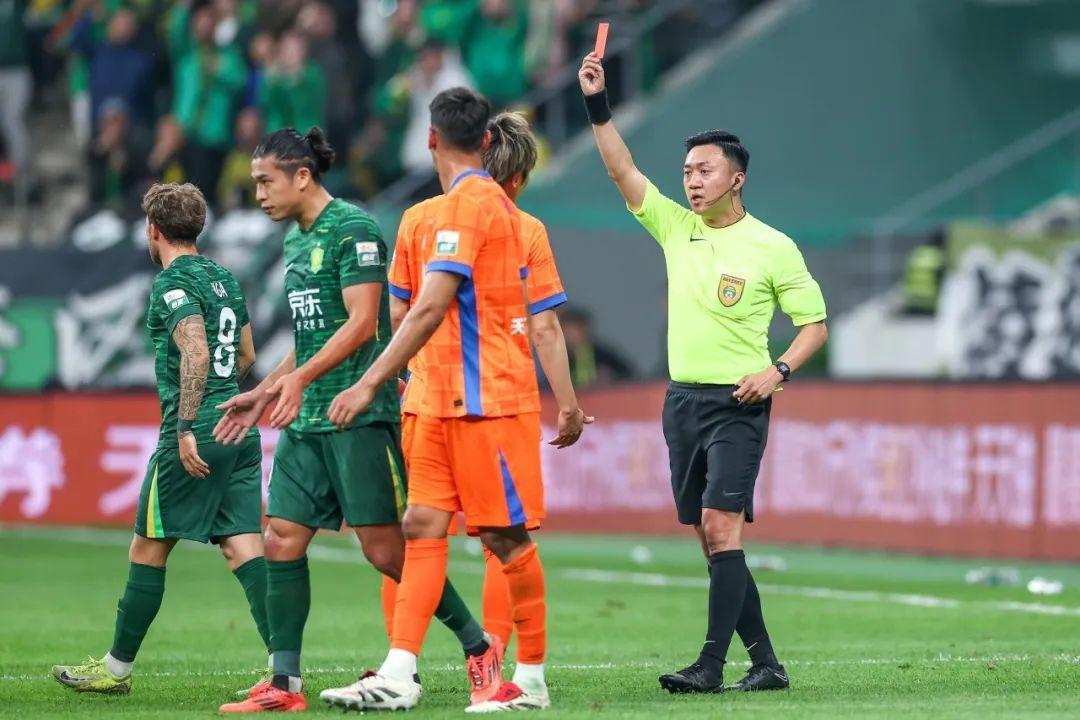
Regarding punishment, a zero-tolerance policy was maintained, strictly handling violations such as malicious fouls and fraud. In the 2025 season across the three leagues, a total of 89 disciplinary decisions were issued: 21 in the Super League (0.09 per match), 21 in League One (0.09 per match), and 47 in League Two (0.13 per match), representing a 21.06% decrease compared to 102 decisions in 2024. Specifically, the Super League saw a 16% decrease, League One 40%, and League Two 12.96%.
Additionally, the CFA League promoted reforms in referee management by retaining the Chinese Football Association’s referee selection authority while introducing foreign referees for key matches and, for the first time, appointing female referees as main referees in Super League games, thereby enhancing refereeing quality and ensuring fair play.
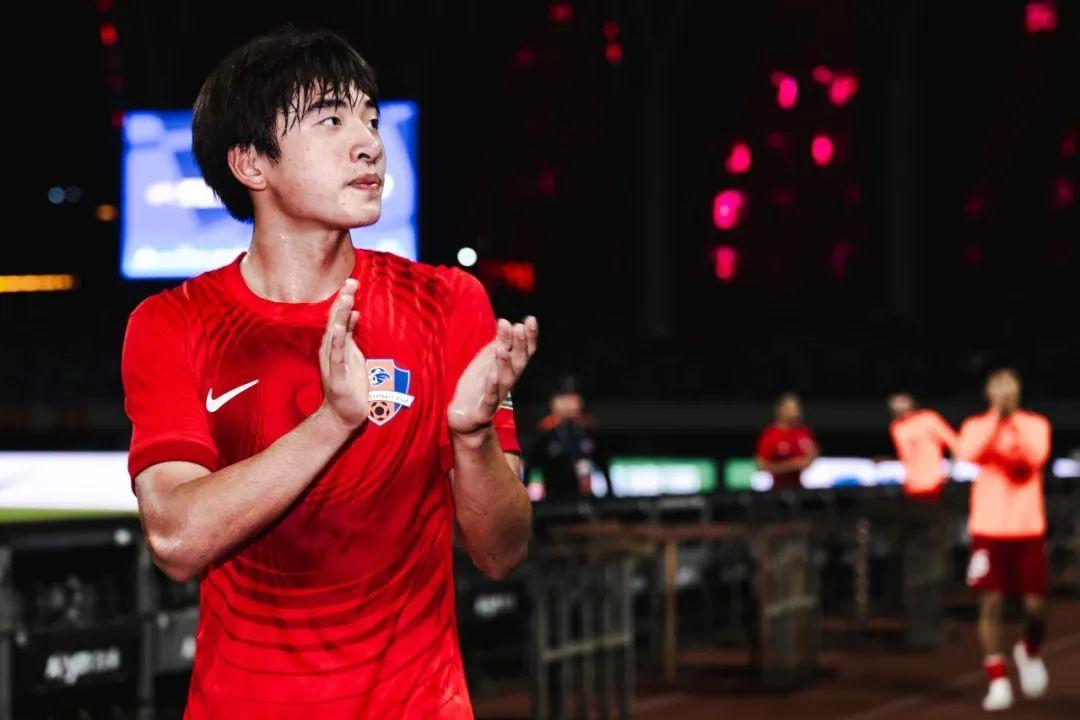
Third, focusing on talent development and deepening market reforms. The longstanding gap in youth football training in China prompted the CFA League to integrate young player development into its core league development plan, guiding growth through adjusted competition rules: on one hand, strengthening U21 player participation requirements and refining performance metrics to encourage clubs to provide more match opportunities for young players; on the other hand, establishing talent transition pathways between the three-tier leagues and youth leagues to promote deep integration of club youth training systems with professional leagues. Meanwhile, the CFA League partnered with professional institutions to build a player data platform that regularly tracks playing time and technical performance of young players, providing data support for national team selection.
In terms of market-oriented operations, the CFA League adheres to the philosophy of serving sponsors and empowering clubs, launching multiple initiatives to enhance the league’s commercial appeal: first, optimizing the business development system by integrating commercial resources across the three leagues and conducting league title sponsorships and other partnerships; second, strengthening sponsor services with a total of 981 on- and off-field sponsor events organized for the Super League throughout the year; third, decentralizing some commercial rights to allow clubs to independently carry out home stadium commercial activities, with clubs holding 610 self-organized events in 2025, a 69% increase from 2024, thus stimulating club market vitality. Furthermore, the CFA League collaborated with enterprises to build a full-stack AI command center, integrating AI and big data to improve event operation efficiency and commercial service accuracy, injecting technological momentum into the league’s market development.


After a year of policy implementation and management, the three-tier professional leagues operated by the CFA League show a positive trend of "cleaner competition environment, improved competitive quality, and stronger talent reserves," with all key data breaking new ground and initial results seen from the separation of management and operation reform.
First, competition integrity has improved, enhancing the league’s credibility.
Data released by the CFA League shows that in the 2025 season, 89 disciplinary decisions were issued across the three leagues, a 21.06% drop from 102 in 2024, with League One seeing the largest reduction at 40%. Match data indicates that the Super League averaged 4.13 yellow cards and 0.22 red cards per game; League One averaged 4.38 yellow and 0.15 red cards; League Two averaged 3.54 yellow and 0.19 red cards. Both yellow and red card counts decreased compared to last season. The reduction in violations directly contributed to smoother gameplay, with the Super League’s average net playing time reaching 54 minutes and 8 seconds, marking a steady increase for the third consecutive year. Among these, 27 matches exceeded 60 minutes of net playing time, accounting for 11.25%. League One and League Two averaged net playing times of 52 minutes 32 seconds and 53 minutes 53 seconds respectively, both hitting six-season highs. The sustained increase in net playing time not only enhanced the viewing experience but also reflected progress in league professionalism, laying a solid foundation for rebuilding league credibility.
Second, competitive quality steadily improved with comprehensive optimization of technical indicators.
Following the decline of big-money football, the attractiveness and competitive quality of professional leagues had sharply dropped. This year, all levels of leagues demonstrated comprehensive improvements in competitive quality, with many technical indicators reaching recent highs.
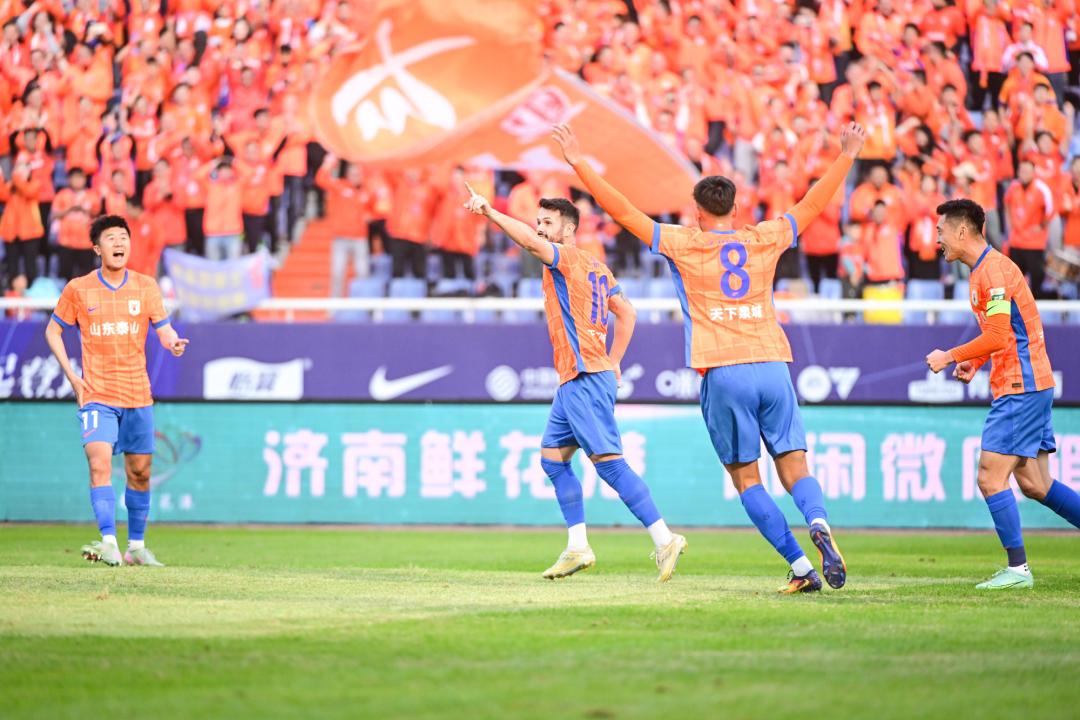
Regarding goal statistics: in the 2025 season, the Super League scored a total of 771 goals, averaging 3.21 goals per match, setting a historic record; League One had 627 goals, averaging 2.61 per match; League Two had 812 goals, averaging 2.26 per match. Total goals across the three leagues reached peaks not seen in the last three seasons. In terms of match intensity, the Super League averaged a combined running distance of 225,602.37 meters per game (both teams), with high-intensity running covering 17,560.87 meters, showing significant increases over previous seasons; average successful tackles were 20.97, clearances 57.83, and duels 109.48 per game. Improvements in these technical stats indicate enhanced scientific training and greater match commitment. Tactically, teams adopted more open playing styles, with faster transitions between attack and defense, increasing both suspense and entertainment value of the matches.
Third, a surge of young players emerged, showing initial success in talent reserves.
The 2025 season can be regarded as a golden year for young players’ breakthroughs: U21 players in the Super League appeared 554 times, starting 307 matches, with total playing time close to 34,000 minutes, all significantly up from 2024; 61 U21 players scored 35 goals, with Wang Yudong topping the domestic scorers chart at 11 goals, becoming a role model among young athletes. The influx of young talents not only revitalized the league but also eased the talent gap in Chinese football, providing solid support for the national team’s long-term development.

Fourth, fan base expanded and commercial value rose.
In the 2025 season, match attendance surged significantly, and fan enthusiasm reached unprecedented levels, becoming a key indicator of market recovery: total live attendance across the three leagues reached 8.9578 million, an 18% increase from 2024. The Super League’s live attendance surpassed 6 million for the first time, up 32.54%, setting a historic record. Away fans’ enthusiasm also grew, with 187,800 fans attending away matches, a 31% increase, reflecting improved regional appeal and fan loyalty. In media coverage, league influence continued to expand, with event-related topics generating over 10 billion reads; CCTV broadcasts accumulated 357 million viewers; new media platforms reached 183 million viewers, all showing double-digit growth and creating a multi-channel, wide-reaching dissemination pattern.
The market rebound directly boosted the league’s commercial value. In 2025, overall commercial revenue from the three leagues rose 13% compared to the previous year, with the Super League’s commercial income increasing by 10%. Additionally, diversification of home stadium commercial activities became an important sign of market vitality. Thirteen Super League clubs opened beer sales at home games, and club-organized commercial events doubled from 2024, further tapping into home stadium economic potential.
Overall, the CFA League’s first year of independently operating the three-tier professional leagues has yielded results, with the reform goal of separating management and operation preliminarily achieved and the leagues showing a positive development trend: policy-wise, the CFA League has established a management framework aligned with professional development rules, laying an institutional foundation for the leagues’ long-term growth; results-wise, all key data confirm the reform’s effectiveness.
At the same time, we must clearly recognize that Chinese professional football still faces many challenges, such as uneven development across the three leagues, with League One and League Two lagging behind the Super League in market influence and commercial value; ongoing financial pressures on some small and medium clubs, with sustainability needing improvement; and the overall level of domestic coaches and referees requiring further enhancement. Addressing these issues will require the CFA League to continuously deepen reforms in future operations and introduce more targeted measures for support and assistance.


Wonderfulshortvideo
Class personified.


chelsea 3-3 leeds united 4-1 wolves
yamal getting better raphinha goals today raphinha vs osasuna yamal barcelona highlights yamal pass today
marc bernal highlights bernal barcelona vs frankfurt yamal goal today yamal highlights today lewandowski goal ferran goal raphinha goal barcelona champions league
jamie carragher salah interview monday night football carragher mnf salah press conference salah benched slot interview slot press conference
Griezmann with the cool finish 🥶
kounde goals today yamal assist today rashford assist today barcelona 2-1 frankfurt
 Links
Links
 Contact
Address:UNIT 1804 SOUTH BANK TOWER, 55 UPPER GROUND,LONDON ENGLAND SE1 9E
Number:+85259695367
E-mali:icecmxtdaf@gmail.com
 App
App


