



The Super League of Suzhou seeks change, with many former national players taking charge and targeting professional youth teams! How will the 2026 city league landscape unfold?



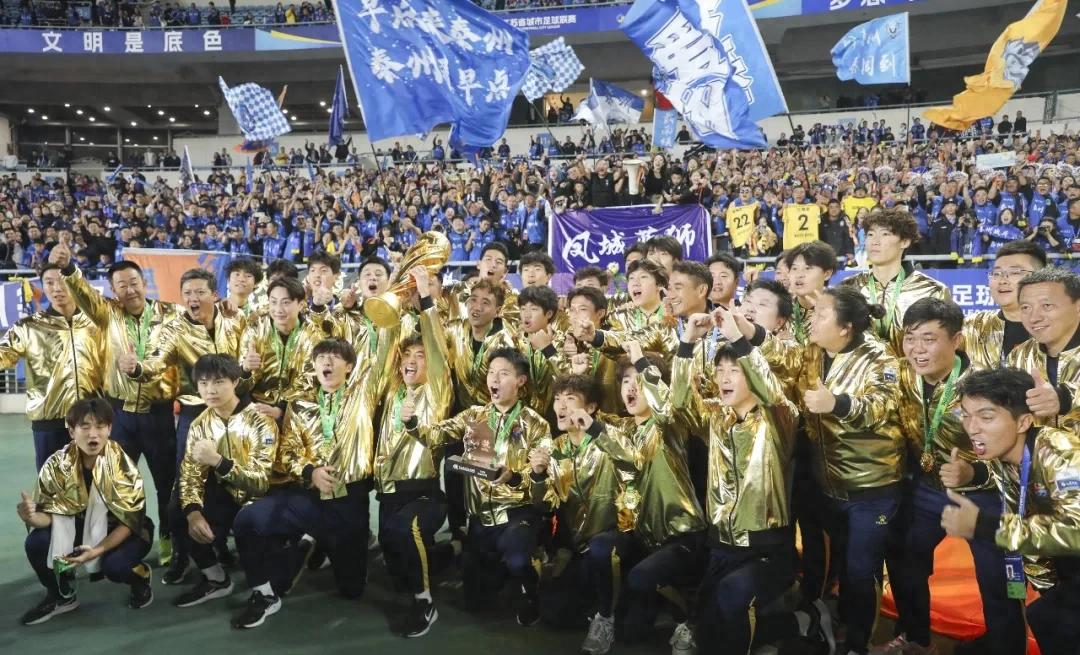
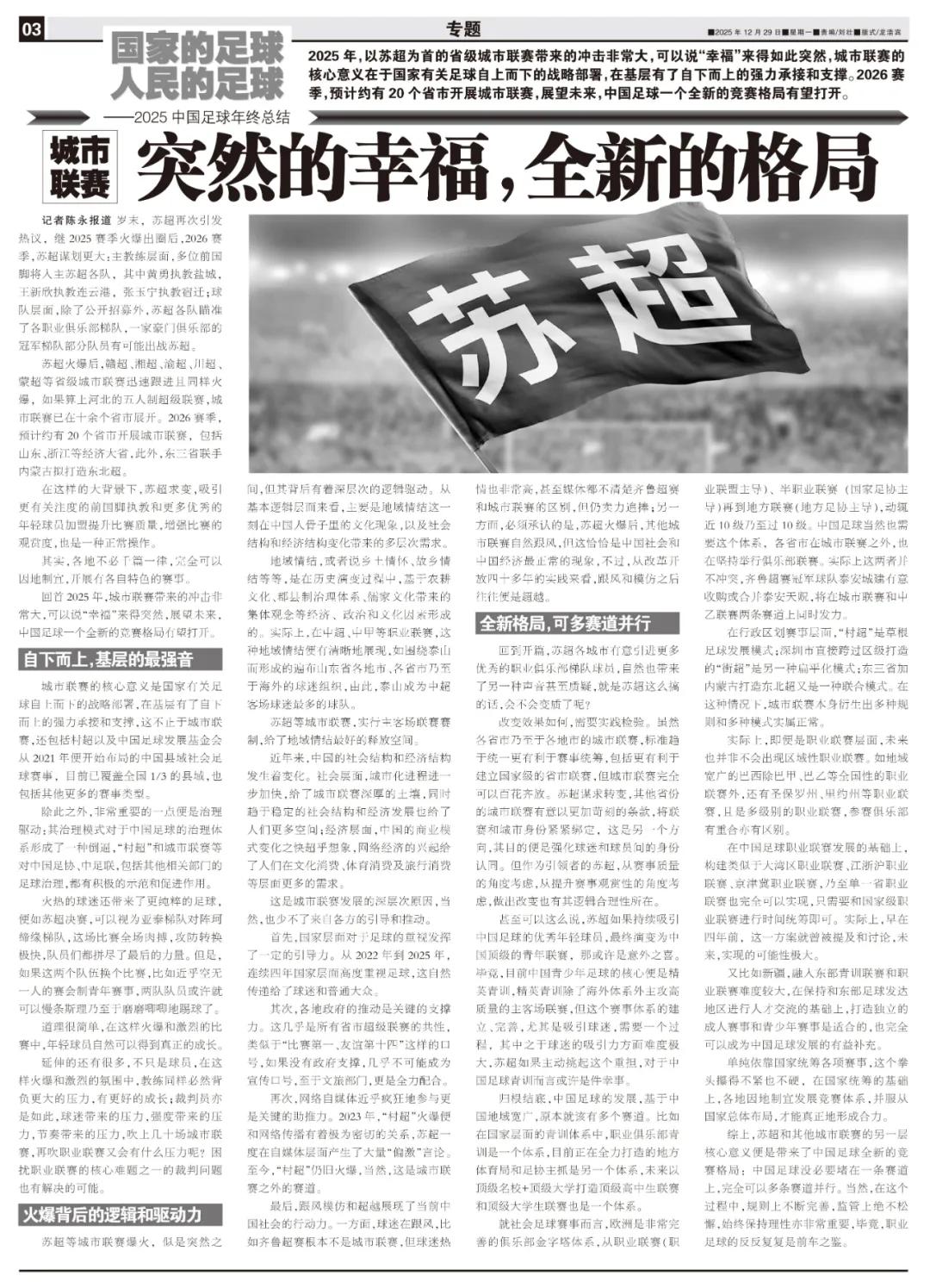
Reporter Chen Yong reporting At year’s end, the Suzhou Super League has reignited intense debate. After the 2025 season’s breakout success, the 2026 season aims higher: multiple former national team players will take coaching roles across Suzhou Super League teams, with Huang Yong at Yancheng, Wang Xinxin at Lianyungang, and Zhang Yuning at Suqian; on the team side, beyond open recruitment, Suzhou teams are targeting professional club youth squads, with some players from a top club’s championship youth team potentially joining the Suzhou Super League.
Following the Suzhou Super League’s boom, provincial city leagues such as those in Jiangxi, Hunan, Chongqing, Sichuan, and Inner Mongolia quickly followed suit and also became popular. Including Hebei’s five-a-side super league, city leagues have now launched in over ten provinces and cities. For the 2026 season, around 20 provinces and cities are expected to hold city leagues, including economically strong provinces like Shandong and Zhejiang. Additionally, the three northeastern provinces plan to collaborate with Inner Mongolia to create a Northeast Super League.
Against this backdrop, Suzhou’s pursuit of change by attracting more attention-grabbing former national players as coaches and recruiting outstanding young talents to improve match quality and entertainment value is predictable. However, for city leagues across regions, there is no need for uniformity; they can tailor competitions with their own unique characteristics.
Looking back at 2025, the impact brought by city leagues was significant—happiness arrived suddenly. Looking ahead, a brand-new competitive structure for Chinese football is likely to emerge.
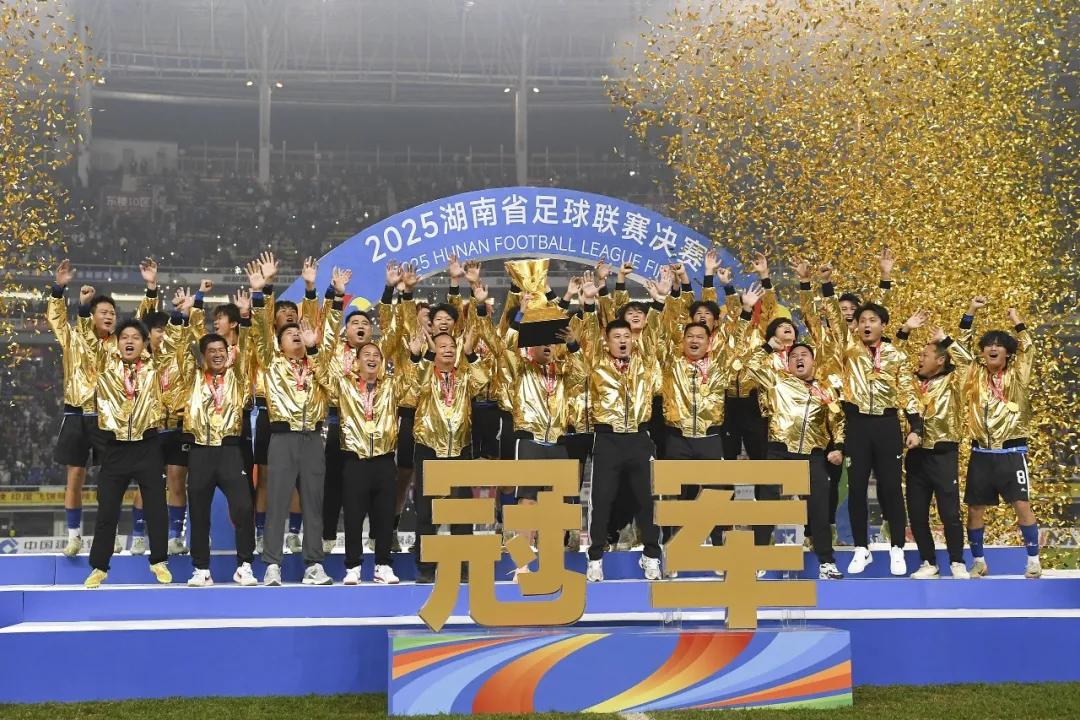

The core significance of city leagues lies in the top-down strategic deployment of football by the state, with strong bottom-up support and engagement at the grassroots level. This extends beyond city leagues to include village-level leagues and county-level social football events organized by the China Football Development Foundation since 2021, which now cover a third of the country’s counties, along with many other types of competitions.
Moreover, a crucial aspect is governance-driven development: the governance model of these leagues creates a push effect on China’s football governance system. Village leagues and city leagues positively influence the football governance of the Chinese Football Association, the Chinese Football Federation, and other relevant bodies, serving as effective examples and catalysts.
The passionate fans also bring purer football. For example, the Suzhou Super League final can be seen as a match between the Yatai youth team and the Kedi Yuan youth team, with intense physical battles and rapid transitions throughout, where players gave their all. In contrast, in a nearly empty youth tournament, the gameplay might be slow and lackluster—simply put, in high-stakes, intense, and highly watched matches, young players gain far more experience and growth.
The ripple effects extend beyond players. Coaches inevitably face greater pressure and better growth opportunities in such intense environments; referees too feel the strain from fan pressure, match intensity, and pace. Officiating dozens of city league matches before moving on to professional leagues could help address one of the core challenges in professional leagues—the refereeing issue.
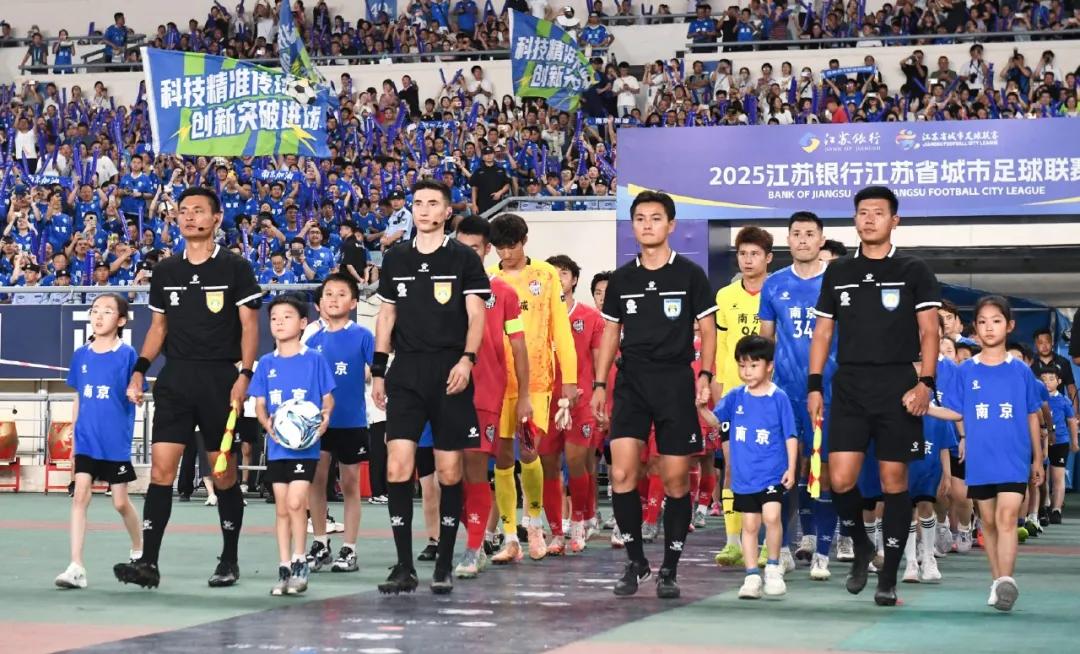

The sudden rise of city leagues like the Suzhou Super League seems abrupt, but it is driven by deep underlying factors. Fundamentally, it reflects the cultural phenomenon of regional attachment ingrained in Chinese people, as well as multi-layered demands arising from social and economic structural changes.
Regional attachment, or hometown sentiment, stems from historical evolution shaped by agricultural culture, the county governance system, Confucian collective values, and other economic, political, and cultural factors. This attachment is clearly visible in professional leagues like the Chinese Super League and China League One—for example, the fan base around Tai Shan covers many cities in Shandong province and even overseas, making Tai Shan the team with the largest away fan support in the Super League. City leagues like Suzhou’s, with home-and-away formats, provide the best outlet for this regional sentiment.
In recent years, China’s social and economic structures have changed. Socially, urbanization has accelerated, providing fertile ground for city leagues, while a more stable social structure and economic growth offer people more space. Economically, the rapid evolution of business models, especially the rise of the internet economy, has created increased demand for cultural, sports, and travel consumption.
These are the deep-rooted reasons behind the development of city leagues, along with guidance and promotion from various parties.
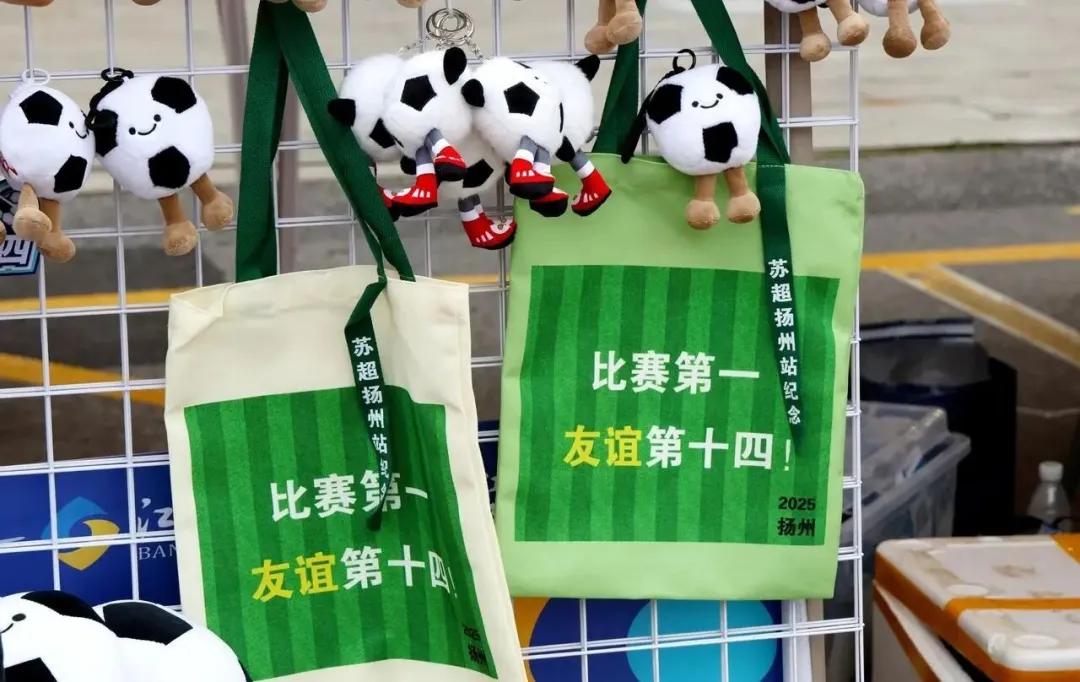
First, the national government’s emphasis on football has played a guiding role. From 2022 to 2025, the government has consistently prioritized football, naturally influencing fans and the general public.
Second, local governments’ support is a key pillar. This is common across nearly all provincial and city super leagues. Slogans like “Competition First, Friendship Fourteenth” would be impossible without government backing, and cultural and tourism departments fully cooperate.
Third, the nearly frenzied involvement of online self-media is a crucial booster. In 2023, the popularity of village leagues was closely tied to online dissemination, and the Suzhou Super League generated many “extreme” opinions on social media. Village leagues remain popular today, representing a separate track from city leagues.
Finally, imitation and surpassing demonstrate the current dynamism of Chinese society. On one hand, fans follow trends, such as the Qilu Super League, which is not a city league but enjoys high enthusiasm, with even media unclear about the differences yet still promoting it vigorously. On the other hand, it must be acknowledged that after Suzhou’s boom, other city leagues naturally followed suit, which is a normal societal and economic phenomenon. Historically, after imitation comes surpassing.
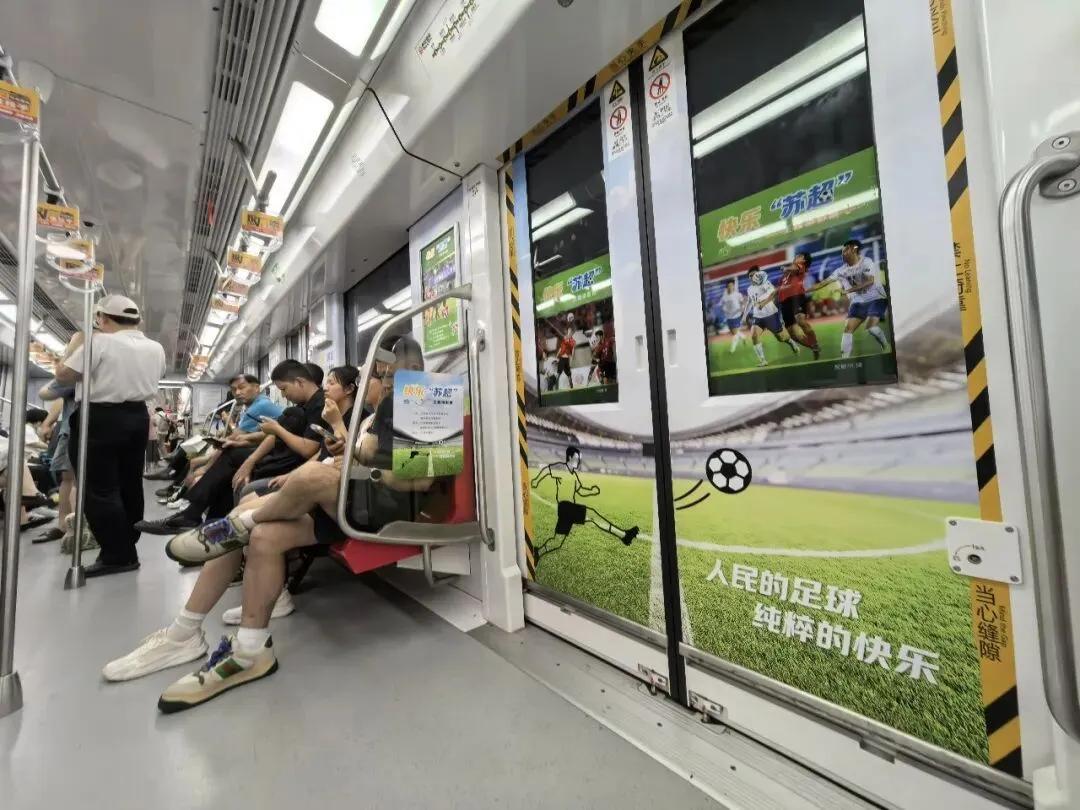

Returning to the beginning, Suzhou city leagues’ intention to bring in more excellent youth players from professional clubs has naturally sparked another voice, even doubts: will this approach cause the Suzhou Super League to lose its original character?
The effectiveness of these changes needs to be tested in practice. Although city leagues across provinces and cities tend to unify standards for better event coordination, including building national-level provincial and city leagues, city leagues can still flourish in diverse ways. While Suzhou seeks transformation, other provinces aim to tightly link their leagues with city identity through stricter rules to strengthen fan and player identity. As a leader, Suzhou’s changes have logical and reasonable grounds from the perspectives of improving competition quality and enhancing entertainment value.
It could even be said that if Suzhou continues to attract China’s top young footballers, it might eventually evolve into China’s premier youth league—a pleasant surprise. Currently, China’s youth football core is elite training, which besides overseas systems focuses on high-quality home-and-away leagues. Building and perfecting this competition system, especially attracting fans, takes time and is very challenging. Suzhou taking on this responsibility could be beneficial for China’s youth football development.
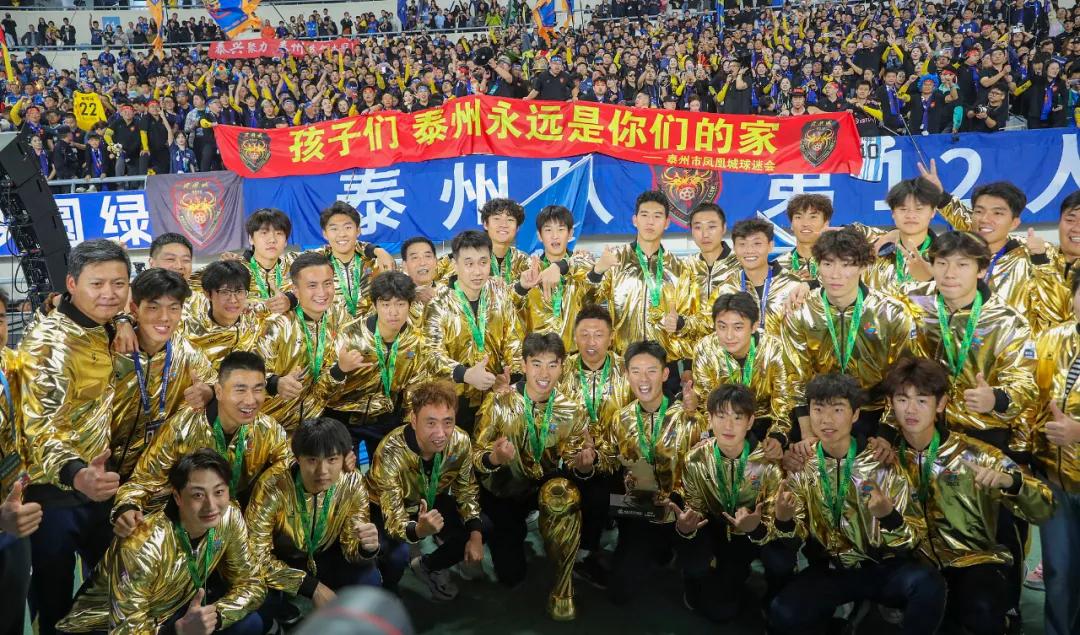
Ultimately, China’s football development, given the vast territory, should naturally have multiple competitive tracks. For example, at the national youth training level, professional club youth training forms one system; the local sports bureaus and football associations are building another; and future top high school and university leagues represent yet another system.
Regarding social football competitions, Europe boasts a highly structured club pyramid system, from professional leagues (led by professional associations) to semi-professional leagues (managed by national federations) and down to local leagues (run by regional associations), often spanning nearly ten or more levels. China also needs such a system. Besides city leagues, provinces and cities continue to hold club leagues. These two are not in conflict; for example, the Qilu Super League champion Tai’an Urban Construction intends to acquire or merge with Tai’an Tiankuang, competing simultaneously in city leagues and China League Two.
At the administrative division competition level, village leagues represent a grassroots football development model; Shenzhen’s “Street Super League,” which bypasses district levels, is a flat model; the Northeast Super League formed by the three northeastern provinces and Inner Mongolia is a joint model. Under these conditions, the emergence of various rules and models within city leagues is entirely normal.
In fact, even at the professional league level, regional professional leagues may appear in the future. For example, Brazil, besides nationwide leagues like Serie A and Serie B, also has state leagues in São Paulo and Rio de Janeiro, which are multi-tiered and have overlapping and distinct participating clubs.
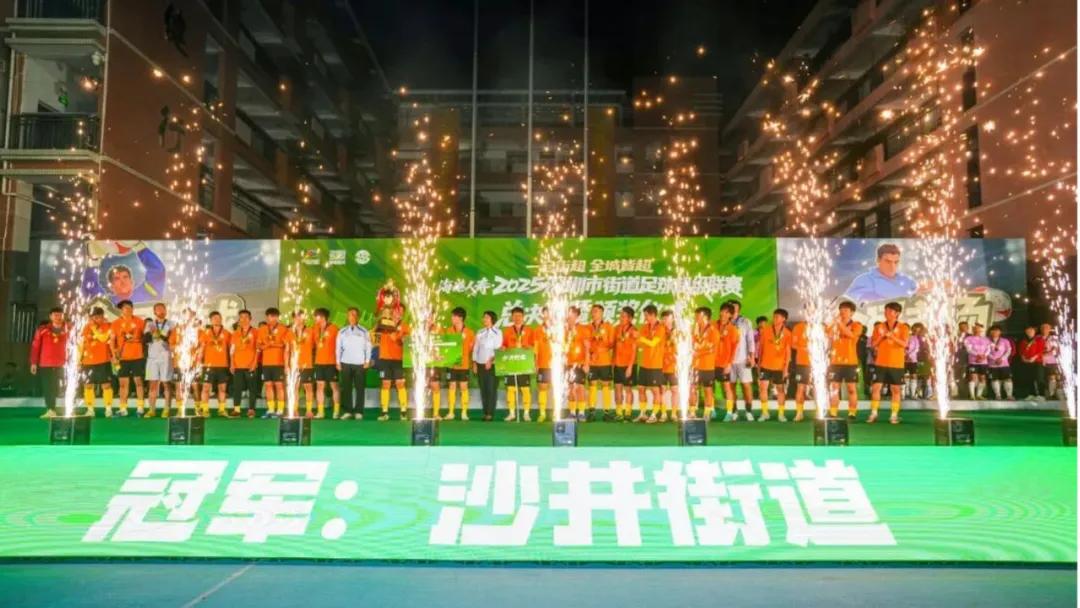
Based on the development of China’s professional football leagues, creating regional professional leagues such as the Greater Bay Area League, Jiangsu-Zhejiang-Shanghai League, Beijing-Tianjin-Hebei League, or even single-province leagues is entirely feasible, provided scheduling is coordinated with national professional leagues. This plan was proposed and discussed as early as four years ago, and its realization is highly likely in the future.
For example, Xinjiang faces difficulties integrating into eastern youth training leagues and professional leagues. Maintaining talent exchanges with developed eastern football areas while developing independent adult and youth competitions suits Xinjiang and can serve as a valuable supplement to China’s football development.
Relying solely on national coordination for all competitions is neither tight nor strong enough. On the basis of national coordination, local adaptations of competition systems that align with the overall national layout are necessary to truly form synergy.
In summary, another core significance of Suzhou Super League and other city leagues is that they bring a brand-new competitive landscape to Chinese football: there is no need for Chinese football to be confined to a single track; multiple tracks can run in parallel. Of course, during this process, continuous improvement of rules, strict supervision, and maintaining rationality are very important, as the repeated ups and downs of professional football serve as a cautionary tale.


Wonderfulshortvideo
Class personified.


chelsea 3-3 leeds united 4-1 wolves
yamal getting better raphinha goals today raphinha vs osasuna yamal barcelona highlights yamal pass today
marc bernal highlights bernal barcelona vs frankfurt yamal goal today yamal highlights today lewandowski goal ferran goal raphinha goal barcelona champions league
jamie carragher salah interview monday night football carragher mnf salah press conference salah benched slot interview slot press conference
Griezmann with the cool finish 🥶
kounde goals today yamal assist today rashford assist today barcelona 2-1 frankfurt
 Links
Links
 Contact
Address:UNIT 1804 SOUTH BANK TOWER, 55 UPPER GROUND,LONDON ENGLAND SE1 9E
Number:+85259695367
E-mali:icecmxtdaf@gmail.com
 App
App


