



Liverpool and the Fateful Year 2025: From Premier League Throne to Jota’s Tragedy


Liverpool went through a turbulent 2025, moving from a historic Premier League title to the devastating loss of Jota and a series of crises that moved the whole city to tears.
10. A Start Filled with Doubt and Challenges
Entering 2025, Liverpool was no longer highly rated by experts as in previous seasons. In the BBC’s pre-season survey, not a single expert believed The Reds could win the Premier League. Most regarded Arsenal and Manchester City as the top contenders, with some even predicting Liverpool would drop out of the top 4.
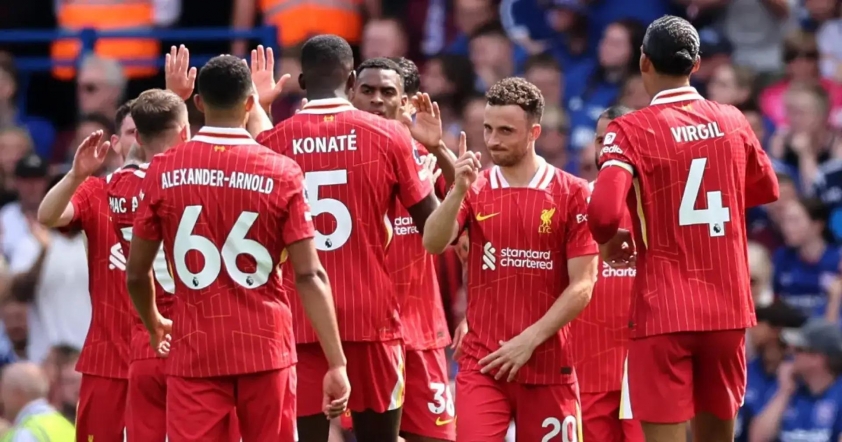
After years of fierce competition under Jürgen Klopp, many thought The Kop’s golden era had ended. Yet, at the moment of greatest doubt, the fighting spirit and resilience of the red squad were reignited.
9. Arne Slot: The Successor to Klopp’s Legacy
When Jürgen Klopp said goodbye, many feared Anfield would plunge into crisis. But Liverpool’s management boldly appointed Arne Slot, the Dutch strategist, as his successor.
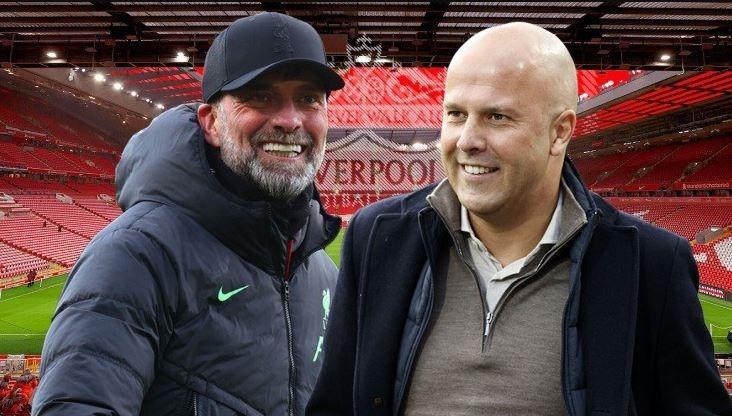
Slot arrived not with grand promises but with faith in discipline, control, and a distinctive total football philosophy. He didn’t try to imitate Klopp but built a Liverpool side that was more balanced, pragmatic, yet still emotionally explosive. Within months, Slot’s influence was clear: a cohesive team, a versatile attack, and a fighting spirit as fierce as ever.
8. Spring Revival: Liverpool Reaffirms Its Status
From February to April, Liverpool displayed form that earned respect across the Premier League. They lost only once to Nottingham Forest in the first 20 games, securing convincing wins over Arsenal, Chelsea, and Tottenham.

Slot’s tactical approach maximized the team’s strengths: intelligent pressing, fast wing attacks, and rapid transitions. Public opinion shifted from doubt to admiration. Liverpool not only revived but reemerged as a leading title contender.
7. Glory Returns: The 20th Premier League Title
In May 2025, Liverpool officially clinched the Premier League after a commanding 5-1 victory over Tottenham. The image of Virgil van Dijk lifting the trophy at Anfield amid a sea of red smoke is unforgettable for fans. Six years after their historic 2019–2020 season, The Kop captured their 20th domestic league title.
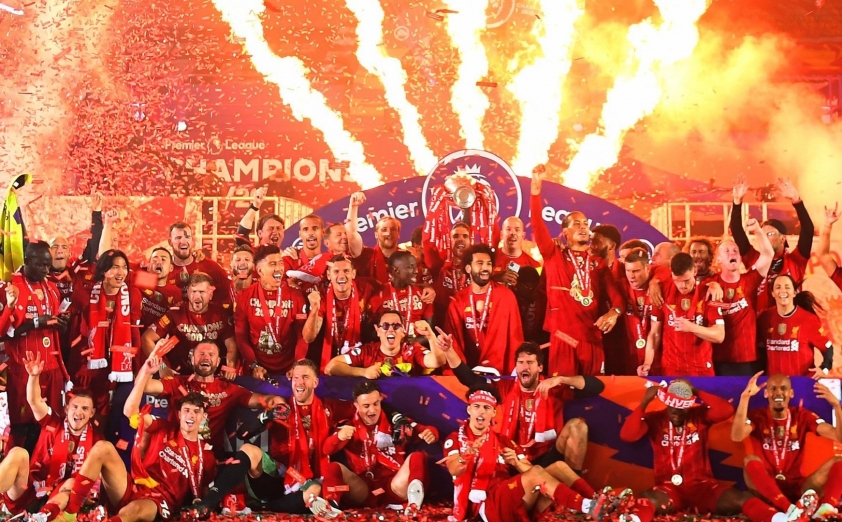
Throughout Merseyside, celebrations lasted for days. This triumph was not just Slot’s victory but a reaffirmation that Liverpool endures to win, true to the club’s century-old philosophy.
6. Failures in Champions League and FA Cup: The Cost of Prioritizing
Despite winning the Premier League, Liverpool faltered in cup competitions. The Kop exited the Champions League in the round of 16 after two legs against PSG, despite having beaten Real Madrid and Leverkusen in the group stage.
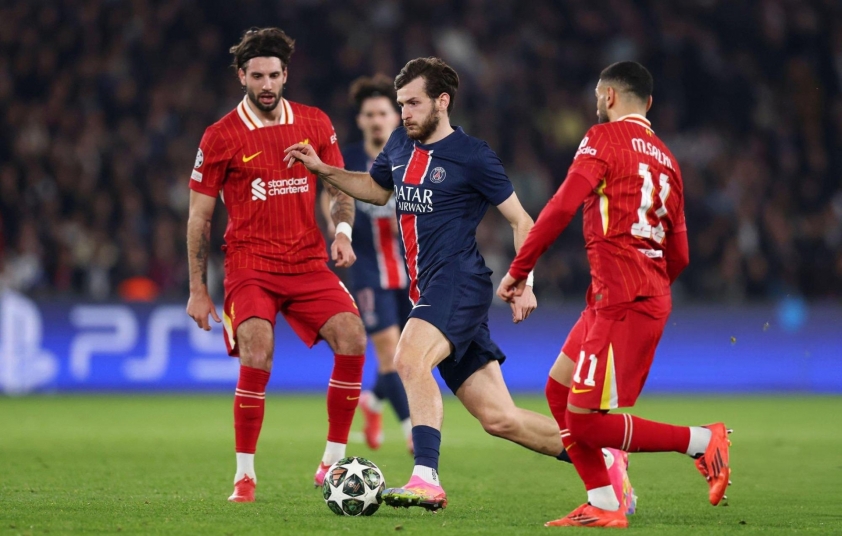
In the FA Cup, they were surprisingly knocked out by Plymouth in the fourth round. Coach Slot was unfazed, calling it “the price to pay” for focusing all efforts on the Premier League. For him, the domestic title outweighed secondary trophies.
5. Sunny Break and a Stormy Summer Transfer Window
After the season ended, Slot granted players an extended break with their families, a move that surprised many. While Arsenal, Chelsea, and Man City competed in friendlies and the Club World Cup, Liverpool stars relaxed on holiday in Dubai.

\At the same time, management opened the purse strings for more than £440 million to sign Alexander Isak, Florian Wirtz, and Hugo Ekitike, aiming to build the “Slot era.” However, fate mocked them: Isak broke his leg, Leoni tore his ACL, and Ekitike received a ridiculous red card on his debut. These setbacks foreshadowed an unsettled 2025–2026 season.
4. The Jota Tragedy: The Heart of The Kop Stopped Beating
On July 3, 2025, the football world was plunged into mourning when Diogo Jota, Liverpool’s forward, died in a tragic car accident in Spain along with his brother. He passed away just 10 days after his wedding, leaving behind a wife and three young children. Liverpool immediately shut down all media channels, flew flags at half-mast, and set up a memorial at Anfield.
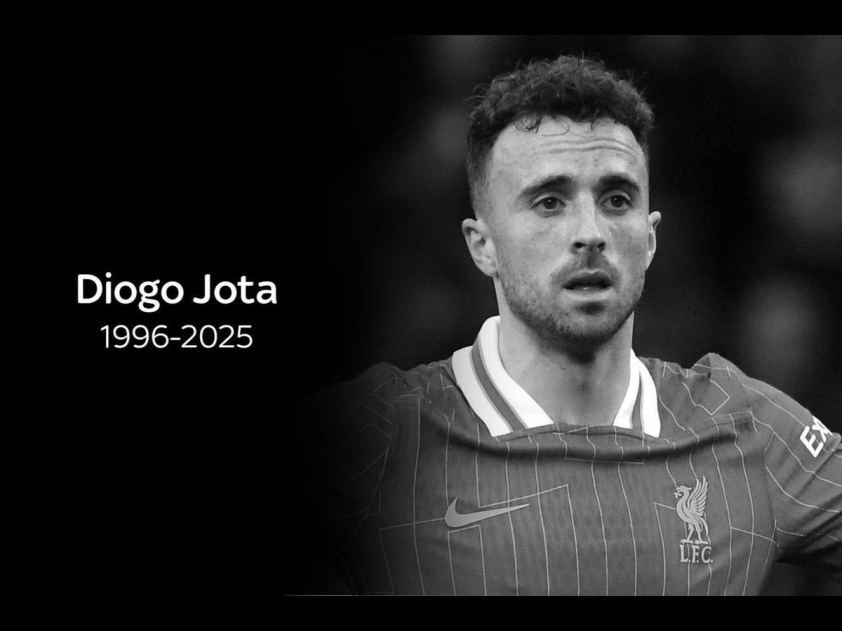
Teammates like Robertson, Salah, and Van Dijk wept at the memorial. Jota’s death was not only a sporting loss but a devastating blow to team morale. From that moment, the squad seemed to lose its identity.
3. Complete Collapse: From the Peak to the Abyss
From August onwards, Liverpool entered an unprecedented crisis. They lost 9 of 12 matches, conceded 27 goals, and slipped into the lower half of the table. Individual errors, red cards, and injuries piled up.
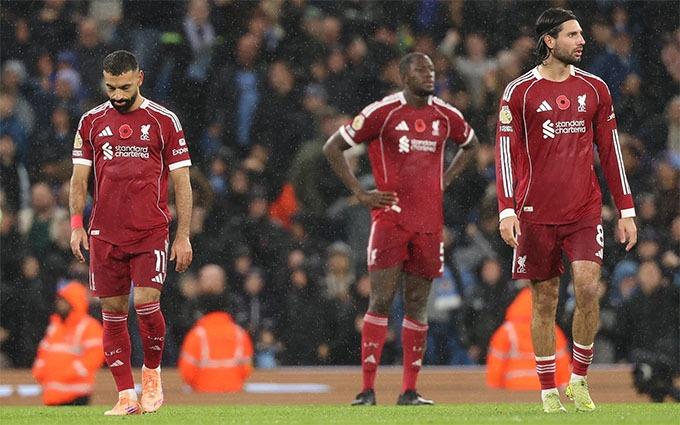
Experts called it “Liverpool’s worst nightmare since 1954.” From a proud champion, The Kop became fragile, exhausted, and directionless.
2. Arne Slot: Keeper of the Flame Amid the Storm
Amidst heavy criticism, Arne Slot remained calm. He refused to blame players and openly admitted the team was suffering both physically and mentally. Liverpool’s board continued to support him, believing Slot deserved more time.
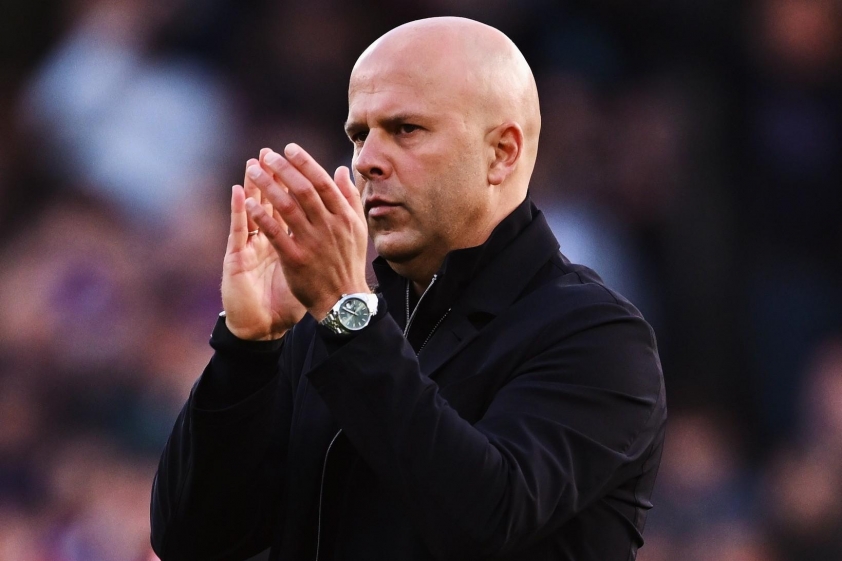
With empathy and humanity, the Dutch coach strives to heal a broken squad not only with tactics but with compassion. He has become a symbol of perseverance in the darkest days.
1. Hope from the Ashes: “You’ll Never Walk Alone”
At the end of 2025, Liverpool faced a turning point. They no longer chased trophies but focused on restoring morale. The match against bottom-placed Wolves was seen as a chance for “rebirth.” At Anfield stands, fans sang loudly again You’ll Never Walk Alonenot just as a motto but as a vow: despite loss and pain, they remain united. Liverpool survived Hillsborough and Heysel, and they believe they will overcome the sorrow of 2025 as well.


Wonderfulshortvideo
Class personified.


chelsea 3-3 leeds united 4-1 wolves
yamal getting better raphinha goals today raphinha vs osasuna yamal barcelona highlights yamal pass today
marc bernal highlights bernal barcelona vs frankfurt yamal goal today yamal highlights today lewandowski goal ferran goal raphinha goal barcelona champions league
jamie carragher salah interview monday night football carragher mnf salah press conference salah benched slot interview slot press conference
Griezmann with the cool finish 🥶
kounde goals today yamal assist today rashford assist today barcelona 2-1 frankfurt
 Links
Links
 Contact
Address:UNIT 1804 SOUTH BANK TOWER, 55 UPPER GROUND,LONDON ENGLAND SE1 9E
Number:+85259695367
E-mali:icecmxtdaf@gmail.com
 App
App


