



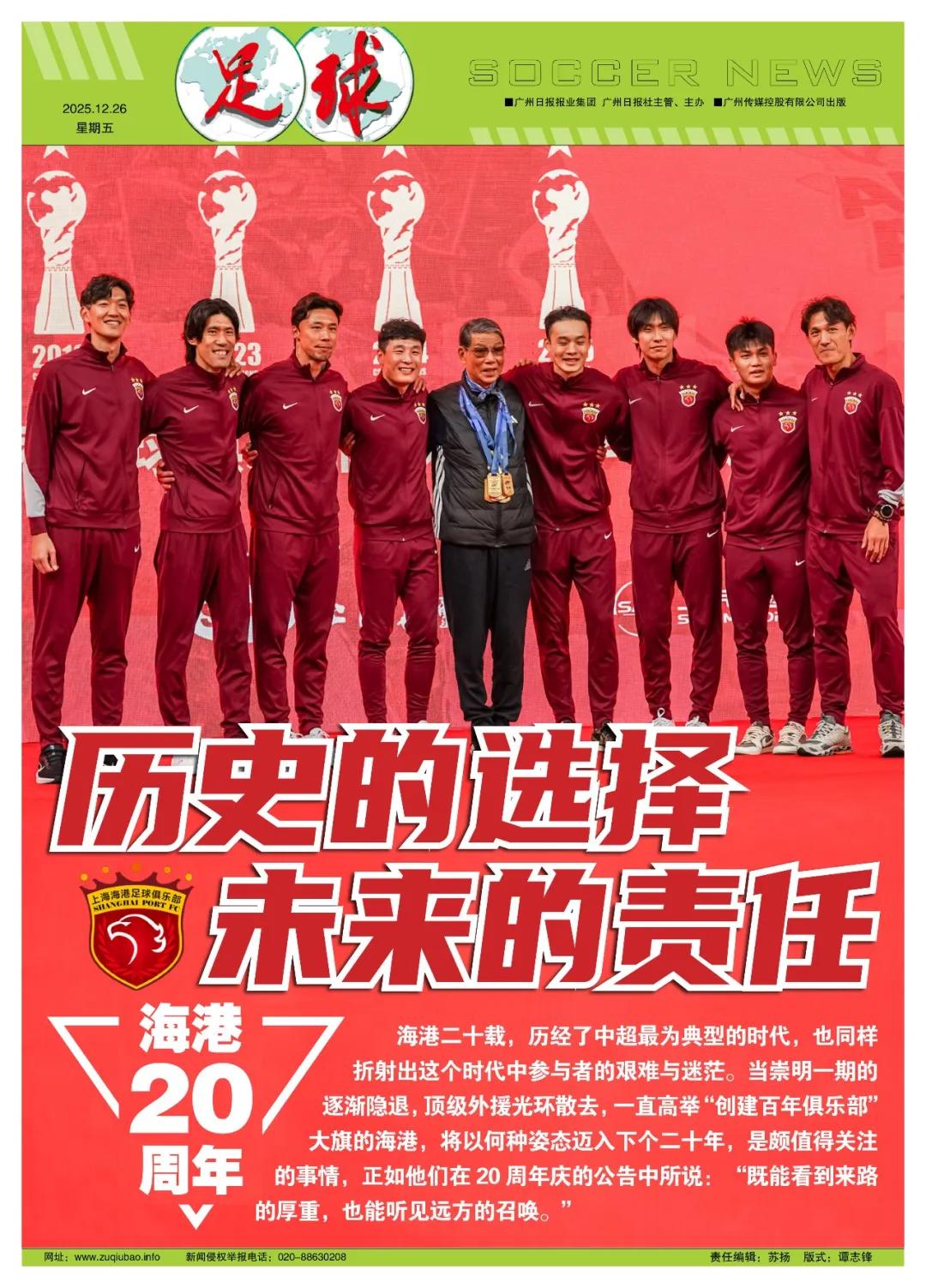
Shanghai Port 20th Anniversary: A Choice of History, A Responsibility for the Future



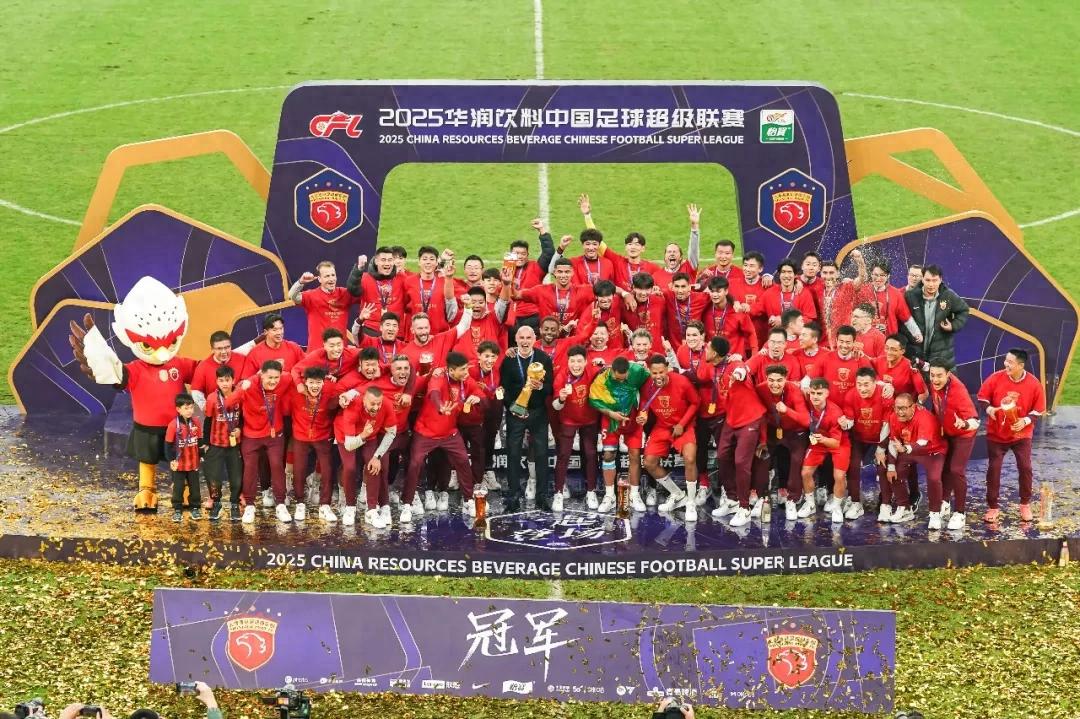
Reported by Cheng Shan On December 25th, the 20th anniversary celebration of Shanghai Port was hosted at the Chongming Genbao Base, where the team originally began two decades ago. Returning here after twenty years perfectly embodied the theme “Never Forget the Original Aspiration.” The energetic Xu Genbao smiled on stage and said to the fans, “I hope you keep supporting this team, whether they win or lose.”
Shanghai Port Football Club originated as Shanghai East Asia Football Club, officially founded by Xu Genbao on December 25, 2005, at the Chongming Genbao Football Base. In 2014, it was acquired by the Shanghai Port Group, and in 2021, due to the Chinese Football Association’s neutral naming policy, the club was renamed from Shanghai SIPG to “Shanghai Port.”
Over the past 20 years, the team started with a “ten years of sharpening a sword” approach on Chongming Island, progressing through the third-tier China League Two, China League One, and the Chinese Super League, achieving a domestic honor grand slam. Xu Genbao has been the most important guide and witness throughout this journey. Early that morning, he woke up early to personally prepare the base’s specialty wontons for visitors. However, there were so many people that he couldn’t make enough, “Everyone could only get up to three,” Xu Genbao said with a smile.
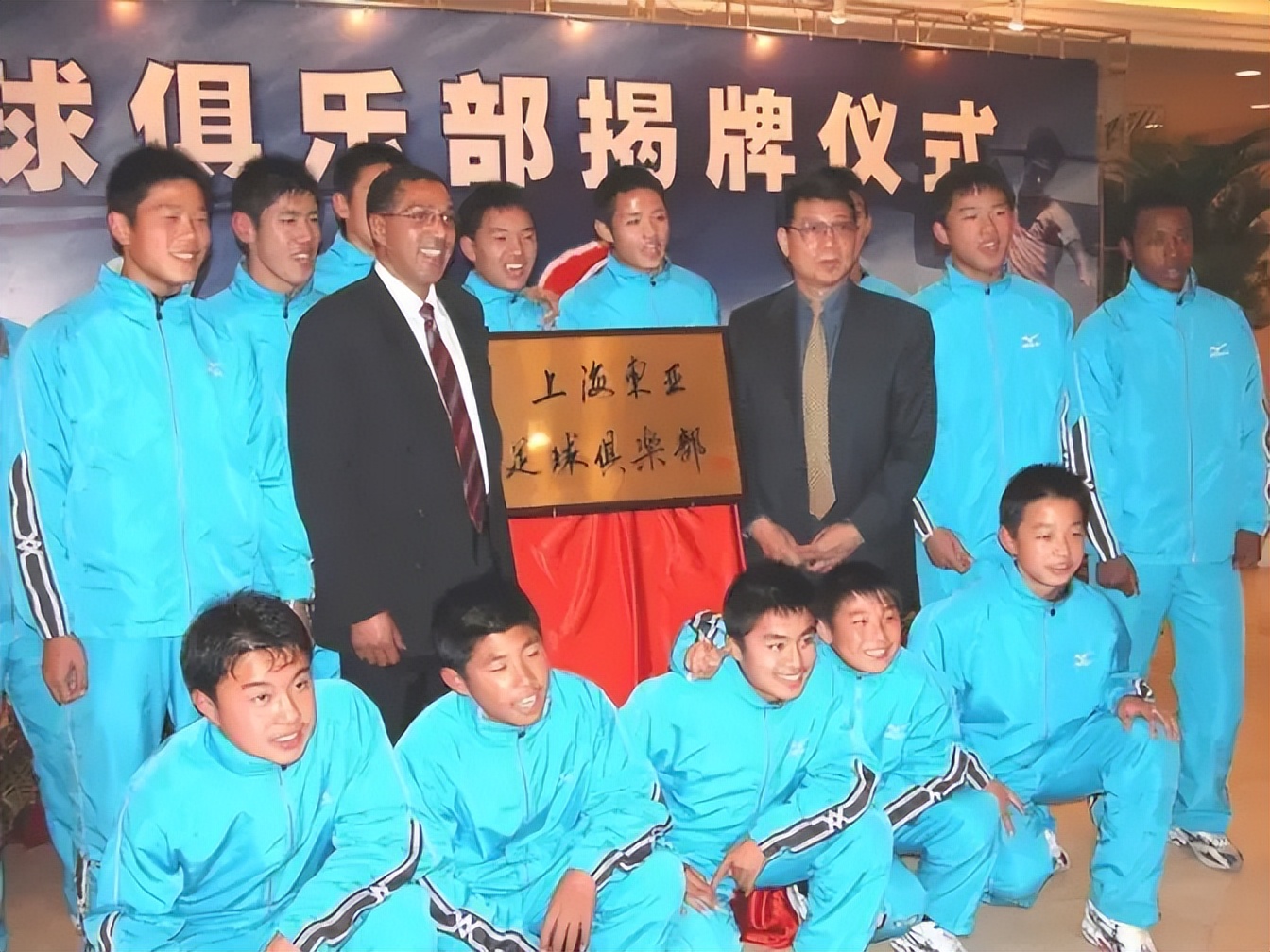
Many players in today’s Shanghai Port grew up eating those wontons at the Chongming base. When the team was founded in 2005, Wu Lei and Yan Junling were only 14 years old, while Wang Shenchao and Cai Huikang were just 15. Before the celebration, the team was on a long holiday and planned to regroup in mid-January. The players called one after another, and Xu Genbao showed understanding, saying, “It’s a rare holiday, so enjoy it well.” Even though the players didn’t attend, the celebration was still significant, with 200 fans, club leaders, and staff present at the base. “I held the first baton, Shanghai Port Group took the second, and the legacy has continued for 20 years,” Xu Genbao reflected.
Looking back on Shanghai Port’s 20-year development, it perfectly exemplifies the rise of Chinese professional football youth training combined with capital support—from Xu Genbao’s “ten years of sharpening a sword” on Chongming Island, through steady progress in League Two and One; to capital injection after Shanghai Port Group’s takeover, and steady climbing in the Super League; culminating in four Chinese Super League titles, a three-peat, and a domestic honor grand slam, marking the transformation from a grassroots youth team to a top-tier Super League powerhouse.
Since 2012, with cooperation from Zhongbang Group easing financial pressure, the team secured promotion to the Super League three rounds early. By the end of 2014, Shanghai Port Group acquired 100% ownership of East Asia Club for nearly 200 million yuan, entering a new phase of capital-backed development. The first phase of the tough youth training system at Chongming began to attract attention. In 2015, Shanghai Port finished as runners-up in the Super League and became the biggest challenger to the Guangzhou Evergrande dynasty during the era of heavy investment in Chinese football.
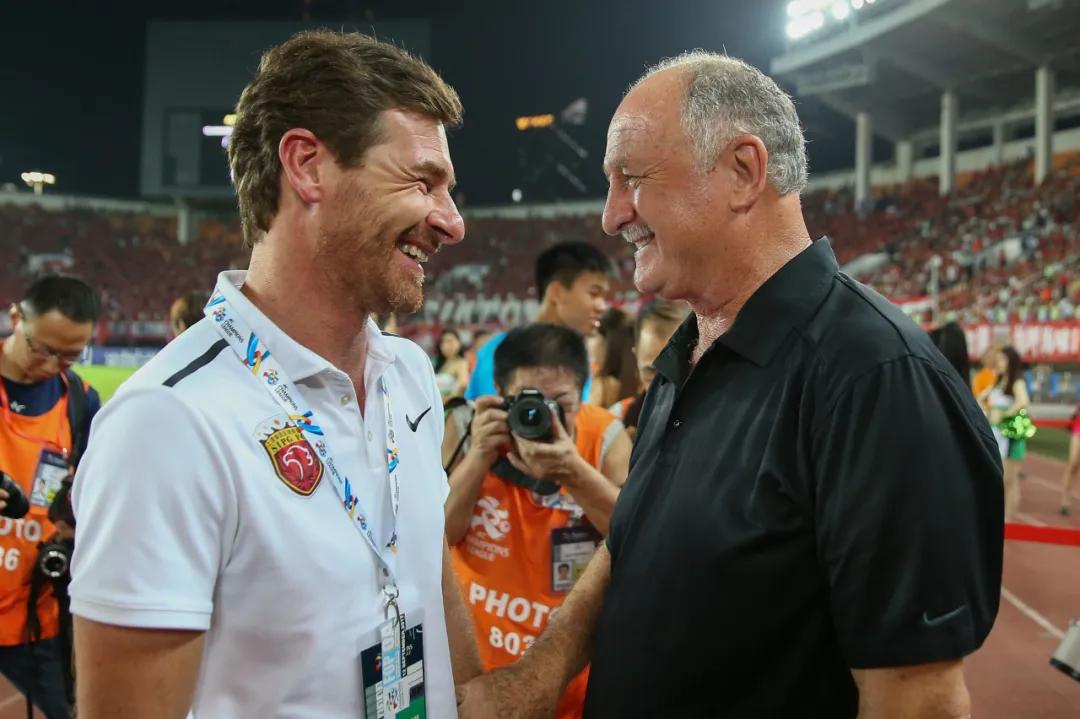
The most memorable moment in the club’s history was the turning point in 2017, when the club signed Chelsea midfielder Oscar for €61 million, assembling a top foreign player lineup including Hulk, Oscar, Elkeson, and Ahmedov. They pushed hard on multiple fronts, eliminating Evergrande in the FA Cup to reach the final but eventually lost to Shanghai Shenhua, finishing as runners-up. In the Super League, the team achieved 17 wins, 7 draws, and 6 losses, scoring 72 goals and conceding 39, finishing second, just one step away from the championship. Their performance in Asia was also impressive, reaching the AFC Champions League semifinals for the first time by knocking out Guangzhou Evergrande.
The synergy between youth training achievements and foreign players led to Shanghai Port breaking Evergrande’s monopoly and winning their first Super League title in 2018. Wu Lei earned both the Golden Boot and MVP honors, fully showcasing the value of the “Chongming Phase One.” That championship laid the foundation for Shanghai Port’s gradual rise to domestic league dominance.
In the twenty-year review, there are, of course, regrets. Beneath the glamorous exterior, the domestic league-dominant Shanghai Port has faced criticism for being “strong domestically but weak internationally.” Since the 2020 pandemic and the introduction of salary caps in the Super League, the strongest foreign player lineup was dismantled; while the team’s strength declined, their courage on the Asian stage diminished. Enjoying glory domestically while struggling in Asia reveals a deep crisis in post-big-spending Chinese football—the huge gap between overall competitiveness and continental competition requirements.
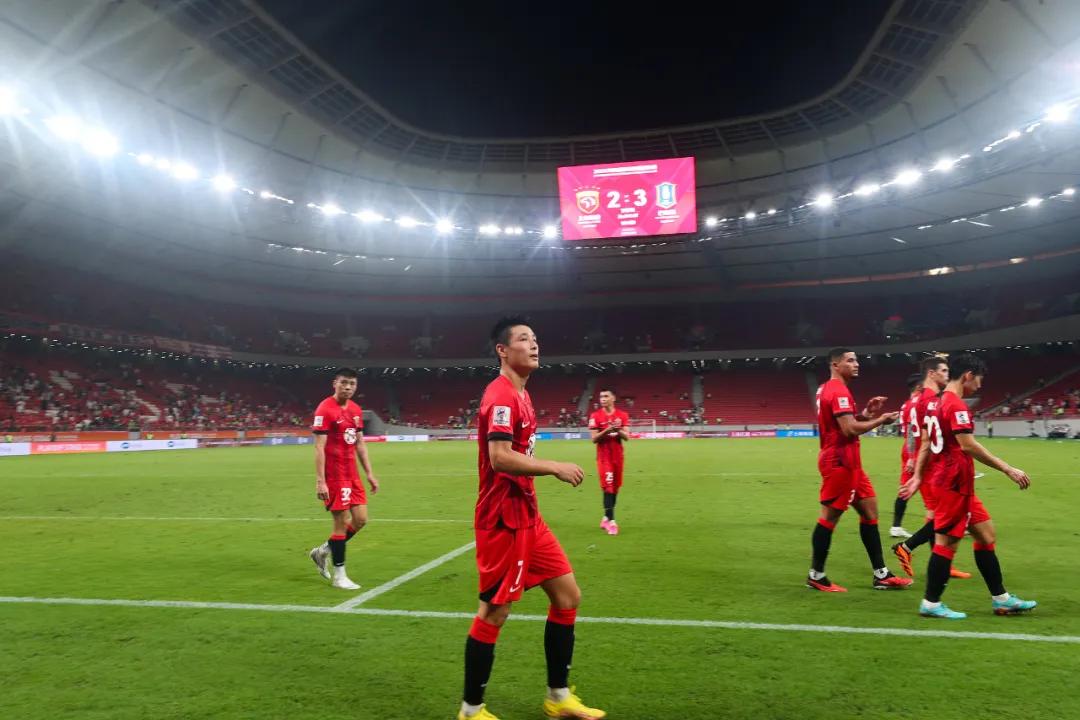
As capital recedes and foreign player quality drops, the shortcomings of domestic players become glaring. As Super League champions, Shanghai Port’s core domestic players mostly come from Chongming youth training and are among the best in China. However, compared to domestic players from stronger Asian teams, there remains a clear gap in technical and tactical abilities. Additionally, the tactical level and physical intensity of the domestic league lag behind Asia’s top leagues, limiting domestic players’ practical experience. Once on the AFC Champions League stage, they often fall into a passive position. This “dual standard” mentality and cycle easily form a habitual pattern of poor international performance.
Shanghai Port’s winless streak of 10 games in the AFC Champions League essentially reflects the gap between Chinese football’s youth training quality, league level, and continental standards, as well as the effects of this habitual cycle.
Over two decades, Shanghai Port has experienced the most typical era of the Chinese Super League, mirroring the struggles and confusion of participants in this period. As the first phase at Chongming fades and the aura of top foreign players diminishes, it is worth watching how Shanghai Port, which has long championed the goal of building a century-old club, will step into the next twenty years. As stated in their 20th anniversary announcement: “We see the weight of the past and hear the call from afar.”


Wonderfulshortvideo
The footwork, the finish 🤌


The Wirtz x Sané link-up 🔗
Class personified.
yamal getting better raphinha goals today raphinha vs osasuna yamal barcelona highlights yamal pass today
Griezmann with the cool finish 🥶
“afcon funny moments”
🤤🤤
 Links
Links
 Contact
Address:UNIT 1804 SOUTH BANK TOWER, 55 UPPER GROUND,LONDON ENGLAND SE1 9E
Number:+85259695367
E-mali:icecmxtdaf@gmail.com
 App
App


