



Is everyone at Manchester United a prodigy? The young talent is unhappy about being relegated to the reserves and believes he should be the second striker.



Manchester United forward Chiedozie Obasi, who turned 18 last month, has recently been having a tough time. He expected to be part of the first team this season but ended up playing for the U21 reserve squad and even faced public criticism from head coach Ruben Amorim.
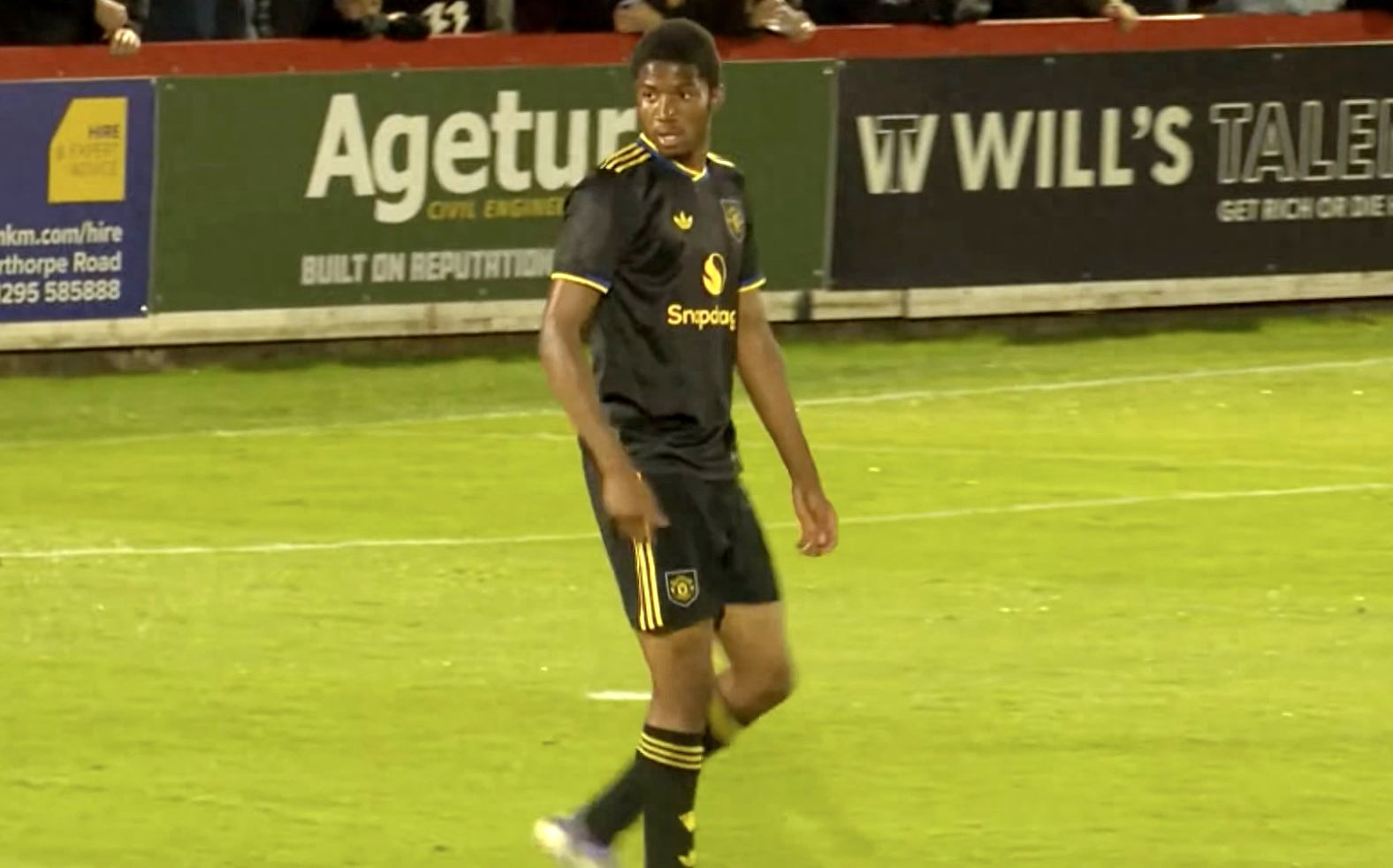
Obasi rose to fame as a youngster after scoring 10 goals in a single match for Arsenal’s under-16 team against Liverpool. He chose to join Manchester United’s youth academy, hoping for a breakthrough. In his first season, the 17-year-old Danish prospect played 218 minutes for the first team, making his debut in October 2024 against Tottenham, becoming the third youngest Premier League player in Manchester United’s history. Thus, it was understandable that Obasi, now wearing number 32, looked forward to more playing time this season.
However, things did not go as planned this season. Amorim and Manchester United insist that this approach benefits Obasi more, warning that rushing him could be counterproductive. Amorim has not included him in any first-team matchday squads since and openly stated that his appearances last season were out of necessity, as the young player has yet to meet first-team standards.
In the match against Aston Villa, Amorim called up several young players, including Shay Lacey, Jack Fletcher, Bendito Mantano, and Tyler Fredrickson, and even included Tyrell Malacia, one of the "Five Mice," in the squad. However, Obasi was left out.
It is unsurprising that Amorim, who is struggling, does not rely heavily on academy players. Defending the limited use of Manchester United youth prospects, the 40-year-old Portuguese coach specifically mentioned Obasi and Sheffield Wednesday loanee left-back Harry Armas. Amorim pointed out that Obasi has not even been a regular starter for the U21s this season.
Both Obasi and Armas responded on social media, prompting further criticism from Amorim, who said they chose social media instead of coming to his office for a face-to-face discussion. This attitude is seen as a sign of entitlement among youth players expecting special treatment.
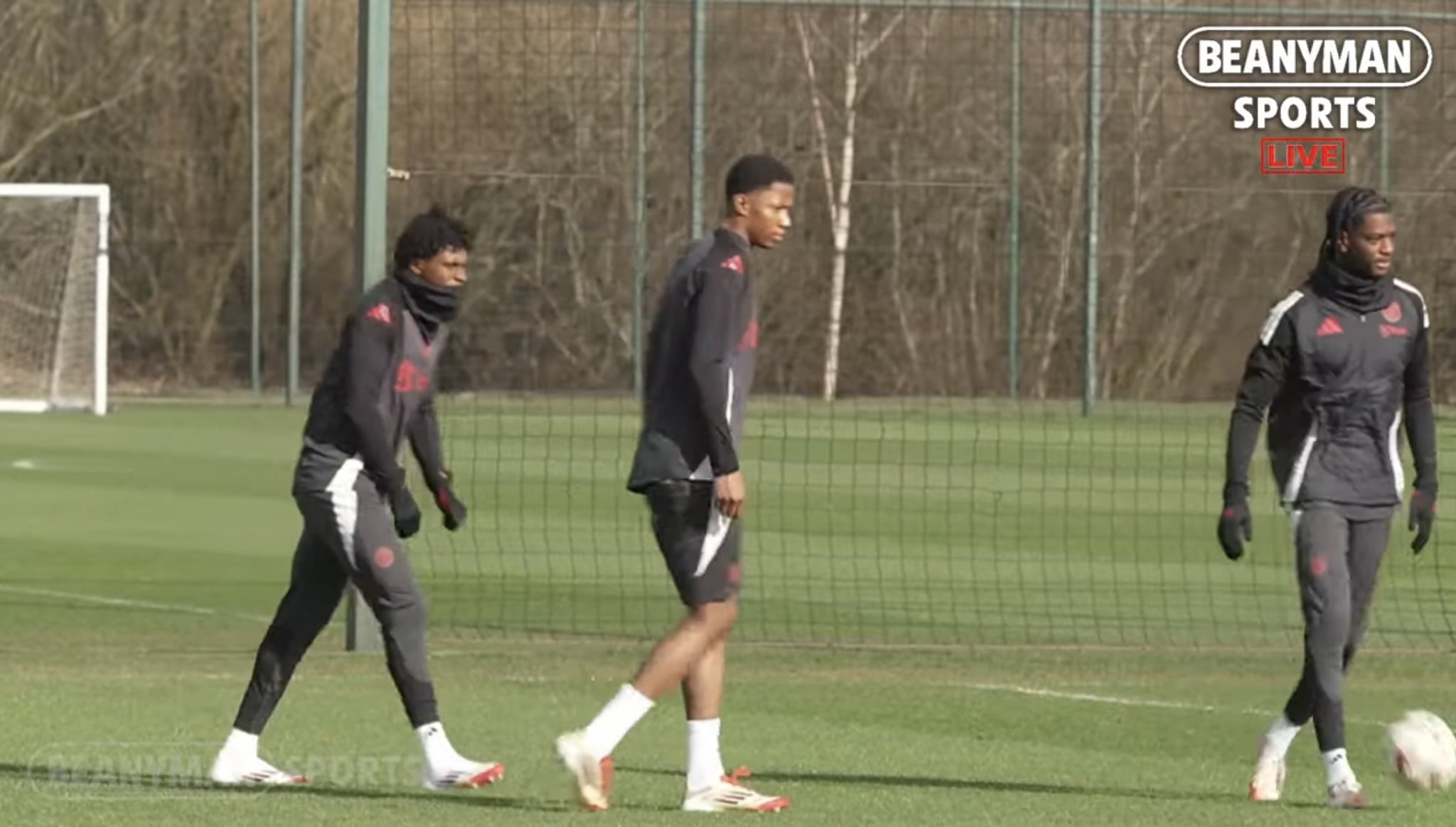
Obasi clearly disagreed with the coach’s comments; he posted photos celebrating goals for the reserves and removed Manchester United from his personal profile. However, he soon deleted the post and restored the Red Devils reference. Insider sources insist the club did not instruct players to alter their social media; the deletions were the players’ own decisions.
Shortly after, "Athletic" published an extensive feature on Obasi, believed to be orchestrated by his agent. It heavily praised the club’s faith in Obasi and highlighted how he shares U21 playing time with Wales international Gabriele Biancheri, with coach Bennion encouraging competition between the two to foster development.
Statistics show Obasi has appeared 15 times for Manchester United U21 this season, scoring 5 goals, second only to Biancheri. However, these numbers are not particularly impressive. He has also struggled with a shoulder injury that sidelined him for about two weeks.
Last season, Obasi made appearances for the Manchester United first team but failed to score. Still, he remains confident he can be a strong contender for a first-team spot this season. Obasi is disappointed with Amorim and the club’s decision to place him in the reserves, believing he has what it takes to be the second striker in the first team!
Manchester United, however, believe it is better for Obasi to develop in the youth squad. Amorim decided to send him back to the U21s after signing a new forward. This also reduces external pressure and hype around him. Occasionally, he trains with the first team this season.
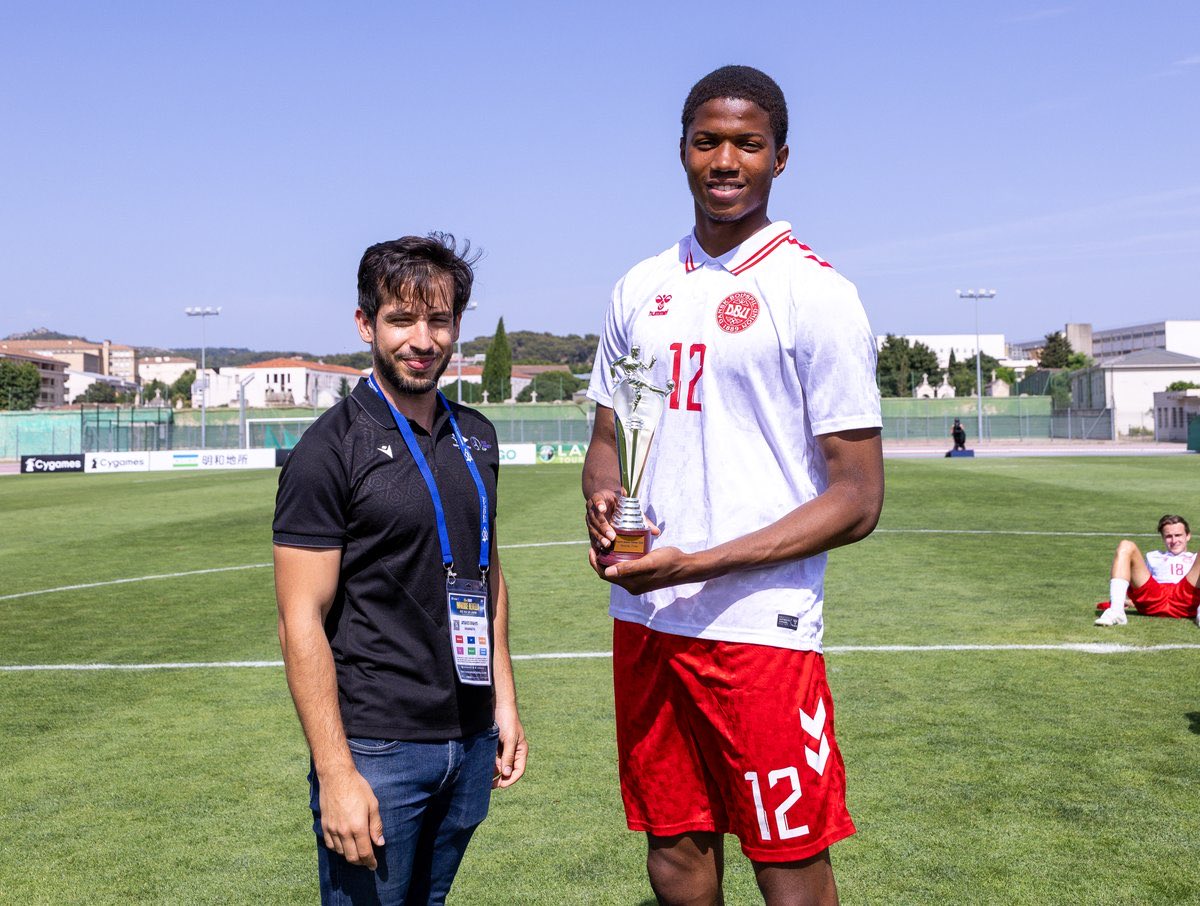
Interestingly, although Obasi sees himself as a backup striker aiming to replace Zirkzee, the two share a good relationship, with Zirkzee often mentoring Obasi. Of course, how effective this guidance is remains uncertain, given the Dutchman’s own limited scoring record.
Even when Shesko was sidelined with a knee injury, Amorim did not recall Obasi to the first team, indicating a simple fact: his ability is insufficient. Still, Manchester United insiders continue to praise him, acknowledging the club understands Obasi’s disappointment at being demoted to the U21s but are not worried. They say dissatisfaction is a normal reaction, and if he were happily playing in the reserves, that would be more concerning.
Sources emphasize the club is encouraged by Obasi’s response since then. Manchester United remains optimistic about the young striker, believing he has a composed finishing ability and could develop into a top first-team scorer. The club hopes Obasi stays patient and reportedly, the Danish youth international will not be loaned out in January.
Insiders describe Obasi as calm yet determined, using Amorim’s remarks as motivation. They also reveal that the young player meticulously analyzes his performances, constantly seeking ways to improve through attention to detail.
Obasi’s dominance from Arsenal’s under-16 level to Manchester United’s under-18s mainly stems from his height, standing around 190cm, which gives him an advantage in physical duels against peers. However, at higher age groups or senior level, where he loses this physical edge, he needs to enhance his technical skills.

No matter how much the English media praises him, it will be challenging for Obasi to establish himself as a striker in Manchester United’s first team. Historically, few homegrown strikers have made it in the Red Devils’ Premier League squad; this key position is usually filled by expensive star signings. The forwards Amorim brought in, Cunha and Mbemo, are 26, Shesko is 22, and other attacking options include Amad Diallo (23) and Mason Mount (26). The club may continue to buy forwards, so Obasi’s highest potential role seems to be that of a squad backup.


Wonderfulshortvideo
Which counterattack is


 Links
Links
 Contact
Address:UNIT 1804 SOUTH BANK TOWER, 55 UPPER GROUND,LONDON ENGLAND SE1 9E
Number:+85259695367
E-mali:icecmxtdaf@gmail.com
 App
App


