



Breaking News: Vietnam is about to welcome a mega stadium, surpassing My Dinh as the largest



Vietnamese football is approaching a historic infrastructure milestone as Ho Chi Minh City prepares to have a central stadium with a capacity of up to 50,000 seats, making it one of the largest stadiums in the country currently.
According to a proposal recently submitted by the Ho Chi Minh City People’s Committee to the Standing Committee of the Party Committee of the city, the Rach Chiec Sports Complex is one of three key off-budget projects scheduled to start construction to celebrate the 14th National Party Congress, expected to break ground on January 15, 2026, alongside the Can Gio Bridge and Phu My 2 Bridge.
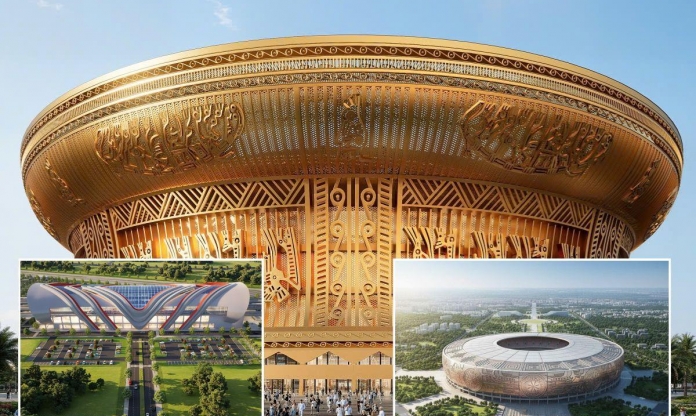
The highlight of the Rach Chiec Sports Complex is the central stadium with a seating capacity of 50,000 spectators, with a dedicated investment of about 7,000 billion VND. The facility is designed to include a standard athletics track and is integrated with the Sports Academy, meeting the requirements to host major domestic and international competitions.
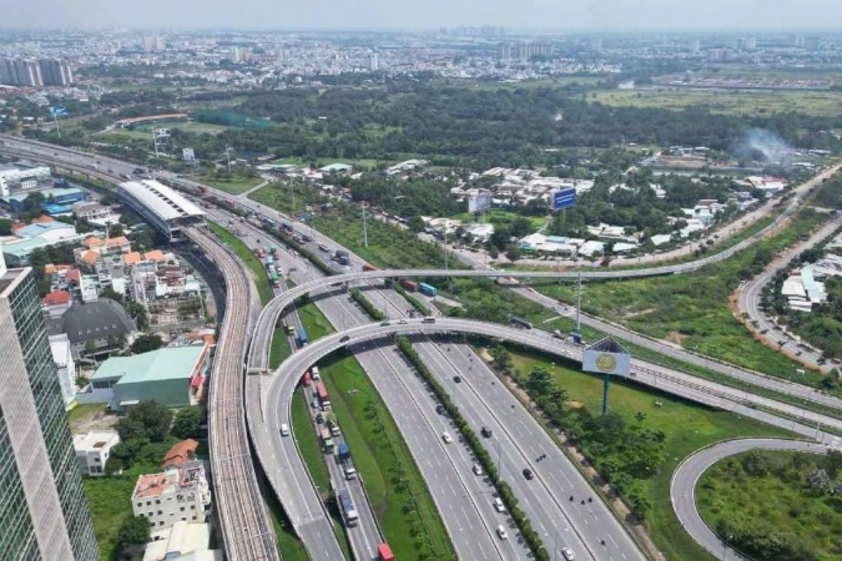
At this scale, Rach Chiec Stadium will surpass My Dinh Stadium (about 40,000 seats) to become one of the largest stadiums in Vietnam upon completion. Compared to familiar stadiums like Lach Tray (30,000 seats) or Viet Tri (20,000 seats), the Rach Chiec project represents a significant leap in size and ambition.
On a national level, Rach Chiec Stadium ranks just behind some particularly large-scale projects currently proposed or underway, such as the Trong Dong Stadium within the Olympic Sports Urban Area (expected 135,000 seats) or the 60,000-seat PVF Stadium in Hung Yen which has just begun construction. However, in terms of progress and feasibility, Rach Chiec is considered one of the projects most likely to be completed earliest and most clearly.
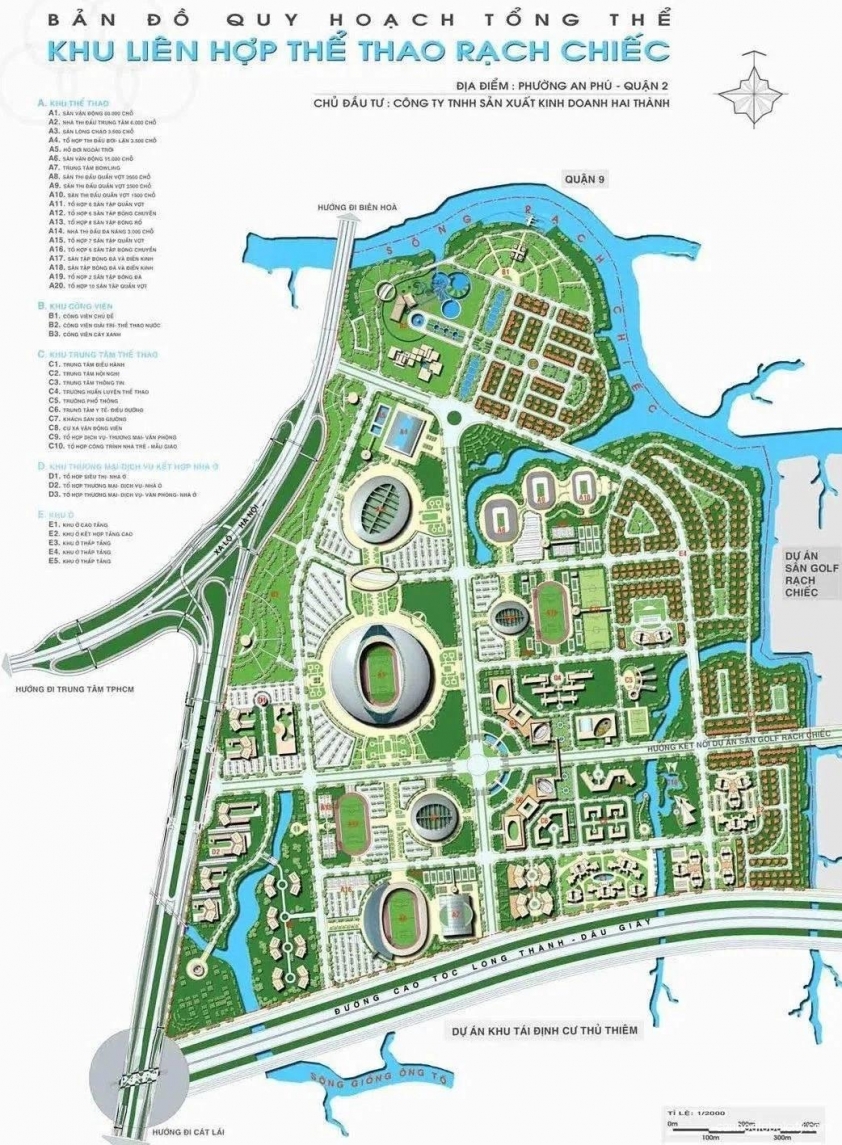
More than just a stadium, the Rach Chiec Sports Complex is planned as a modern sports, cultural, and entertainment complex with a synchronized system of facilities. Alongside the central stadium are the athlete village, event and competition centers, sports hospital, biomedical facilities, mixed-use functional zones, community sports parks, urban parking lots, and a comprehensive transportation network.
According to the plan, the entire Rach Chiec Sports Complex is expected to be completed by 2030. At that time, Vietnam will officially have an iconic structure, not only in sports but also symbolizing urban development scale and regional integration.





Wonderfulshortvideo
Which counterattack is


 Links
Links
 Contact
Address:UNIT 1804 SOUTH BANK TOWER, 55 UPPER GROUND,LONDON ENGLAND SE1 9E
Number:+85259695367
E-mali:icecmxtdaf@gmail.com
 App
App


