



FIFA is preparing to launch a new VAR technology.



FIFA is experimenting with a new system that can detect if the ball has crossed the boundary before a goal is recorded.
The initiative called “Out of Bounds” is part of a series of technologies FIFA is trialing during three matches of the Intercontinental Cup held in Qatar this month. Additionally, FIFA is expanding the “Real-time 3D Recreation” technology to enable faster and clearer offside vision decisions.
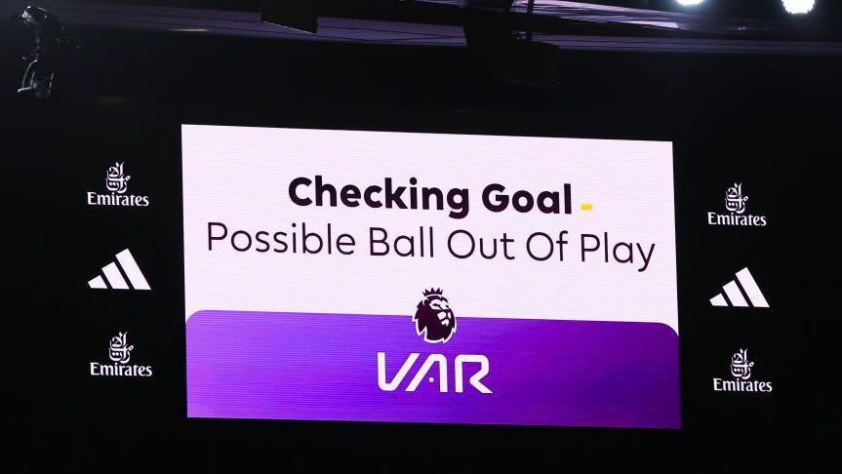
This technology offers two virtual perspectives, allowing VAR officials and TV viewers to observe the situation from the viewpoints of both goalkeepers. The new technologies are developed in collaboration with Hawk-Eye Innovations. It remains uncertain whether they will be widely adopted in national leagues.
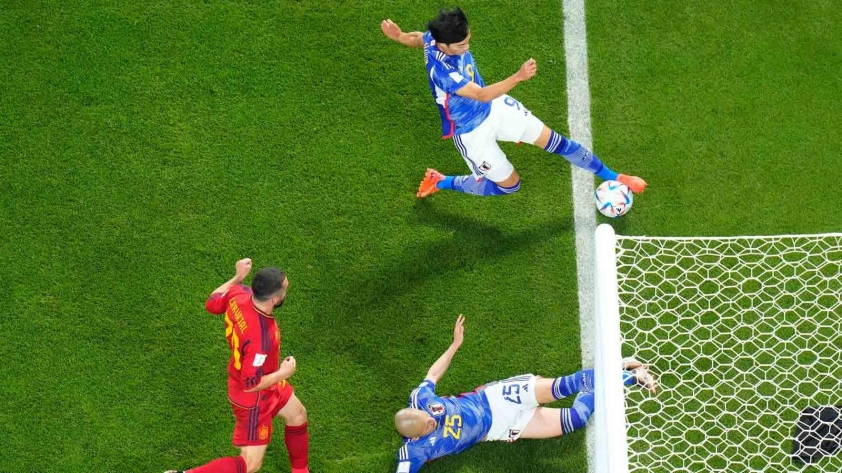
In recent seasons, the English Premier League has seen many controversial situations that this technology could have clarified. Two seasons ago, Arsenal was extremely upset when VAR ruled that Joe Willock kept the ball in play before Anthony Gordon scored the only goal for Newcastle. At that time, VAR lacked the appropriate camera angle to prove the ball had gone out.
This season also featured several offside incidents involving line of sight issues. Last month, when Eberechi Eze scored for Arsenal against Tottenham, there was controversy over whether Leandro Trossard obstructed goalkeeper Guglielmo Vicario's view. In the Intercontinental Cup final between Paris Saint-Germain and Flamengo, Fabian Ruiz’s goal was disallowed by VAR because the ball was determined to have gone out of play.
FIFA is also testing an additional offside alert system that sends audio warnings directly to assistant referees, a technology first introduced at the recent Club World Cup. The aim is to reduce the number of delayed offside flag decisions in clear offside situations.
In May, Nottingham Forest striker Taiwo Awoniyi was placed in an induced coma after colliding with the goalpost during a play that continued despite a clear offside. FIFA hopes that faster offside alerts will help prevent similar serious injuries in the future.



Wonderfulshortvideo
Which counterattack is


 Links
Links
 Contact
Address:UNIT 1804 SOUTH BANK TOWER, 55 UPPER GROUND,LONDON ENGLAND SE1 9E
Number:+85259695367
E-mali:icecmxtdaf@gmail.com
 App
App


