



Messi's Tour in India: Whose Celebration Is It?



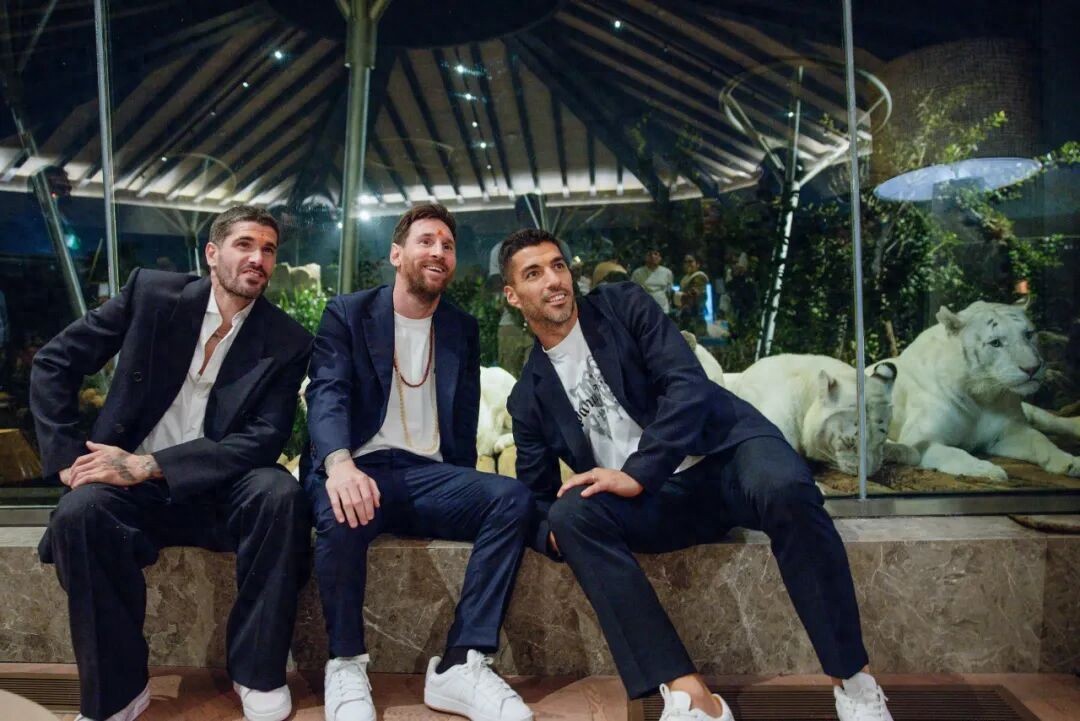
By Han Bing From December 13 to 15, Messi, accompanied by Suárez and De Paul, toured four Indian cities—Kolkata, Hyderabad, Mumbai, and New Delhi—in just three days. This revolving-door commercial show of football stars triggered major disorder at the opening event in Kolkata’s Salt Lake Stadium. Despite improvements in the subsequent three stops ensuring a smooth finish to Messi’s India visit, the event remained a hot topic in both Indian and international media.
Indian media highly praised Messi’s visit, considering it a milestone for the development of football in India. With hundreds of millions of Messi fans in the country, his return after 14 years could ignite greater passion for football among fans and inspire more youth to engage in the sport. It also presents opportunities to attract more investment into grassroots football systems and infrastructure, promoting the growth of India’s football industry.
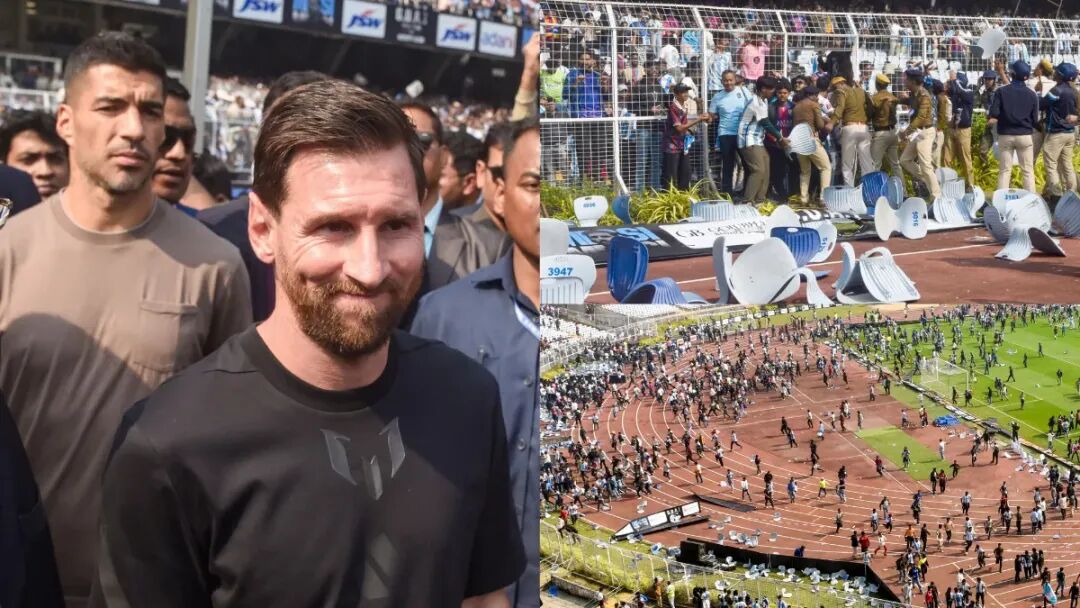
But is that really the case? At the first stop in Kolkata, poor organization by the hosts led to chaos. Many ordinary fans spent their savings to buy expensive tickets, ranging from 5,000 Indian Rupees (about 55 USD) to black market prices ten times higher (550 USD). Yet most of them struggled to see their idol, while officials and celebrities lavishly spent huge sums for close encounters with Messi.
Hundreds of politicians and wealthy elites surrounded Messi, and he was even scratched by a signing pen. The planned one-hour event was cut short to just ten minutes, leaving 85,000 ordinary fans in the stands deeply disappointed. Fans stormed the pitch, damaging facilities and causing losses estimated at 25 million Indian Rupees (280,000 USD).
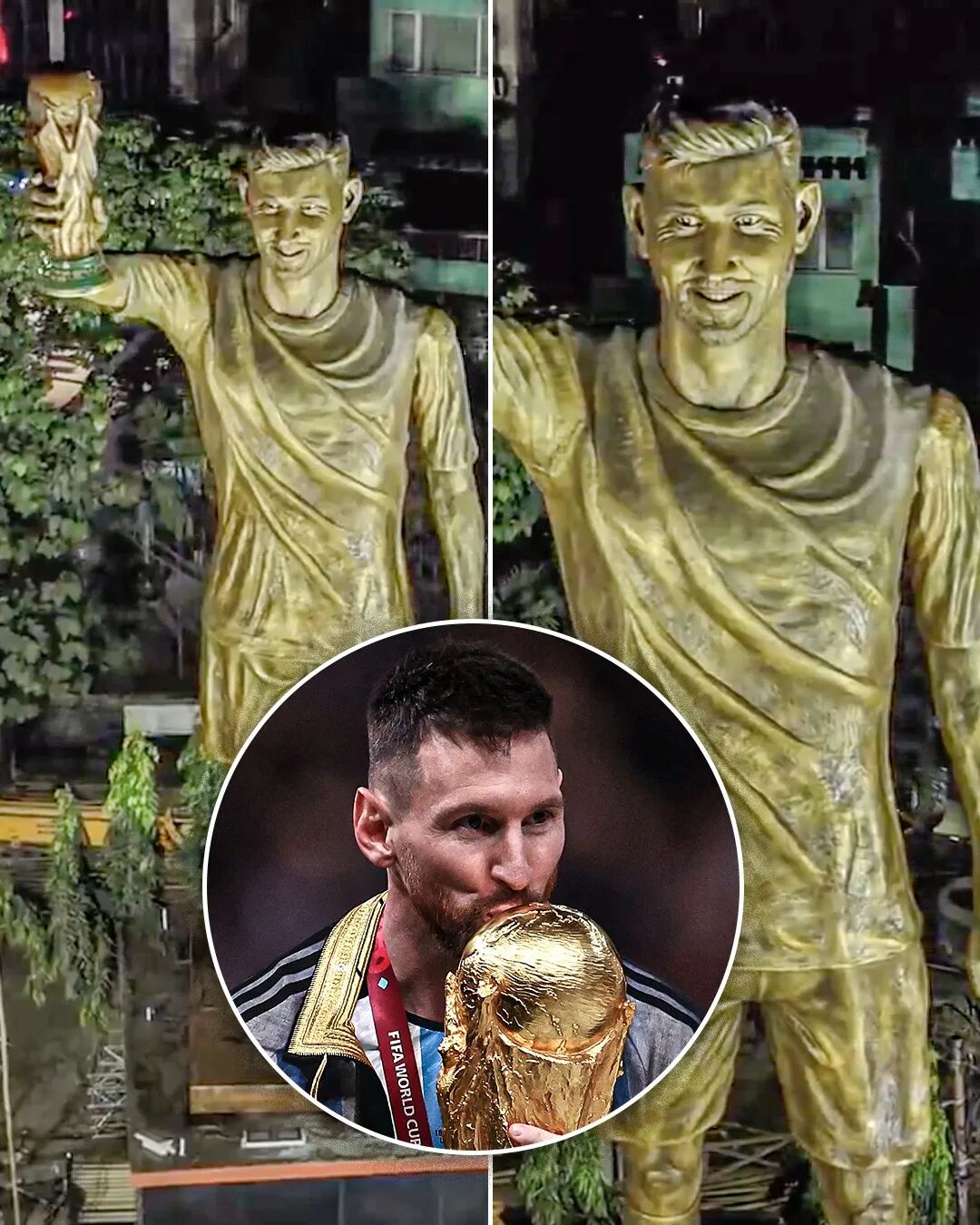
A 21-meter-tall Messi statue, built at great expense in Kolkata, sparked controversy due to its poor likeness. Bollywood stars at the Mumbai stop and the local chief minister in New Delhi were also met with loud boos from fans. Severe air pollution in New Delhi delayed Messi’s flight by 40 minutes. Over 200 people paid large sums to attend Messi’s meet-and-greet, generating 2.6 million USD in revenue for the tour organizers from this single event.
Messi’s India tour has little to do with the development of Indian football; it is more of a commercial showcase for Indian politicians and wealthy individuals to get close to Messi. Indian media estimates sponsorship income from the tour to be between 1.2 billion and 1.8 billion Indian Rupees (13.5 to 20 million USD).
Ironically, the new season of the Indian Super League, which cannot start due to lack of funds, requires just 4 million USD to resume operations but remains neglected. The sponsorship money from Messi’s tour alone could fund three Indian Super League clubs for an entire season. Such investment in domestic football would more effectively promote the sport’s growth in India.
Unfortunately, Indian politicians, wealthy elites, and sponsors are more interested in satisfying their own desires through Messi’s tour than in the development of Indian football. Sunil Chhetri, India’s record holder for most appearances and goals, refused to participate in protest against the excessive political and commercial spectacle orchestrated by the organizers.
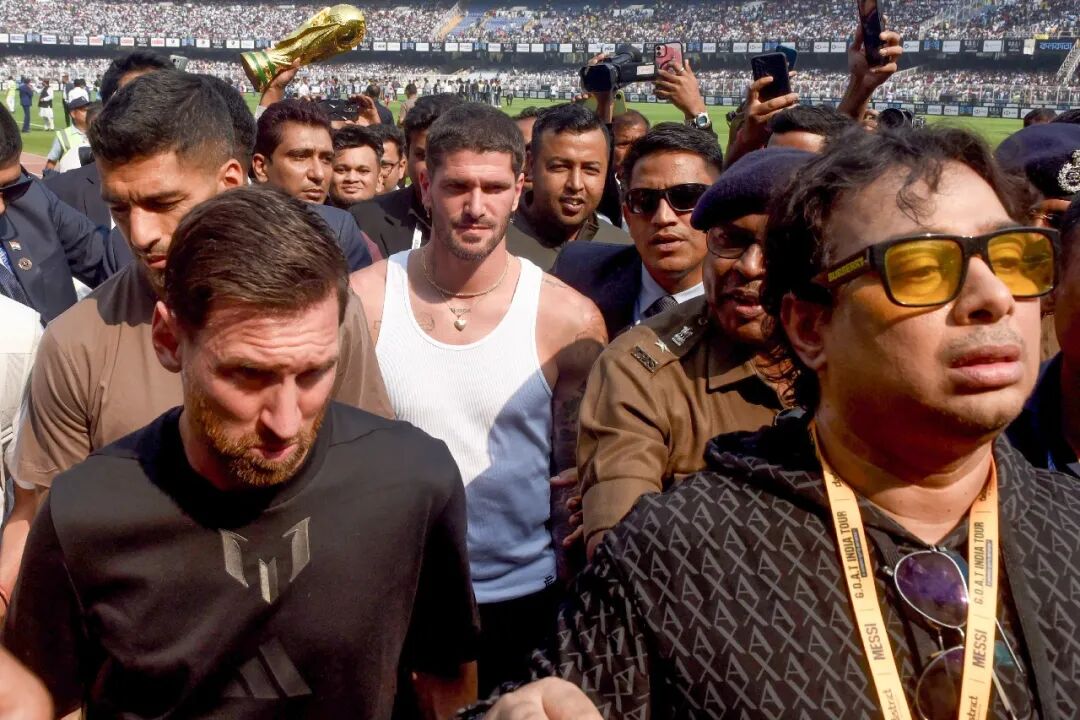
The chaos, over-commercialization, and elitism surrounding Messi’s India tour have sparked debate among media and fans about the true meaning of such football star commercial shows.
The Indian government only arrested organizer Dutta as a form of "accountability." Dutta had issued over 700 "field passes" instead of the originally planned 212, causing the stadium chaos. Messi’s visit even triggered political turmoil in West Bengal, where Sports Minister Biswas resigned, and Chief Minister Banerjee publicly apologized. This disorder may influence the state elections scheduled for next spring.
But what about football? Messi’s India tour is a celebration of the upper class and has nothing to do with Indian football. The entire league system remains suspended, some clubs have ceased football activities, and some are starting to disband. The national team failed to qualify for the 2027 Asian Cup, and among the three youth national teams, only the U17 team qualified for next year’s U17 Asian Cup final stage. However, due to the league’s suspension, they cannot train or compete properly.
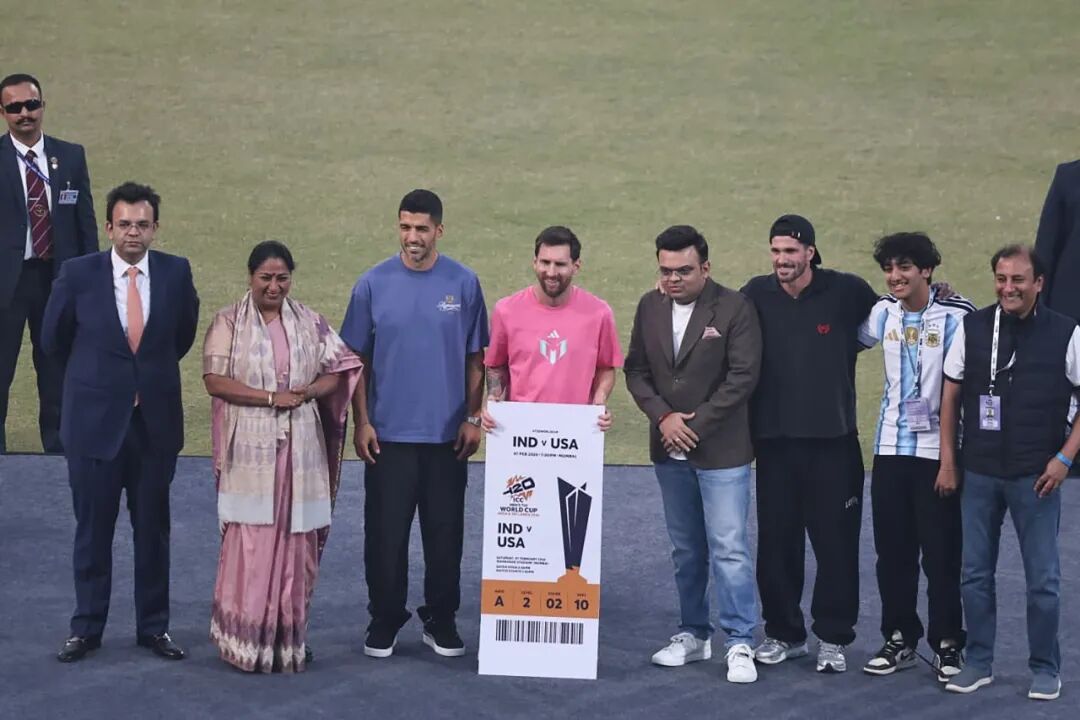
Worse still, Messi’s India tour exposed India’s poor organizational capacity for major sports events, with security issues at stadiums, outdated infrastructure, and severe air pollution affecting normal flight operations. India is set to host the 2030 Commonwealth Games and is bidding for the 2036 Summer Olympics. The All India Football Federation president, Chhetri, lamented that the chaos during Messi’s visit will cause the international community to doubt India’s ability to host large-scale sports events. All this has brought immeasurable negative impact on the development of Indian football.
The disruption and over-commercialization caused by Messi’s India tour provoke deep reflection: can football star commercial shows truly provide positive and effective support for football development in countries where the sport is still emerging?



Wonderfulshortvideo
CR7 was really going through it 🤣🏆


 Links
Links
 Contact
Address:UNIT 1804 SOUTH BANK TOWER, 55 UPPER GROUND,LONDON ENGLAND SE1 9E
Number:+85259695367
E-mali:icecmxtdaf@gmail.com
 App
App


