



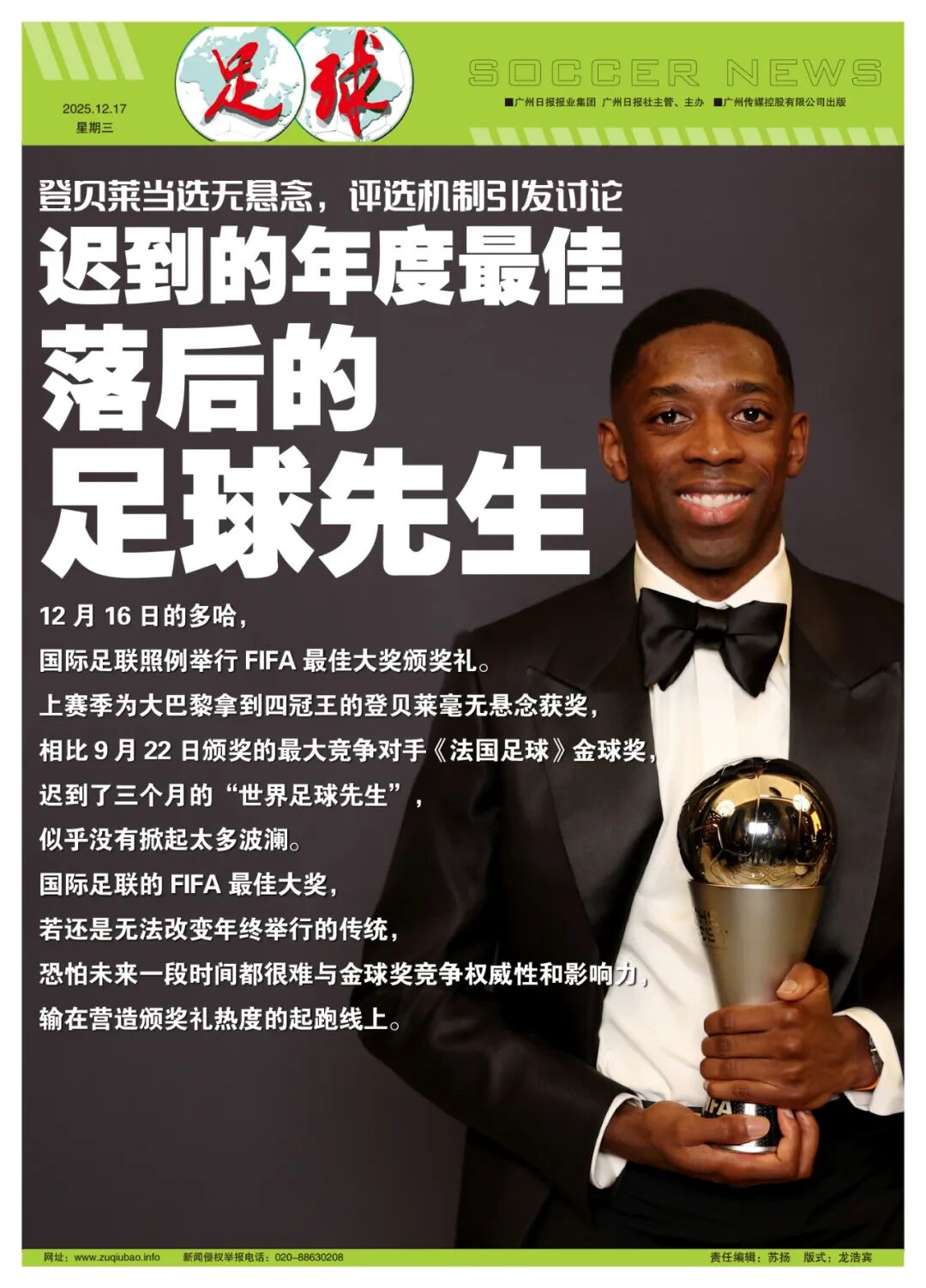
Also winning the trophy is Dembélé, but where did FIFA Best fall short?



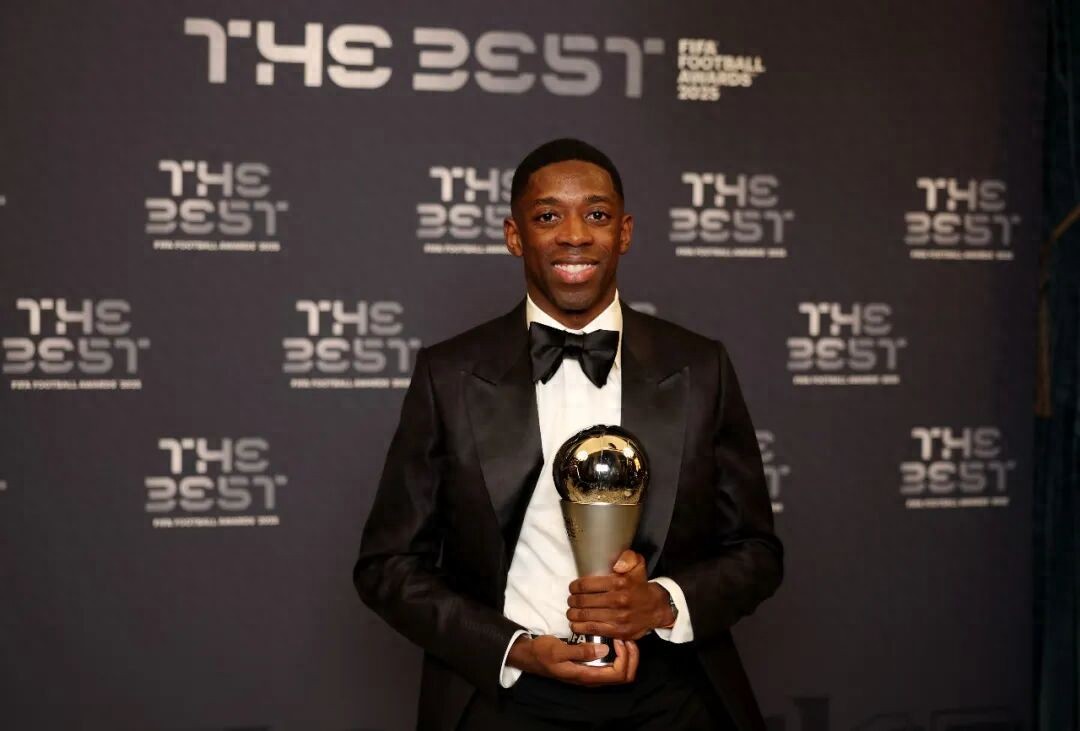
Written by Han Bing In the early hours of December 17th Beijing time, FIFA held its Best Awards ceremony in Doha as usual. Dembélé, who led PSG to a quadruple last season, won the award undisputedly. Compared to the Ballon d’Or by France Football awarded on September 22nd, the “Best Male Player” award, arriving three months later, seemed to generate little excitement. Winners of major awards including Best Male and Female Coaches, Best Male and Female Players, and Best Goalkeeper were exactly the same as those from the Ballon d’Or three months ago, which also dampened enthusiasm among media and fans.
The biggest flaw lies in FIFA Best’s selection mechanism. This year, the award’s evaluation period was from August 11, 2024, to August 2, 2025, which is close to the Ballon d’Or’s period from August 1, 2024, to July 13, 2025. However, the voting deadline was November 28, 2025, which easily allowed players’ performances in the new season to influence voters: Mbappé, who struggled last season at Real Madrid, exploded with 23 goals and 3 assists in 22 games before the deadline, likely earning many votes.
Another issue arose because the award ceremony took place nearly a month after voting closed: Dembélé suffered a hamstring injury this season, appearing only 12 times for PSG with less than 50% attendance and only 488 minutes played. His attacking stats dropped sharply to 3 goals and 3 assists. This timing gap between voting and awarding caused a performance discrepancy, adding awkwardness to what should have been an uncontested selection.
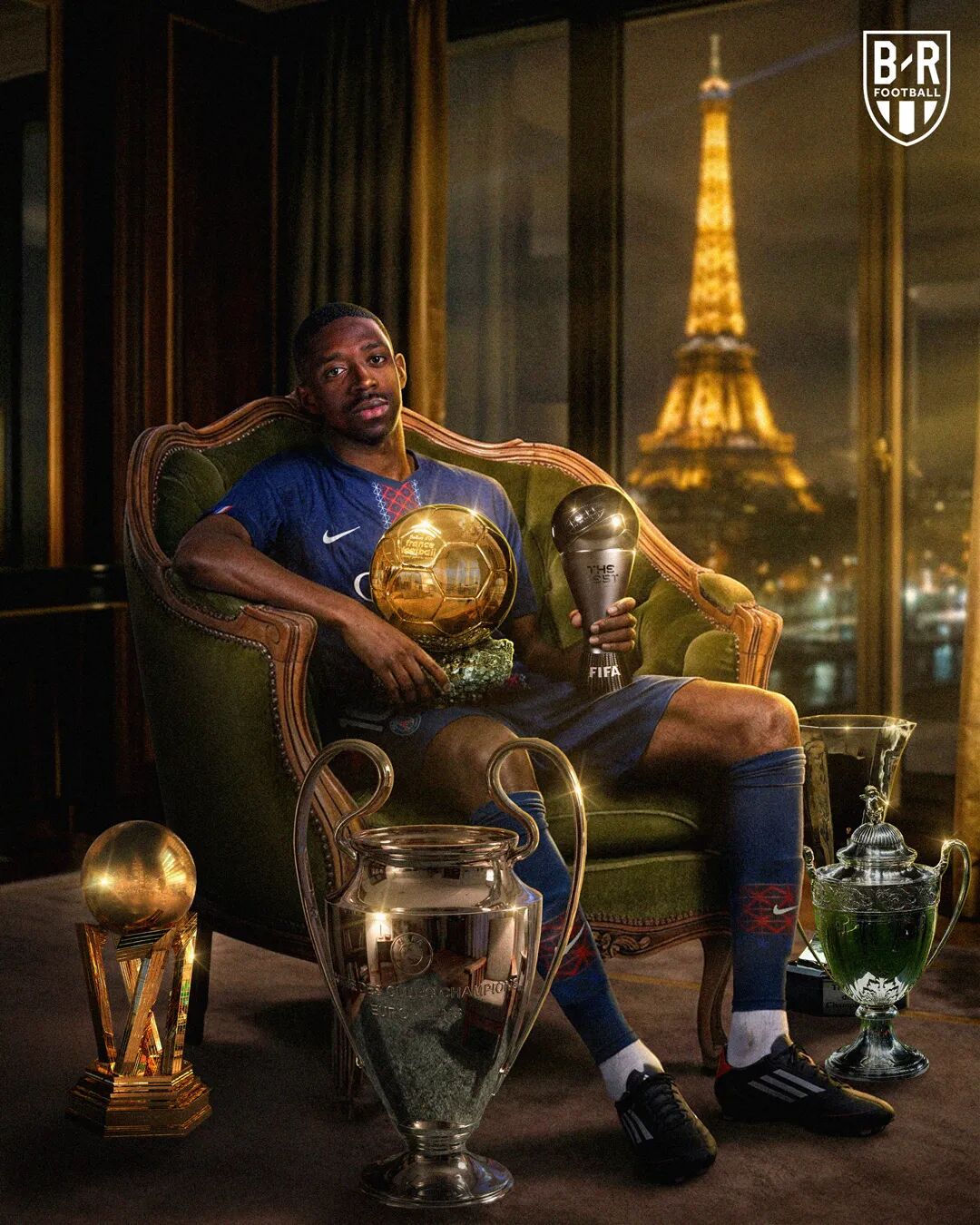

As with last year, the “FIFA Best” ceremony was held again in Doha. This year’s big winner was naturally PSG, who secured the quadruple including the Champions League, taking home Best Male Coach (Enrique), Best Male Player (Dembélé), and Best Goalkeeper (Donnarumma). However, PSG’s head coach Enrique, preparing for the FIFA Club World Cup final in Doha, did not attend the ceremony, causing some embarrassment for FIFA; similarly, England women’s coach Wiegman, who won Best Female Coach, was absent and only recorded a video acceptance speech.
The “FIFA Best” ceremony failed to create much buzz in mainstream global sports media, partly because the four main award winners were exactly the same as those from the Ballon d’Or three months earlier. This identical selection, but announced three months late, naturally led to a sharp decline in attention. In contrast, the Ballon d’Or’s choice of 2023 (Messi) and 2024 (Vinícius) sparked huge controversy but also generated extra heat.
The unsurprising winners led media to focus more on the voting results from captains and coaches of various national teams.
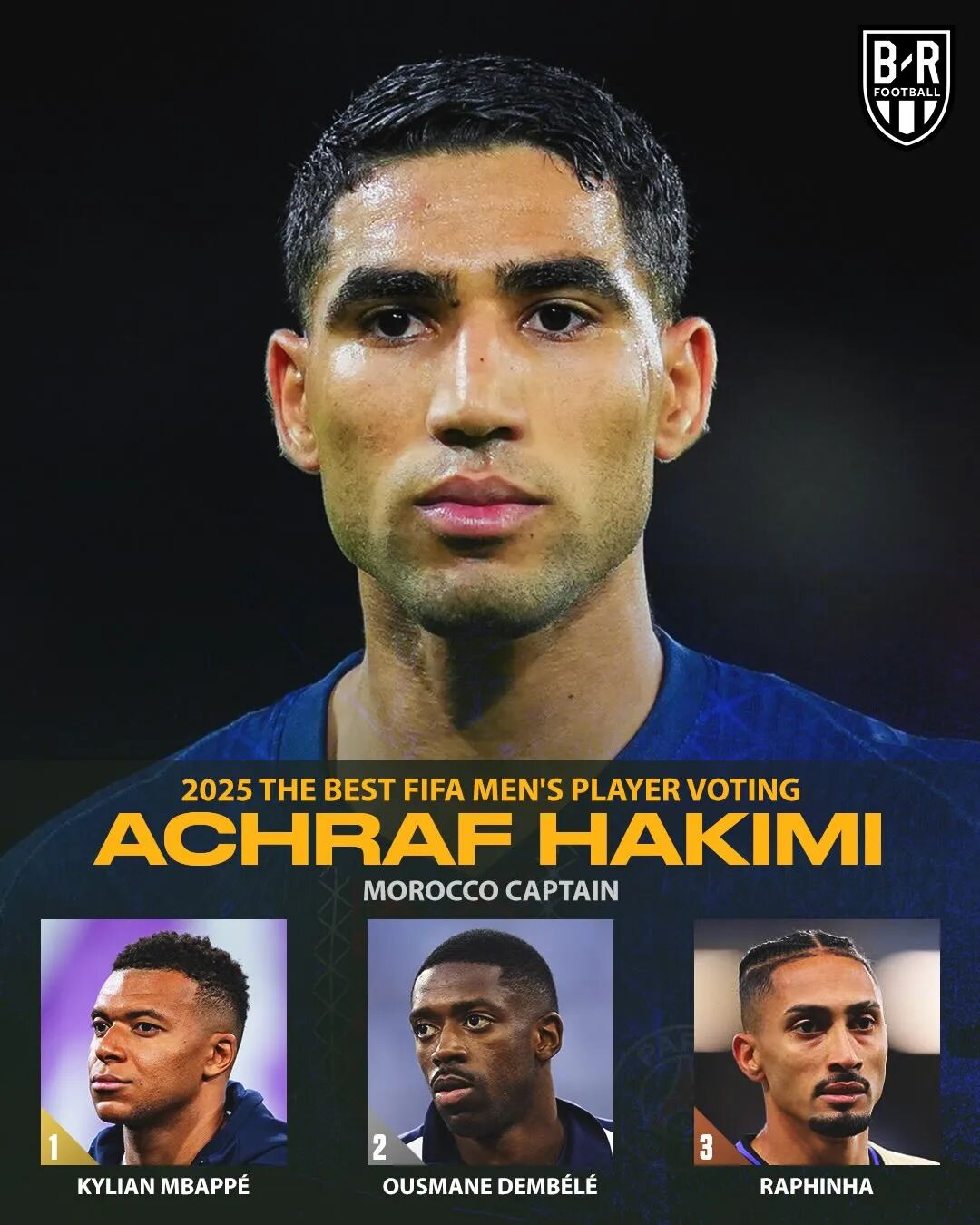
The most debated was Morocco’s captain Achraf, who surprisingly did not rank his club teammate Dembélé, the favorite to win, first, instead choosing his closer old teammate Mbappé. Meanwhile, French captain Mbappé himself did not vote, and Portugal’s captain’s vote was cast by Bernardo Silva on his behalf.
Egypt’s captain Salah placed fellow Arab Achraf first. Liverpool teammates Van Dijk (Netherlands captain), Szoboszlai (Hungary captain), and Endo (Japan captain) all ranked Salah as their top choice. Vitinha, Achraf, and even Nuno Mendes from the quadruple-winning PSG were popular picks among various captains.
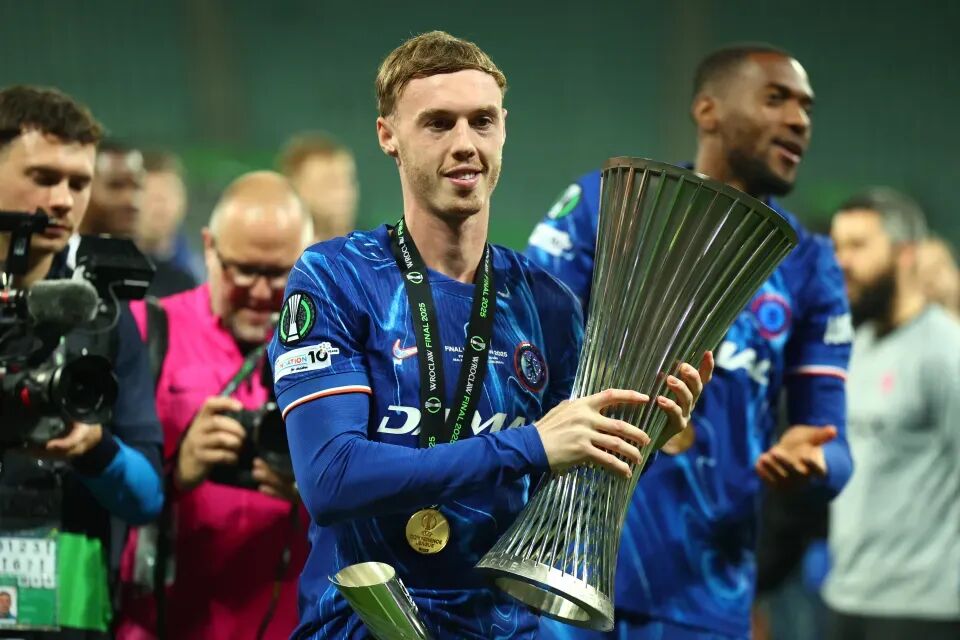
FIFA Best’s voting system also brought votes from smaller countries or regions into the spotlight: Tonga’s coach placed Barcelona’s Pedri first; outstanding performer Raphinha (Barcelona) received support from captains of Seychelles, Tonga, Uganda, and Uzbekistan; Palmer was favored by captains of Cook Islands, Trinidad and Tobago, as well as coaches from Vietnam and Grenada, and media from Eswatini and Somalia in Africa also ranked him first.

Since founding the FIFA World Player of the Year award in 1991, FIFA has hoped to surpass the long-established Ballon d’Or (since 1956) in authority and influence in annual awards. However, due to the Ballon d’Or’s long history, the World Player award was overshadowed for years. Moreover, FIFA’s voting system—relying on coaches and captains from member associations—often produced absurd results, including vote tampering and proxy voting scandals, severely undermining the award’s credibility.
In 2010, FIFA and France Football reached an agreement to merge their awards, but the inaugural FIFA Ballon d’Or sparked intense controversy: the core of the 2010 World Cup-winning team was overlooked, and Sneijder, who led Inter Milan to a treble and was the World Cup’s second top scorer, failed to make the top three. Legendary player Beckenbauer then created the UEFA Best Player award to promote fairness and transparency. In 2013, a scandal arose when FIFA postponed the voting deadline unexpectedly. After their cooperation ended in 2015, the two awards separated again.
In the following decade, France Football and FIFA each made significant reforms to compete for authority and influence. In 2017, FIFA first changed its award cycle from the calendar year to a cross-year schedule more aligned with European leagues, completing the transition in 2018.
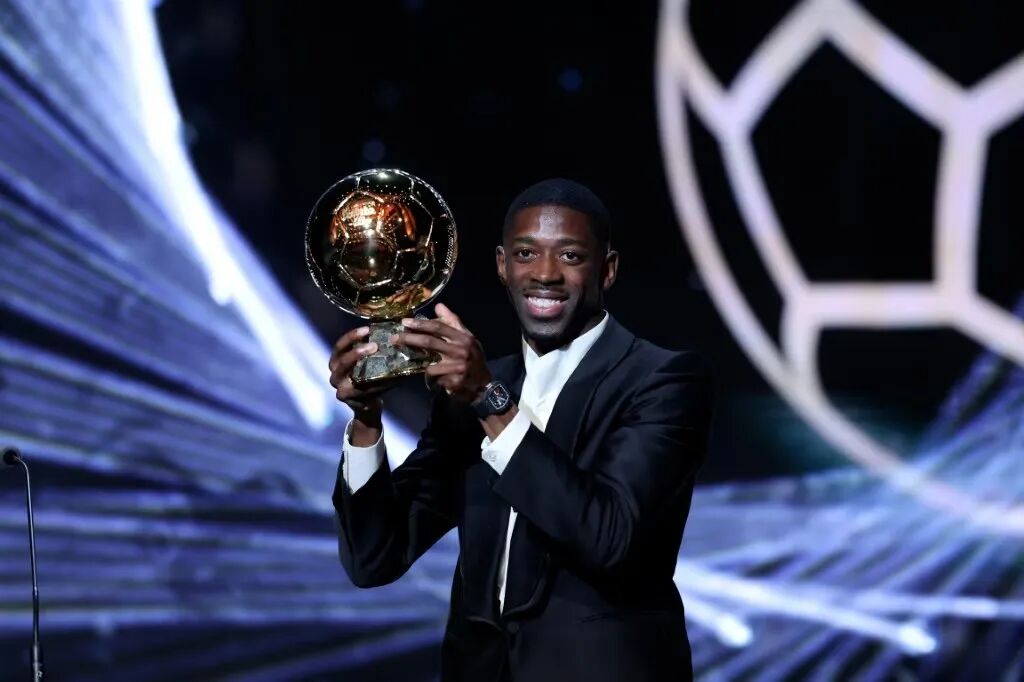
Meanwhile, the Ballon d’Or added categories such as Best Female Player and Best Young Player (2018), Best Goalkeeper (2019), Golden Boot for top scorers in various competitions (2021), and Best Male and Female Coaches (2024), completing a full range of awards. In 2022, it also switched to a cross-year cycle and moved the ceremony forward to October to gain an advantage. In 2024, UEFA’s Best Player award merged with the Ballon d’Or, and the ceremony was advanced further to September.
After splitting from France Football, FIFA immediately launched a more comprehensive FIFA Best award in 2016 but kept the ceremony at the traditional year-end. Although the award cycle ended in summer from 2017, the year-end ceremony continued for eight years. FIFA has adjusted the voting panel and weighting, including coaches and captains of member associations, media, and fans each holding 25% of the vote—yet the issue of the ceremony’s late timing causing it to be overshadowed remains.
If FIFA Best cannot break the tradition of holding its ceremony at year-end, it will likely struggle to compete with the Ballon d’Or in authority and influence for the foreseeable future, losing out from the very start in generating ceremony excitement.


Wonderfulshortvideo
CR7 was really going through it 🤣🏆


 Links
Links
 Contact
Address:UNIT 1804 SOUTH BANK TOWER, 55 UPPER GROUND,LONDON ENGLAND SE1 9E
Number:+85259695367
E-mali:icecmxtdaf@gmail.com
 App
App


