



Ding Changbao, Chairman of Zhidan Football Association, a man living a dual-core life marked by obsession



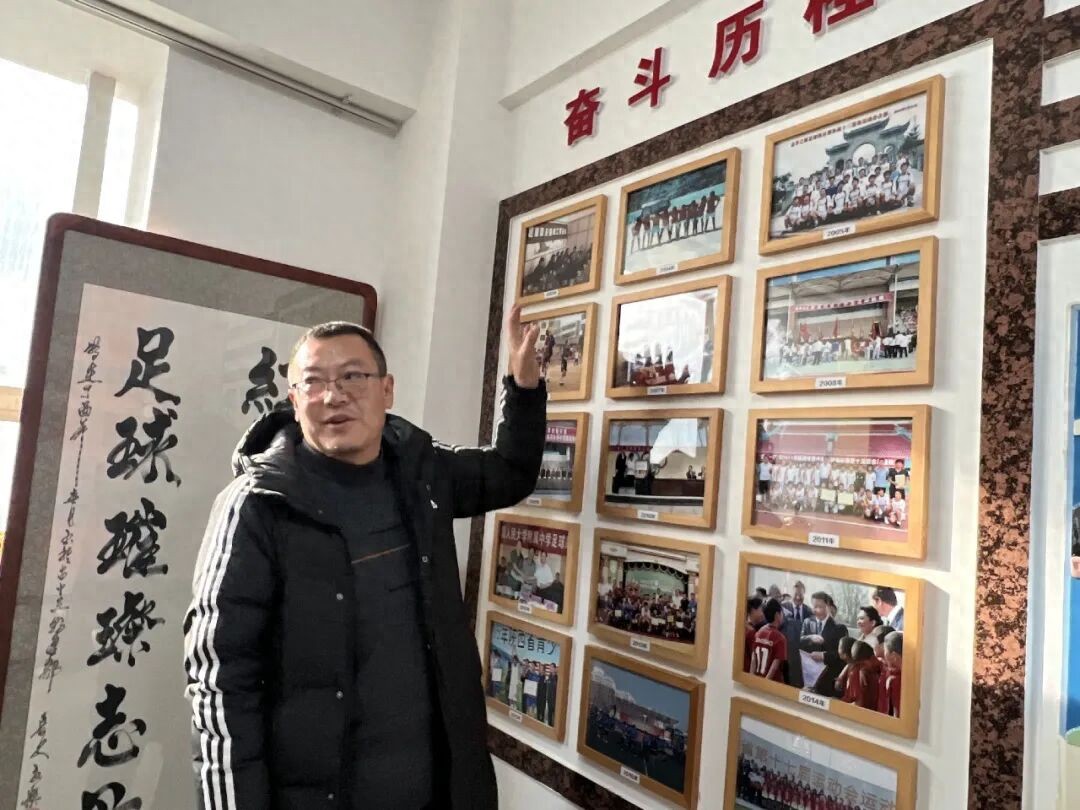
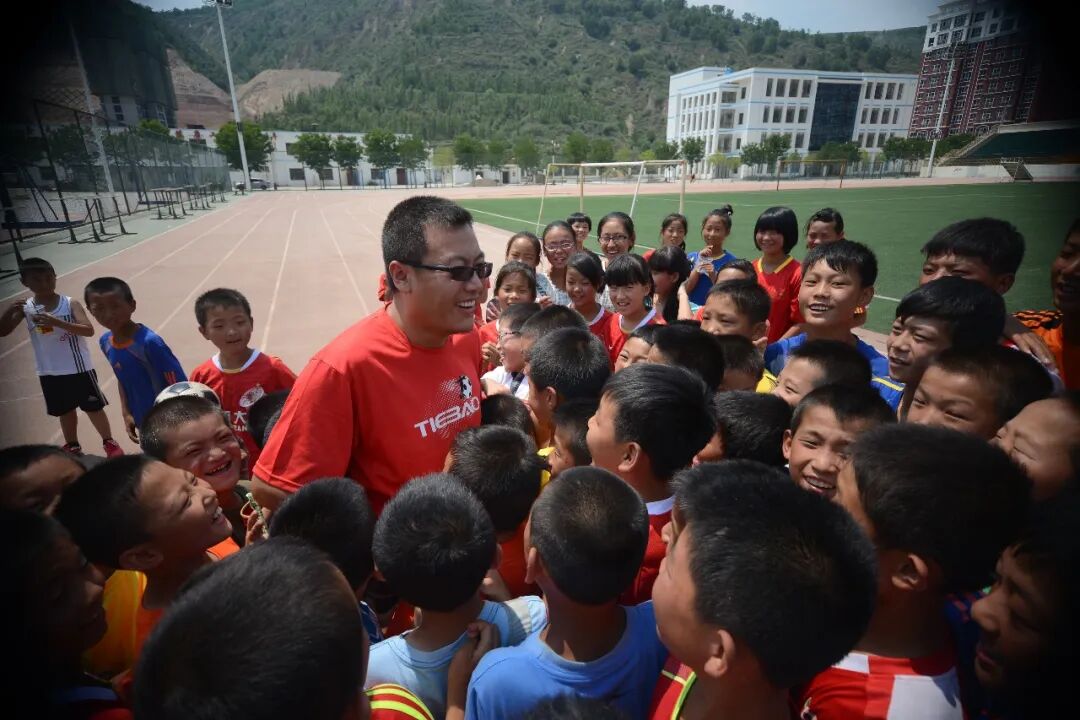
Reported by journalist Wang Wei and intern Li Xin Amid the ravines of the Loess Plateau in northern Shaanxi, Zhidan County’s name has always gleamed with the revolutionary stories of General Liu Zhidan, a “mass leader and ethnic hero.” After generations of dedication and legacy, the dream of football has steadily blossomed in Zhidan. Whenever Zhidan football is mentioned as a fresh identity, one “rule-breaking” individual always comes up—Ding Changbao. This northern Shaanxi man could have enjoyed a stable career as a civil servant or become a renowned writer, but he resolutely turned around and, over more than twenty years, illuminated a football path for children on the rugged yellow earth. Zhidan football changed Ding Changbao, and Ding Changbao changed Zhidan football.

“The meaning of life lies in struggle and standing out.” This phrase from Ding Changbao, Director of Zhidan County Football Development Center and Chairman of the Football Association, perhaps best explains all his choices. Before promoting football in 2003, Ding’s life followed the conventional path. As the youngest deputy director of the county’s Science and Technology Bureau and the youngest official at the county People’s Congress at the division level, he had a stable job, respectable status, and a steady life; meanwhile, his literary talent was already emerging through continuous writing.
But in this small county, stability and respectability were not Ding Changbao’s goals. “I didn’t want to replicate most people’s lives or be constrained by societal norms.” His inherent idealism made him constantly yearn to “change something” through his own efforts. That something was football. “The humiliating experience of the Chinese team in the 2002 World Cup deeply impacted me. My idea was simple: to establish a club, build it into China’s Real Madrid, and make Chinese football strong,” Ding said. Thus, in 2003, he decided to dedicate himself fully to promoting football.
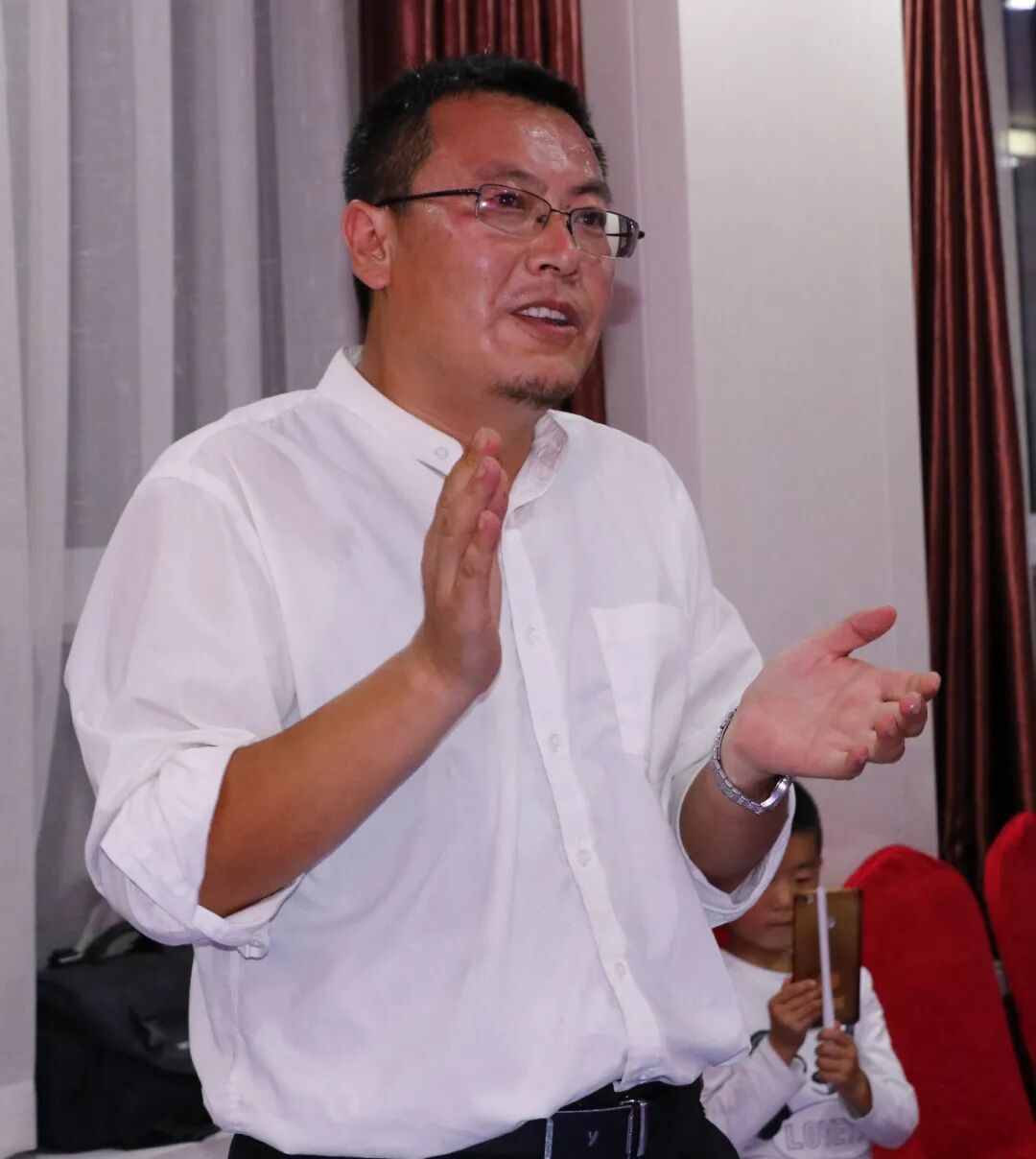
This decision puzzled many. Some wondered why he would bother with a sport seemingly insignificant in a small county. Others regretted his choice to give up a promising political career to face noisy children and harsh training in scorching heat and cold, deeming it not worthwhile. But Ding knew clearly: “All of this comes from a deep love for football and a relentless dedication to achieving something meaningful.”
To Ding Changbao, football has never been just a competitive sport; “it should be a lifestyle, a cultural tradition.” Yet at the start of promotion, football culture was immature in China, and in a western county like Zhidan, it faced many challenges. “My job is to make everyone genuinely love football from the heart and enjoy it.” This was the goal Ding set for himself.
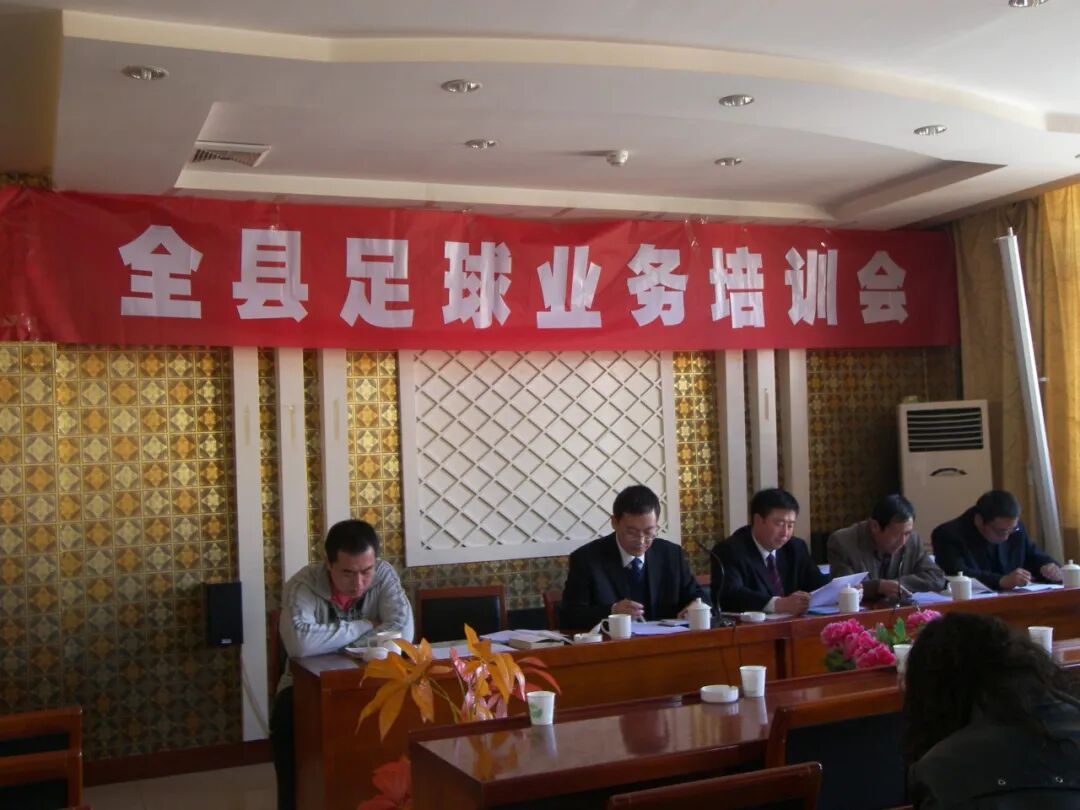
For twenty years, he has consistently practiced this philosophy, beginning with basic school football promotion and gradually advancing Zhidan football toward standardization and systematization. In 2006, Zhidan became a youth football training base in Shaanxi Province; in 2007, it pioneered youth campus football nationwide; in 2010, it became the country’s first youth campus football pilot county. Recently, national public welfare projects integrating sports and education football training systems have been implemented, with the Shaanxi women’s football team renamed Shaanxi Zhidan Women’s Football, and plans underway for a youth football sports school. Every step forward for Zhidan football is inseparable from his tireless efforts and dedication.

Under his influence, Zhidan’s children have gradually shown unique football traits. “It’s no exaggeration to say they inherit General Liu Zhidan’s revolutionary spirit in their blood,” Ding said. Zhidan’s young players may not be the most technically skilled, but they are certainly the most tenacious. Their style on the field is simple and efficient, with rapid transitions between offense and defense, charging forward with full effort. The motto “fight again after every defeat, grow braver with every setback, never give up” perfectly describes Zhidan’s children on the pitch. “Even when facing stronger opponents, we never back down; we make up for technical gaps with relentless running, and regardless of win or lose, we earn our opponents’ respect.”
For these children growing up in mountain valleys, the football path is full of hardships. Compared to football-developed cities, Zhidan has a limited talent pool, relatively basic training conditions, and more uncertain future development opportunities. Ding Changbao understands this well, so he often tells the children: “If you want a better life, play football well and get out of the valley.” This sentence holds his deepest hopes for Zhidan’s children.
“Maybe I never left the valley myself; they are the dreams I once had, the shadows I couldn’t shake off,” Ding admitted. He hopes football can build a platform and channel for children to change their fate. But he also stresses that playing football should not carry utilitarian burdens: “You must truly love football and enjoy the growth process, not think from the first kick whether it’s ‘useful or not.’” To him, the struggle of youth is the most beautiful. Even if children don’t become stars, the cheers and sorrows experienced on the football field will be among their most precious memories beyond books and exams.
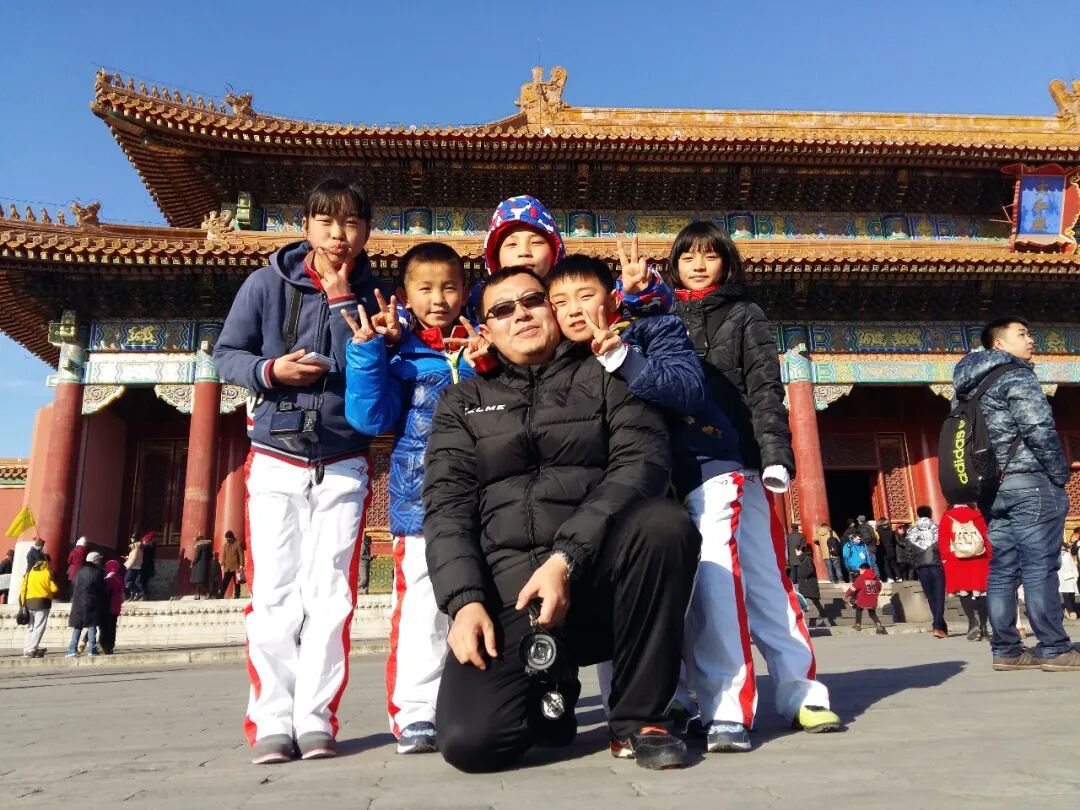
Now, this hope is turning into reality for many children. Over more than twenty years, Zhidan football has achieved fruitful talent development. The campus football participation rate reached 30%, forming a continuous training system from primary to high school. Schools like Longgang Middle School and Bao’an Middle School recruit football-specialized students, allowing them to balance academics and training. Recently, over 60 players from Zhidan have entered universities through football special admissions. Among them, Cao Jing, from a farming family, was admitted to Fudan University via football recruitment, becoming the first Zhidan student at Fudan; Gao Jialong, who struggled abroad but didn’t become a professional player, became an excellent football coach at Yan’an Peiwen School.
At the national level, Zhidan football is also beginning to shine. In 2025, four players were selected for national training teams; Tong Wenjing, born in 2009, joined the women’s youth five-a-side team as captain; Li Yutong, born in 2005, was selected for the women’s five-a-side national team. “Football isn’t about making everyone a star but about helping them become self-reliant, responsible taxpayers—that’s enough,” Ding said. Seeing children find life direction and improve their lives through football is his greatest satisfaction.
Behind these achievements are the quiet contributions of Ding Changbao and many Zhidan people. During football promotion, many touching moments warmed Ding’s heart and motivated him to persist. Children from three grades hand-painted a clumsy portrait of “Coach Ding” as a gift; an 8-year-old girl named He Fengxin insisted on taking him and coaches on home visits so her mother could cook for them; retired Inner Mongolia coach Liu Jiangang came to Zhidan High School with a modest salary, dedicating himself fully to training and frequently communicating ideas via long voice messages; Xue Mingzhen, director of the county’s Education and Sports Bureau, devoted 60% of his time and energy to football work and is affectionately called the “Football Director.”
Ding Changbao reflected, “It is these groups of Zhidan people who think about football, pour sincere feelings into it, and through their efforts subtly change the local football environment.” Today, in this small county of 150,000 people, football enjoys broad support and is gradually becoming a cultural legacy. The county party committee and government have also made football development and building a national youth training and competition base strategic goals.

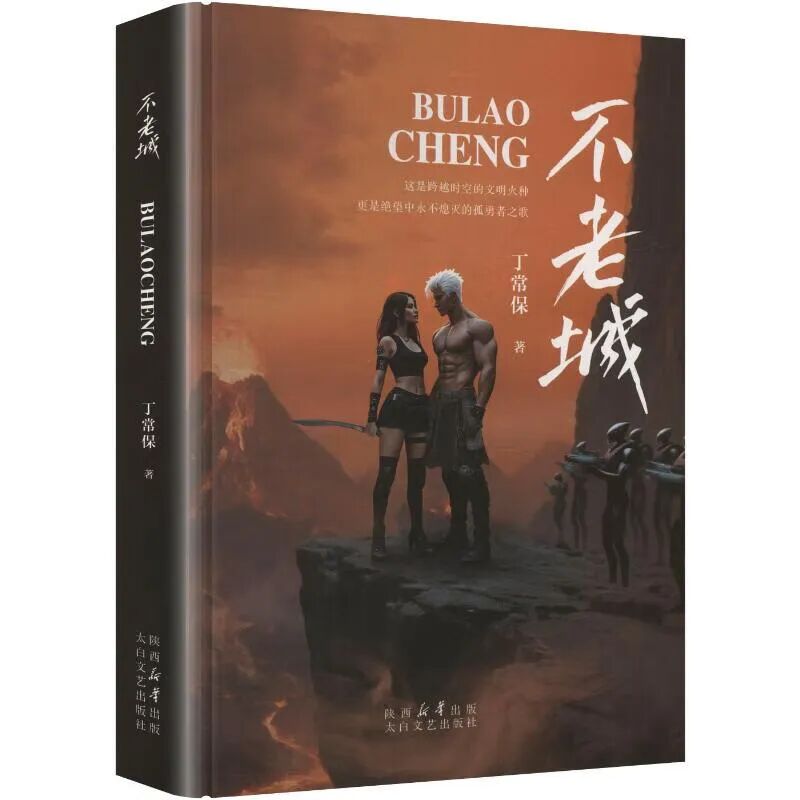
“It sounds almost surreal for a football worker to write science fiction.” While deeply involved in football, Ding Changbao has never given up his passion for literary creation. In November 2024, after four years of planning, eight months drafting, and nearly two years of revisions, his sci-fi novel *The Ageless City* was finalized and published by Taibai Literature and Art Publishing House. This 250,000-word work was completed “at all costs” amid his heavy football duties. “After a long day’s work, I’d sit down at 10 PM and write until 3 AM. My previously operated-on lumbar spine couldn’t bear the strain, and I had to visit the hospital twice for treatment.”
*The Ageless City* tells a story about immortality, portraying characters like Wan Jian, Jiang Sisi, and Jiang Kui who doubt the benefits or disasters immortality brings to society and individuals. They get trapped in a cycle of destruction and rebirth, overwhelmed by frustration, passively searching for ways to survive. Hou Fu, vice-chairman of the Shaanxi Writers Association, commented that as a newcomer to long-form novel writing, Ding Changbao’s *The Ageless City* features mature style, vivid storytelling, and distinctive character groups. Li Mingze believes the work offers deep reflections on humanity, ecology, and the meaning of life, alongside critiques of reality and visions for the future.
“Writing and playing football both bring unique joy and achievement through difficult progress,” Ding said. Writing and football share a highly compatible spiritual core. The persistent, resilient spirit of Zhidan football is not only the philosophy he instills in players and teams but also the belief he upholds in literary creation.
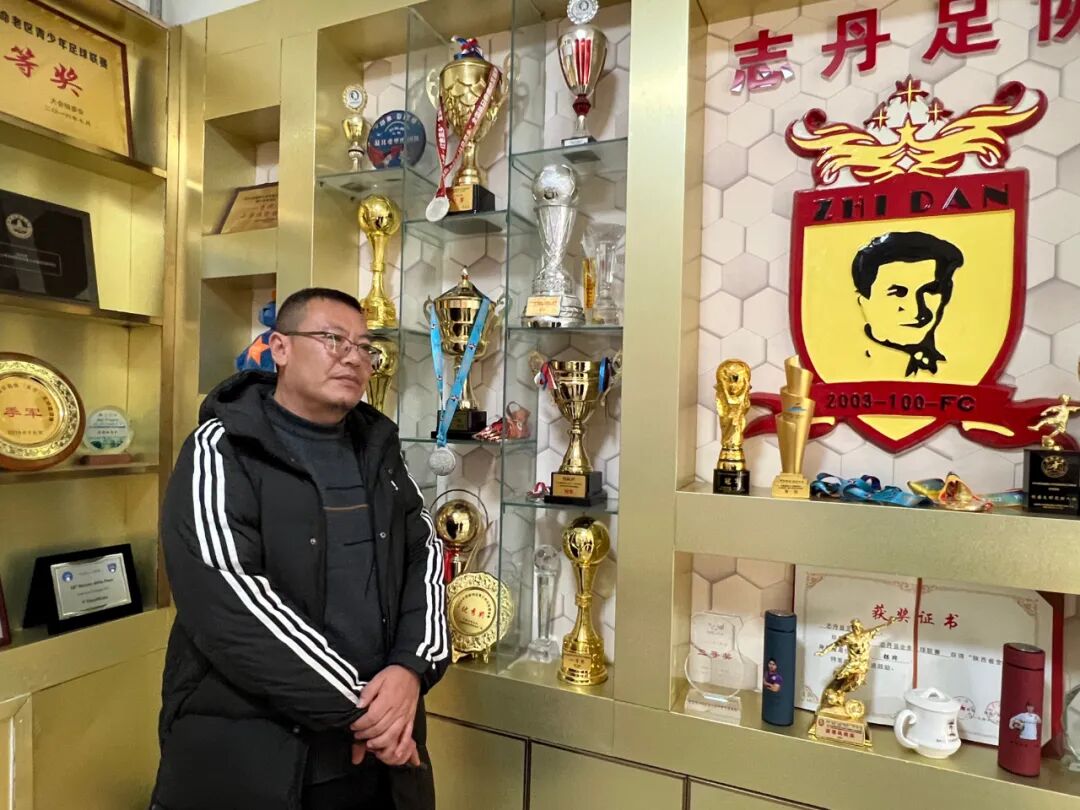
Now, Zhidan has become a pilot city for integrating sports and education in football youth training systems in western China, adding more responsibility to Ding Changbao’s shoulders. He admits Zhidan football still has weaknesses, such as a small population limiting talent selection, coaches needing improvement, and a relatively weak economic base unable to support professional club development. But he never loses heart: “As long as the mindset doesn’t decline, there are always more solutions than difficulties.” Currently, a youth training center with three standard fields and accommodation for 600 people is set to open in June next year.
“Writers need solitude to refine their work word by word; football promotion requires perseverance amid noise, accompanying children’s growth day by day.” He believes football is a long-term endeavor needing sustained effort and time to prove results. He looks forward to Zhidan football achieving institutionalized, systematic, and scientific progress, with qualitative improvements in training and competitions, producing many outstanding players, and making Zhidan a true benchmark.
When asked what has driven him to promote grassroots football for over twenty years, Ding Changbao said, “It’s the fire still burning in my heart. Also, the hopeful eyes of Zhidan’s children and their parents gaze at me—I cannot be lazy, blame fate, or give up easily.”


Wonderfulshortvideo
CR7 was really going through it 🤣🏆


 Links
Links
 Contact
Address:UNIT 1804 SOUTH BANK TOWER, 55 UPPER GROUND,LONDON ENGLAND SE1 9E
Number:+85259695367
E-mali:icecmxtdaf@gmail.com
 App
App


