



"A stable competition system is the cornerstone of youth training."


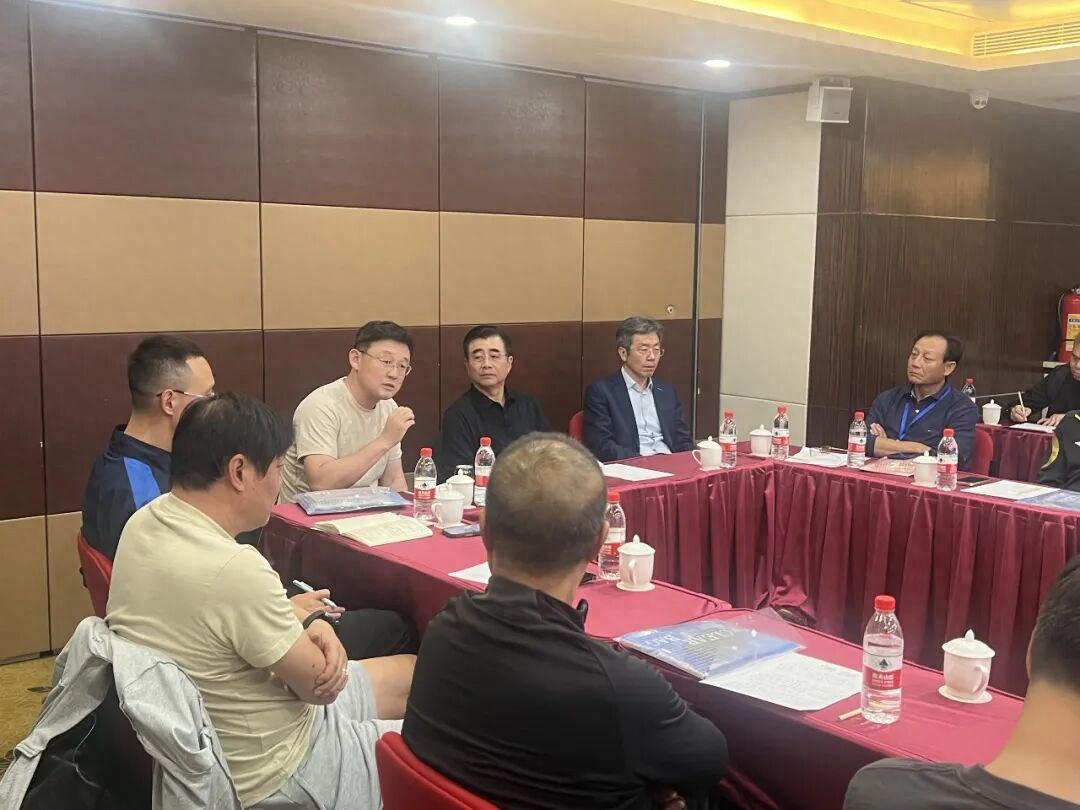
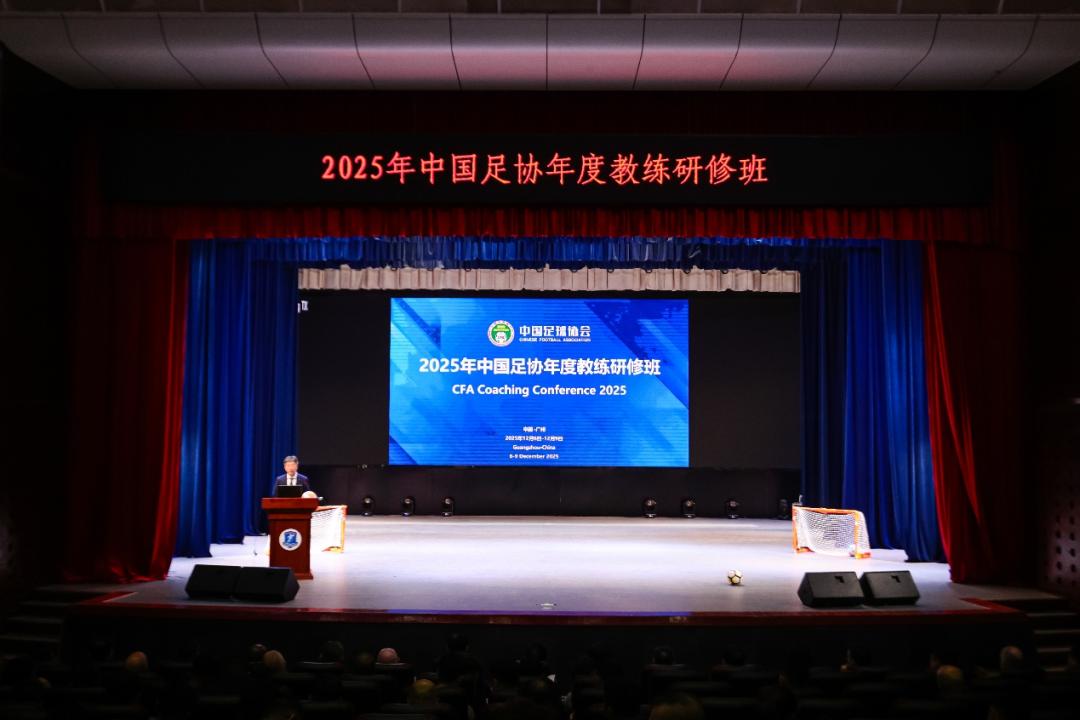
Reported by journalist Wang Wei From December 6th to 9th, the annual coaching seminar hosted by the Chinese Football Association and organized by the Guangzhou Football Association and Guangzhou Sport University took place at Guangzhou Sport University. This seminar gathered many distinguished figures, including well-known coaches such as Wang Baoshan, Wu Jingui, Fan Zhiyi, Ou Chuliang, Fu Bo, Gong Lei, Lü Jun, Sun Jihai, Zhou Haibin, Zhang Xiaorui, Liu Jun, Li Yi, Shi Jun, Lu Bofei, Wang Hongliang, as well as youth training directors or coaching supervisors from European leagues like the Premier League, La Liga, Bundesliga, and Primeira Liga, including former Mourinho assistant coach Faria. They shared insights on youth training systems, coaching development philosophies, and technological trends through their own coaching experiences or reports on professional leagues, the Champions League, and UEFA Youth League.

The seminar featured four main themes: "Trends in High-Level Football Development," "Concepts of Elite Youth Training," "Youth Coach Development," and "Youth Training Curriculum and Technical Progress." Youth training was a focal topic. "Building a stable youth football competition system is the green foundation for nurturing young players and coaches." This is not only the latest objective and task set by the Chinese Football Association but also a hot topic at the seminar. Football experts and coaches attending the event agreed that developing quality youth players and coaches is crucial for the future of Chinese football.
"Youth development and coach training are proven success factors in football powerhouses. Generally, a nation's football level is largely determined by its coaches. To meet the demands of building a football powerhouse, Chinese football must face challenges head-on and break through current difficulties."
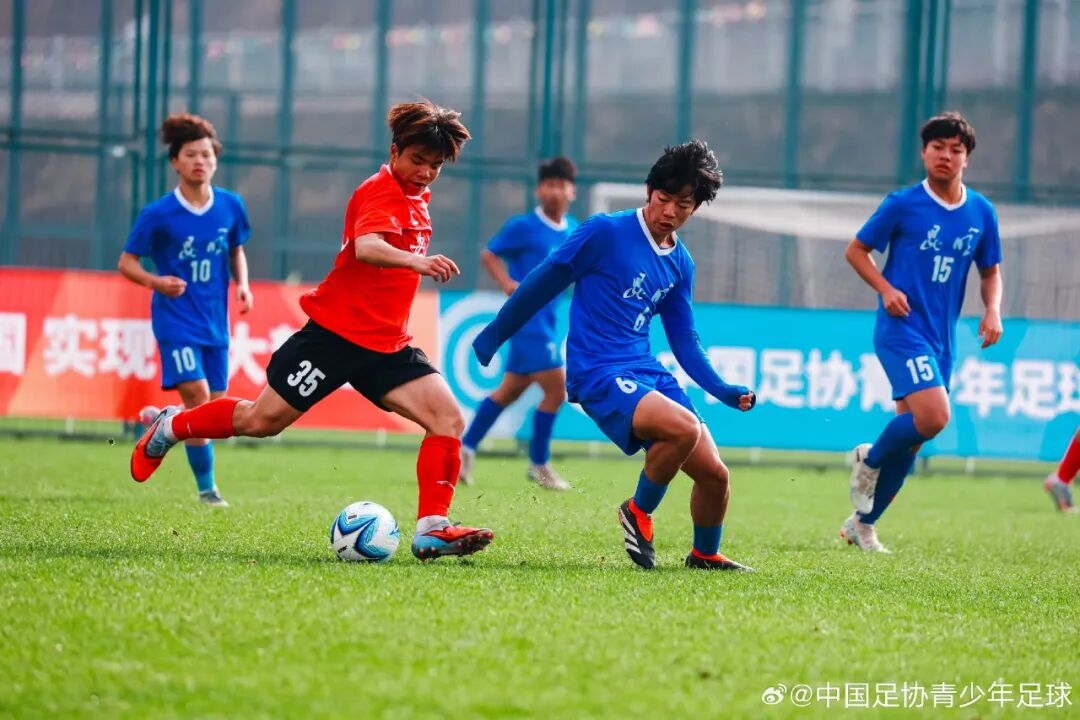
At this seminar, the absence of a youth football competition league system sparked intense discussion among coaches and numerous domestic and international experts. Matches serve as teachers both for players and coaches. Problems identified during weekend games are addressed during midweek training, creating a "match-training-match" cycle. A season includes 30 to 40 such small cycles, which is essential for continuous improvement. Currently, youth matches in China mostly follow a tournament format, with six games played in ten days. This format offers quantity but lacks quality for both players and coaches.
Paul, a talent scout from La Liga, stated that the most critical factor for youth football development in any country is establishing a stable youth competition system. "This is vital for nurturing Chinese youth players. The lack of regular leagues and reliance on unstructured tournaments restricts genuine learning and progress."
Paul explained several core benefits of a weekly regular league system: "First, regular weekend match preparation fosters true competitive spirit; second, it exposes players to real match situations against varied opponents and styles, encouraging independent thinking, decision-making, and creativity; third, it supports continuous tactical, emotional, and cognitive skill development, allowing players to learn game by game; fourth, it adds practical experience to training, reflecting the structure faced in higher age groups. In summary, building a stable league system is an irreplaceable core element and foundation for the entire youth development pathway."
Wang Baoshan, member of the Chinese Football Association Technical Committee and a football veteran, said: "The central topic of this coaching seminar is the future development of Chinese football. From a talent development perspective, the previous youth competition structure was not conducive to nurturing and developing talent."
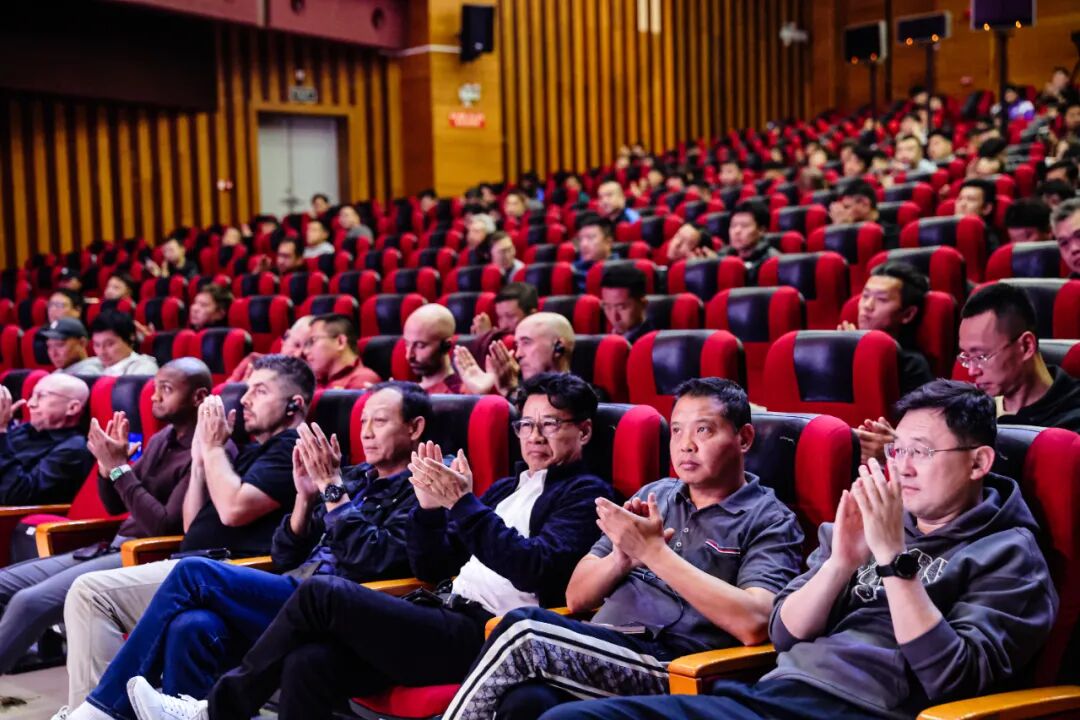
"Given China's vast regions, implementing cross-regional weekend youth competitions is unrealistic. Considering our actual conditions and international practices, starting regionally with city-based weekend leagues allows coaches to coach one match, review it, then prepare for the next. This format better supports talent development." Wang Baoshan said the key to youth team building lies in coaching. Improving youth coach quality is an urgent task. We need to enhance elite coaches' skills: "Combining these two aspects and establishing youth training director roles with periodic training across three fronts will drive the improvement of China's youth training level and, consequently, the overall standard of Chinese football."
Wang Baoshan believes that implementing weekend league formats ensures children’s education and training are both secured. With guaranteed learning, daily training, and weekly matches, the comprehensive development path for children remains intact. Under these conditions, more children can participate in football, improving their physical fitness and discovering talent. He said, "The growth path for youth players should involve training with coaches after school every day and playing one match per week, progressing from district to city, then province, and finally national competitions. Although we have developed professional leagues for over 30 years and invested heavily in recent years, the youth training pathway remains unresolved."
Zhang Xiaorui, head coach of Foshan Nanshi, shares the same view: "The current priority in youth training is to build a reasonable youth league system. We do have many youth competitions, but they are all tournament-style—playing a few matches, then resting for months before playing again. Without a long league process, neither players nor coaches benefit much. Only a weekly match experience league system is crucial for improving youth players and coaches."
Zhang Xiaorui added: "Training, match, review—that is a reasonable process. Currently, training happens without matches, and match periods are too congested and unreasonable. If a weekly league system is implemented, many problems will be solved."
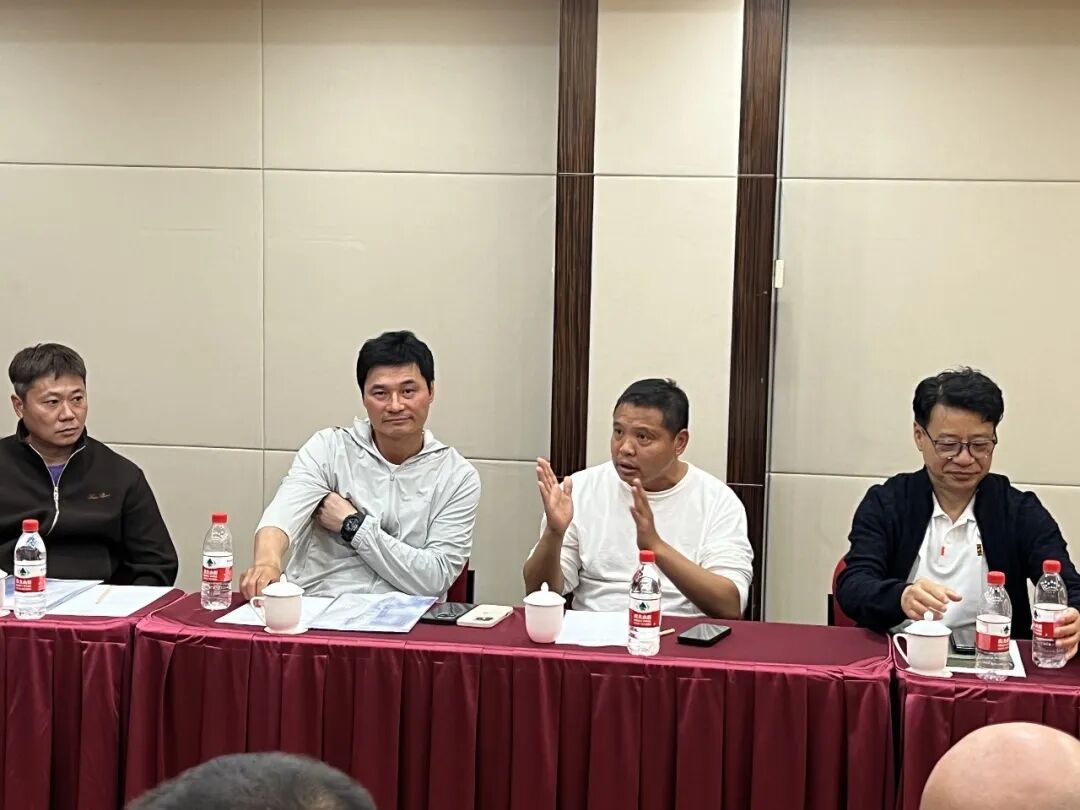
"Regular weekly leagues are essential and indispensable for developing youth players and coaches," said Juan from the La Liga Alliance. He noted that youth players starting from age 8 participate in 35 to 40 league matches annually, which is important not only for player growth but even more so for coach development."
In response to the heated discussions on youth competition systems, the Chinese Football Association intends to promote pilot zones for coach training systems within the league ecosystem. According to this plan, the CFA will collaborate with key cities and pilot areas to establish coach training systems integrated with league ecosystems, enabling an organic combination of training and competition and making the match-training-match growth cycle possible.
Additionally, to accelerate reform of the coach training system, improve quality and scale, and promote high-quality development of training work, the CFA has proposed multiple plans to solve problems and reform development. A key focus is building an ecological system for coach talent cultivation, actively constructing a coach training and talent development system within the league ecosystem. CFA officials stated, "The league system is the green foundation and ecological system for nurturing youth players and coaches. Chinese football needs to establish a league system that cultivates high-level coaches."

At the closing ceremony of the seminar on December 9th, Chinese Football Association Vice Chairman Xu Jiren emphasized that training and employing local coaches is an unwavering policy of the CFA: "Our mid-career and new-generation local coaches have gained widespread recognition, and more opportunities will be created for local coaches in the future." He also highlighted the importance of coaching ethics in talent development and football education.
It is understood that from the youth stage onward, athletes' moral character will hold significant weight in future assessments.
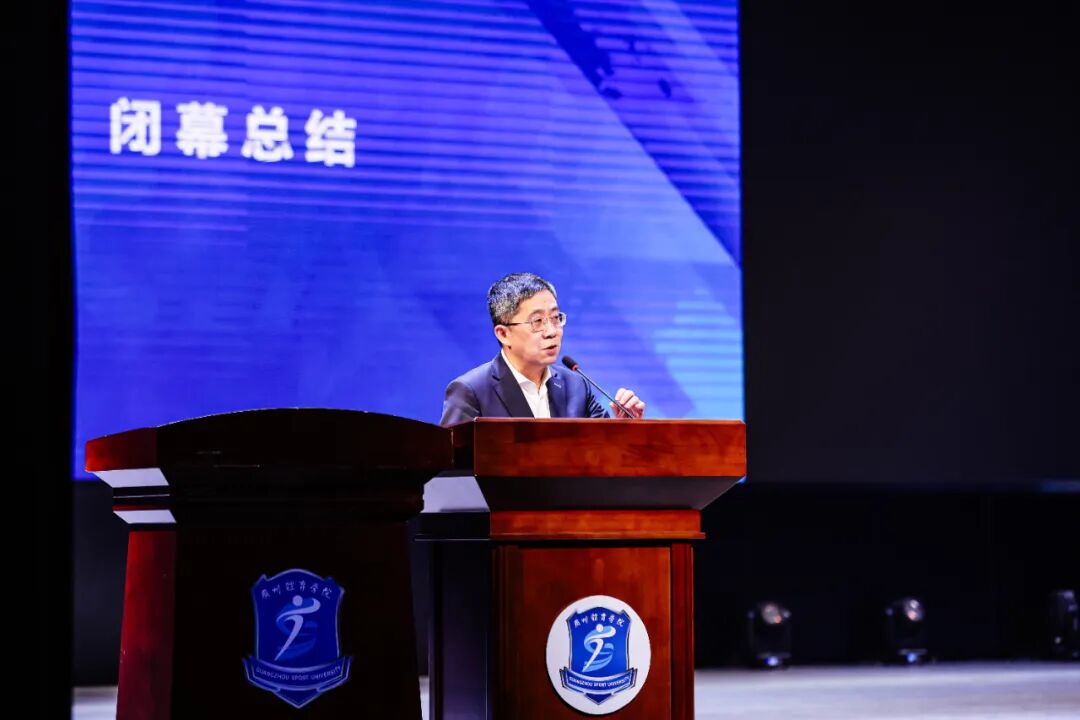
Currently, the CFA has incorporated ideological and political courses into coach certification training and implemented separate assessment and training. To strengthen the ethical conduct and professional quality education of football coach instructors, the CFA has issued seven prohibitions for football coach instructors, including bans on bribery, disrespectful behavior toward trainees, and involvement in gambling, corruption, or favoritism.
The construction of "ethics" and "conduct" for youth coaches quickly became a hot topic at the seminar. Participants in group discussions agreed that emphasizing the ethical and professional conduct of coaches is both timely and important. "A good master is essential for good apprentices," said Zhang Xiaorui.

Since 1998, the Chinese Football Association has conducted certification training for 27 years. Currently, the total number of certified coaches in China exceeds 114,000. However, compared to football powerhouses, there is a significant gap in both the total number and volume of certified coaches. For example, in terms of C-level certified coaches, China has 20,000, while the German Football Association has 70,000.
At present, China has 2,800 B-level coaches, 1,264 A-level coaches, and 227 professional-level coaches. In contrast, the German Football Association has 25,000 B-level, 5,000 A-level, and 900 professional-level coaches. Germany also has over 6,000 elite youth training coaches (B+ and A+), increasing by 450 annually. This year, China trained 2,000 new C-level and 800 B-level coaches, while Germany trains 6,000 C-level and 2,000 B-level coaches annually.
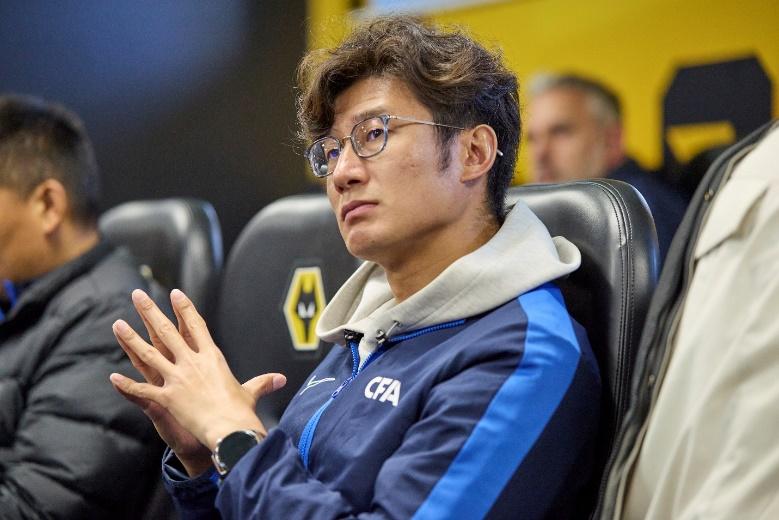
Currently, the overall quality and scale of China's football coaching team cannot meet the demands of building a football powerhouse. Since coach quality and quantity are key factors in improving a nation's football level, focusing on youth coach development is an urgent task in vigorously advancing youth training. Xu Jiren stated, "With the rapid evolution of football technology worldwide, exploring a Chinese-characteristic football development path and building a robust youth training system with well-trained coaches will be the CFA's focus for the foreseeable future. Moving forward, the CFA will continue to emphasize technical advancement, strengthen international exchanges and cooperation, and create a favorable environment with more high-quality learning opportunities for Chinese coaches."


Wonderfulshortvideo
CR7 was really going through it 🤣🏆


 Links
Links
 Contact
Address:UNIT 1804 SOUTH BANK TOWER, 55 UPPER GROUND,LONDON ENGLAND SE1 9E
Number:+85259695367
E-mali:icecmxtdaf@gmail.com
 App
App


