



Xinjiang's first blind football team competes in the Special Olympics, with football bringing "light" back to their lives.



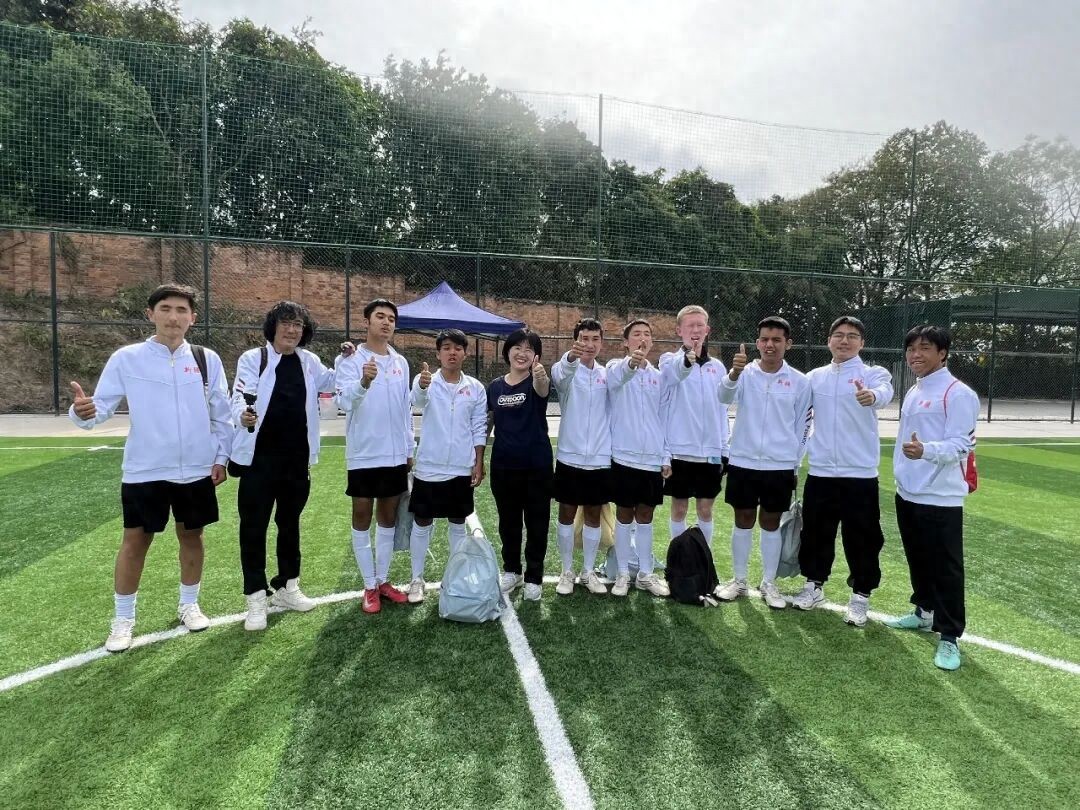
Reported by Wang Wei and intern Cao Si. From December 8 to 15, the 12th National Paralympic Games and the 9th Special Olympics took place in the Guangdong-Hong Kong-Macau region. This Special Olympics featured men's and women's blind football tournaments, with the women's blind football competition being established for the first time ever. The men's competition kicked off on December 7 and ran through to December 15. As of December 13, Guangdong's first team ranked first with 6 wins and 1 loss in 7 matches, Fujian ranked second with 5 wins and 1 loss in 6 matches, Yunnan was third with 5 wins and 1 loss in 6 matches, and Xinjiang was seventh with 2 wins and 4 losses in 6 matches.
Xinjiang's blind football team, participating for the first time in the national Special Olympics, currently holds seventh place. Although their results are not outstanding, they traveled over 5,000 kilometers to Guangzhou, using football as a means to challenge themselves. Their tenacious spirit on the field has won widespread applause.
To better prepare for this competition, the Xinjiang blind football team arrived a month early to train at the Juyin Cultural and Sports Center in Zengcheng, Guangzhou. Wang Jingrong, Vice Chairman and Secretary-General of the Xinjiang Disabled Welfare Foundation, told reporters, "Football has brought light back to these children!" Player Bilali Yasen said, "I used to be very afraid to run in the dark, but through teamwork with my teammates, I gradually gained confidence and experienced the joy and sense of accomplishment that football brings."

"Because they are completely blind, I have to carefully consider every step they take," said Wang Jingrong, Vice Chairman and Secretary-General of the Xinjiang Disabled Welfare Foundation, showing her meticulous care for the young players. During the journey from Xinjiang to Guangzhou, she helped guide the players and coordinated their luggage; upon arrival at the training site, she took charge of their daily living needs. These seemingly small tasks are filled with her deep love for the players, "Because I am also a mother, I worry that the children might accidentally hurt themselves."
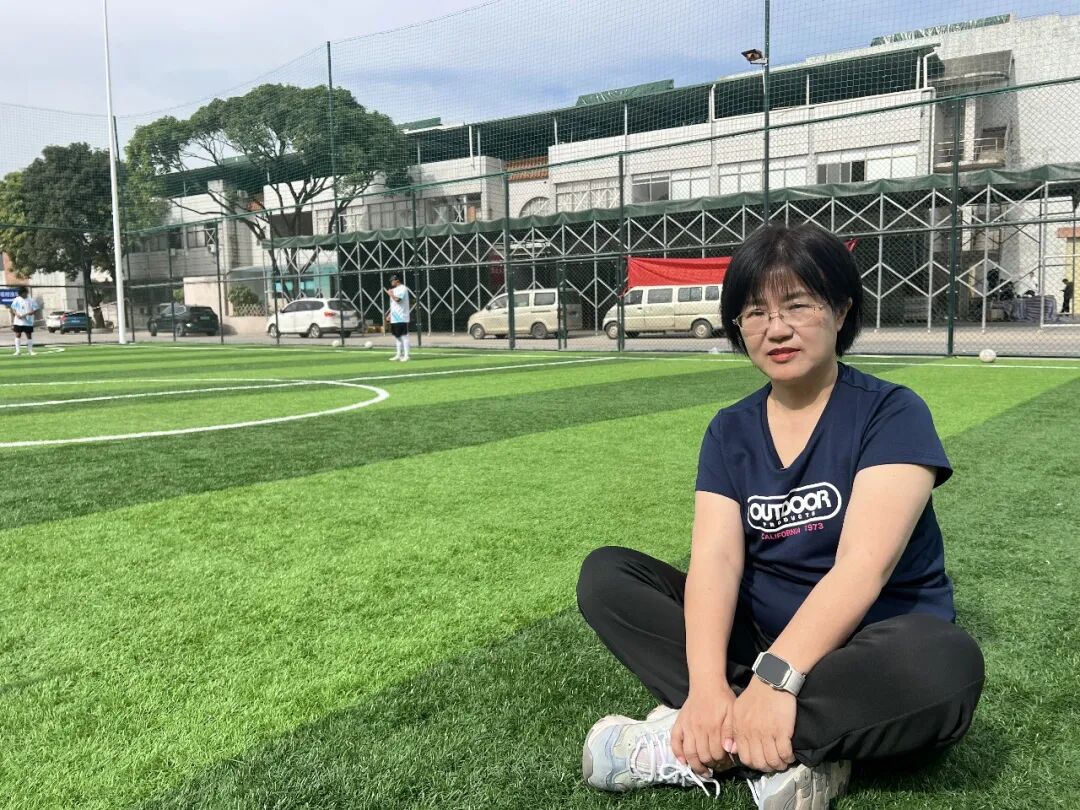
During daily training and travel, Wang Jingrong constantly watches over the players' safety and reminds them of directions in a timely manner. The players trust her deeply and, when traveling, they instinctively hold onto the shoulder of the person in front, moving in an orderly fashion under her guidance.
"I used to be a teacher and a mother; my child is only 16, the same age as them. I feel that it’s really not easy for these kids to come out. They are walkers in the darkness, and their brightness has moved me," said a player during an interview, rushing toward the sideline following the sound of the ball. Wang Jingrong immediately said, "The ball is behind you, dear, you’re running the wrong way." The player promptly turned back and carefully found the ball step by step.
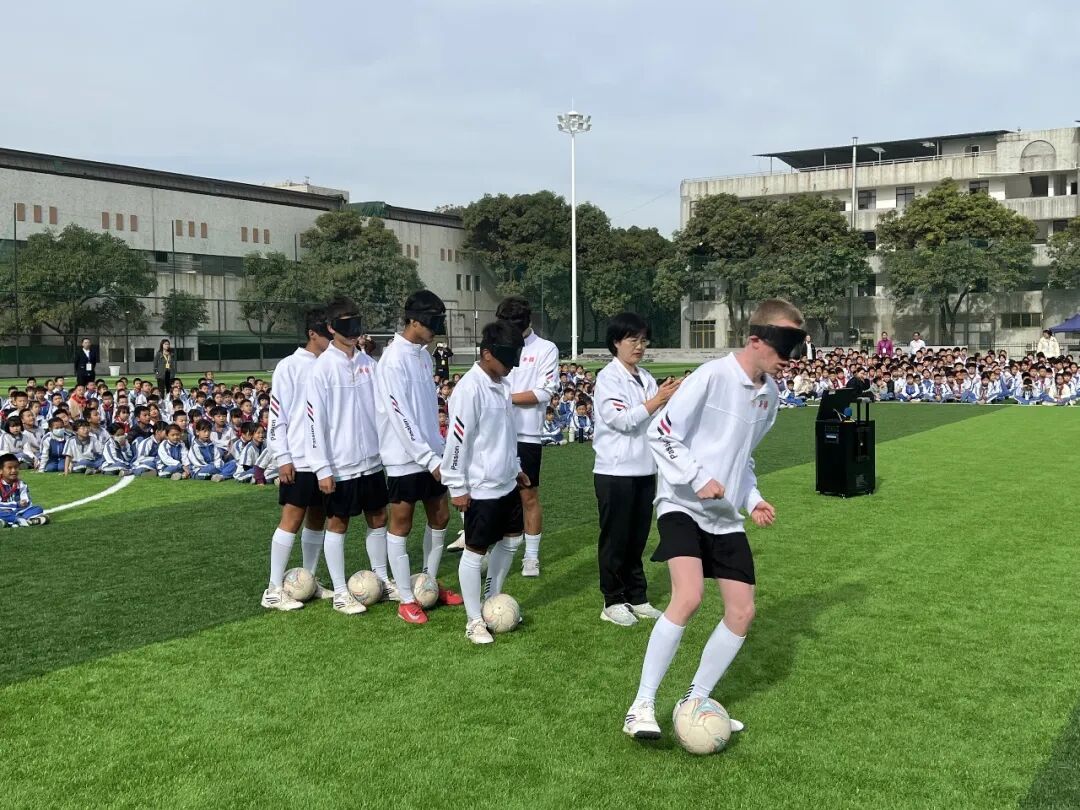
The challenges faced in blind football are unimaginable to most. Each team fields five players on the pitch; except for the goalkeeper (who has low vision or normal sight), the other four players are completely blind and must wear eye masks during the game. They play with a ball containing a bell inside and constantly shout to sense the positions of opponents and teammates. Players must overcome the fear of darkness, relying on exceptional spatial awareness and courage to pass and shoot.
"Many children lost their sight due to illness in childhood, but football has brought light back to them," Wang Jingrong said when asked about the children’s feelings attending a national-level competition for the first time. "They were also very nervous." Concerned about potential discomfort from the new environment, Wang personally cooked Xinjiang dishes like big plate chicken and hand-pulled rice to help these mostly 17- or 18-year-old kids feel the warmth of home while away.
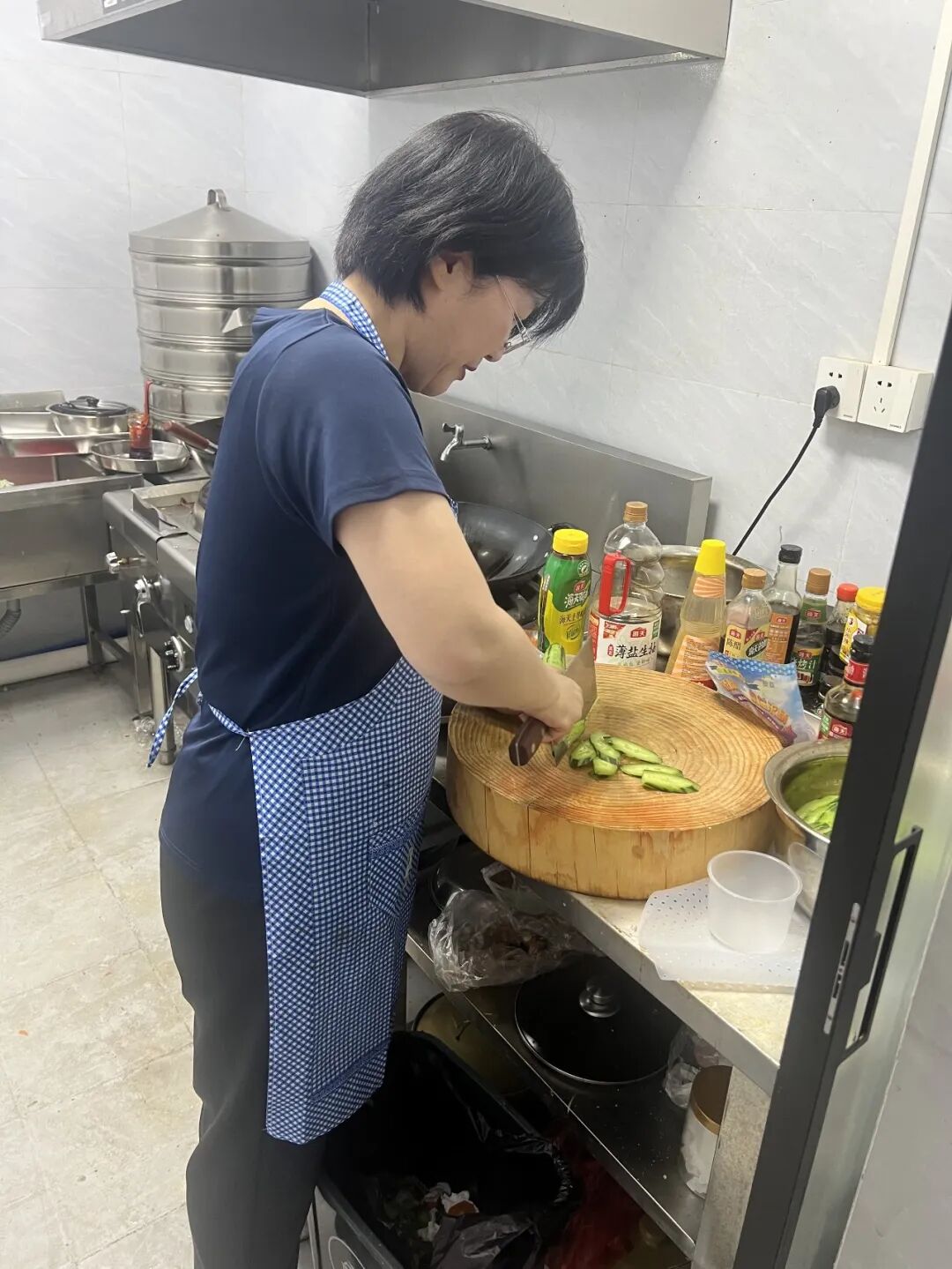
Wang Jingrong expressed hope to reporters that more companies and individuals would pay attention to people with disabilities, "giving them more support and warmth, filling their lives with sunshine, and helping them step out of their original worlds."

Bilali Yasen, a player on the Xinjiang blind football team, was once a shy child who barely spoke, but now he talks freely with anyone. In 2020, at age 13, he was introduced to blind football, initially training in Shache County in Kashgar, Xinjiang, then selected to train in Urumqi, and later in Shanghai. Coach Luo Chengmian highly praises him: "Bilali Yasen has very good skills. Although he hasn’t played for many years, he has a good sense of the ball and is very talented in football."

Bilali Yasen is a big fan of Portuguese star Cristiano Ronaldo. Coach Luo specifically taught him Ronaldo’s goal celebration, which has now become Bilali Yasen’s signature move after scoring.
Player Abdumijiti Maimaiti’s football journey has been more difficult. He joined a blind football team in Xinjiang in 2021, but the team disbanded shortly after. This happened more than once, causing Abdumijiti to lose confidence in football. However, his parents were even more persistent and encouraged him to continue playing when they heard a new blind football team was forming.

Without football, Abdumijiti Maimaiti’s life would be very different: "Probably just going to school and lying at home. Luckily, I didn’t give up on football back then, otherwise I wouldn’t have reached this point and be able to participate in national competitions."
Along the way, both young players are very grateful to Wang Jingrong: "Secretary Wang cares for us so much and even cooks for us. In our hearts, she will always be Sister Wang."
On the day of the interview, about 500 students from Wuxing School in Zengcheng District interacted with the Xinjiang blind football team. Bilali Yasen excitedly said, "This is our first time performing our blind football skills in front of such a large audience. I’m a bit nervous but also very happy to communicate with so many classmates."

When asked about their future dreams, both Bilali Yasen and Abdumijiti Maimaiti expressed their wish to join the Chinese blind football team. Established in November 2006, the Chinese blind football team represents China in international five-a-side (blind) football competitions. In 2023, China narrowly lost 0-1 to Brazil in the final, finishing as runner-up in the Blind Football World Cup, the best result ever for Chinese blind football. Bilali Yasen said, "I want to play internationally, bring honor to my country, and beat Brazil."

The head coach of the Xinjiang blind football team, Luo Chengmian, is from Zhanjiang, Guangdong, and has been selected for the Chinese blind football team. For many years, Guangdong has provided targeted support to Xinjiang, and this blind football team is a reflection of that effort.
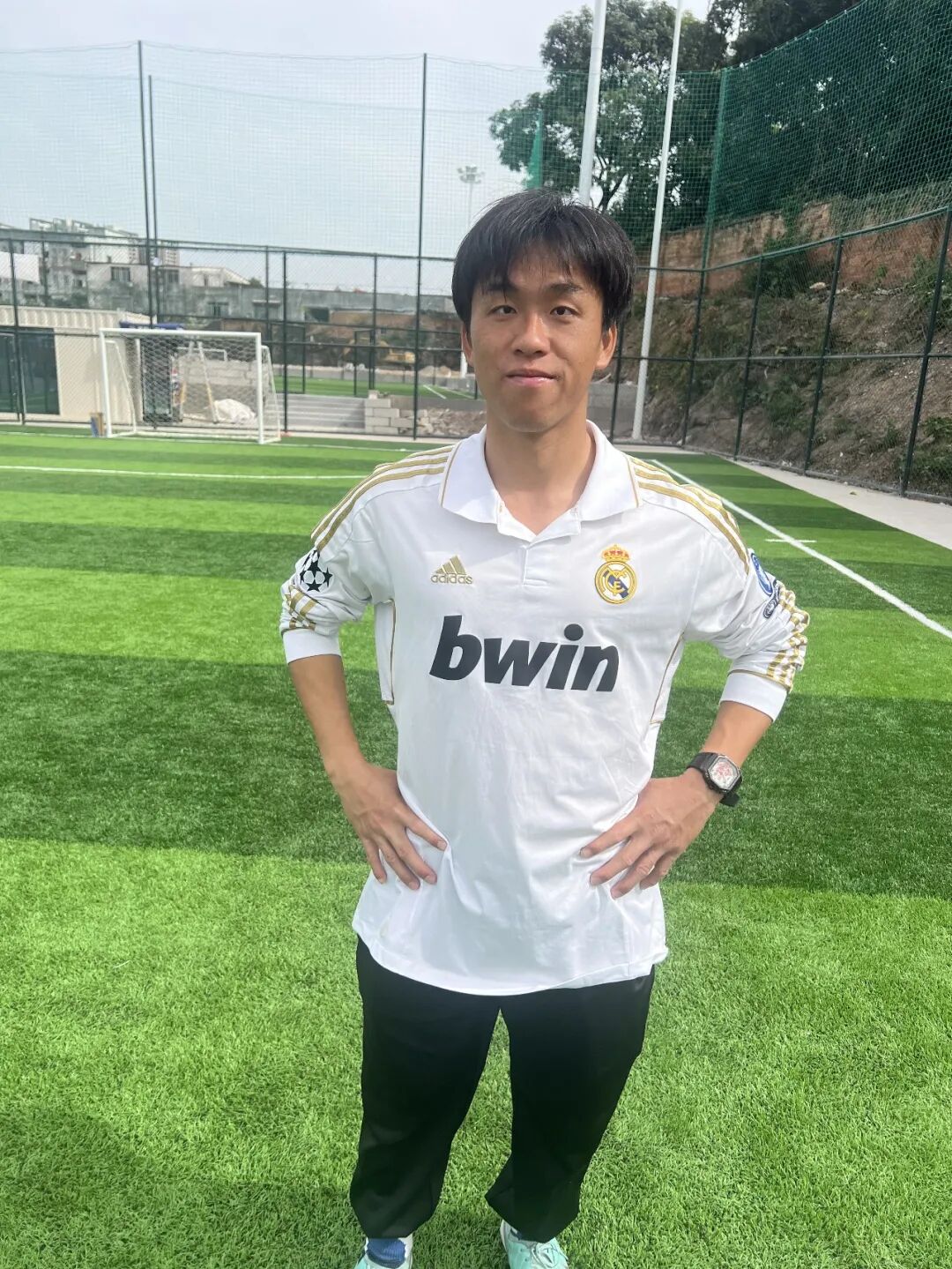
Before becoming a supporting coach in Xinjiang, Luo Chengmian ran a supermarket in Zhanjiang. He gave up his family business to coach in Xinjiang. He said without regret, "Helping these kids face the reality of blindness and reconnect with society is not easy. I’ve been through it myself and understand the hardships. Football changed me, and I hope to influence them through football."
Luo Chengmian hopes more blind people can participate in football, "Many (blind) people start working as massage therapists right after graduation and do it for life. Being able to play football like us is really something special."
Besides sending football coaches to assist Xinjiang, Guangdong also provided special support in other ways for the Xinjiang blind football team participating in the Special Olympics. For example, when the team planned to arrive early in Guangzhou for training, they almost couldn’t go due to accommodation and training venue issues. After learning this, the Guangdong Football Association took it seriously. Chairman Xie Changjing instructed staff to immediately communicate and arrange support for the team’s training and living needs in Guangzhou. Soon, the Juyin Cultural and Sports Center in Xintang Town, Zengcheng District, Guangzhou, offered help voluntarily.
"We provided the training ground for free and arranged kitchen and accommodation at no cost for the team. These kids have it tough, so we help whenever we can," said Luo Xianyou, head of the Juyin Cultural and Sports Center. "This is also fate; we are just doing a little bit to help."
“They deserve to be seen by more people!” Luo Xianyou’s words capture the essence of society’s support for blind football.


Wonderfulshortvideo
CR7 was really going through it 🤣🏆


 Links
Links
 Contact
Address:UNIT 1804 SOUTH BANK TOWER, 55 UPPER GROUND,LONDON ENGLAND SE1 9E
Number:+85259695367
E-mali:icecmxtdaf@gmail.com
 App
App


