



Youth football training in the western region is accelerating comprehensively, and the joy of football has already taken root and begun to grow.



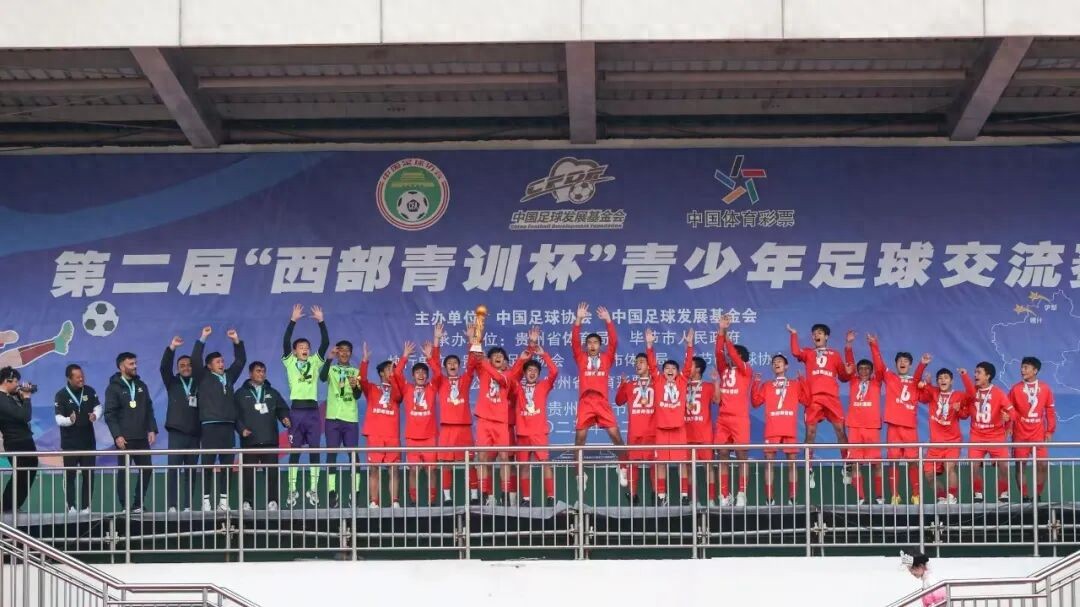
Written by/Zuo Rui On the afternoon of December 12, the second "Western Youth Training Cup" youth football exchange tournament ended in Bijie City, Guizhou Province. U14 boys’ and girls’ teams from eight pilot areas of the western sports-education integrated football youth training system—Yanbian, Ganzhou, Meizhou, Liangshan, Bijie, Zhidan, Yili, and Kashgar—competed over seven days and forty intense matches, showcasing the rapid development of youth training in the west and the initial achievements of the pilot projects.

As a branded event focused on youth football development in the western region, the "Western Youth Training Cup" has been successfully held for two consecutive editions. It has not only discovered and nurtured a group of promising grassroots players but also fostered the sharing and integration of football resources across the west, becoming an important bridge for deepening sports-education integration and promoting regional sports exchanges.
After Wuhan hosted the inaugural event, this edition, organized by the Chinese Football Association and the China Football Development Foundation, was held for the first time in a pilot area, hosted by the Guizhou Provincial Sports Bureau and the Bijie Municipal Government. This new tournament will be rotated annually among the pilot regions going forward.
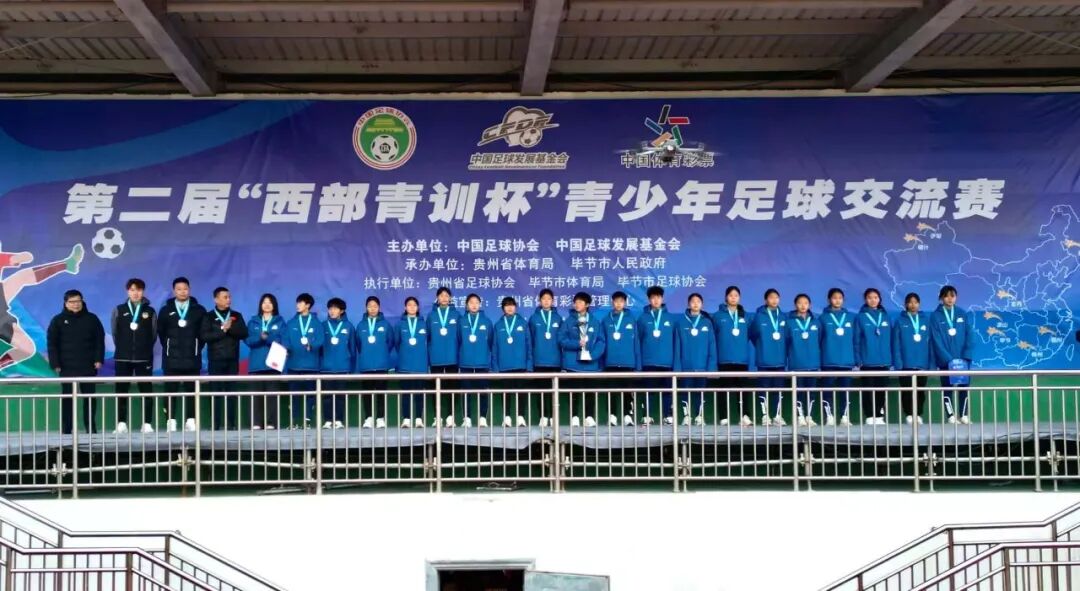
Including Meizhou and Yanbian, both football hometowns, the common challenges faced by the eight pilot areas are underdeveloped local economies, shortage of dedicated funds, and lack of professional personnel. However, with ongoing pilot efforts, youth training centers in these regions have undergone comprehensive hardware and software upgrades. The vast football potential in the western region has attracted attention and development at both national and local levels. As a vital part of Chinese football, western youth training has switched to a new engine and is continuously gaining momentum.
Looking at the competition results of the second event, the Meizhou and Ganzhou girls’ teams maintained their positions as the top two. However, the final ended 0-0 and was decided by penalties, reflecting Ganzhou’s determination to catch up and deepen youth training, as well as the intensifying competition among pilot regions. Kashgar’s girls’ team made significant progress by defeating Bijie 2-1 in the third-place playoff compared to the last edition.
The boys’ final was contested between Kashgar and Bijie, ending 1-1 in regular time. In the penalty shootout, the home team lost narrowly 4-5. Meanwhile, last edition’s finalists Meizhou and Ganzhou met in the third-place match, with Meizhou winning 4-0. “The final was thrilling, and every player who took the field performed excellently,” said Kashgar boys’ coach Yiliya. “Our opponents gave us a fresh understanding; although they were not physically dominant, each player knew exactly what to do.”
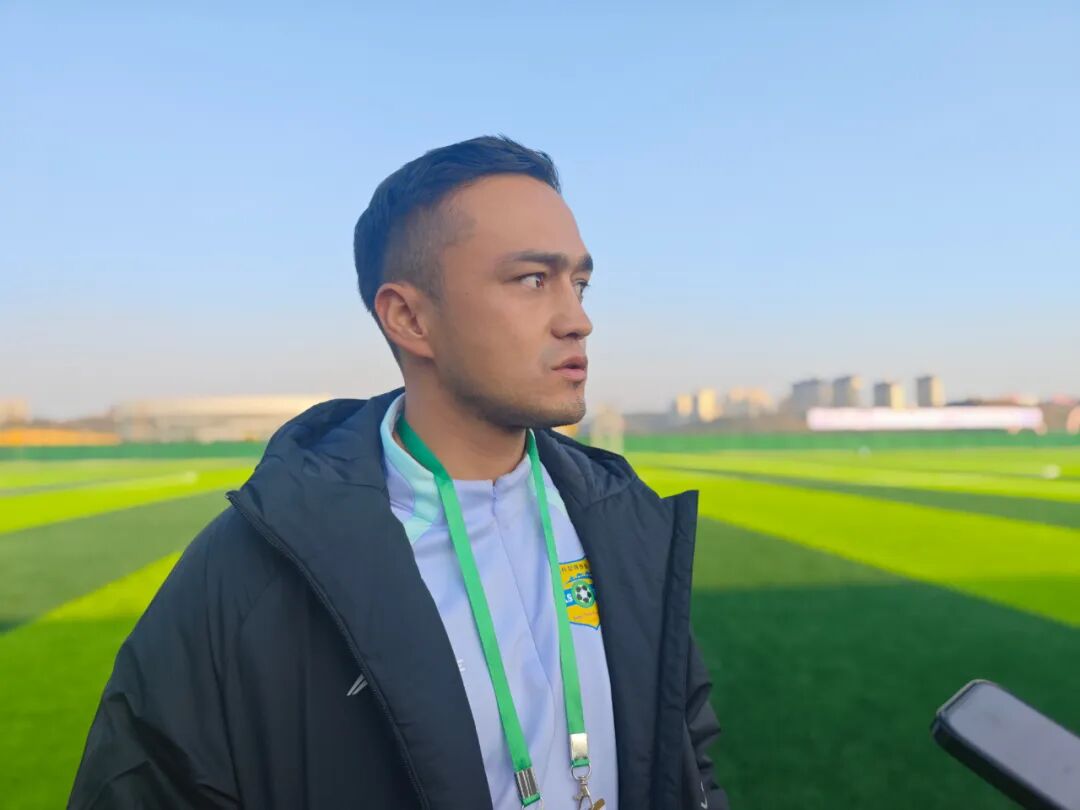
▲ Kashgar U14 boys’ football coach Yiliya
Yiliya believes this championship trophy holds extraordinary significance for the flourishing Kashgar youth training program. It is a huge encouragement not only for the current team but also for younger age groups and the entire Kashgar region. Notably, Kashgar’s boys made full use of the exchange tournament rule allowing nine substitutions per match. In the last group game against Meizhou, they replaced seven key players simultaneously at the 60th minute—a rare tactical move that proved effective. Despite trailing by two goals, Kashgar preserved strength, equalized, and even earned a penalty shootout chance.
Ultimately, Kashgar emerged as one of the biggest winners of this "Western Youth Training Cup," with the boys’ team winning the championship and the girls’ team taking bronze. Captain Maimaitijiang Mamutijiang was named best male player, Yimiranjiang Abudaini was awarded best goalkeeper, and four boys were selected as "Stars of Tomorrow." Meizhou won the girls’ championship and boys’ third place, with Zhu Yanhua chosen as best female player and five girls named "Stars of Tomorrow."
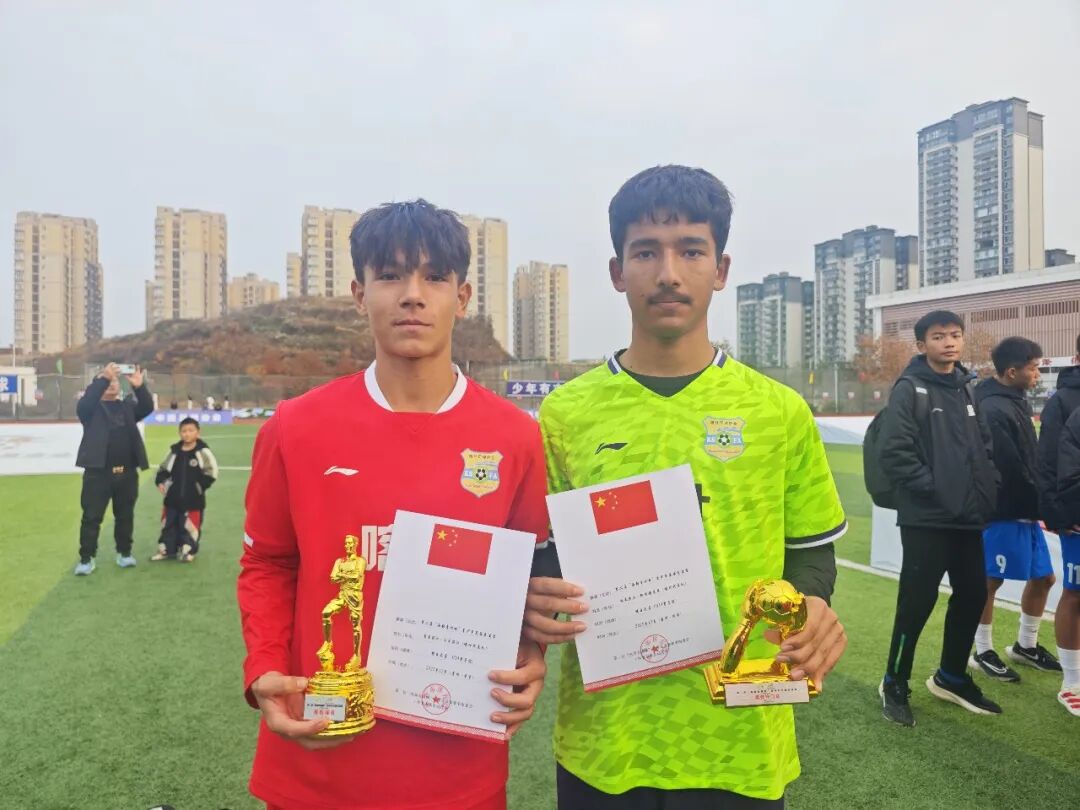
▲ Maimaitijiang Mamutijiang awarded best player, Yimiranjiang Abudaini named best goalkeeper

After the boys’ final, the Bijie team’s boys were tearful but resilient. When the team gathered in a circle, forward Wang Yucheng shouted, “Believe in yourselves. We lost at home this time, but next time against Kashgar or other strong teams, we’ll win together.” In the penalty shootout, this tournament’s top scorer with nine goals in five matches bravely scored the first goal under immense pressure.
Wang Yucheng and Zhang Yubo were both selected among the 22 "Stars of Tomorrow" this year. They are participants and beneficiaries of the Bijie youth training pilot program. They have played together since elementary school. During the transition from primary to middle school, they moved from other places to Bijie for better resources and conditions at the youth training center.
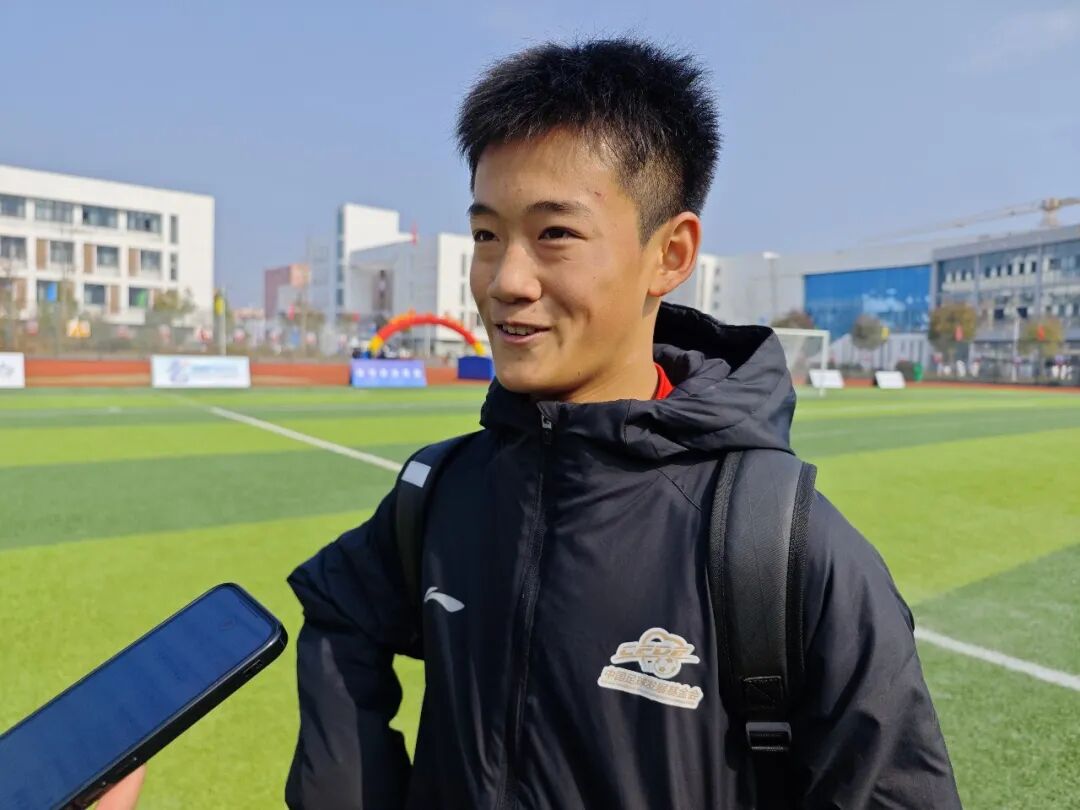
▲ Top scorer of the tournament, Bijie U14 boys’ football No.10 Wang Yucheng
Midfielder Zhang Yubo was selected once for the U13 national youth training camp this year. Having seen the broader world, he trains more diligently and studies harder. He aims to prepare for both a professional football career and university education. Wang Yucheng’s goal is to “join the national team.” Having lived away from his parents in Bijie for a year and a half, he feels his training level, match experience, independence, and self-management skills have all improved.
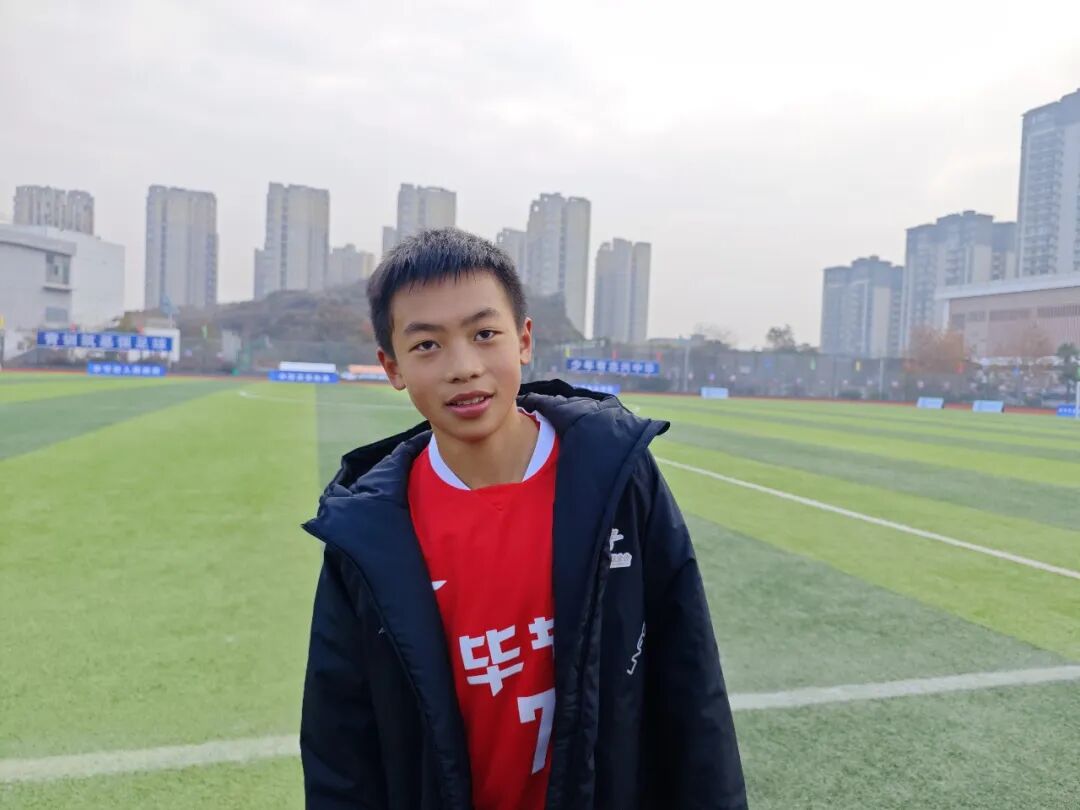
▲ Bijie U14 boys’ football midfielder Zhang Yubo
The top scorer in the girls’ category, Yili team forward Mirzeban Yarmaimaiti, also scored nine goals. While happy, she values the lessons learned from the matches and opponents. Although heavily defeated by Meizhou in the group stage, she not only opened her scoring account but also appreciated Meizhou midfielder Zhu Yanhua’s excellent ball control and vision.
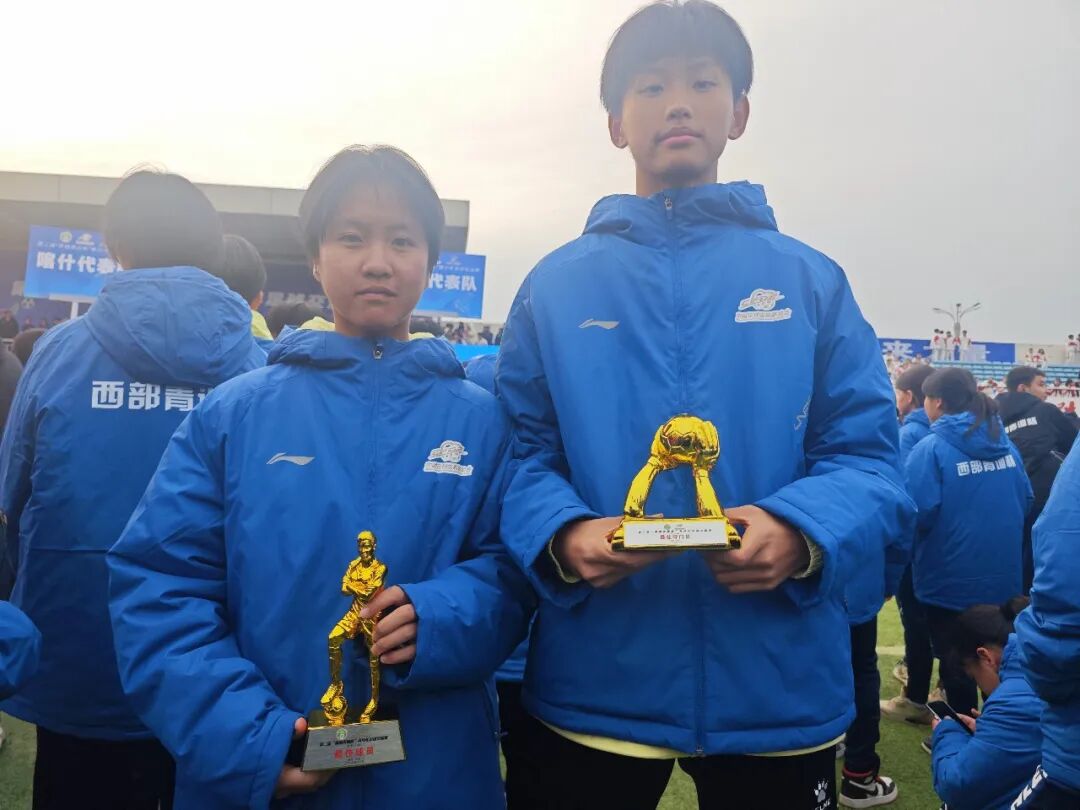
▲ Meizhou U14 girls’ best player Zhu Yanhua, best goalkeeper Guo Zifei
Before departing, Mirzeban held this mindset: “Learn well and play seriously in every match.” She plans to attend Yining No.8 High School after junior high, where she can continue playing football. “Looking further ahead, I want to join the national team.” Since watching Cristiano Ronaldo give his all for Portugal in the 2022 Qatar World Cup, she suddenly felt that was the kind of player she aspired to be.
Mirzeban began playing football in third grade. Before Yili was included as a pilot area, she often had to play with boys. In that football-loving land, girls playing football are a minority. “There are fewer than 40 girls available at this age level,” said head coach Ilixati. Most players are Uyghur children, with some Kazakh and Uzbek children, but no Han Chinese players. “Even so, not all minority parents fully understand or support girls playing football.”
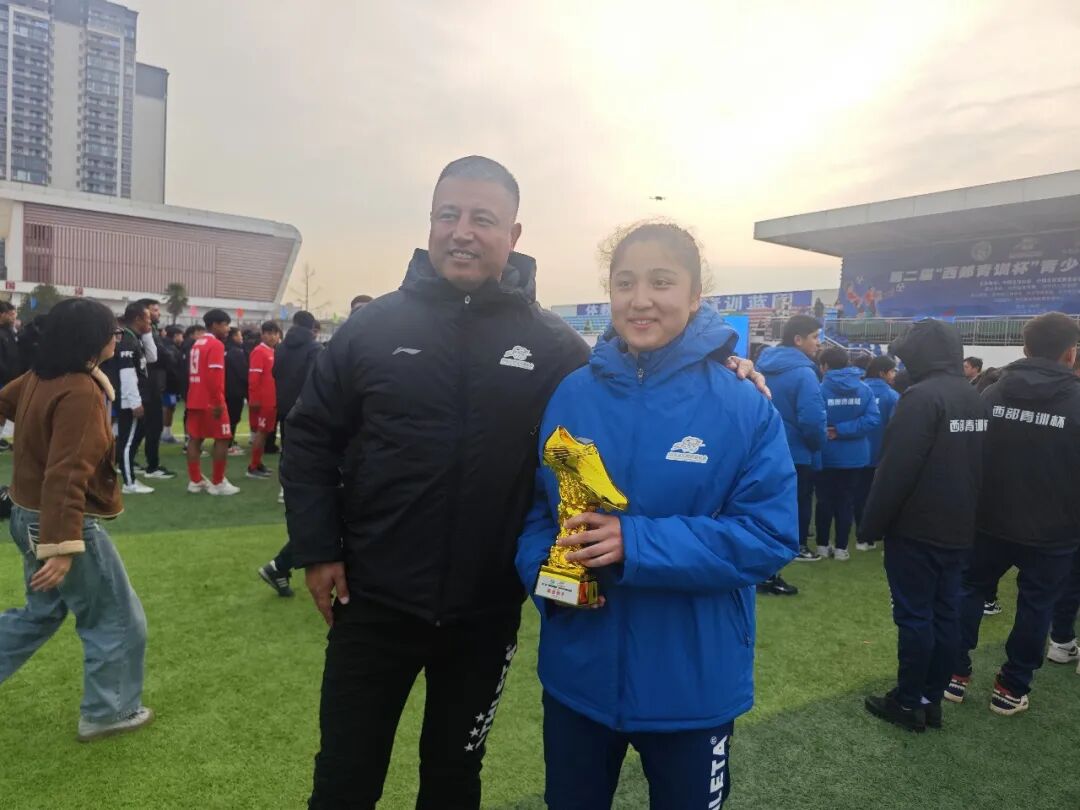
▲ Yili U14 girls’ head coach Ilixati, top scorer Mirzeban
The gender imbalance in youth training is reflected to varying degrees across the eight pilot regions. Besides the well-known football atmosphere in Yili, Yanbian also experiences this phenomenon. Among the two Yanbian teams participating in this "Western Youth Training Cup," the boys’ team is almost entirely Korean ethnicity, while the girls’ team is predominantly Han Chinese players.
According to Yanbian girls’ team head coach Zhang Qinghua, there are very few systematically trained girls’ teams in Yanji City, but two remote counties show high enthusiasm for developing girls’ football. “The shortage of female players is changing, and our leaders in Yanbian attach great importance to this issue.” The former top-tier defender said, “Although the kids improve daily in Bijie, we need to speed up and broaden the popularity of women’s football.”
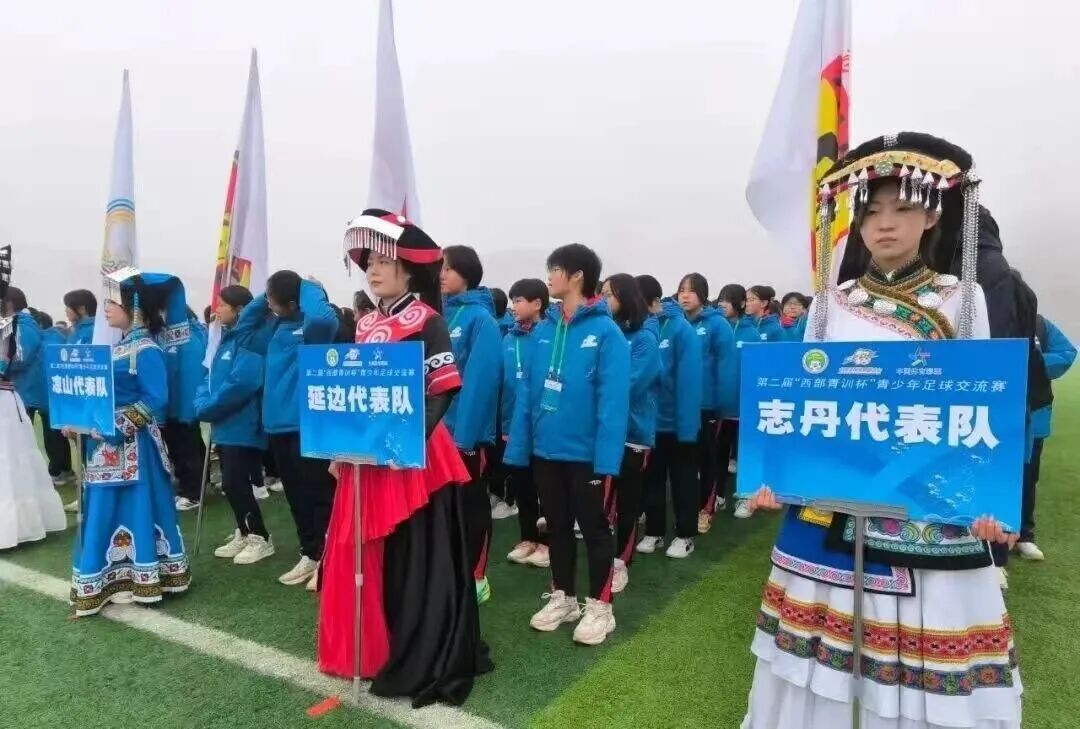

In contrast, more girls play football in Liangshan Yi Autonomous Prefecture, Sichuan Province. The girls’ team has 20 players from five counties, mostly rural kids, including 15 Yi and 5 Han. Coach Li Benqiang explained that the pilot’s “6+3+1” model provides Liangshan footballers with a path to further education. “Rural parents may not always understand football, but if playing football can lead to good middle schools and universities, they feel reassured.”
Ten years ago, when Li Benqiang coached the girls’ team, he had to repeatedly communicate with parents about their children’s prospects. “Now many parents actively bring their kids to us to see if there is a future.” Liangshan football, no longer underestimated within the province, mainly came this time for learning and exchange, to experience the atmosphere of a major tournament with sibling teams from other pilot areas, gain insights, and share what they learned with teammates back home, which also promotes the teams in each county.
On his second time leading a team to the "Western Youth Training Cup," Li Benqiang shared his personal insights. “I feel that the technical level of all eight pilot regions has improved compared to the first edition.” It even overturned his previous impression from Wuhan: “I thought our team was already quite strong, but arriving in Bijie made me realize the team still has room to grow.”
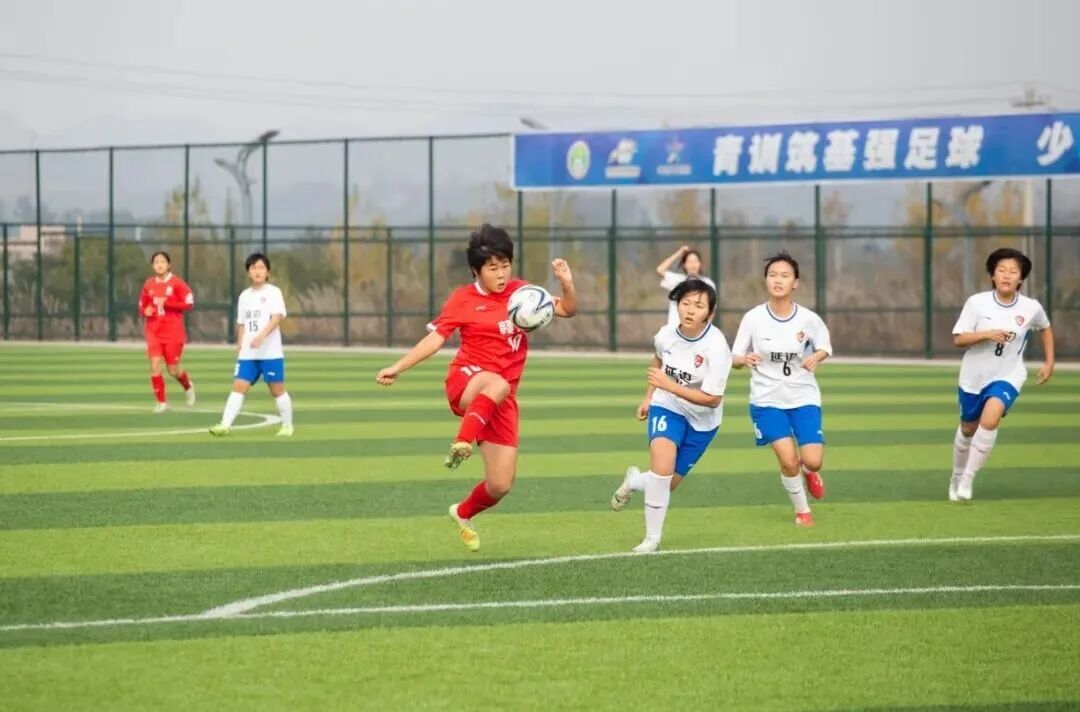
The pilot program has also injected great vitality into youth training in Ganzhou, Jiangxi Province, forming a “one core, multiple bases” development pattern. Head coach Chen Jianxian introduced that football development in counties like Dingnan and Yudu had distinctive features before, and now the Ganzhou city-level youth training center is about to be put into use. Youth football in main urban areas like Zhanggong is developing rapidly, and the combined efforts and healthy competition are driving the overall improvement of youth football in Ganzhou.
When asked about the rapid progress of Ganzhou’s boys’ and girls’ teams among the western pilot areas, both coaches agreed that high-level, high-volume training and quality competitive matches are indispensable. The girls’ team currently trains seven days a week, often twice a day on weekends; the boys’ team trains twice daily: basic skills before morning classes and tactics after afternoon classes.

Besides internal exchanges and competition within each pilot region, “challenge matches” among the western pilot areas are also ongoing to jointly improve and promote friendship. This year, youth training centers from Bijie and Zhidan were invited to Yili, where the teams traveled by three high-speed trains through Yili, Urumqi, Guangyuan in Sichuan, and Bijie in Guizhou, spending over two days on the journey. Despite the long distance, their enthusiasm was undiminished. Although the girls’ team, grouped with Meizhou and Ganzhou, did not advance further, head coach Ilixati said, “This is exactly the kind of match we want to play; we don’t get to face opponents of this level in Xinjiang.”
Ilixati’s attitude reflects the original intention of this event. Li Hui, director of the Youth Department of the General Administration of Sport of China, stated that the "Western Youth Training Cup" is a competition specifically established for children from the western region’s pilot areas integrating sports and education in football youth training. It is a platform for exchange and showcase. After two years of pilot work, some initial results have been achieved. “We hope football will take root and flourish in these areas, helping children grow healthily and develop comprehensively.”


Wonderfulshortvideo
CR7 was really going through it 🤣🏆


 Links
Links
 Contact
Address:UNIT 1804 SOUTH BANK TOWER, 55 UPPER GROUND,LONDON ENGLAND SE1 9E
Number:+85259695367
E-mali:icecmxtdaf@gmail.com
 App
App


