



Despite poor performance, MU still posts significant profits



Manchester United recently released their club's financial report. Although they spent heavily during the summer transfer window, the Red Devils continue to demonstrate impressive economic strength.

-
Live coverage of SEA Games 33 today 12/12: Vietnam wins a 'shower of gold medals' LIVE
-
Live volleyball match Vietnam women 0-0 Indonesia: Warm-up LIVE
-
QBV Thuy Trang shines as Vietnam beats Indonesia to top the SEA Games group
-
SEA Games 33 medal tally today 12/12: Vietnam welcomes a storm of gold medals
Manchester United has just released its Q1 financial report, drawing attention with a significant reduction in the wage bill despite spending £232.7 million in the summer transfer window. The Red Devils' wage fund now stands at only £73.6 million, a decrease resulting from two rounds of staff cuts and restrictions on team bonuses.
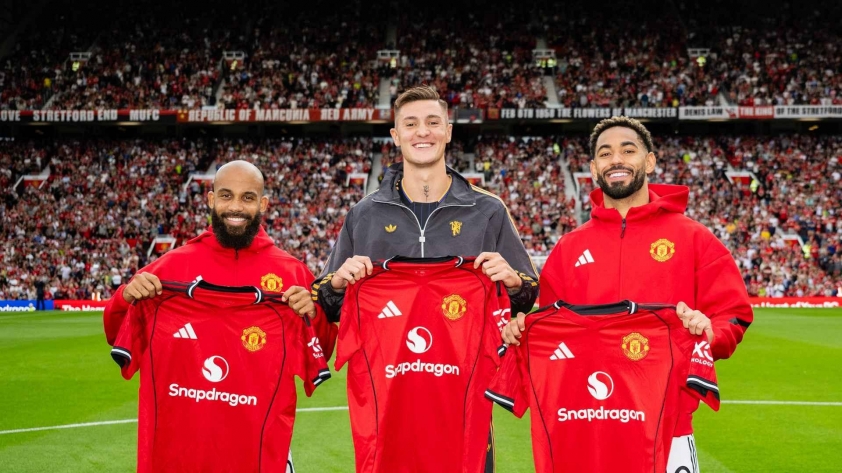
Another key factor is that Barcelona is covering the full £325,000 weekly salary of Marcus Rashford while he is on loan. If Barca exercises the option to buy him permanently, Man United will continue to reduce long-term costs significantly.
Not only Rashford, but Casemiro is also likely to be offloaded next year. Additionally, Jadon Sancho, who earns £250,000 per week, will leave the club when his contract expires in June. These changes open up opportunities for MU to confidently pursue a major signing in midfield, as they are monitoring players like Elliot Anderson, Adam Wharton, and Carlos Baleba.

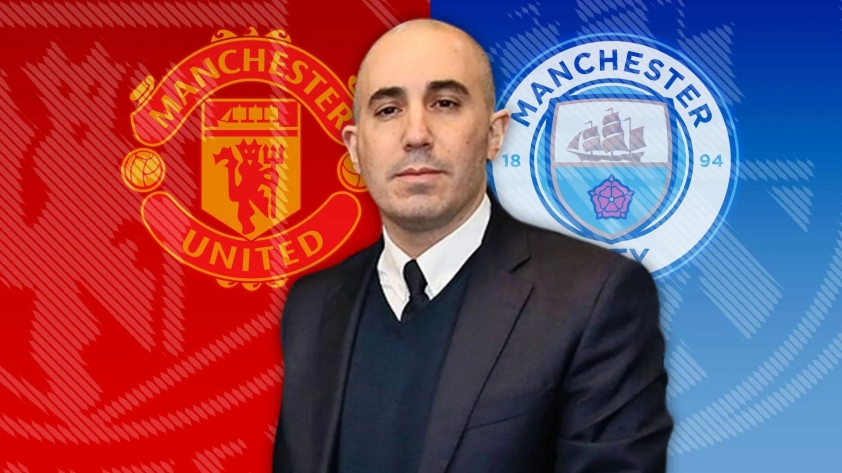
CEO Omar Berrada emphasized that the financial figures indicate Manchester United is on the right path in its restructuring process. He stated that the tough decisions made over the past year have helped the club build a lean, efficient organization aimed at improving both sporting performance and commercial value in the long term.
Despite the wage bill reduction, the report also shows that the Red Devils' revenue plunged to just £140.3 million. The main reasons are the club's absence from European competitions and playing two fewer home matches compared to the same period last year. Sponsorship income also dropped nearly £5 million as the club has yet to secure a new shirt sponsor after the deal with Tezos ended, and agreements with Marriott Bonvoy and Melitta had already concluded earlier.
Nevertheless, MU still recorded an operating profit of £13 million, mainly thanks to increased ticket prices compensating for the decline in matchday revenue. The club's management confirmed they remain on track to achieve the annual revenue target of £640 to £660 million set out in their plan.




Wonderfulshortvideo
CR7 was really going through it 🤣🏆


 Links
Links
 Contact
Address:UNIT 1804 SOUTH BANK TOWER, 55 UPPER GROUND,LONDON ENGLAND SE1 9E
Number:+85259695367
E-mali:icecmxtdaf@gmail.com
 App
App


