



"Valorant Mobile": The Aesthetic Secret Captivating Players Worldwide! Exclusive Offline Event Revealed


Unnoticed, Valorant's influence has spread beyond intense in-game battles to permeate various aspects of urban life. It is no longer just a hero shooter game but quietly integrates into players' everyday lives as a cultural phenomenon.
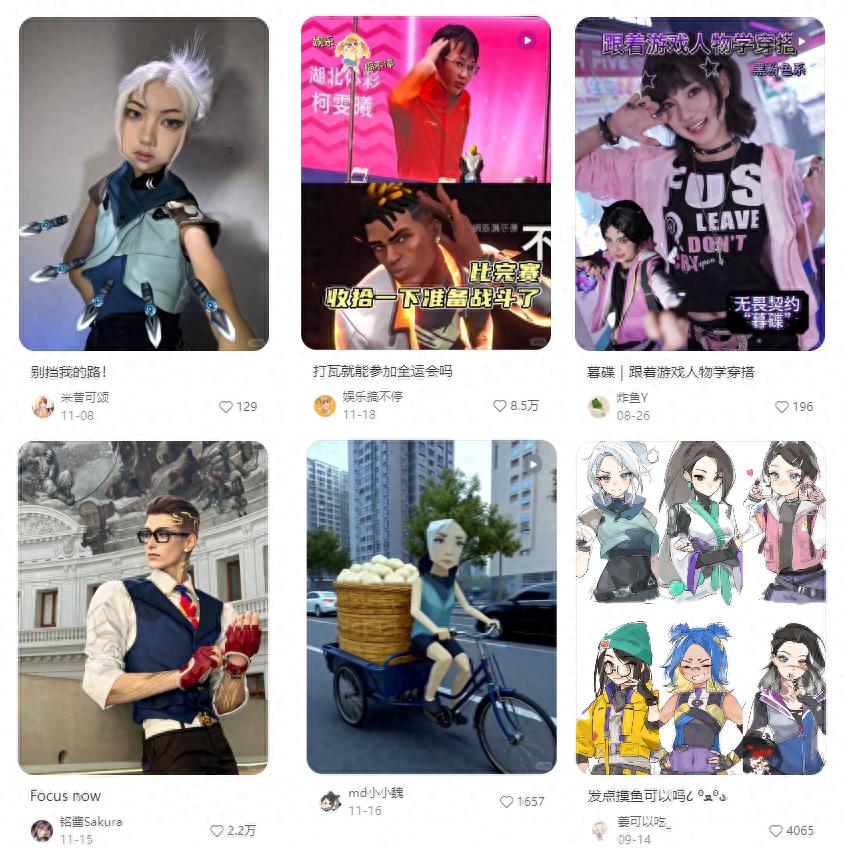
From the thrilling competition arenas to engaging offline events, and bustling gaming expos, you can find Valorant-related character cosplays, merchandise sales, and cultural scenes everywhere in daily life, all showcasing its unique and highly recognizable artistic style.
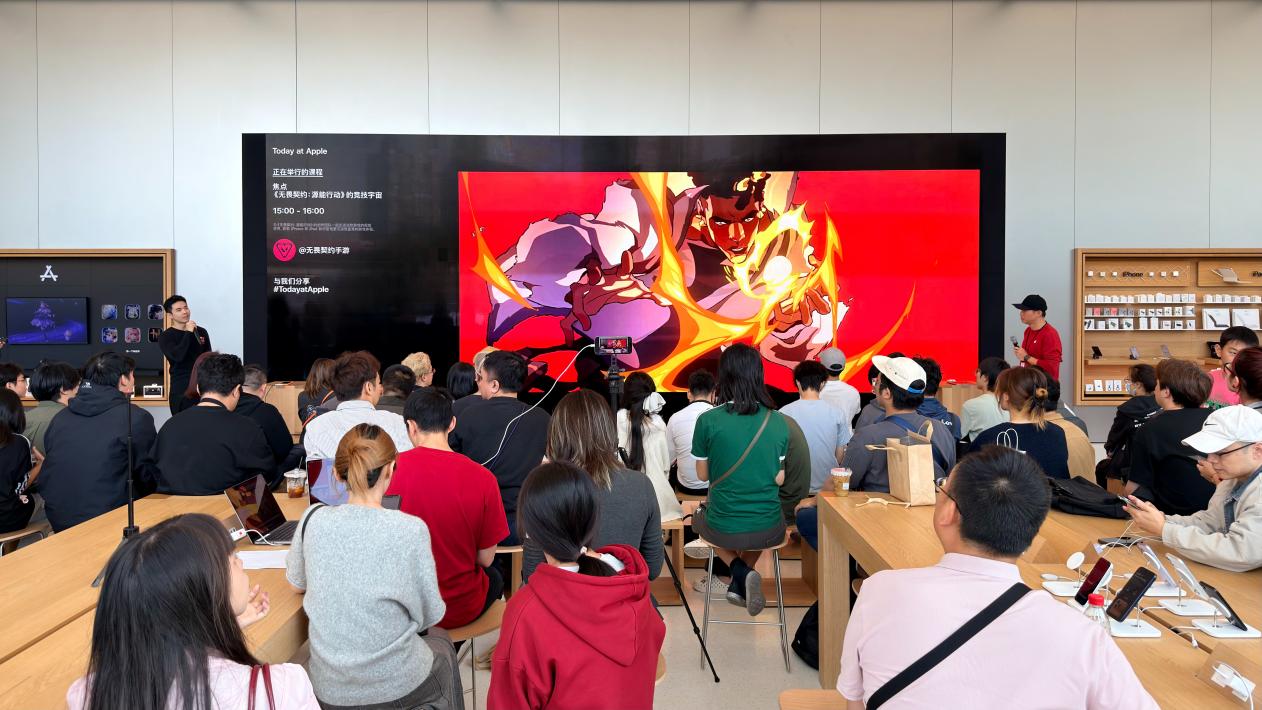
Recently, Today at Apple partnered with "Valorant: Operation Source" to hold a special event at the Apple Authorized Store in Guangzhou Tianhuan Plaza. Vincent, the head of Valorant's Chinese publishing at Riot Games, and Zheng Hu, the lead artist of "Valorant: Operation Source," attended to share insights into the game's design philosophy.
Distinctive Art Style: A Perfect Blend of Realism and Cartoon
Before the launch of Valorant Mobile, shooting games generally fell into two camps: one represented by titles like "CS" and "Battlefield," featuring realistic styles focused on hardcore immersive battlefield experiences; the other including games like "Fortnite" and "Team Fortress 2," known for their vibrant colors and strong anime or cartoon influences. Valorant Mobile’s art style takes a fresh path, striking a balance between these two extremes, making it a unique presence in the shooter genre.
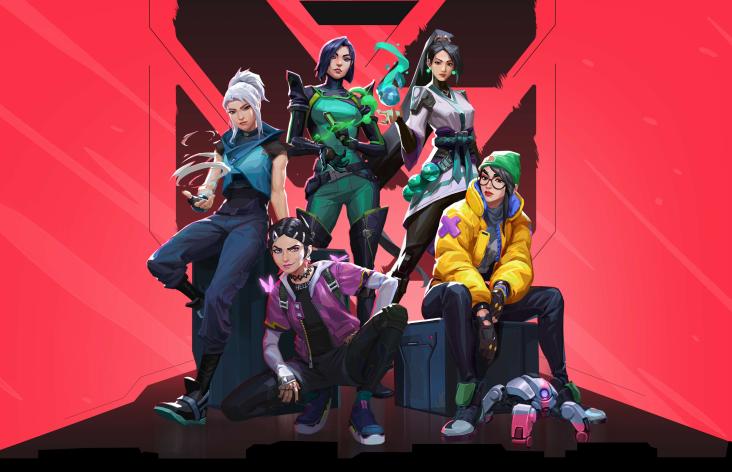
This style is also Riot’s signature aesthetic—bright colors, intense emotions, and a trendy vibe. For a short TTK (Time to Kill) shooter like Valorant Mobile, this blend of realism and cartoon provides players with an enhanced gaming experience.
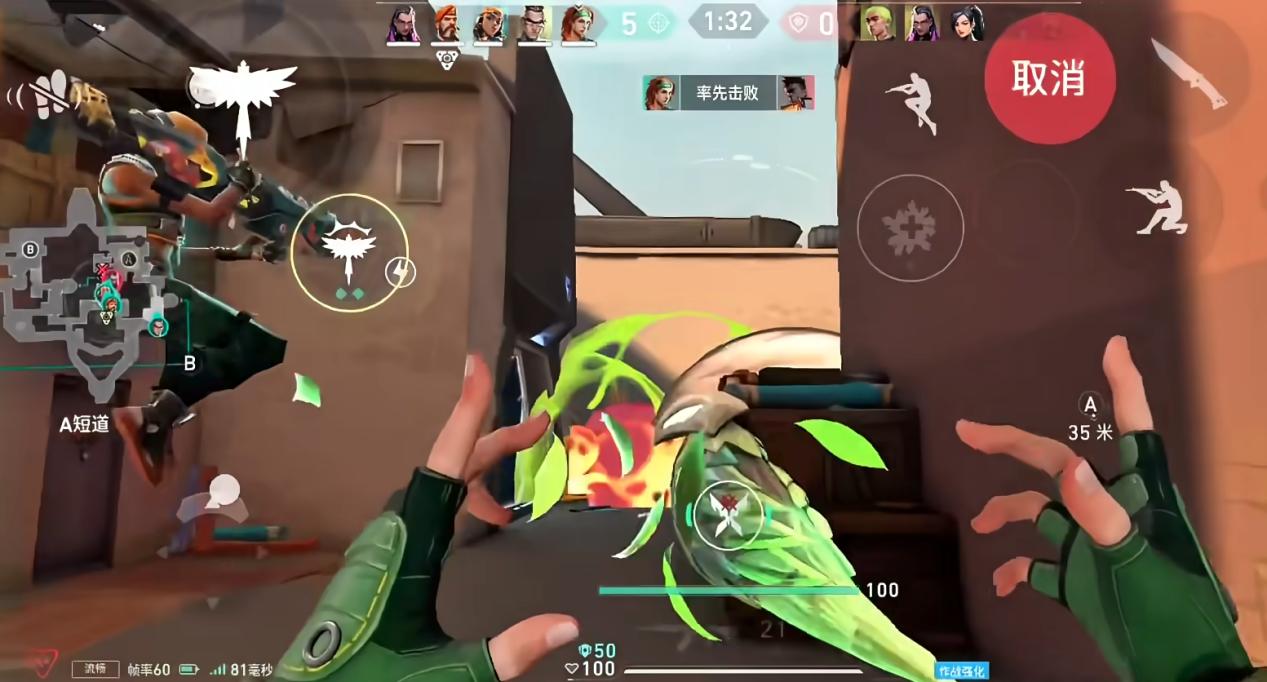
The adrenaline-pumping visual feedback on precise kills, diverse weapon finishing effects, and the unique "hero skills + tactical shooting" gameplay built on this art style all multiply the excitement in every match.

Back in the League of Legends era, Riot’s style gained global popularity, proving its market viability. The game’s CG microfilms use a three-dimensional animation style consistent with "Arcane," combining hand-drawn textures with dynamic depth; annual world championship theme songs are often presented as 2D animated shorts with smooth storytelling and seamless scene transitions, full of tension. The 2023 world championship theme song "Light Speed" is hailed by many players as one of the best game music videos in recent years.
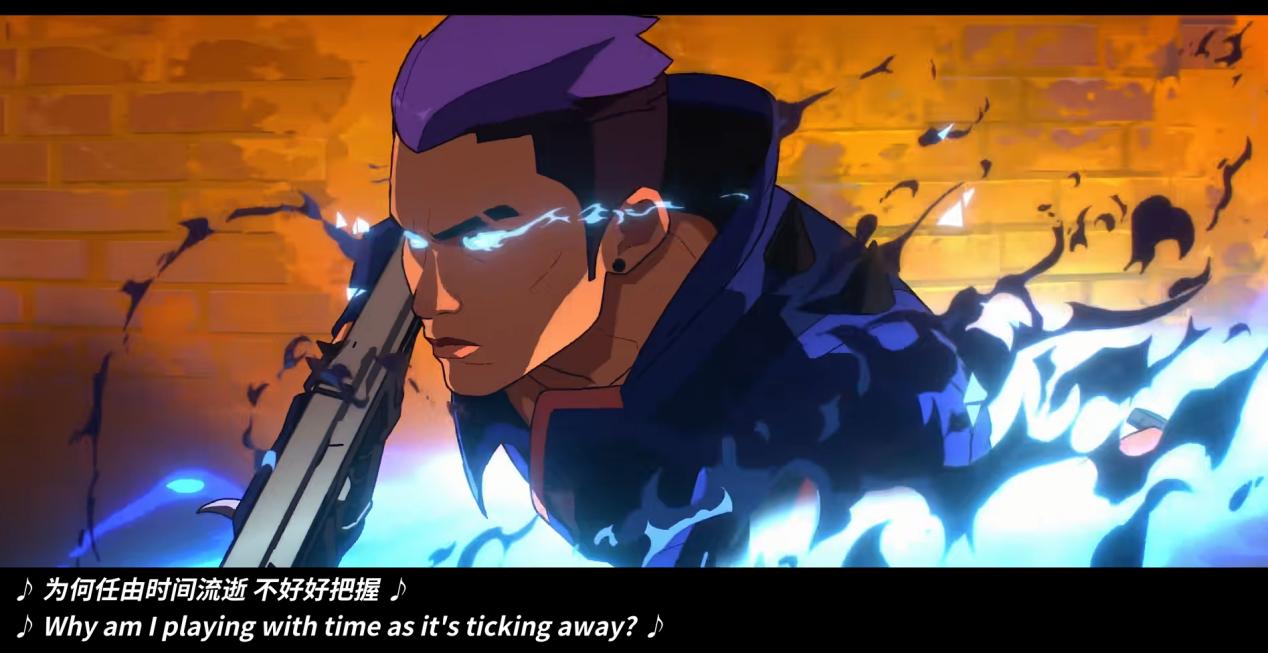
Notably, this mix of realistic elements with low-poly comic-style modeling allows players on different systems and configurations to run the game smoothly.
Restrained Aesthetics: Design Serving Gameplay
As a highly competitive tactical shooter, Valorant always prioritizes "fairness." This demands a restrained art design—avoiding anything that distracts from competition while preserving the IP’s unique identity. In short: art must serve gameplay.
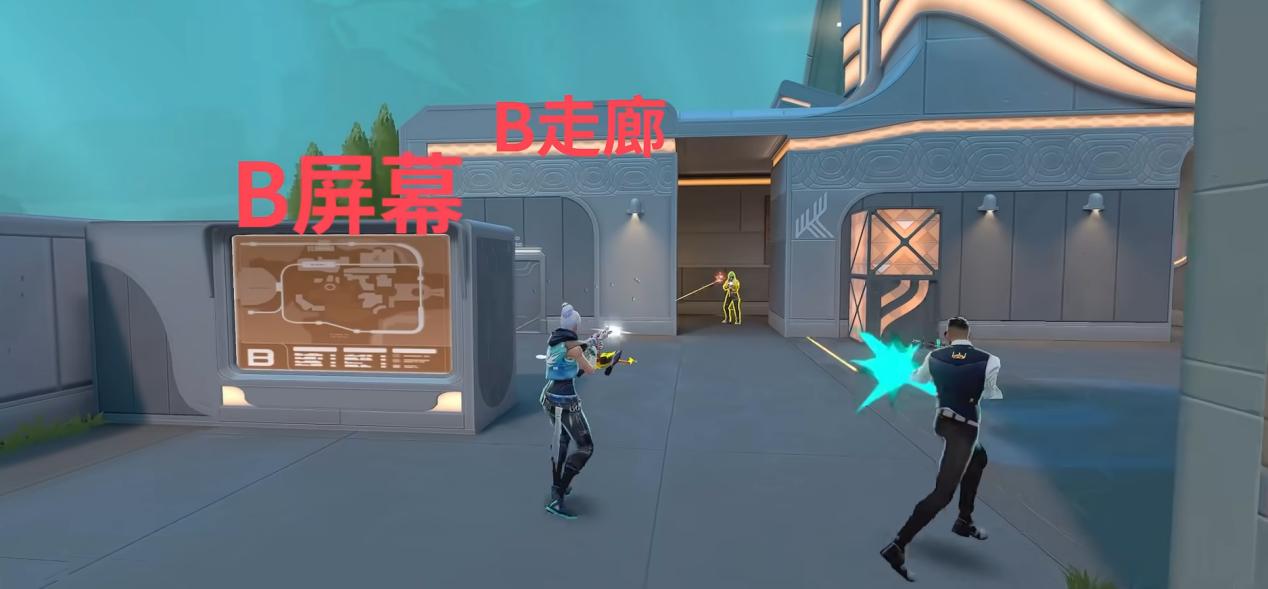
This philosophy is evident in the map design. Valorant’s maps exemplify "clean and crisp": dark-toned grounds contrast sharply with characters; map layouts are orderly with simple, clear bomb site structures; cover and spike planting zones are obvious, without meaningless decorations or visual distractions. This minimalist design is a necessary compromise for competitiveness.
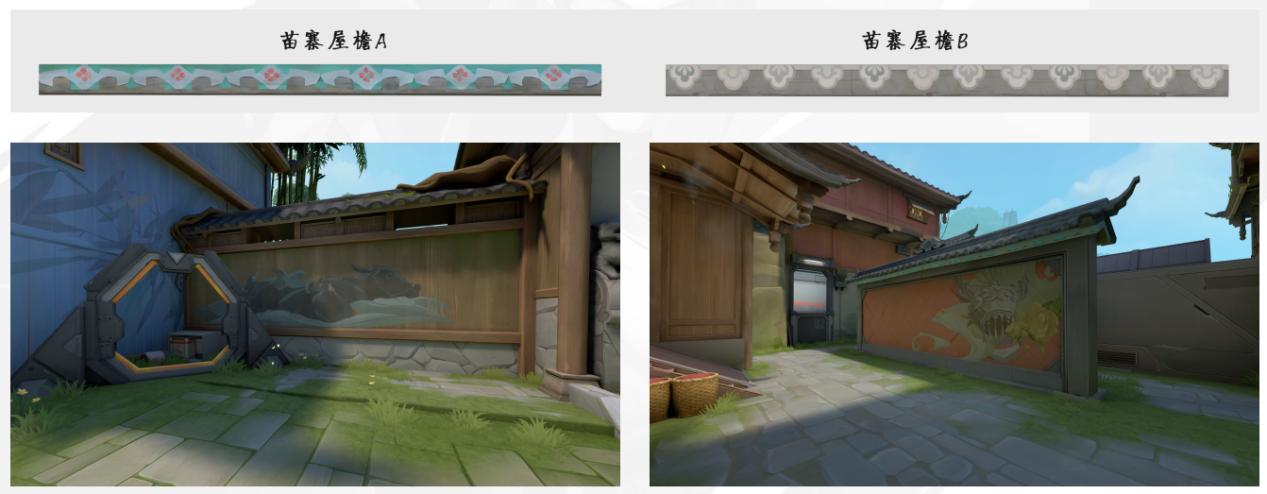
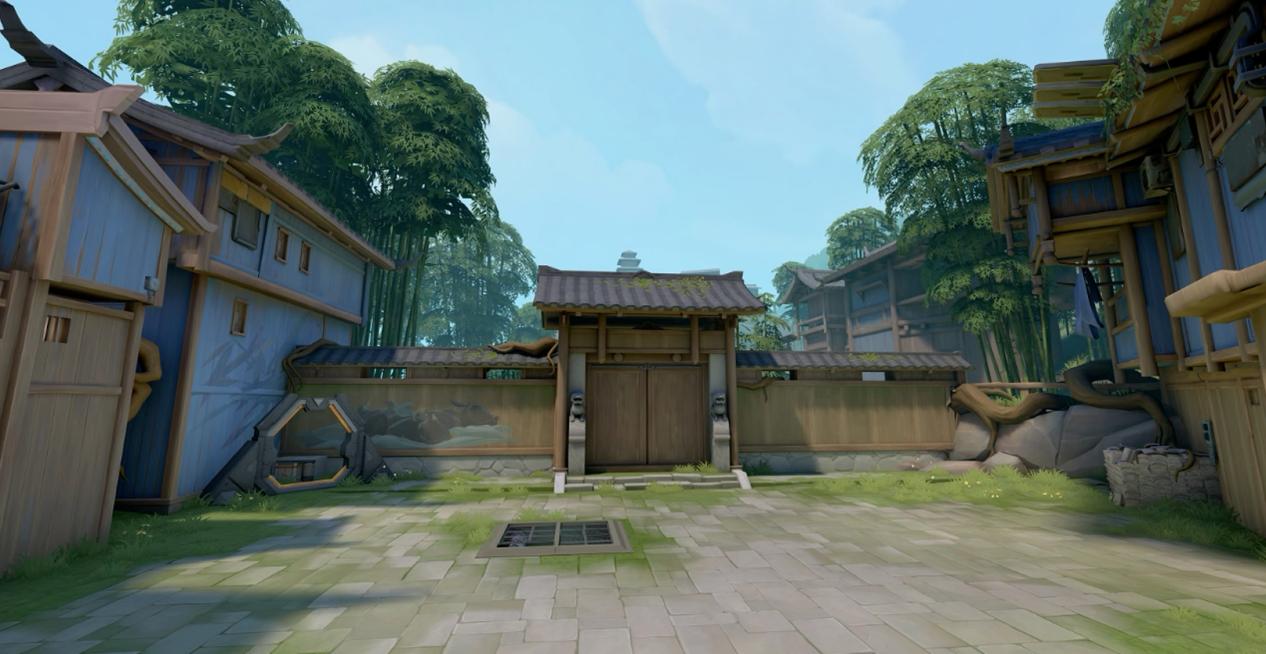
For example, in the original map "Old Village," designers use warm and cool tones to clearly distinguish attackers from defenders, with different wall paintings for each side. To maintain tonal harmony and avoid interference, the team modified traditional Miao village eaves, replacing the somewhat jarring white with green that better fits the overall map style.
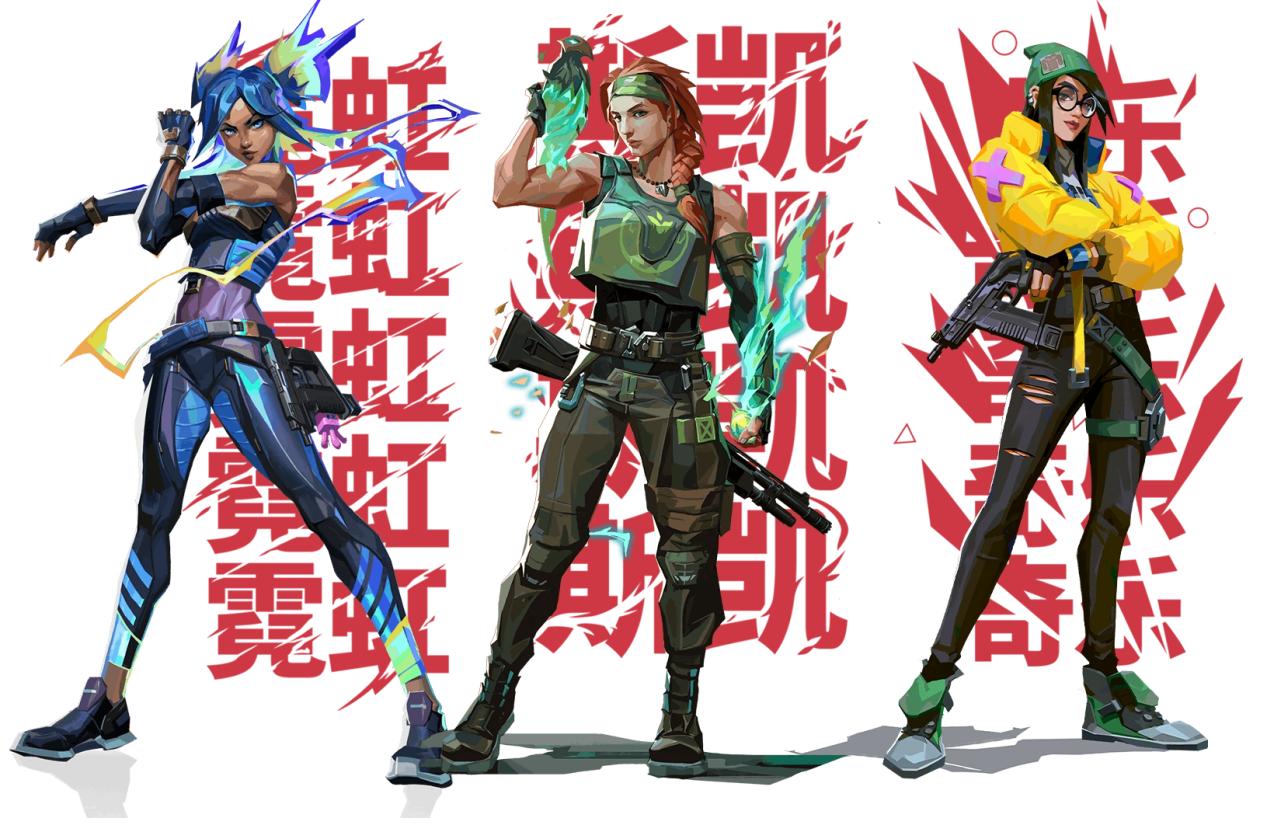
Hero design also strictly follows this principle. Each character has only one or two theme colors, with costumes, skills, and accessories centered around these—Neon’s deep navy, Skye’s fresh grass green, and KAY/O’s yellow-green mix are all highly recognizable.
This design not only strengthens character identity but greatly improves match clarity. Players can quickly distinguish heroes just by color, eliminating unnecessary distractions during play. Incidentally, the design density differs greatly between upper and lower body parts.
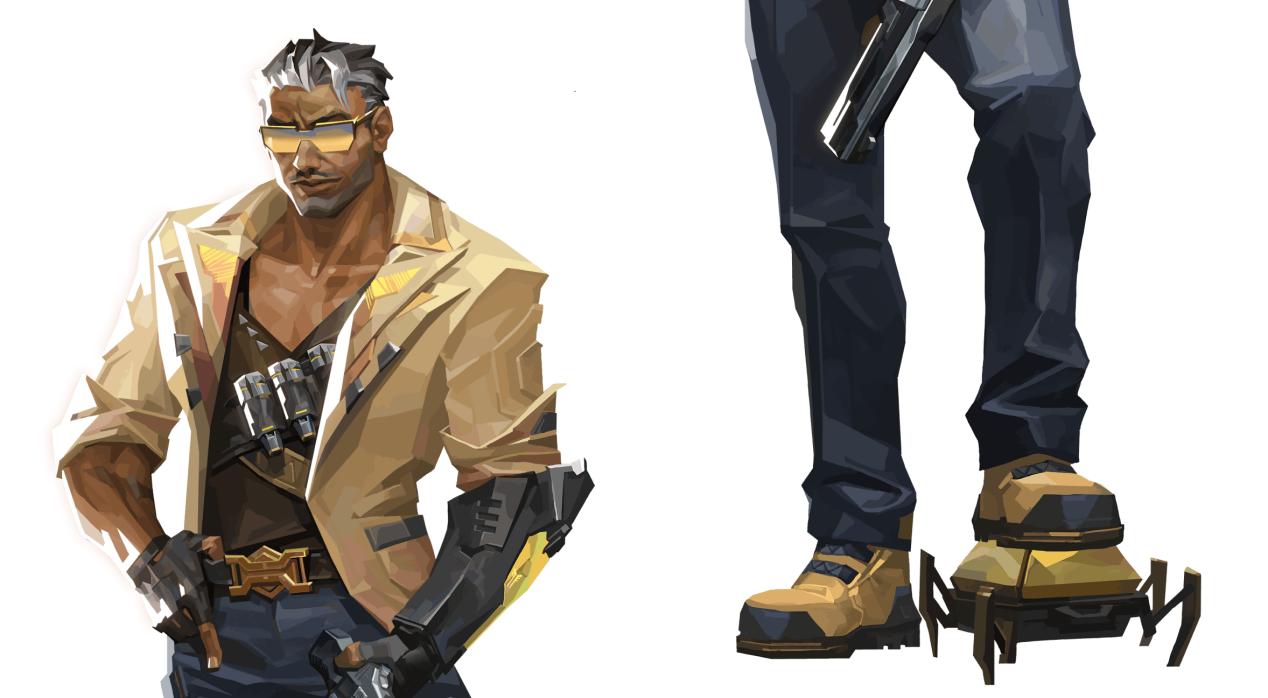
Additionally, character designs subtly employ a "complex top, simple bottom" approach: most heroes have darker, simpler lower garments to reduce visual focus, helping players concentrate on combat.
Detail Lover’s Delight: Hidden Easter Eggs in Characters and Maps
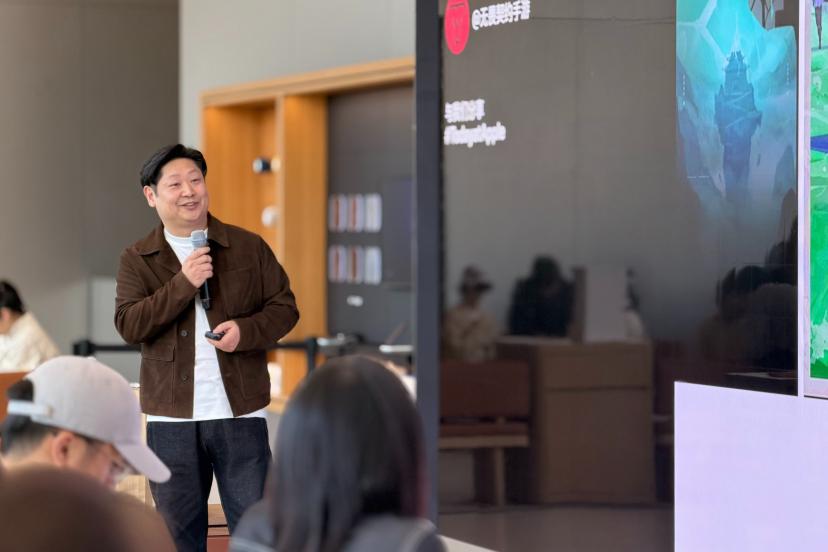
"Valorant: Operation Source" Lead Artist Zheng Hu
If the overall style forms Valorant’s visual framework, then the detailed designs are its flesh and soul. Take the Shaanxi heroine "Sage" Wei Lingying as an example to explore the designers’ craftsmanship.
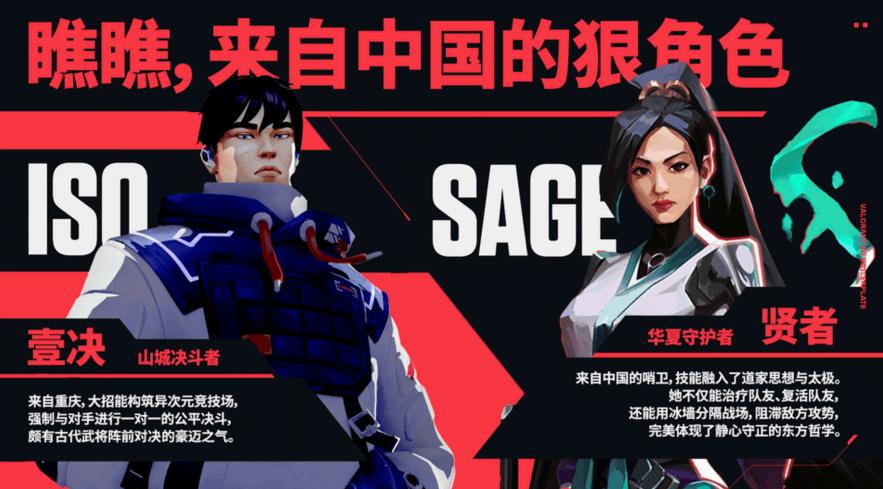
In her backstory, Sage spent years in a Taoist temple, so her outfit draws inspiration from Taoist training robes. Traditional long robes were impractical for combat, so designers shortened them to skirts, preserving Eastern charm while fitting tactical needs.
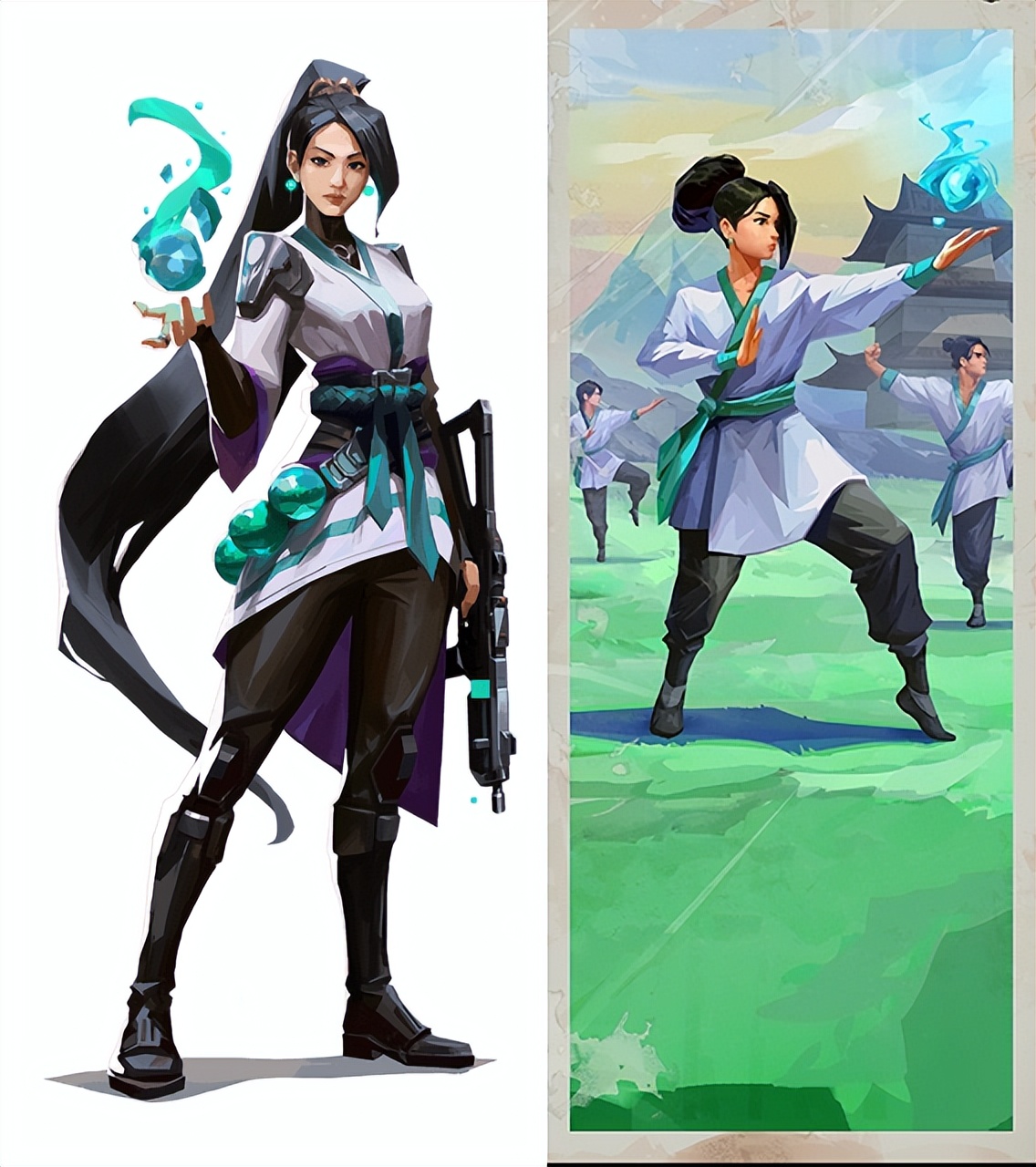
Considering the robes’ lack of protection, armor was added to her shoulders, waist, and legs, enhancing her strength and making her design more believable.
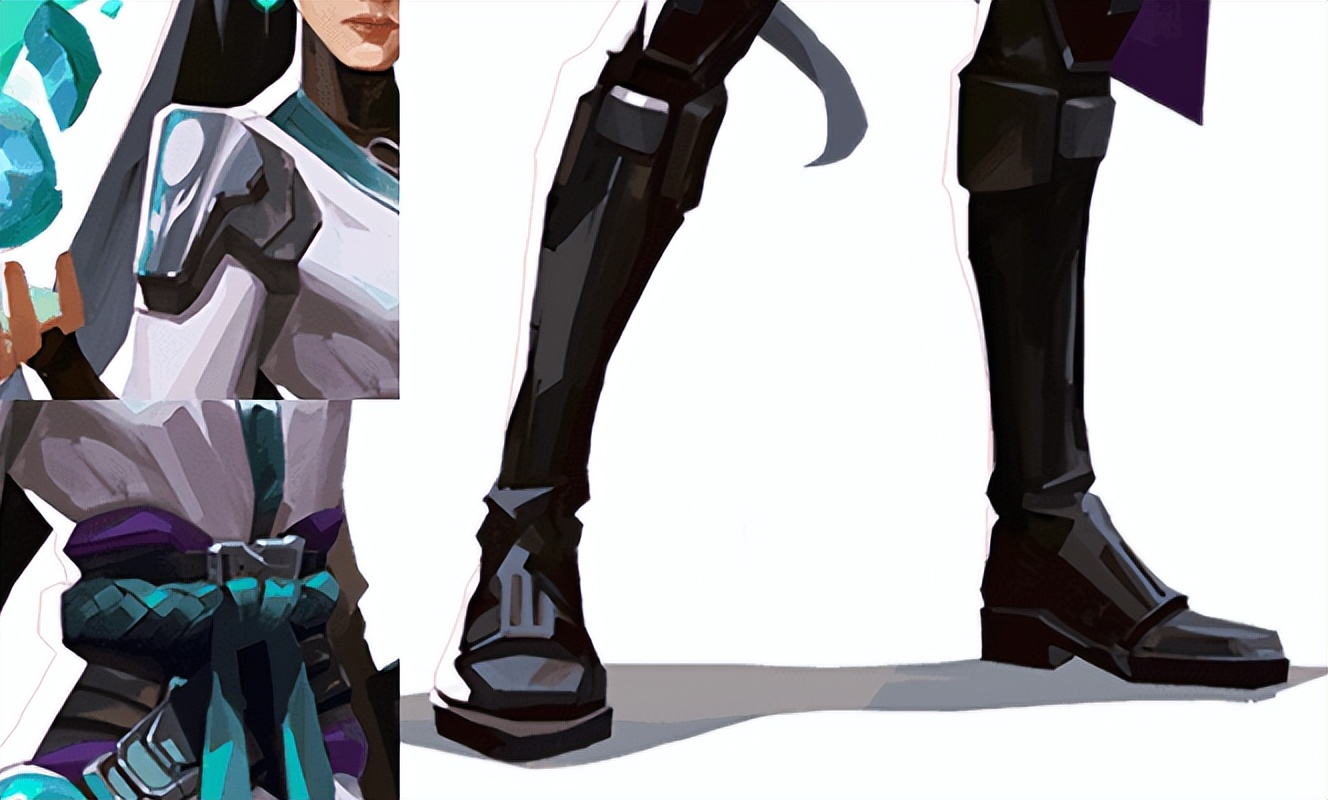
As the only female character with waist-length hair, Sage’s look also contains cultural symbolism: long hair is a classic element of Eastern aesthetics, and giving this to a Chinese hero is a precise homage to Eastern culture.
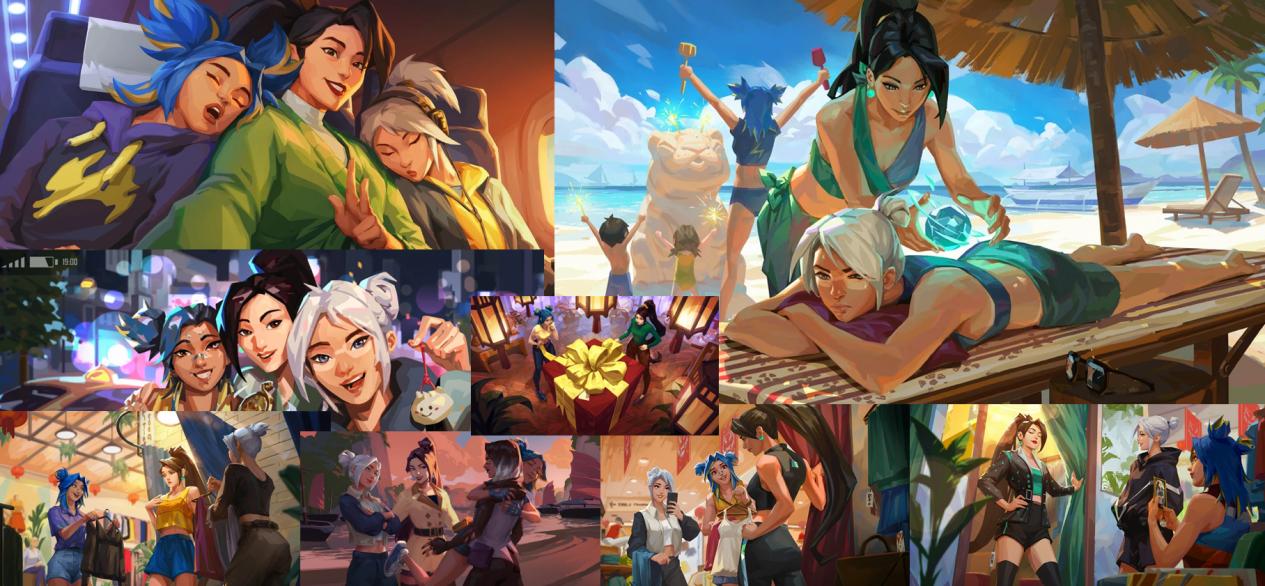
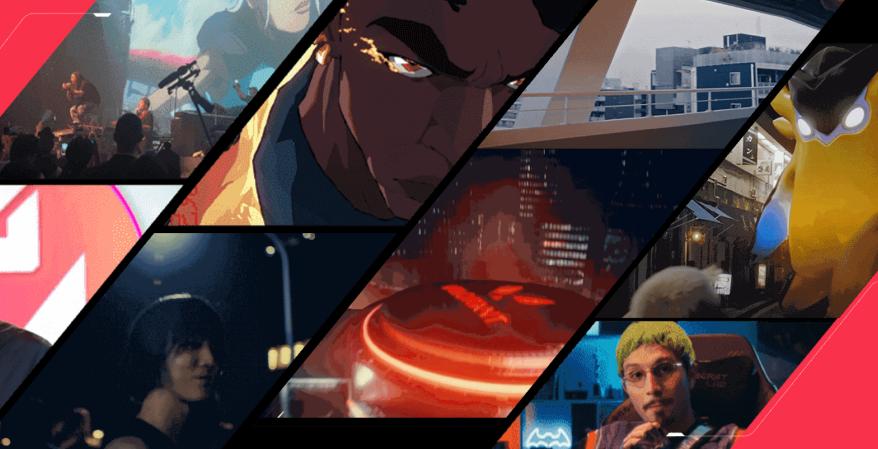
Zooming out, the game’s heroes from around the world represent vibrant cultural snapshots. Raze’s wild skillset and graffiti-like effects express Brazil’s passionate spirit; Chamble’s elegant one-shot style reflects French romance; Yoru’s tech-inspired gear and effects perfectly echo Chongqing’s "Cyber City" nickname.

Matches in the game have evolved beyond tactical battles to become cultural exchanges between regions, a key reason Valorant’s appeal is global: no matter where you come from, you can find cultural belonging in certain maps or heroes.
Hero designs are crafted with care, and map creation is equally meticulous. To ensure competitiveness, main map areas remain simple and restrained, but non-interactive zones allow designers to showcase creativity: on Breeze Island, sunlight filters through palm leaves casting dappled shadows, evoking island vibes; Ascent’s floating cityscape creates a stunning visual spectacle; Neon District’s layered buildings outline a unique cyber urban silhouette.
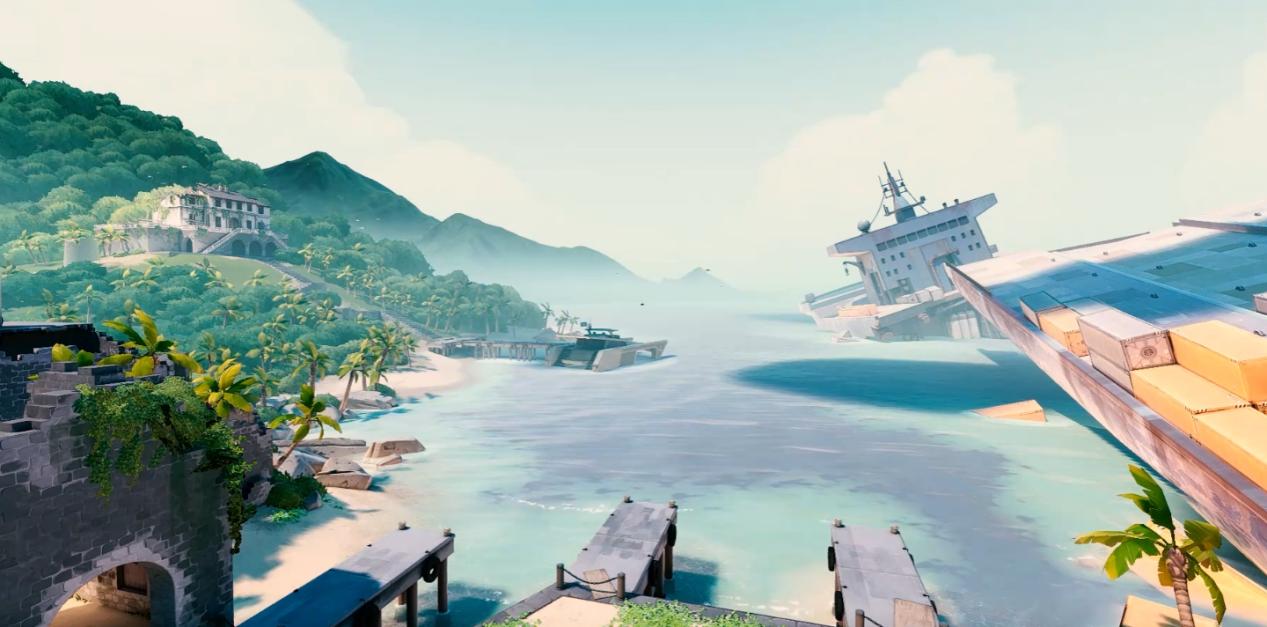
Interestingly, all maps have real-world inspirations: Hidden Sanctuary replicates Bhutan’s Thimphu "paradise"; Deep Pearl draws from Lisbon, Portugal—a famous port city; Sunset City is based on California, USA, with street graffiti and architectural styles radiating West Coast flavor.
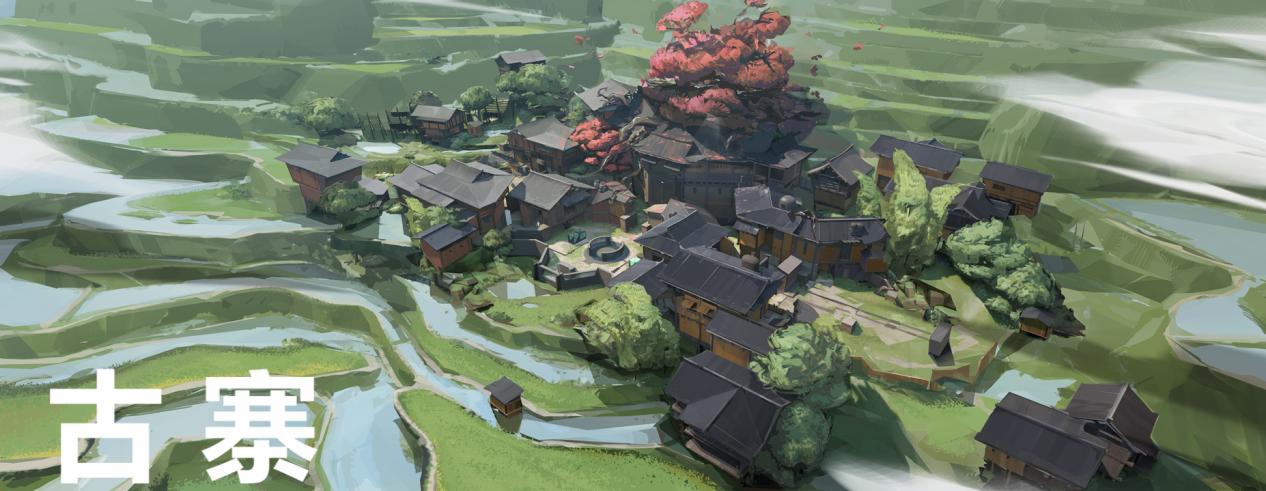
At the event, lead artist Zheng Hu shared the story behind the original Chinese-themed map "Old Village." Inspired by millennium-old Miao villages in Guizhou and Yunnan, it features bamboo groves and stilt houses, evoking a strong sense of familiarity.
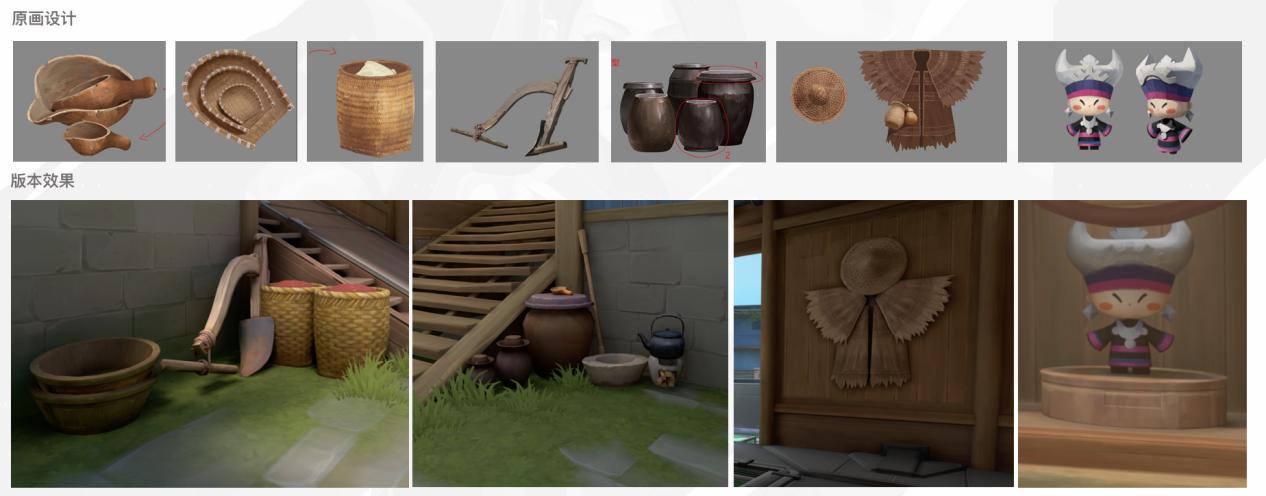
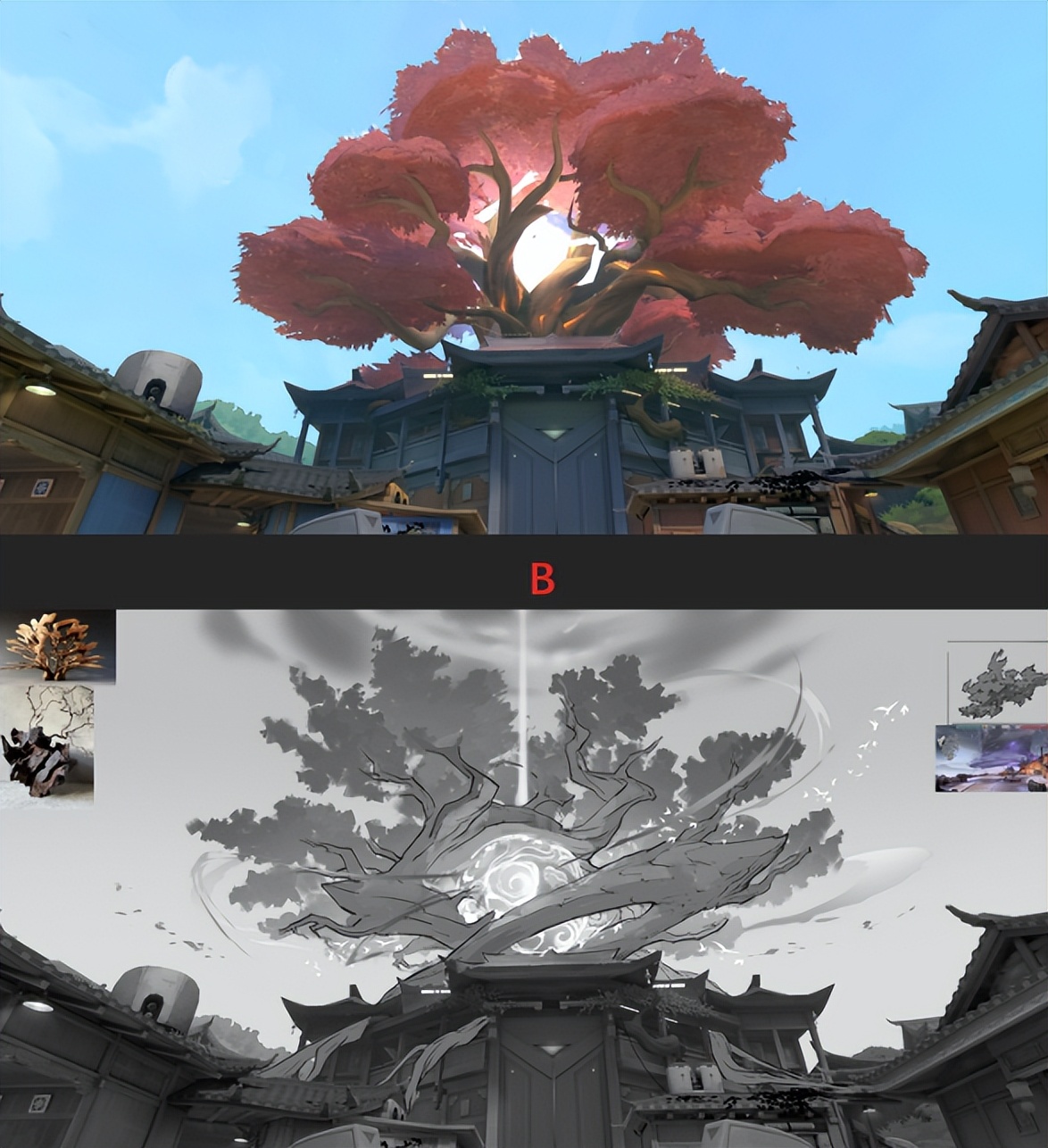
To enrich map details, the team conducted field research, replicating items like water scoops, winnowing baskets, and raincoats found in Miao villages. The towering ancient tree at the map’s center, modeled after a century-old tree embraced by several people, serves as a landmark and adds vertical depth to the scenery.
In fact, Valorant has previously explored Chinese themes. The "Celadon Dragon Rhythm" skin received widespread player praise.
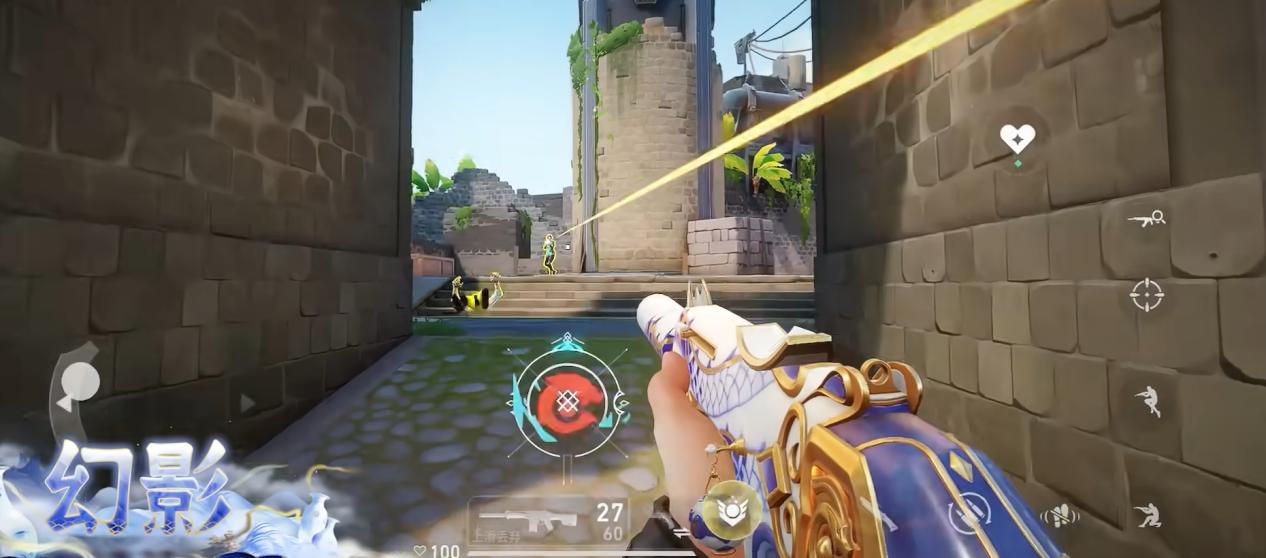
Zheng Hu revealed that a Valorant skin typically takes about 12 months to develop, with every step from weapon selection to art design refined to perfection. He also announced plans for more original Chinese-themed content, including maps and gun skins, with several projects progressing rapidly—fans of Chinese aesthetics have much to look forward to.
Breaking Boundaries: From Battlefields to Lifestyle Trends
At the event, Riot Games’ Valorant China product head Vincent left a strong impression with his remarks.
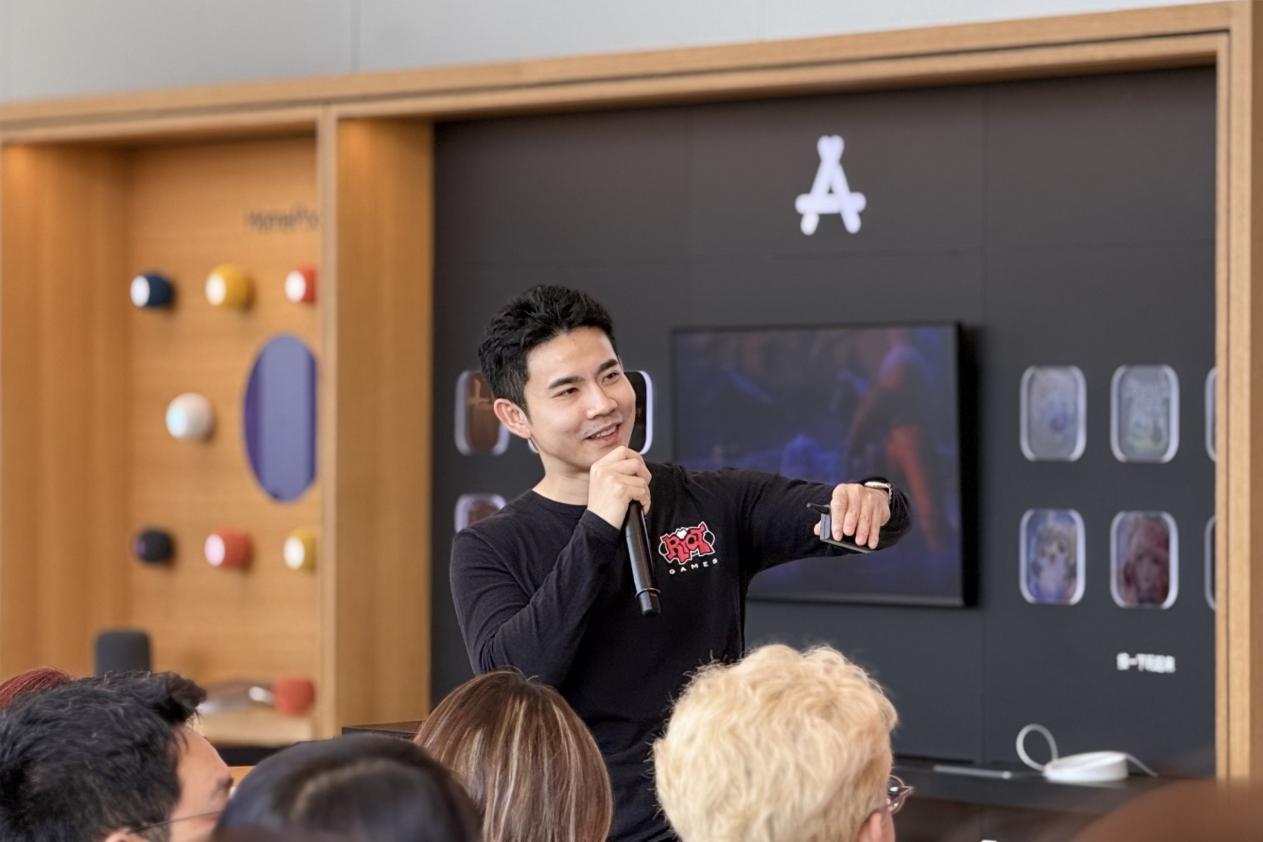
He believes Valorant was created to break platform limits and scene constraints, allowing more people to enjoy its charm anytime, anywhere.
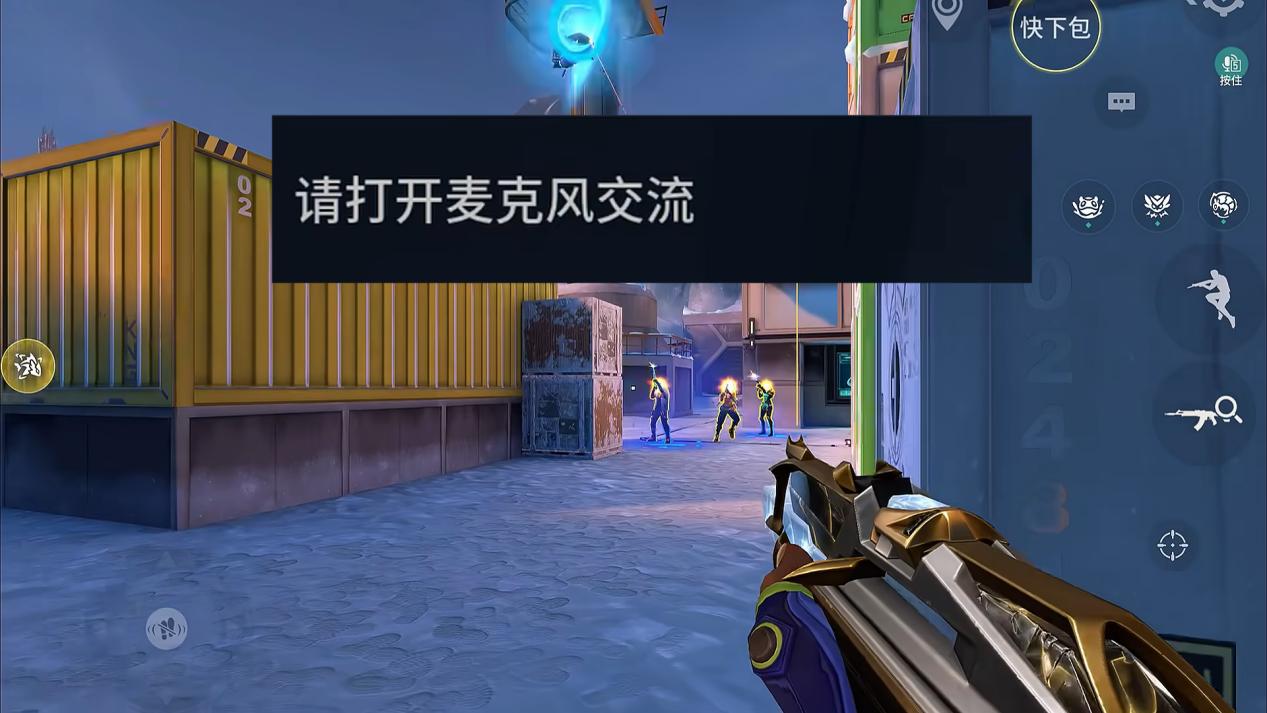
This is already evident in the upgraded online experience. Since Valorant’s release, the game’s community atmosphere has become livelier, even friends who previously said "no time" now eagerly join matches. Its "pick up and play anytime" convenience lets players enjoy shooting thrills in fragmented time, while robust in-game voice chat makes teamwork efficient and fun.

This scene-breaking extends beyond the game. Offline, Valorant’s diverse events spread its trendy aesthetics to wider audiences. From the Valorant Carnival and Valorant Show in the latter half of the year to surprise appearances at CJ and exclusive Valorant-only exhibitions, each event sweeps offline spaces with Valorant-style trends, continually raising player expectations.
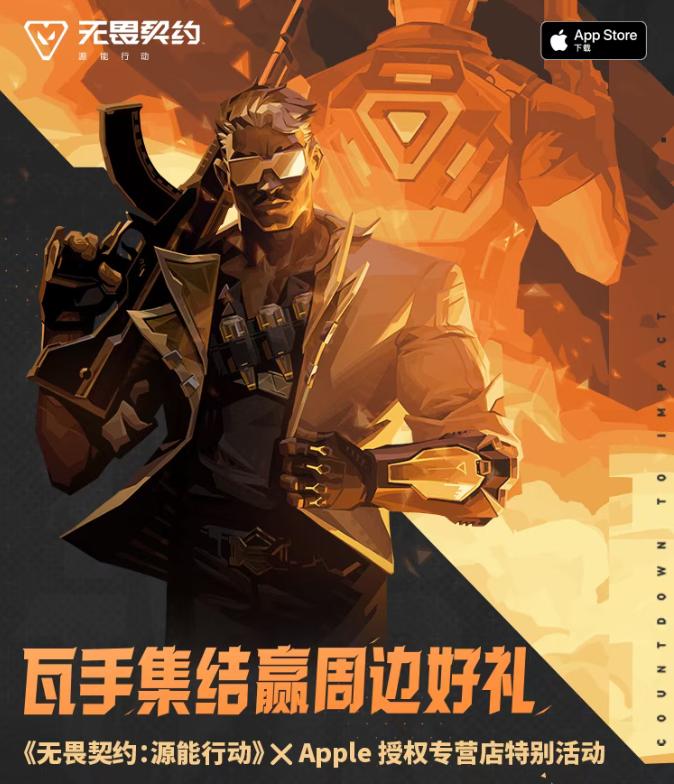
Following the success of the Today at Apple focus event "Valorant: Operation Source" competitive universe sharing, more Valorant × Apple Authorized Store offline collaborations are now underway, inviting players to experience and win exclusive game merchandise.
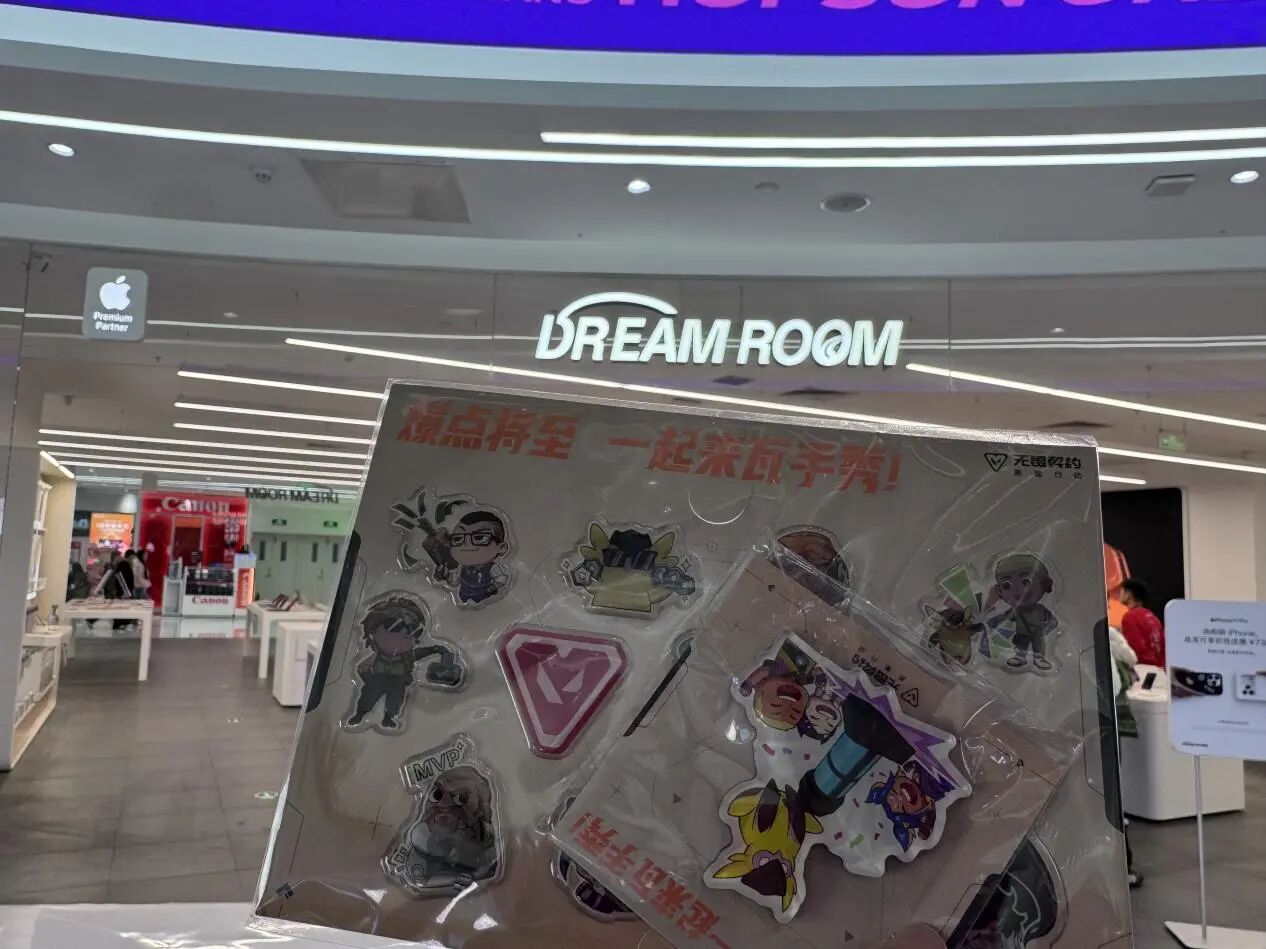
From December 24, 2025, to January 6, 2026, search "Apple Authorized Store Near You" on WeChat mini-program to find nearby stores and join offline activities! During the event, visit an authorized store to try the new version with all heroes and gun skins, take photos or videos, and post with the hashtag #ValorantAppleAuthorizedStoreOfflineCollab# on Weibo, Kuaishou, Douyin, Xiaohongshu, or Bilibili for a chance to win FRAGMENT co-branded Pea Egg plush keychains, custom fridge magnets, and other gifts.
This interaction, extending from offline experiences to online sharing, epitomizes how Valorant transcends the game itself and integrates into players’ lifestyles.
Today’s Valorant is far more than a game. As a cultural phenomenon, it deeply influences young people’s aesthetic trends. Its unique trendy art style inspires countless creators—search social media and you’ll find numerous high-quality fan works spanning illustrations, crafts, fashion transformations, and more.
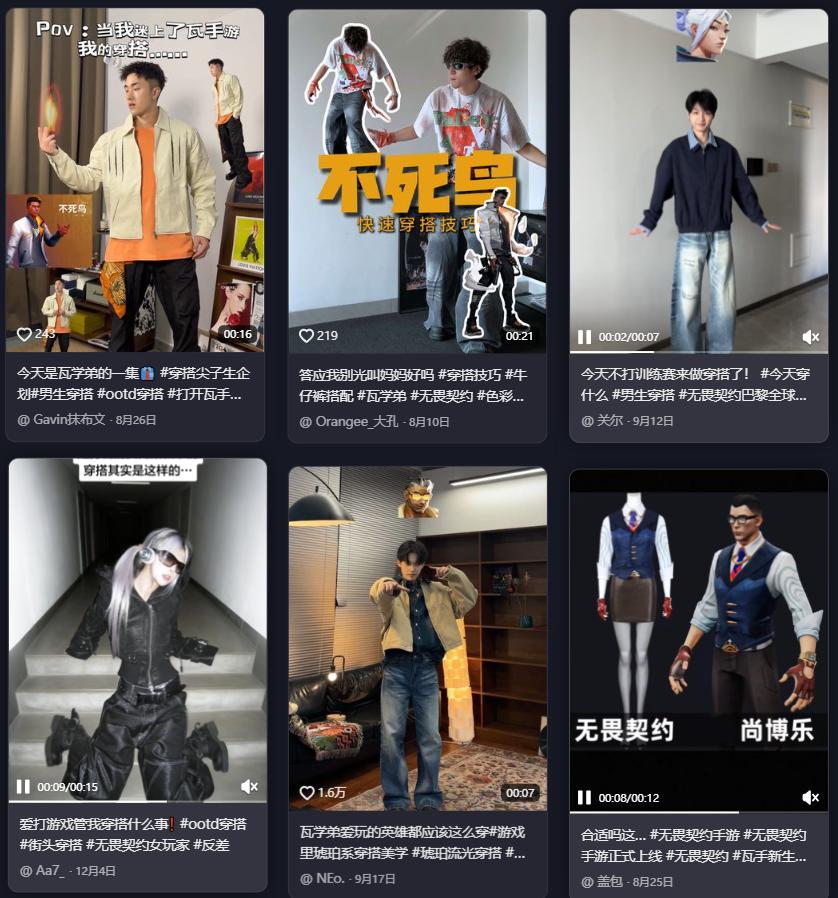
Interestingly, the in-game heroes have become "style mentors" for players. Many adopt the design concept of "complex top, simple bottom, emphasizing theme colors" for their daily outfits, with surprisingly good results.
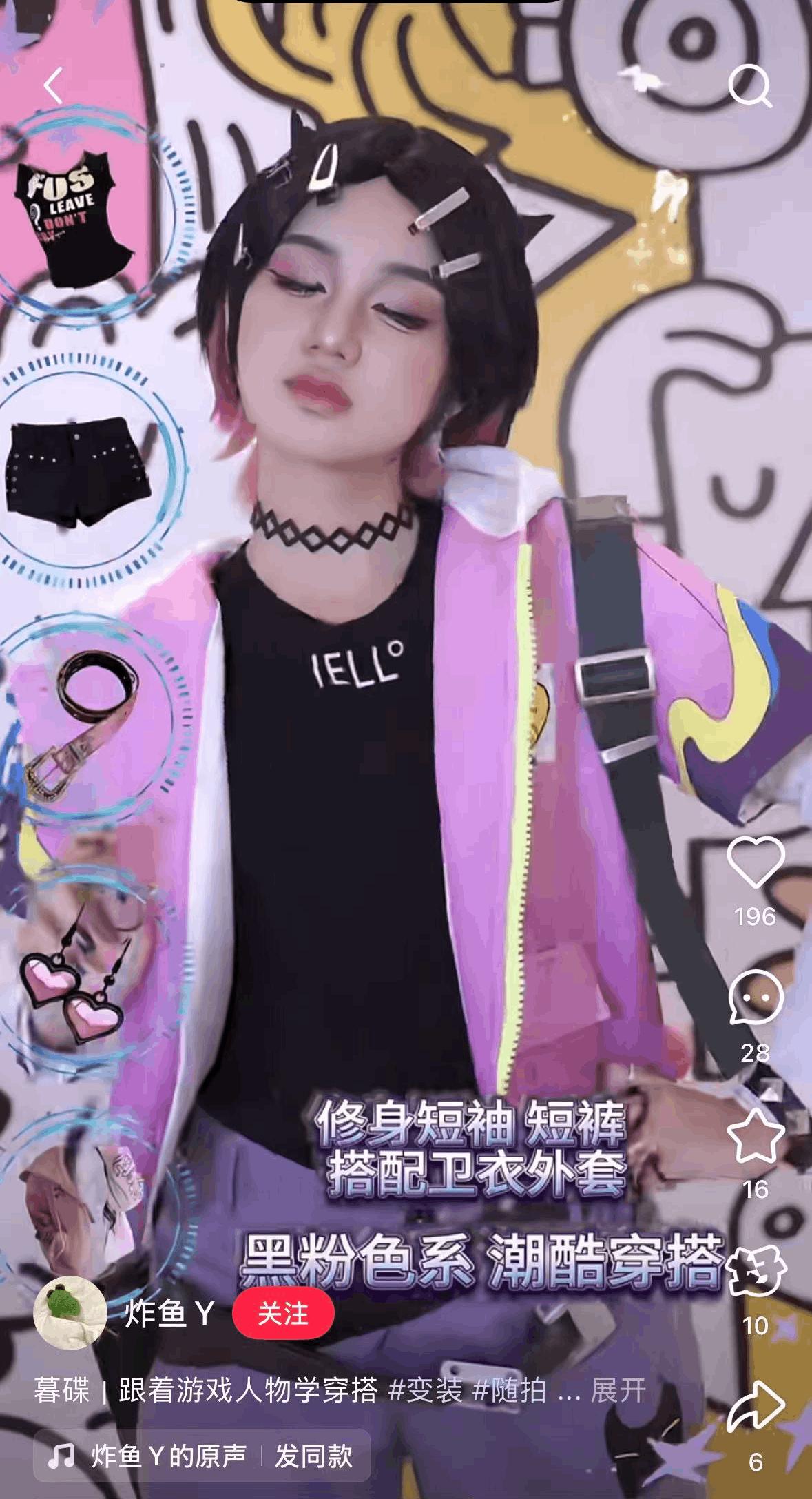
Valorant has long surpassed being just a game, becoming a wearable "fashion item." Players use game elements to express themselves, wearing Valorant aesthetics on the streets. This "real-world invasion" of game elements further spreads to broader circles, making it a highly recognizable fashion label.
This might be the true meaning of "breaking boundaries."
So, have you "played Valorant" today?

 Links
Links
 Contact
Address:UNIT 1804 SOUTH BANK TOWER, 55 UPPER GROUND,LONDON ENGLAND SE1 9E
Number:+85259695367
E-mali:icecmxtdaf@gmail.com
 App
App


