



A college player averaging only 3.3 points per game, yet he can win the Player of the Week?



The NBA Player of the Week award, though not very significant, is usually out of reach for most players. Typically, those who earn it are team stars who have led their squad to impressive performances within their division over the past week, while also posting strong personal stats.
You not only have to perform at your peak but also outperform other stars, which is why Jamal Murray, a well-known player, only earned his first Player of the Week this season. Surprisingly, his teammate Peyton Watson has also managed to claim this honor this season.
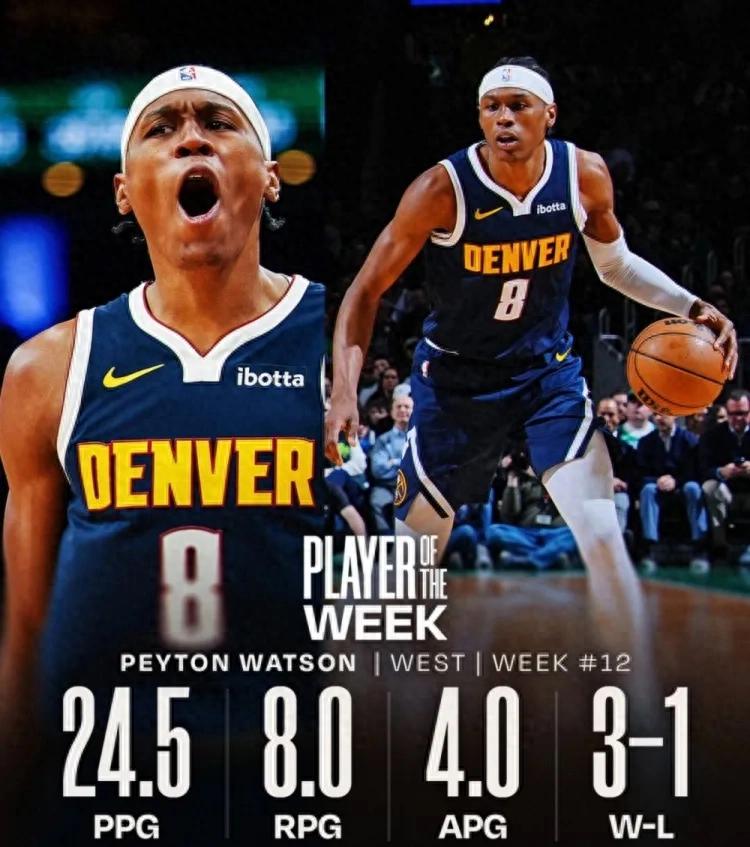
Last week, the Player of the Week honors went to Watson from the West and Barnes from the East. Over the past four games, Watson led the Nuggets to a 3-1 record, averaging 24.5 points and 8 rebounds per game, with an astonishing 70% three-point shooting percentage.
It’s no exaggeration to say Watson led the Nuggets; everyone knows Jokic has been injured, and Murray played only one of the last four games. Among the many injured key players, only Gordon has recently returned and performed decently, while Watson clearly stood out as the team's brightest star.
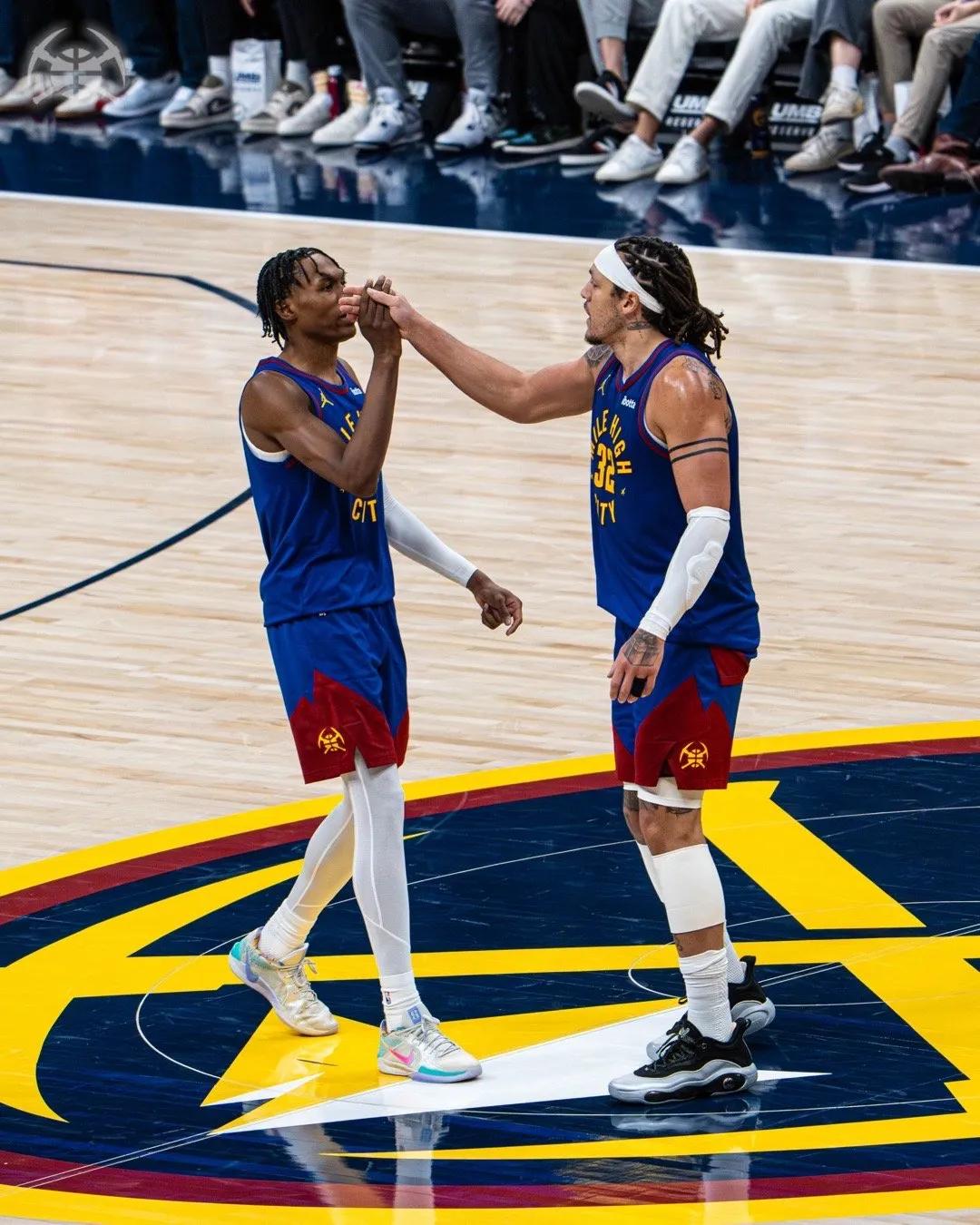
Since Jokic’s injury, in the last seven games, Watson has averaged 23.7 points, 7 rebounds, 3 assists, 1.1 steals, and 1.1 blocks per game, shooting 48% from the field and 46% from three. Many expected the Nuggets to struggle without Jokic, but they surprisingly won 4 of those 7 games, beating strong teams like the Raptors, 76ers, Celtics, and Bucks.
Most players who make it to the NBA can score high if given enough shot attempts, but high volume scoring is one thing—being able to carry the ball and manage possessions is another. Watson has proven during this period that he can handle significant ball responsibility.
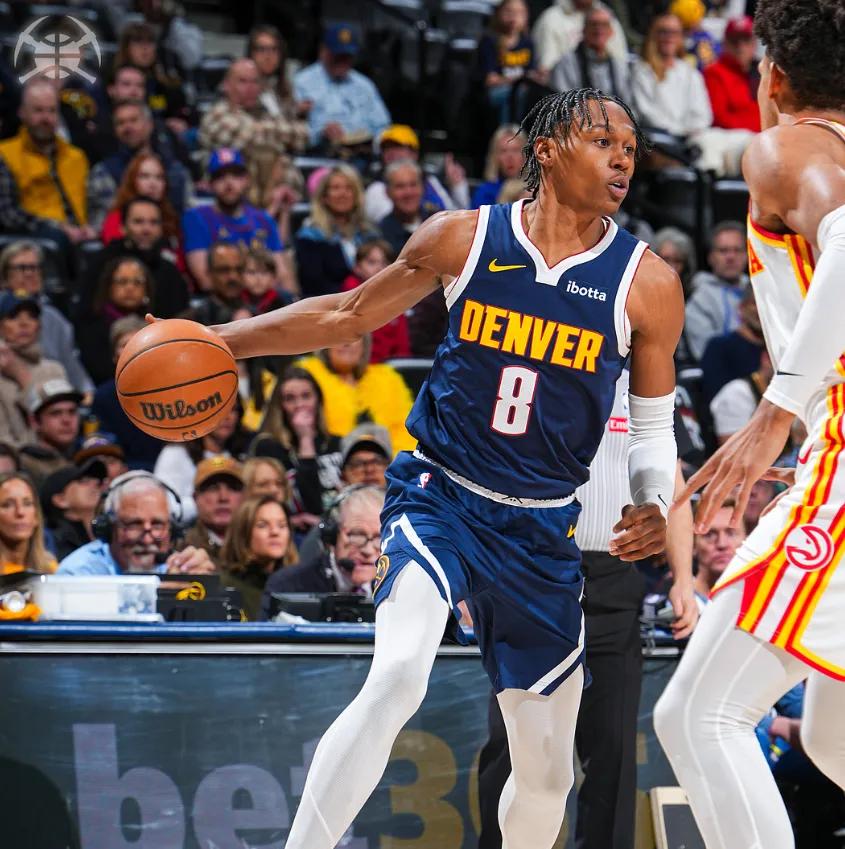
He delivered the best three-point shooting of his career, hitting 6 of 7 against the Celtics and 4 of 6 against the Bucks yesterday. Beyond scoring, he even managed to drive into defenses and dish out some assists. His ball-handling skills have improved dramatically in a short time, which is truly remarkable.
In recent years, Watson’s role on the Nuggets was mainly as a defensive wing, with offensive contributions limited to hitting open threes, cutting to the basket, and spot-up jumpers. Fans never expected him to handle the ball much.
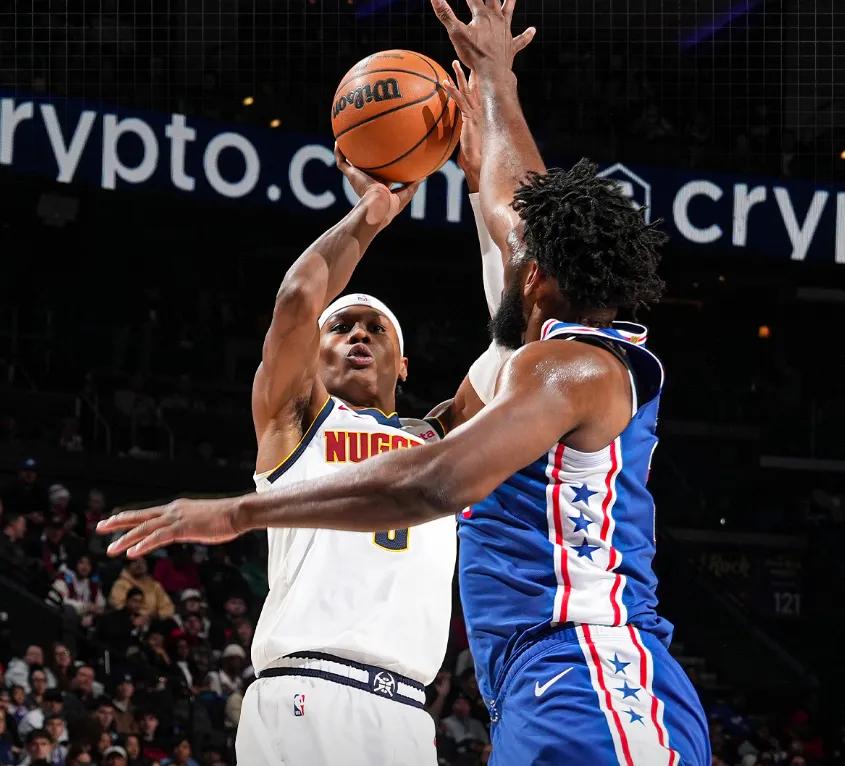
However, with most ball handlers injured, Watson was forced to take on some ball-handling duties, and he actually developed those skills. While his dribbling still has room for improvement, combined with his elite finishing at the rim, Watson has evolved into a versatile forward who can play both inside and outside.
Of course, the most astonishing part is his three-point shooting. In his first three years, Watson was never a reliable three-point shooter. It was only last season that he began to consistently make some threes, but with just 0.7 attempts per game, he was not considered a threat from beyond the arc.
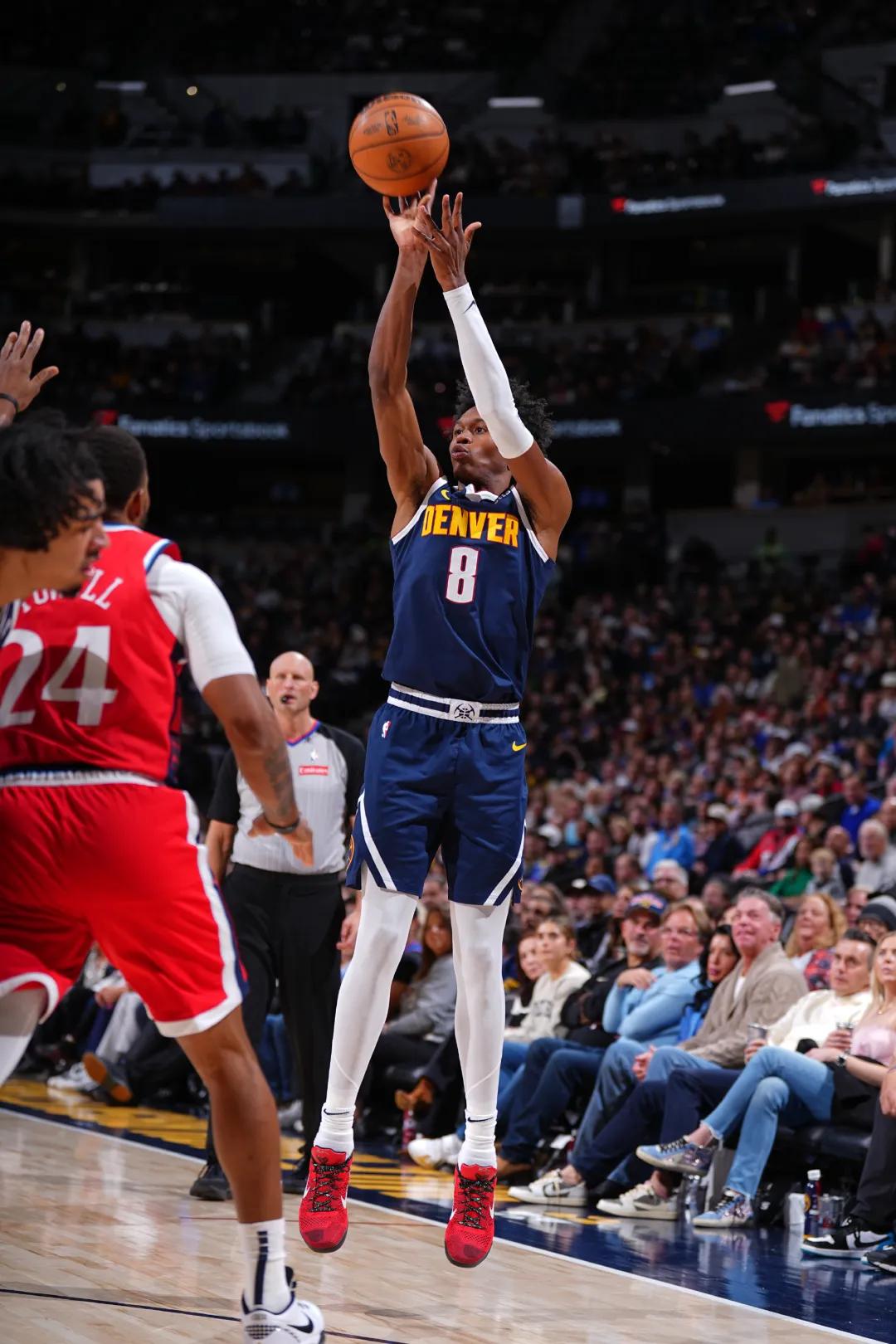
This season, with Braun injured early on, Watson got many opportunities alongside Jokic and showed solid three-point shooting. As the Nuggets faced more injuries and Watson’s ball usage increased, he started shooting even more threes. So far this season, he averages 3.3 attempts per game, making 1.4, with an impressive 41.3% three-point percentage.
You could say Watson has shed the label of a raw player. At UCLA, he averaged only 3.3 points, 2.9 rebounds, and 0.8 assists in limited minutes, shooting just 32.2%. Thanks to his excellent physical attributes, he was picked 30th in the first round as a lottery ticket by the Nuggets, and his rookie season scoring average was also only 3.3 points.
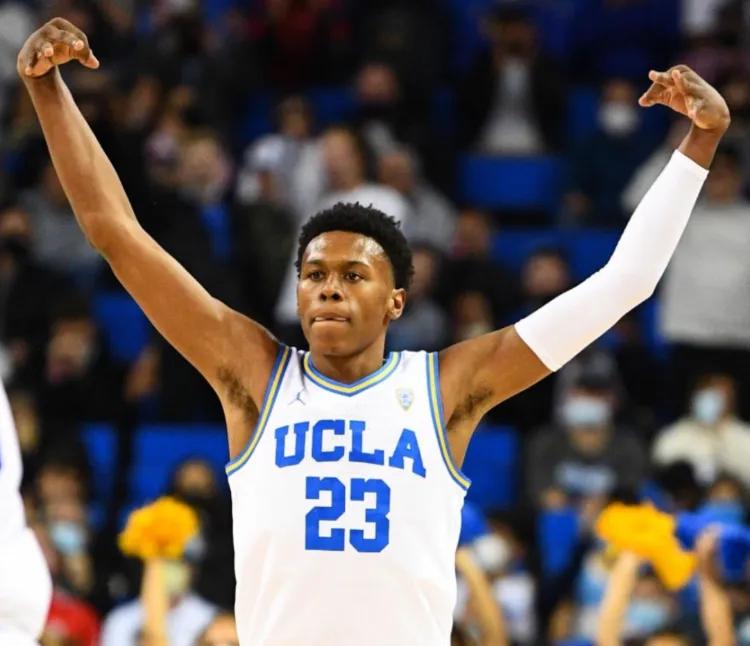
In his first three years, he secured a rotation spot mainly through defense and energy, using suffocating perimeter defense. Now, with his offensive skills developing, Watson has become a promising two-way forward. He is likely to become a valuable asset and a good problem for the Nuggets to manage.
Last offseason, the Nuggets gave Braun a five-year, $125 million contract extension. However, this season he has played only 14 games due to injury, averaging 9.5 points with a three-point shooting percentage of just 21.2%. Braun and Watson are from the same draft class and have a competitive relationship; Braun was clearly the superior player in the first three years, earning that big contract.
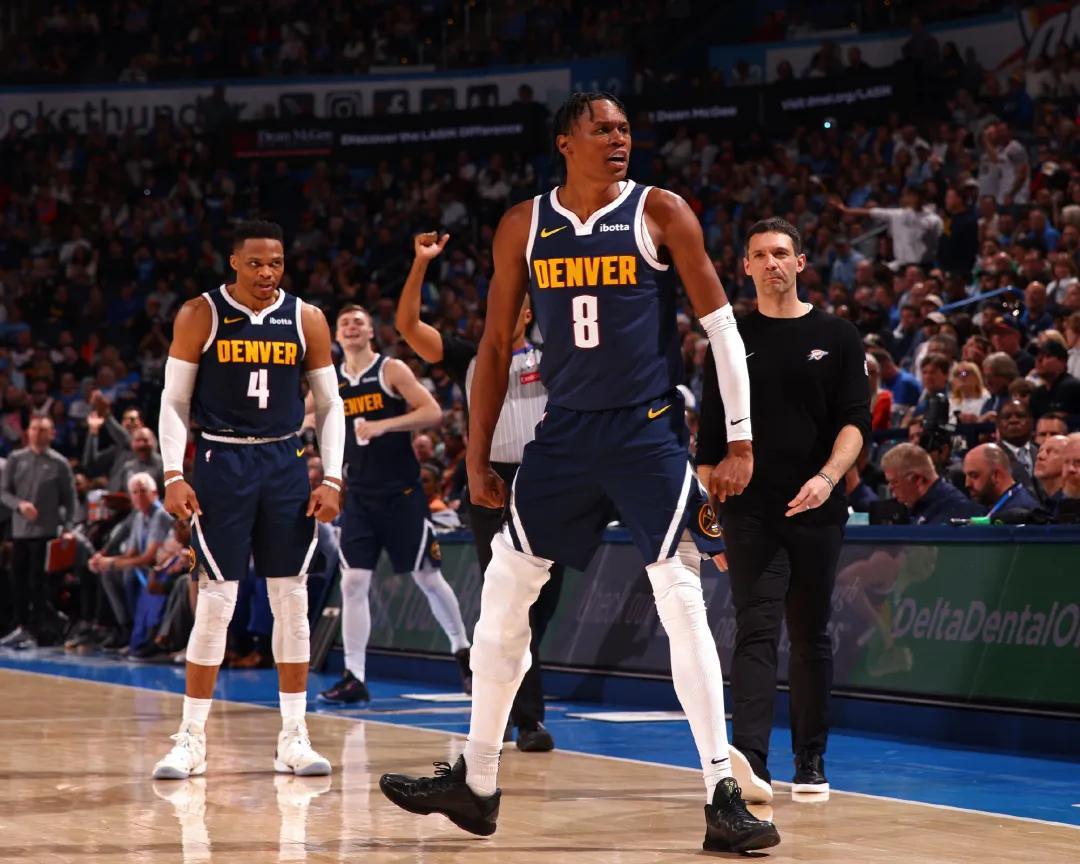
But unexpectedly, Braun has shown signs of decline since signing the deal, and his five-year contract has yet to fully begin. Meanwhile, Watson, who is in his contract year, has stepped up his game, forcing the Nuggets to address his contract situation this offseason.
The Nuggets’ salary cap space remains very tight. With Braun’s contract kicking in next season, if they re-sign Watson, the team will almost certainly exceed the luxury tax threshold, making it nearly impossible to keep both Braun and Watson.
If the Nuggets’ management is bold enough, they might explore Watson’s trade market before the deadline. However, trading a player who is currently performing so well would conflict with the team’s championship ambitions.
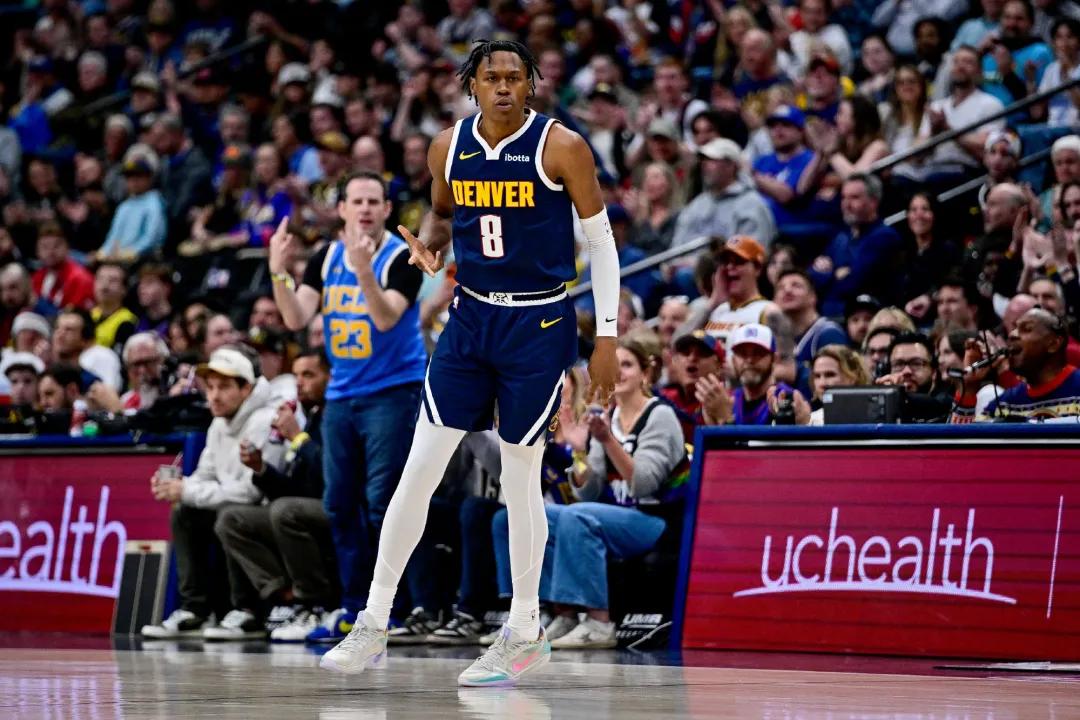
With Watson’s sudden breakout and the team’s strong depth, this year might truly be the Nuggets’ best shot at a title.


Wonderfulshortvideo
User pandatv has posted a video.


 Links
Links
 Contact
Address:UNIT 1804 SOUTH BANK TOWER, 55 UPPER GROUND,LONDON ENGLAND SE1 9E
Number:+85259695367
E-mali:icecmxtdaf@gmail.com
 App
App


