



Why is Trae Young being sold for such a low price? NBA experts say: He is in a team sport but used to playing solo.


On January 8th Beijing time, a four-time All-Star who led his team to the 2021 Eastern Conference Finals and made the All-NBA team. Trae Young, considered the most potent offensive force in Hawks history, ended up being exchanged solely for an expiring contract (McCollum) and a reserve wing player (Kessler), without any draft picks involved. Why was his trade value so low? NBA analyst Hollinger provided an explanation—
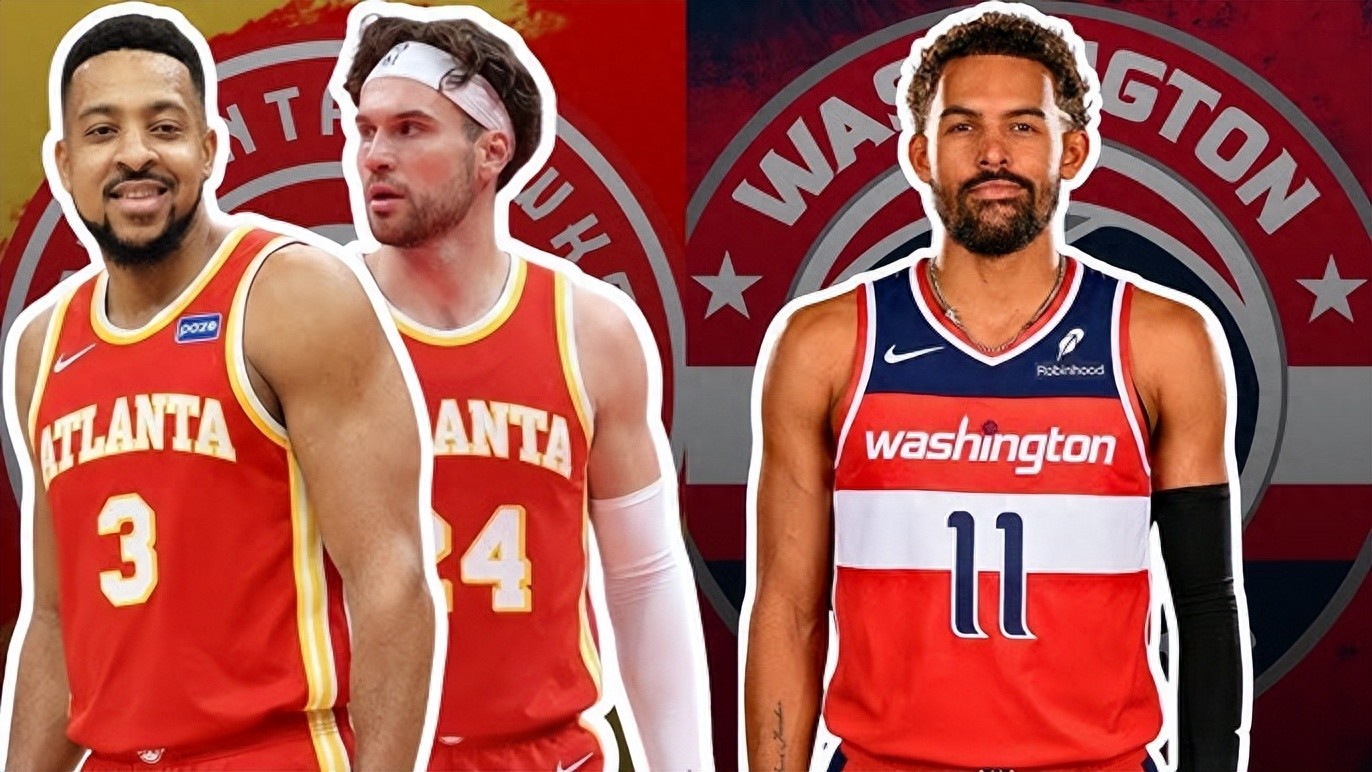
In short, this was purely a salary-clearing move. For a player earning a max contract, this outcome is undoubtedly disappointing. But it was predictable; the partnership had clearly run its course. Since their dream season reaching the Eastern Conference Finals in 2021, the Hawks have made the play-in tournament four consecutive years, and this season will likely continue that streak.
However, even when the Hawks tried to break up the unproductive duo of Trae Young and Dejounte Murray, no team in the league was willing to offer significant assets for Young. While he remains one of the most dynamic offensive leaders, other teams’ interest in him has always been lukewarm.
To understand why, we can look back to a detail before the 2018 NBA Draft, which several teams had already noticed.
During the live reveal of the NCAA tournament bracket that year, Young’s Oklahoma team was on the bubble, and the cameras followed them closely. When the team secured a spot, all the players stood up to celebrate together—except Young. Of course, he was happy, but unlike the others, his teammates gathered around him rather than celebrating alongside him, a scene that caught many eyes.

Before the draft, scouts described Young as:He’s not a bad person, but in scouting terms, he’s called a “tennis player” — someone who plays a team sport but prefers to operate solo.As a top-tier passer, he was frequently labeled “selfish.” Critics argued he was more interested in padding assist stats, rarely giving full effort on defense, and often failing to maintain even basic defensive positioning.
Additionally, over the past two seasons, Young’s explosiveness has declined, making it easier for opponents to switch on pick-and-rolls and disrupt his alley-oop passes; he also struggles to finish threatening floaters at full speed when he can’t fully penetrate to the rim, increasingly relying on long-range three-pointers on offense.
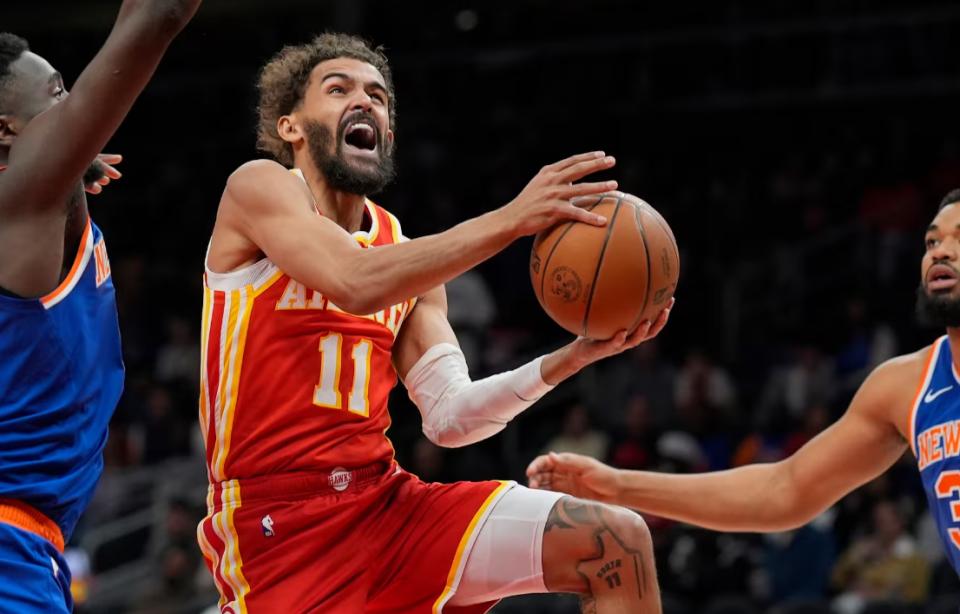
From a contract perspective, the Wizards were willing to take a risk because Young’s $49 million salary wouldn’t strain their finances. Young is still a highly effective offensive engine, far surpassing any player on the Wizards (who rank 27th in offensive efficiency). There is reason to believe the 27-year-old still has room to grow. The Wizards’ rebuild plan aims for a more competitive team next season, and having a true starting point guard will greatly help achieve that. Second-year player Sarr is an excellent rim protector and finisher on the roll, making him a good fit alongside Young.
Now that Trae Young is in a new environment, can he prove himself? Let’s wait and see.


Wonderfulshortvideo
Coop makes history 😱


Steph & LaMelo shot the lights out 🤩
What a
Luka & LeBron led the @Lakers to a win, combining for 73-pts on the night 🤩
Steph’s range is insane 😳 (via bry.p.c/IG)
🏆 Clarkson coming in CLUTCH 🏆
Short… SIKE
 Links
Links
 Contact
Address:UNIT 1804 SOUTH BANK TOWER, 55 UPPER GROUND,LONDON ENGLAND SE1 9E
Number:+85259695367
E-mali:icecmxtdaf@gmail.com
 App
App


