



Controversy Surrounds NBA's 65-Game Award Eligibility Rule: Born from Financial Motives, Could It Also Be Abolished for Money?



On January 1st Beijing time, the NBA's 65-game eligibility rule has recently stirred significant controversy. CBS Sports, a well-known American media source, provided an interpretation, viewing that this rule, which was established because of financial interests, could potentially be discarded for financial reasons as well. Below is CBS’s in-depth explanation—
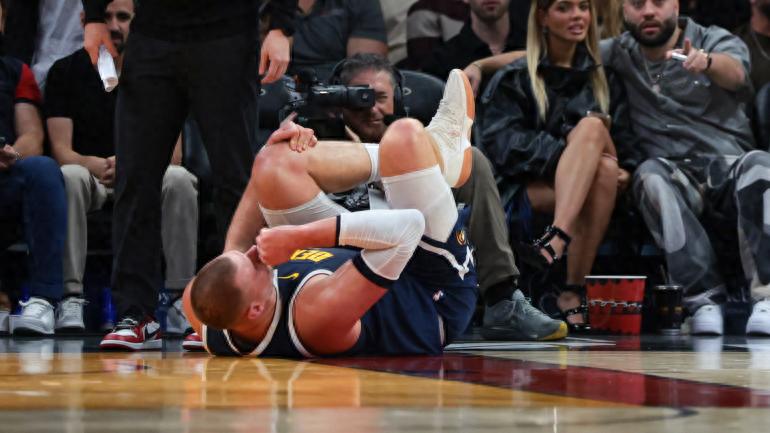
Jokic’s hyperextension injury to his knee almost prematurely ended his pursuit of the MVP award. In any rational scenario, this is an undisputed fact. Previously, Alexander was locked in a tight MVP competition with him. When two players perform at similar levels, and one misses a month or more due to injury, the other should logically win the award—this shouldn’t require a formal rule to clarify.
However, the NBA specifically introduced such a rule. In 2023, the NBA officially implemented a 65-game attendance threshold, requiring players to meet this criterion to qualify for major end-of-season awards.Even without this rule, Jokic’s injury would have almost certainly ruled him out of the MVP race, but his missed games might exceed the eligibility line, causing this essentially meaningless rule to attract widespread attention.History has long shown that players who miss extended time rarely win awards.

Looking through NBA history, only five players have won MVP while playing fewer than 65 games, four of whom did so during shortened seasons: Karl Malone played 49 of 50 games in 1999, LeBron James played 62 of 66 games in 2012, Giannis Antetokounmpo played 63 of 73 games in 2020, and Bob Cousy played 64 of 72 games in 1958. The only player to win MVP playing fewer than 65 games in a full 82-game season was Bill Walton in 1978, who earned the award after playing just 58 games. On the night he was injured, his Trail Blazers held a 50-10 record, one of the best regular-season teams in league history at that time. We should trust voters to make reasonable judgments based on context; such exceptions don’t need explicit rules.
Rudy Gobert’s 2018 Defensive Player of the Year award after playing only 56 games was controversial, but that award is less affected by game attendance. Kawhi Leonard and Jaren Jackson Jr. also won awards despite playing fewer than 65 games, but their absences were not extreme—Leonard played 64 games in 2015, including a streak of 41 consecutive games, and Jackson played 63 games, potentially able to reach 64 if the Grizzlies had needed him for the season finale. In the full 82-game seasons, only Roy and Ewing won Rookie of the Year honors playing fewer than 65 games, showing how rare this is.
The only real impact of the 65-game rule: All-NBA team selections
The 65-game attendance threshold has a significant effect only on All-NBA team selections. Between the lockout-shortened 2011-12 season and the introduction of the 65-game rule, the NBA completed nine full 82-game seasons. During this period, 135 All-NBA team slots were awarded, with 18 (about 13%) going to players who played fewer than 65 games. Notably, half of these were concentrated in the two seasons before the rule’s implementation: four players in 2021-22 and five in 2022-23, with the rule becoming official just a year later.
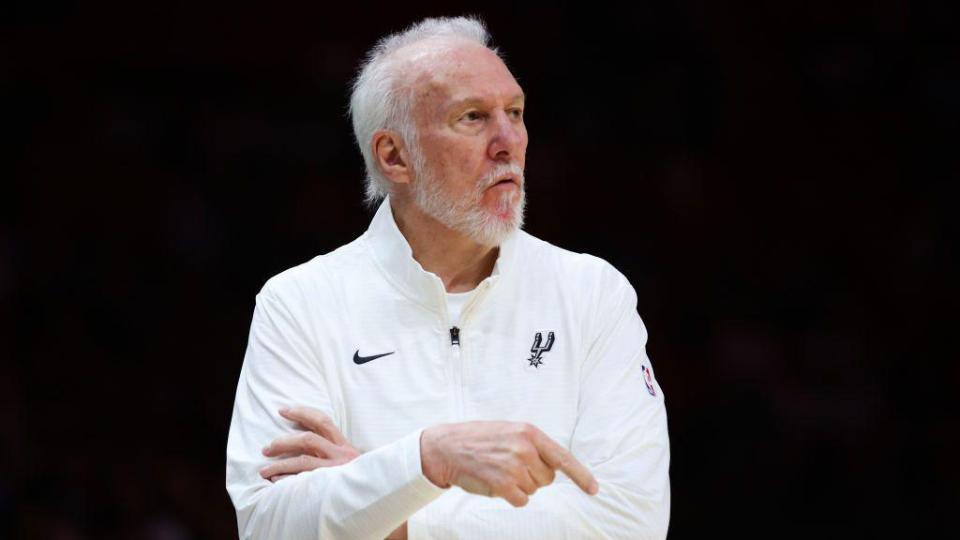
Several key moments occurred during this timeframe. Around the 2012-13 season, the term “load management” became mainstream in the NBA. In November 2012, Spurs coach Popovich rested four starters during a nationally televised game against the Heat to give them rest, sparking widespread debate about load management. Ostensibly, the 65-game rule was designed to limit load management, theoretically deterring players from sitting out games for rest.
At the same time, evidence shows voters have increasingly recognized injured or rested players. From the 1999 lockout through the 2011 lockout, the league had 12 full 82-game seasons, awarding 180 All-NBA slots, with only seven (less than 4%) going to players with fewer than 65 games played.
The real motivation behind the rule: TV broadcast contracts
Another crucial point is that the NBA’s previous national media broadcast deal expired after the 2024-25 season, with negotiations for a new contract beginning years earlier. The 2023-24 season was a key negotiation period. Consider what happened in 2023-24: the 65-game rule was officially passed. In the two seasons before the rule, nine of 30 All-NBA slots were awarded to frequently absent players.
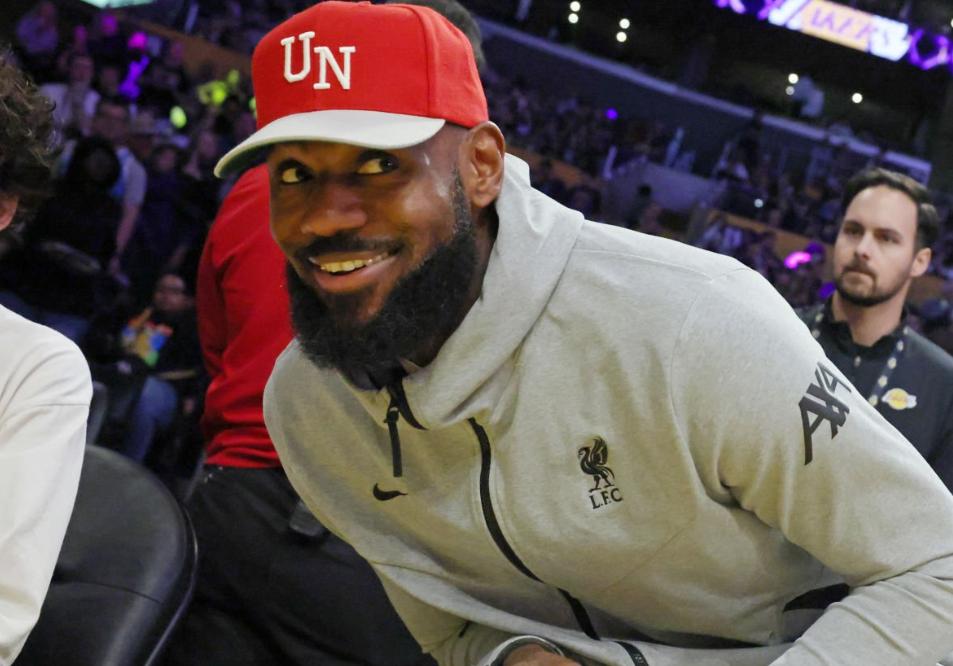
The connection is clear. The true motivation behind the 65-game rule has nothing to do with preserving award fairness; it aims to quell negative publicity around “load management” and assure potential new TV partners that if they invest in the league, they will see its top players on screen. After all, if you pay to broadcast LeBron James’s games, you want to see him play most of the time.
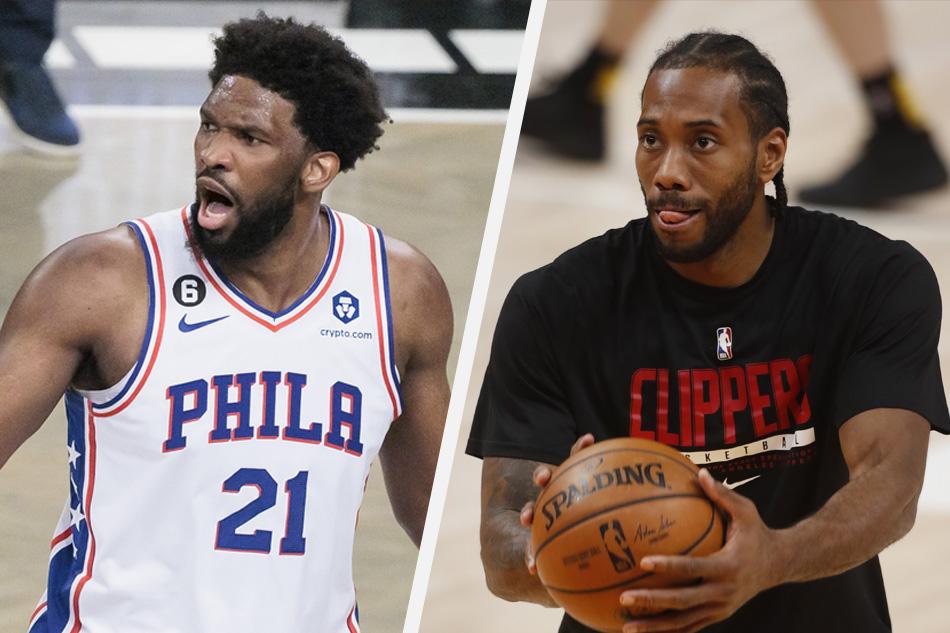
The problem is that LeBron is no longer young. Many players who made All-NBA teams despite playing fewer than 65 games are nearing the end of their careers. Among the 18 players named to All-NBA teams from 2013 to 2023 who played fewer than 65 games, the average age was just under 30, lowered by younger players like Embiid (23 and 24 years old when selected) and Leonard (27), both suffering degenerative injuries and never fully recovered. Morant, selected at 22, has also struggled with injuries. In other words, this list mostly consists of veterans and injury-prone players.
The value of load management: Extending players’ careers
In the past, veteran and injury-prone players inevitably declined, but today’s medical advances are far superior. Previously, players like Embiid and Leonard, who suffered serious injuries in their early 20s, might never have returned to All-NBA level form, but they have, and load management is at least partly responsible for helping them maintain their performance.
Historically, there have been 15 instances of players aged 36 or older making All-NBA teams, with only three occurring in the 20th century. LeBron alone accounts for four of these. Expanding to players 35 and older, there have been 30 such selections, nearly half (14) occurring during the load management era.
So, is this an anomaly of injury-prone players clustering in All-NBA selections, or are veterans maintaining peak form longer than before? Voters’ choices reflect a common belief: even if LeBron or Curry occasionally rest or decline, their value may still surpass that of a younger player with higher attendance.
For these players, winning another All-NBA honor doesn’t influence their decisions. Frankly, LeBron probably can’t even recall how many times he’s been selected (21 times, which is more than half his life). He focuses on doing everything possible to stay in shape, extend his career, and remain healthy during crucial playoff periods. Injury-prone players feel the same; you can’t force Leonard to play when he feels unfit.
The victims of the rule: Young players and teams
The real group affected by All-NBA eligibility is young players—not because of the honor itself but due to the financial implications. The NBA seems to distrust voters to choose injured players but trusts them to influence player salaries.
According to league rules, if a player makes an All-NBA team in the final year of their contract or twice in the last three seasons, they qualify for a higher maximum salary:
Players with less than six years of experience can raise their salary cap from 25% to 30%.
Players with 7 to 9 years of experience can increase their cap from 30% to 35%.
While there are other ways to earn this status, MVP and Defensive Player of the Year winners usually make All-NBA teams, so players know All-NBA selection is key to securing top pay. However, chasing this benefit can expose players and teams to real risks.
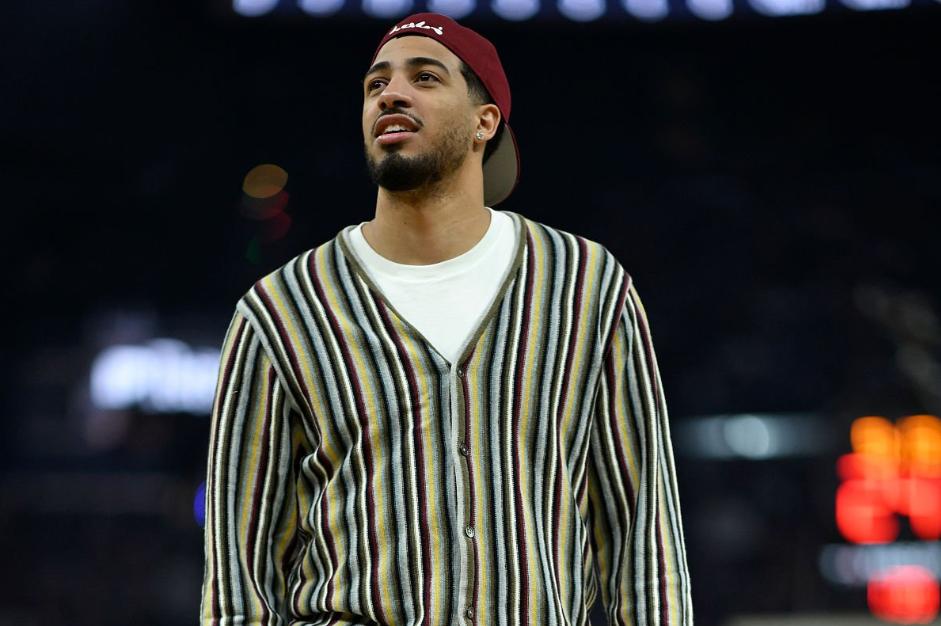
Take Haliburton as an example. In the 2023-24 season, he played 33 of the Pacers’ first 36 games, performing at an MVP level with nearly 24 points and 13 assists per game, shooting percentages near the “180 club” (50%-40%-90%). Then he suffered a hamstring injury, missing five games, returned for one, then missed another five. He played the rest of the season without absence, barely reaching 69 games to qualify for All-NBA consideration. However, his post-injury performance dropped significantly, averaging only 16.8 points and 9.3 assists with a sharp decline in shooting efficiency.
Thanks to his strong start, Haliburton was named to the All-NBA Third Team and earned a 30% max salary contract. But clearly, he rushed back before fully recovering. In an interview with Reddick, Haliburton indirectly admitted this. When Reddick mentioned his “$53 million motivation to return,” the Pacers’ key guard acknowledged that without the 65-game rule, he might have made different rehab decisions.
Some injuries have lasting effects, and rushing back can worsen them. Should we really encourage players to make such choices?
This criticism targets not only the 65-game rule but also the salary-linked All-NBA selection system, though they are closely connected in this case. Players now have a clear target to meet.
Negative impact of the rule: Diluting the value of All-NBA selections
Conversely, this rule benefits players who have never been injured. Theoretically, All-NBA teams recognize the 15 best performers in a season. Usually, these top 15 players are the ones teams are willing to pay huge contracts to, but situations vary.
If the 65-game rule excludes many top players in a season, the All-NBA team becomes not the “top 15 in the league” but “15 out of the top 19,” “15 out of the top 22,” or even “15 out of the top 26.” Consequently, some players undeserving of the honor receive it, causing a range of problems.
Clearly, teams might pay high salaries to players not worthy of super max contracts, damaging competitiveness long-term; meanwhile, qualified players may demand undeserved pay, straining relationships if teams refuse. No player wants to hear they don’t deserve a super max. Without the 65-game threshold, better players would be selected, giving teams a valid excuse: “We want to offer you a super max, but you don’t meet eligibility, so it’s impossible.”
The rule’s endgame: Money rules all
Some fans complain that the 65-game rule controversy only exists because Jokic lost a chance at a fourth MVP. But in reality, this has nothing to do with Jokic himself. With or without the rule, his injury cleared the path for Alexander to win MVP. Unless Alexander also gets injured, the 65-game rule hardly affects MVP outcomes.
This rule has almost never changed MVP results; it’s never been about the trophy—it’s always been about money.Perhaps the issue will only be resolved when the NBA admits this is a flawed rule and abolishes it. Now that a new TV broadcast deal is finalized, perhaps some owners harmed by unreasonable super max contracts caused by this rule will take action.
Of course, if voters can reasonably evaluate injured players based on each season’s circumstances, that would be ideal, since NBA history matters deeply to fans. But for league stakeholders, money is paramount, and the financial impact of this rule is far greater than most admit.Since money created this rule, perhaps only money can abolish it.


Wonderfulshortvideo
Steph & LaMelo shot the lights out 🤩


Wemby’s reach is insane 🤯
Just another shot that ONLY Steph could make 😭🤦
Julian Champagnie sets Spurs franchise record for 3PM, he has 11 and counting….‼️
Watch the crowd erupt over Julian Champagnie’s 11th 3PM, a new Spurs franchise record ❗️
Steph steps back, knocks down the tough 3 through contact for the 4pt play 👏
Nah this was too tough 🙂↔️
 Links
Links
 Contact
Address:UNIT 1804 SOUTH BANK TOWER, 55 UPPER GROUND,LONDON ENGLAND SE1 9E
Number:+85259695367
E-mali:icecmxtdaf@gmail.com
 App
App


