



Even for Jokic, games like this are quite rare.


It’s truly rare to witness such a performance in the NBA, occurring maybe once every few years.
In yesterday’s overtime win over the Timberwolves, Jokic logged 43 minutes, shooting 15 of 21, hitting 4 of 6 from beyond the arc, and converting 22 of 23 free throws, scoring 56 points with 16 rebounds, 15 assists, and 2 blocks. This is only the second time in NBA history that a player has posted 50+ points, 15+ rebounds, and 15+ assists, the previous being Harden in 2016. These numbers are almost impossible to replicate even in video games.
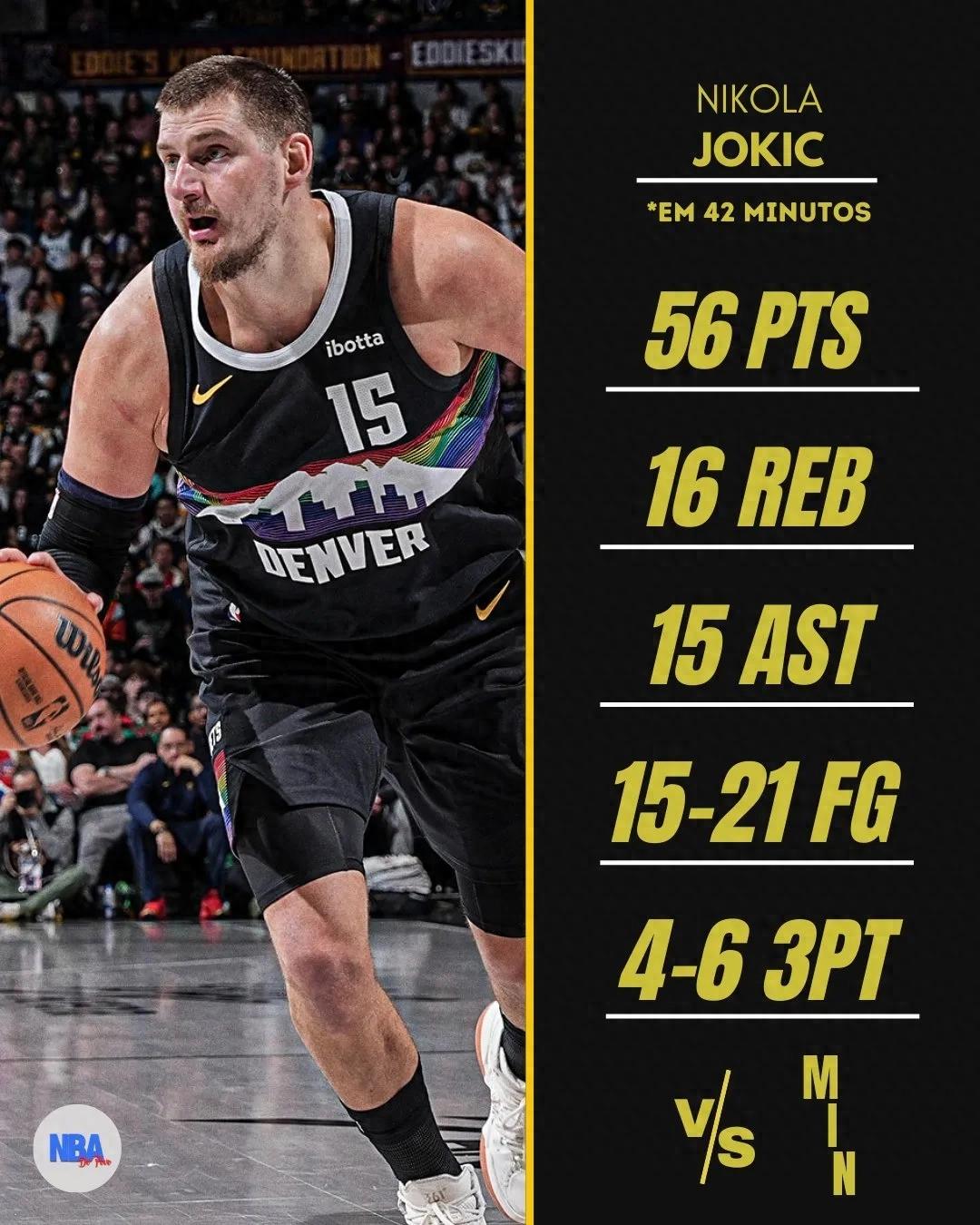
If a player scores 50+ points in a game, he is a superstar scorer; if he grabs 15+ rebounds, he is an excellent rebounder; if he dishes out 15+ assists, he is a selfless playmaker with elite court vision. And if a player manages to achieve all three in one game, he is undeniably the best player in the world at that moment.
With three starters missing, Jokic and Murray had to put in extra effort and focus to win, and indeed they did. Facing their old rival, the Timberwolves, who were riding a three-game winning streak after beating the Thunder and Knicks, Jokic and Murray combined for 91 points and 25 assists — the first time in history a duo has achieved such numbers.
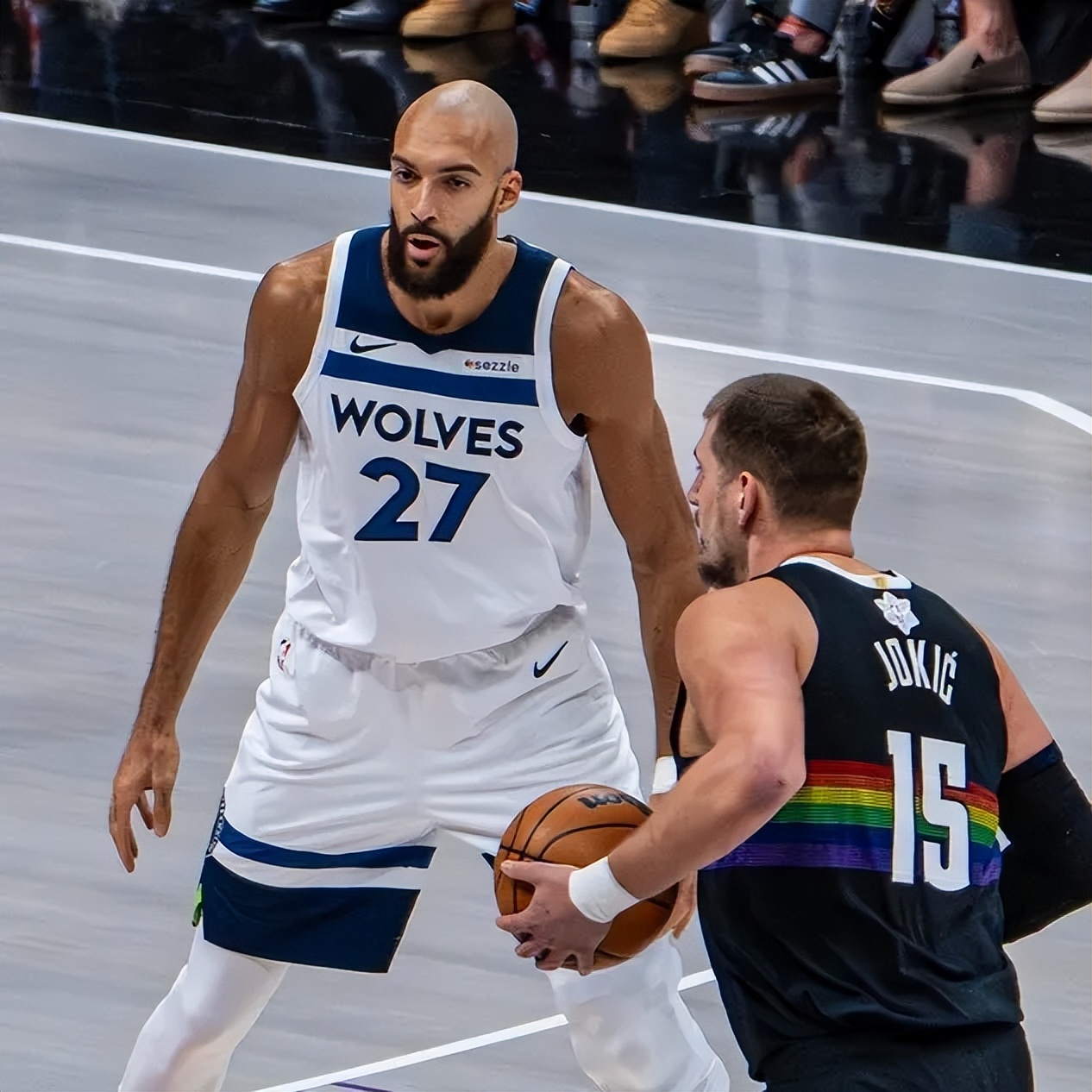
As expected, Jokic dominated inside against Randle and Gobert. The Timberwolves tried to defend Jokic by having Randle guard him and Gobert provide help defense. Jokic used his footwork to get past Randle, not relying on pure speed but by reading the defender’s positioning and exploiting timing differences — truly playing with his mind.
When driving to the basket, Jokic faced Gobert’s outstretched arms but didn’t force a shot; instead, he floated a soft layup to secure the two points. In the second and third quarters, when his energy was still high and he took on the traditional center’s tough tasks, Jokic proved he’s also the league’s best blue-collar center.
His solid screens, reliable rebounding, and playmaking are his trademarks. In most Nuggets games, Jokic can lead the team to victory relying on these skills alone, though yesterday’s game demanded even more.
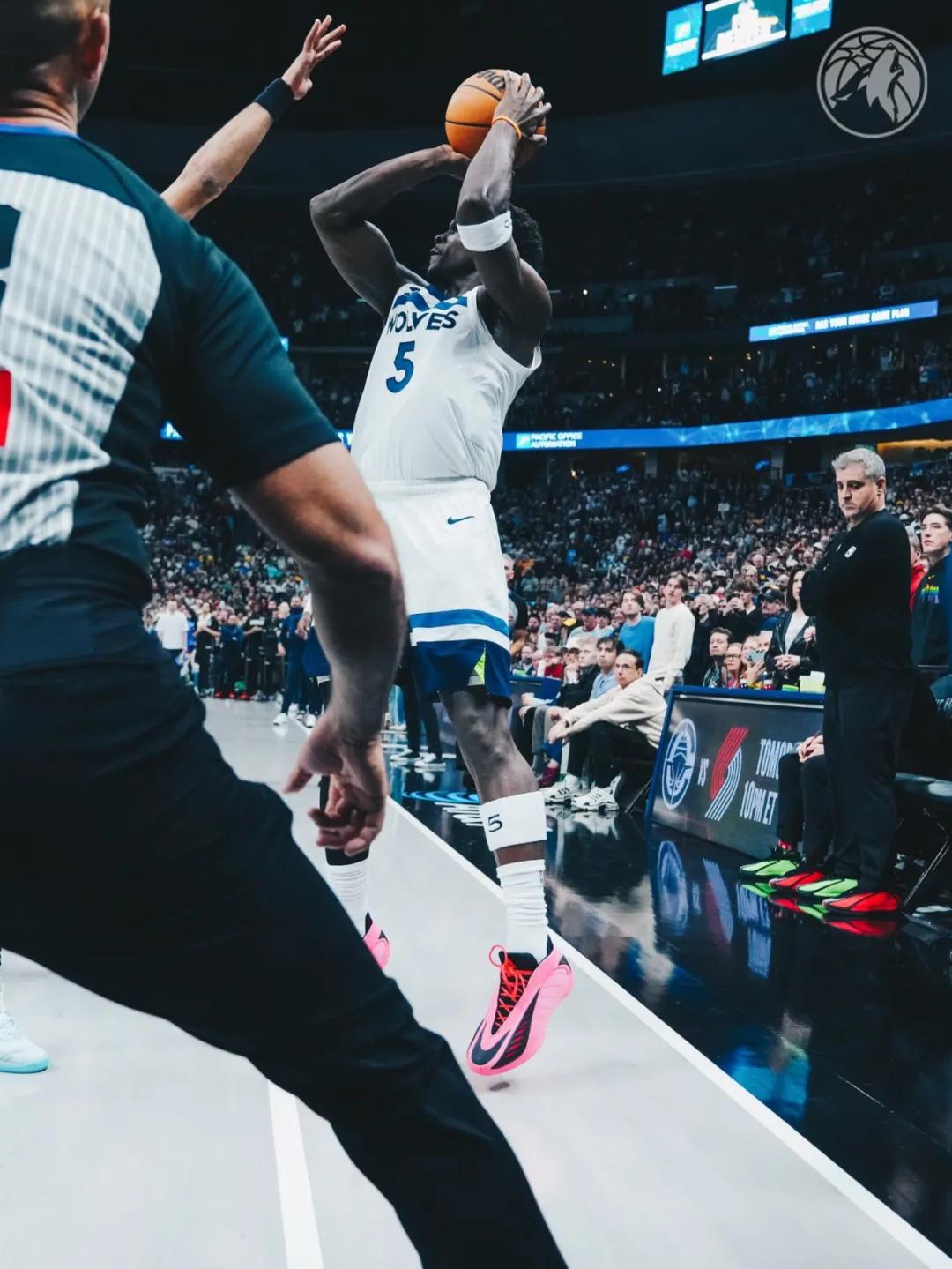
Edwards’ stunning game-tying three-pointer in the final moments of the fourth quarter sent the game into overtime. In the first two minutes of overtime, Edwards led the Timberwolves on a 9-0 run, seemingly putting the game out of reach. That’s when Jokic started to take over.
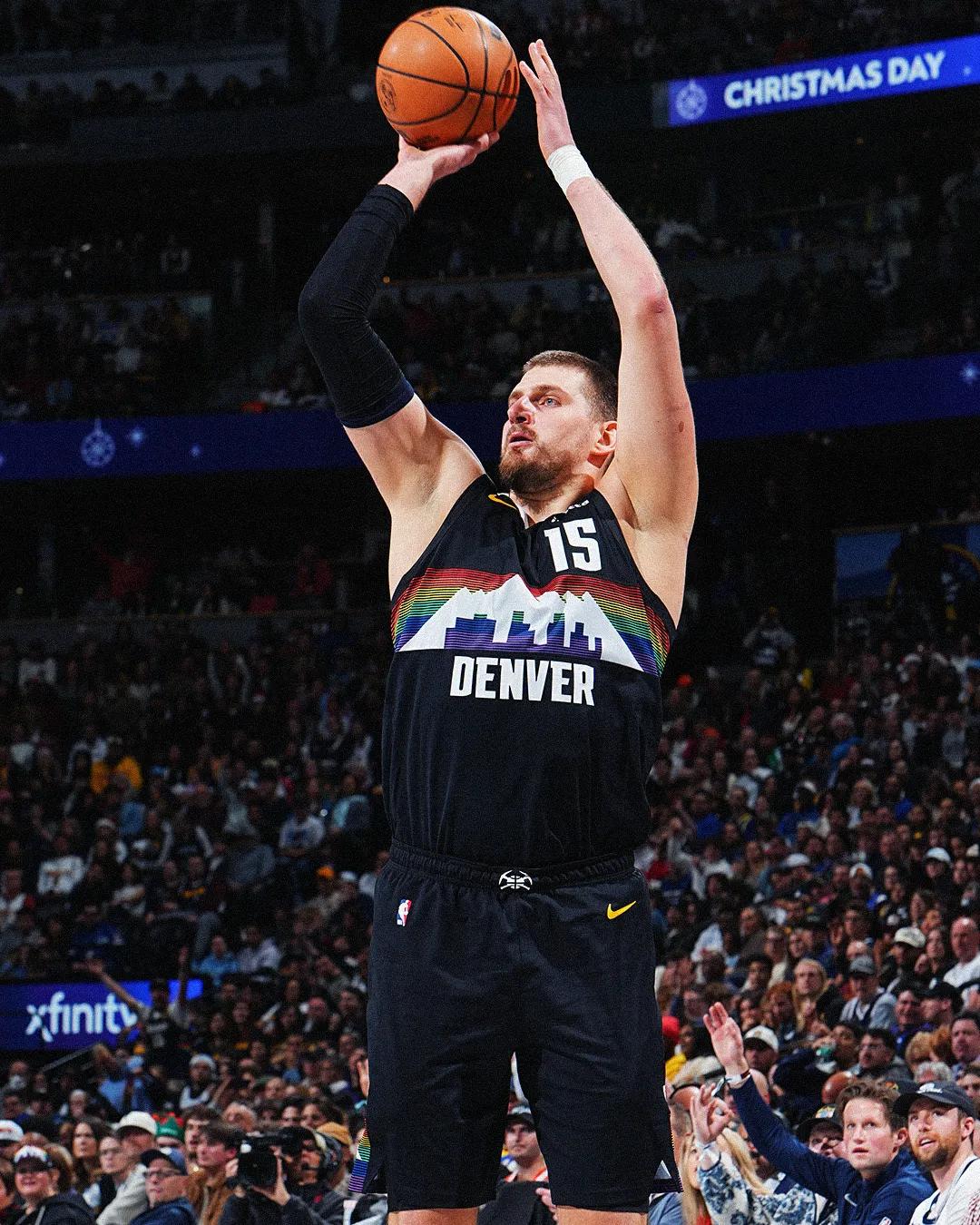
He hit two consecutive threes from 45-degree angles and scored an 11-2 run in just over a minute to erase the deficit. Then, by constantly drawing fouls and converting free throws, he gradually pulled away. Throughout overtime, Jokic was perfect from the field (3 of 3) and made 10 of 11 free throws, scoring 18 points — an NBA record for points scored in overtime.
And that was just in the last three minutes. Having played over 40 minutes, Jokic showed no signs of fatigue on the court, calmly sinking both free throws every time he stepped to the line. Although half of his points came from free throws, making those in overtime is a skill in itself.
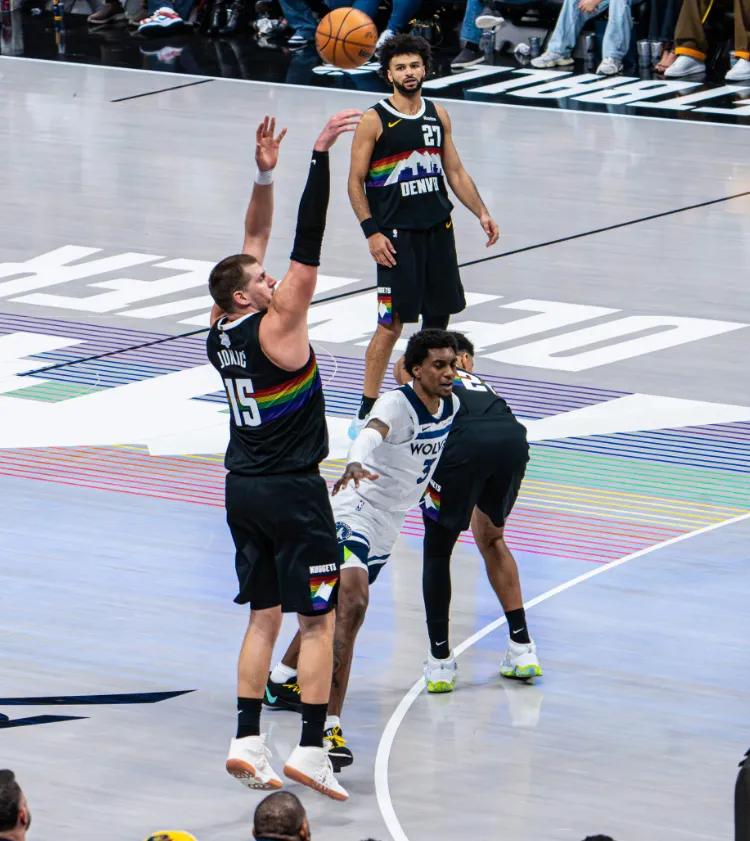
I have no doubt he could have played through a second or even a third overtime. In the 2019 playoffs against the Trail Blazers, Jokic battled through four overtimes, playing all 63 minutes. After that game, no one questioned his stamina anymore.
Yesterday, when the Nuggets were down by 9 in overtime, almost everyone thought the game was lost. The Timberwolves’ 9-0 run in overtime after the fourth-quarter tie had them surging. But Jokic’s two threes completely reversed the situation — that’s the power of a superstar.
He’s definitely capable of shooting threes; his season three-point percentage is 44%, though he only attempts about five per game. When the team needs quick points and a morale boost, his threes come through. Last season, his three-point percentage was at one point the best in the league, and this season 44% ranks him 14th in the NBA.
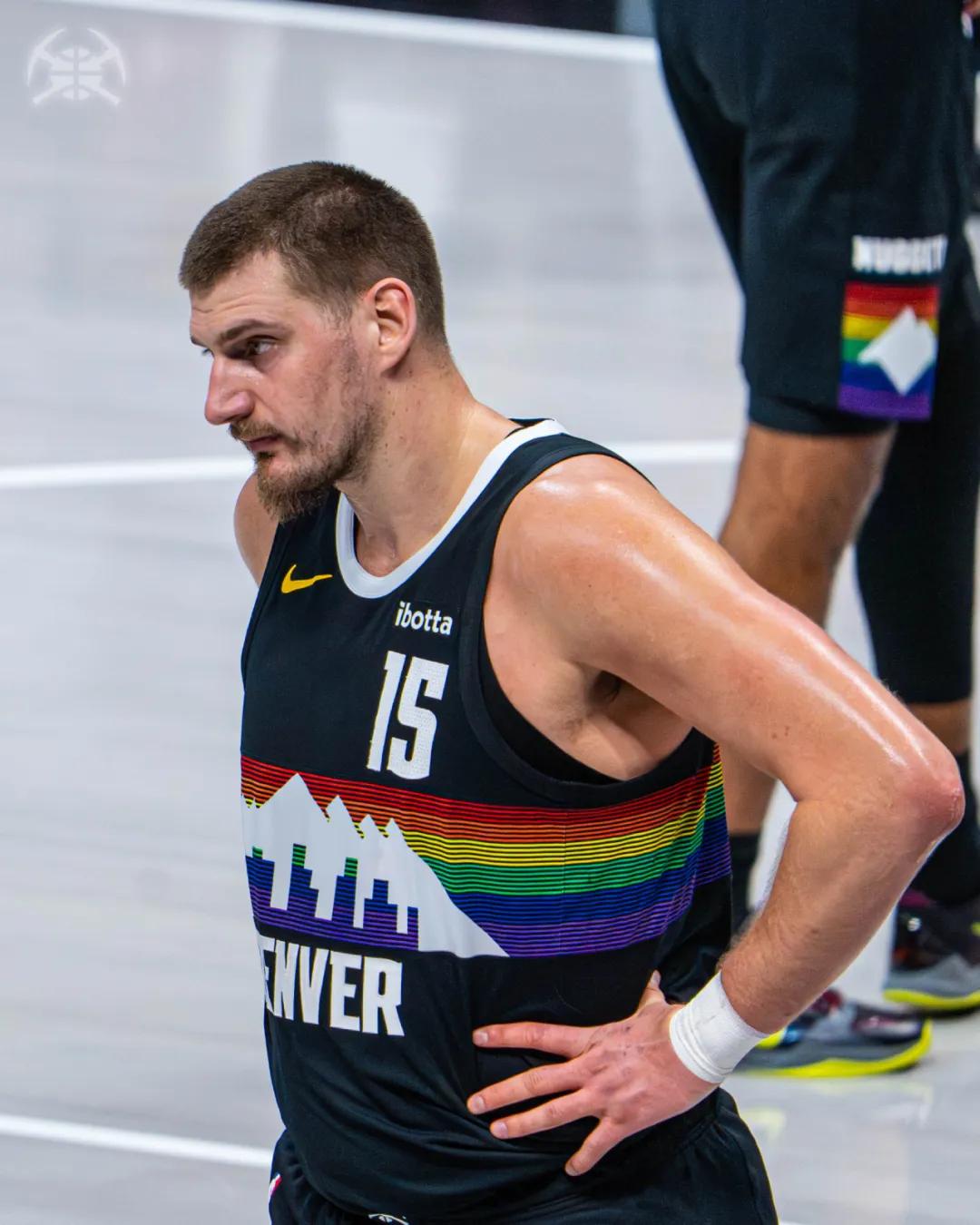
This season, the Nuggets have actually been easing Jokic’s load. With improved bench depth, he’s been able to rest more. After playing 43 minutes yesterday, his season average minutes are “only” 35 per game, down 1.6 minutes from last season.
But guess what? Jokic’s stats are still explosive. He averages 29.8 points per game, up 0.2 from last season, along with 12.1 rebounds and 11 assists per game. He ranks fifth in scoring and first in rebounds and assists in the league. Averaging a triple-double is no longer just a highlight for him.
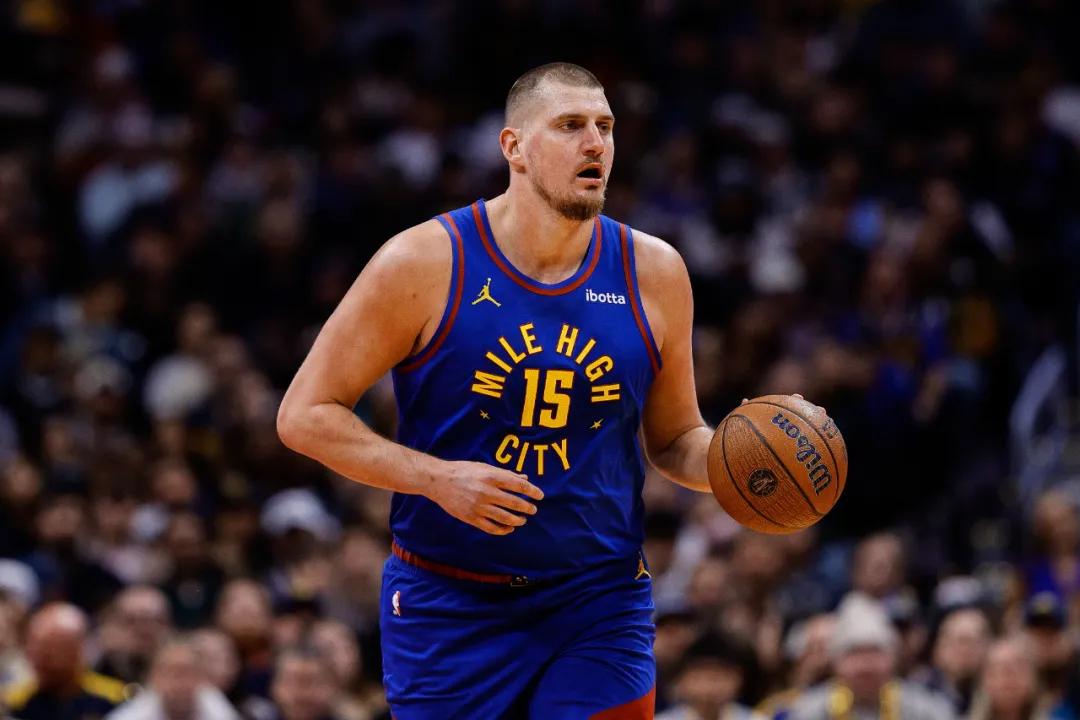
His efficiency is also historic, shooting over 60% from the field, 44% from three, with a true shooting percentage of 71.8%. His on-court efficiency has improved across the board compared to last season. In advanced metrics, Jokic also leads the league. His BPM, which quantifies a player’s overall impact, currently stands at 16.6 — the highest in history.
Compared to his dominance on the court, Jokic says his biggest improvement is in mindset: “Stopping complaining to referees has been my biggest change. I no longer waste energy or get angry over things I know can’t be changed.”
Yesterday’s game is a perfect example. Edwards received two technical fouls in overtime for disputing calls, ending his game early and gifting Jokic two free throws, effectively surrendering the battle prematurely.
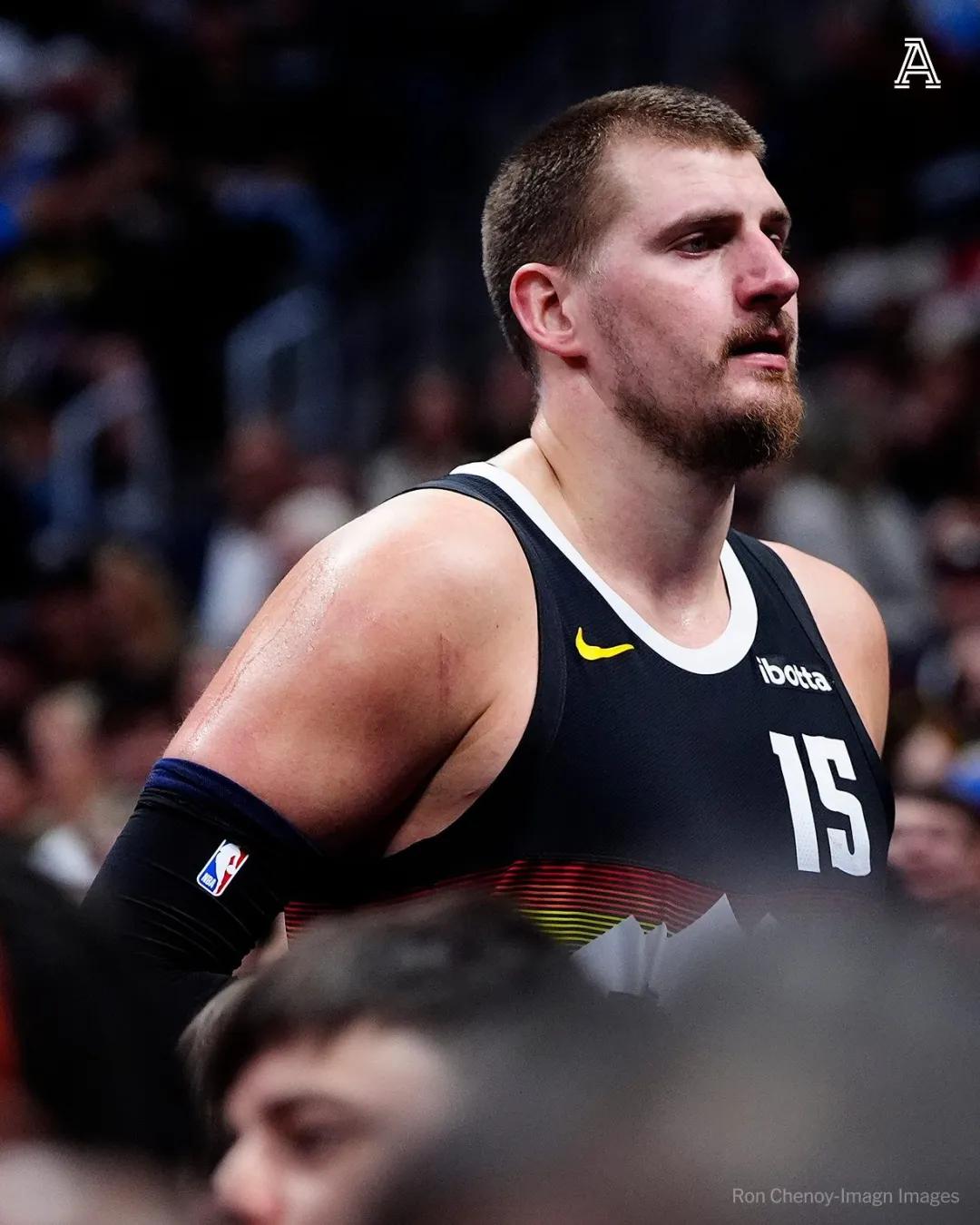
Jokic used to argue intensely with referees and show frustration, but as he said, this season he focuses more on what hasn’t happened yet. He still gets upset about unchangeable facts but no longer argues about them.
When it comes to Jokic, any praise you can give a basketball player fits him perfectly. His biggest flaw this season might be his tendency to coast sometimes; so far, he’s had six games with 10 or fewer shot attempts, and the Nuggets lost two of those games.
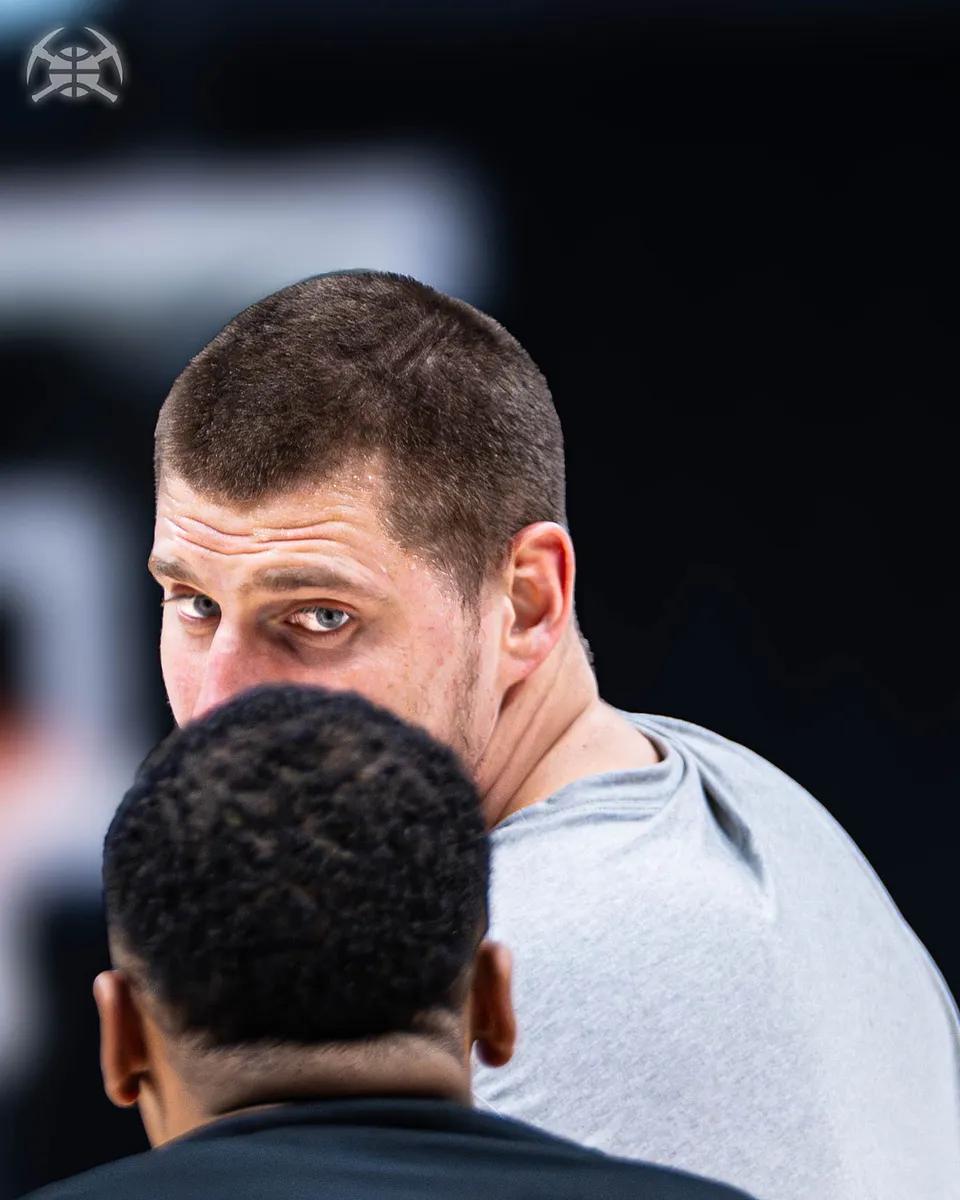
In less critical games, Jokic lowers his shooting frequency, but in games like yesterday’s, he plays with fiery intensity — that’s when you see his peak form.
Interestingly, last season against the Timberwolves, Jokic had a legendary performance with 61 points, 10 rebounds, and 10 assists in a single game. It seems Jokic really enjoys facing Gobert as a matchup.


Wonderfulshortvideo
Steph & LaMelo shot the lights out 🤩


Wemby’s reach is insane 🤯
Just another shot that ONLY Steph could make 😭🤦
Julian Champagnie sets Spurs franchise record for 3PM, he has 11 and counting….‼️
Watch the crowd erupt over Julian Champagnie’s 11th 3PM, a new Spurs franchise record ❗️
Steph steps back, knocks down the tough 3 through contact for the 4pt play 👏
Nah this was too tough 🙂↔️
 Links
Links
 Contact
Address:UNIT 1804 SOUTH BANK TOWER, 55 UPPER GROUND,LONDON ENGLAND SE1 9E
Number:+85259695367
E-mali:icecmxtdaf@gmail.com
 App
App


